Chakras
 81
81

Chakras
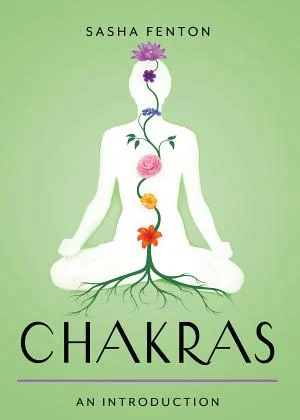
Sasha Fenton's "Chakras" presents a refreshingly direct approach to a topic often shrouded in jargon. The book excels in its clarity, stripping away esoteric complexities to offer a "plain and simple" guide as promised. Fenton’s explanation of how blocked chakras manifest—linking emotional distress to physical symptoms, for instance—is particularly well-articulated. A notable strength is the inclusion of straightforward healing techniques, such as guided visualizations tied to specific chakra colors, which empower the reader to engage actively. However, the work’s simplicity, while a virtue for beginners, might leave more advanced practitioners wanting greater depth or exploration of the philosophical underpinnings of these energy centers. The discussion on the relationship between color and mood, while informative, could have been further integrated with specific chakra correspondences. Fenton’s accessible guide to the seven energy centers offers a solid, practical entry point into chakra work.
📝 Description
81
Sasha Fenton's 2024 book introduces the seven primary energy centers of the body.
This book explains the seven major chakras, the body's primary energy centers. Fenton details how these centers influence our emotional, mental, physical, and spiritual states. The text identifies problems that occur when chakras are blocked or misaligned, offering a basic understanding for self-healing and energetic balance. Its goal is to make these ideas clear for a general audience.
It is for people new to subtle energy systems and those wanting practical ways to fix imbalances. The book is a starting point for anyone interested in holistic health, personal growth, and the energetic anatomy found in various spiritual traditions. Readers who want clear explanations and easy techniques will find it useful.
The concept of chakras entered Western esoteric thought around the late 19th and early 20th centuries, spurred by Theosophical translations and figures like Blavatsky and Besant. Fenton's 2024 work appears as interest in energy healing and mindfulness is widespread. It follows decades of popularization by authors like C.W. Leadbeater and later New Age writers. While not engaging academic debate, Fenton's clear method reflects a trend of making esoteric ideas part of mainstream wellness discussions.
💡 Why Read This Book?
• You will learn specific, simple techniques for clearing and balancing your seven major chakras, as detailed in Fenton's practical guide to energy centers, allowing for direct application. • Gain understanding of how specific chakra imbalances, as described by Fenton, can manifest as emotional, mental, or physical issues, empowering you to identify personal patterns. • Explore the relationship between color and mood through Fenton's discussion, providing insights into how specific hues can be used therapeutically for energetic alignment.
⭐ Reader Reviews
Honest opinions from readers who have explored this book.
❓ Frequently Asked Questions
What are the seven major chakras discussed in Sasha Fenton's book?
Fenton's "Chakras" focuses on the seven primary energy centers: the Root (Muladhara), Sacral (Svadhisthana), Solar Plexus (Manipura), Heart (Anahata), Throat (Vishuddha), Third Eye (Ajna), and Crown (Sahasrara) chakras.
How does Sasha Fenton explain chakra blockages?
The book describes blockages as arising when chakras are misaligned, too open, or blocked, leading to emotional, mental, physical, or spiritual problems that Fenton outlines.
What kind of healing techniques are presented in 'Chakras'?
Fenton offers simple healing techniques, including explanations of how color affects mood and methods for clearing and balancing the seven energy centers.
When was Sasha Fenton's 'Chakras' first published?
The book 'Chakras' by Sasha Fenton was first published on November 4, 2024.
Is this book suitable for someone completely new to chakras?
Yes, the book is designed as an accessible and user-friendly guide, making it ideal for beginners seeking a plain and simple introduction to the seven major chakras.
What is the significance of color in Fenton's chakra guide?
Fenton explains the relationship between specific colors and moods, indicating how these colors are associated with and can influence the energy of each chakra.
🔮 Key Themes & Symbolism
Energetic Anatomy
The core of Fenton's work lies in mapping the body's subtle energy system, specifically the seven major chakras. These are presented not as abstract concepts but as tangible energy centers influencing daily life. The book details their locations, functions, and the interconnectedness between them. Understanding this energetic anatomy is framed as crucial for recognizing and addressing imbalances that manifest physically, emotionally, and spiritually, providing a framework for self-awareness and well-being.
Chakra Imbalance and Healing
A central theme is the concept of chakra imbalance—whether through blockages, misalignment, or excessive openness. Fenton posits that these disruptions are the root of many personal struggles. The book dedicates significant attention to practical, accessible healing techniques designed to restore equilibrium. These methods aim to release pent-up emotional energy, realign energetic flow, and promote a state of holistic health, empowering readers with actionable steps for self-care.
Color Psychology and Energy
Fenton explores the profound connection between specific colors and emotional states, a principle directly applied to chakra work. Each of the seven major chakras is associated with particular colors, and the book explains how working with these colors—through visualization, diet, or environment—can influence mood and energetic balance. This theme highlights the sensory and vibrational aspects of healing, demonstrating how simple visual cues can impact our inner energetic landscape.
Holistic Well-being
Ultimately, 'Chakras' advocates for a holistic approach to health, viewing the physical, emotional, mental, and spiritual dimensions as intrinsically linked through the chakra system. By understanding and tending to these energy centers, individuals can achieve greater overall well-being. The book suggests that addressing energetic imbalances is key to unlocking personal potential and fostering a more integrated and harmonious existence, moving beyond symptom-focused treatments.
💬 Memorable Quotes
Direct passages from the work, attributed to the author.
“The seven major chakras are spinning vortexes of energy throughout the body.”
— This straightforward definition captures the fundamental concept of chakras as dynamic energy centers, establishing their physical presence within the subtle body for practical understanding.
“Blocked, misaligned, or too open chakras can cause emotional, mental, physical, and spiritual problems.”
— This highlights the direct impact of energetic states on overall health, framing imbalances in the chakras as causal factors for a wide range of human difficulties.
“Color and mood are intrinsically linked, and this relationship can be used for healing.”
— This points to the practical application of color therapy within chakra work, suggesting that visual perception and emotional states are connected via energetic principles.
“Simple healing techniques can address issues arising from chakra disharmony.”
— This emphasizes the accessibility of the methods presented, assuring readers that profound energetic shifts are achievable through straightforward practices without requiring complex rituals.
“Understanding how chakras affect people is key to energetic balance.”
— This underscores the diagnostic value of chakra knowledge, suggesting that awareness of these energy centers' influence is the first step toward achieving and maintaining personal equilibrium.
🌙 Esoteric Significance
Tradition
Fenton's work draws from the broad stream of Indian yogic and tantric traditions, particularly as they have been adapted and integrated into Western esoteric thought. While not explicitly aligning with a single lineage like Hermeticism or Kabbalah, it engages with the universal concept of subtle energy bodies and their centers, a common thread in many mystical paths. The book's focus on practical application and personal well-being positions it within contemporary spiritual wellness movements that often distill ancient esoteric principles for modern life.
Symbolism
The primary symbols are the seven chakras themselves, represented as spinning vortexes of energy. Each chakra is associated with specific colors (e.g., red for the Root, violet for the Crown), which act as symbolic representations of their energetic qualities and functions. Location on the body also serves as symbolic mapping—the Heart chakra at the center symbolizing balance, the Third Eye between the brows signifying intuition. These symbols function as keys to understanding and interacting with the body's energetic field.
Modern Relevance
Fenton's accessible guide appeals to contemporary practices in mindfulness, yoga, and holistic health. Thinkers and practitioners in fields like energy healing, somatic therapy, and even some branches of psychology that explore mind-body connections find value in its clear articulation of energetic principles. The book's emphasis on self-care and personal empowerment through understanding subtle energies aligns with current wellness trends and the growing interest in non-traditional therapeutic modalities.
👥 Who Should Read This Book
["• Beginners interested in energy healing and holistic wellness who seek a straightforward introduction to the body's energy centers, benefiting from Fenton's plain language.", "• Individuals experiencing unexplained physical or emotional discomfort who are looking for accessible techniques to explore potential energetic causes, guided by Fenton's practical approach.", '• Students of esoteric philosophy or comparative religion wanting a clear overview of the chakra system as presented in modern popular literature, providing a foundational text.']
📜 Historical Context
The popularization of the chakra system in the West surged in the late 19th century, largely due to the efforts of Theosophists like Helena Blavatsky and Annie Besant, who translated and interpreted ancient Indian texts. C.W. Leadbeater further elaborated on the subject in works like "The Chakras" (1927). Sasha Fenton's "Chakras," first published in 2024, enters a landscape significantly shaped by this lineage and subsequent New Age movements. While earlier esotericists engaged deeply with complex philosophical systems, Fenton’s approach reflects a modern trend towards accessible, practical guides for a broader audience seeking self-help tools. The book's straightforward presentation implicitly acknowledges the widespread familiarity with chakra concepts, a proof of decades of dissemination, while offering a simplified entry point distinct from the more academic or dense theoretical works that coexisted with early chakra discourse.
📔 Journal Prompts
Reflection on the energetic quality of the Root chakra's color, red, in your daily life.
Consider how a blocked Solar Plexus chakra might influence your decision-making.
Explore the sensations associated with the Throat chakra and the act of speaking your truth.
Identify a color that currently appeals to your Heart chakra's state.
How does the concept of 'spinning vortexes' apply to your perception of personal energy?
🗂️ Glossary
Chakra
A Sanskrit term referring to one of the major energy centers within the subtle body, typically visualized as a spinning vortex of life force (prana).
Energy Centers
Synonymous with chakras, these are points along the spine or within the body that are believed to be focal points for the flow of subtle energy.
Blockage
A state where the natural flow of energy through a chakra is impeded, leading to stagnation and potential physical, emotional, or spiritual issues.
Misalignment
A condition where a chakra is not functioning in harmony with the others, creating imbalance in the overall energy system.
Too Open
A state where a chakra is overly active or permeable, potentially leading to an influx of excessive energy or an inability to ground properly.
Energetic Anatomy
The study and understanding of the body's subtle energy systems, including chakras, nadis (energy channels), and the life force (prana).
Color and Mood
The principle that specific colors have a direct impact on a person's emotional state and psychological well-being, often utilized in healing practices.
This book appears in 1 collection
🔮 Readers Also Liked
Browse all →








From the “Chakras” Collection
View all →






More Free Occult Philosophy Books
View all →