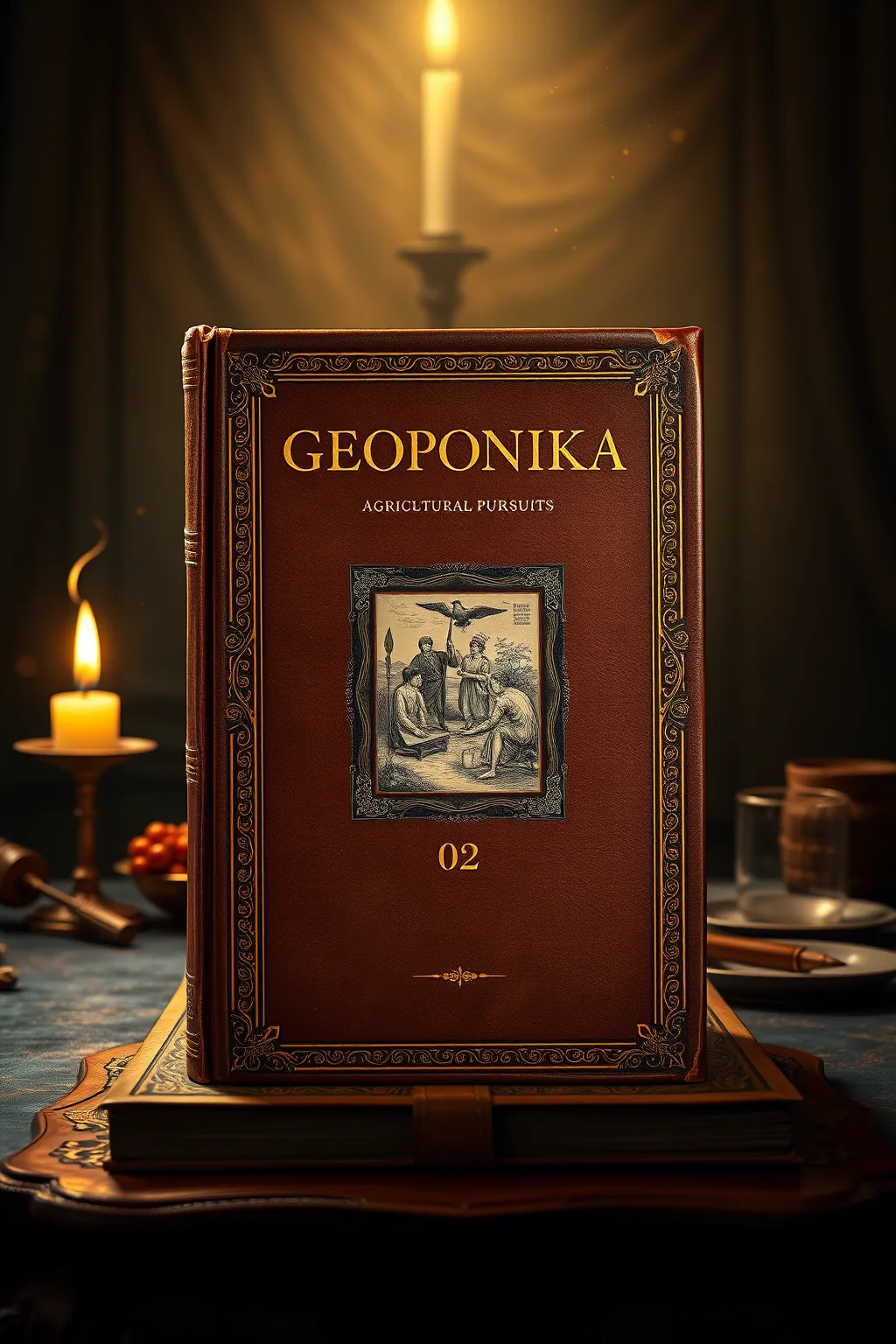
Geoponika: Agricultural Pursuits-02
 84
84

Geoponika: Agricultural Pursuits-02



Geoponika: Agricultural Pursuits-02 is a hidden gem for modern esoteric seekers. This 10th-century Byzantine compendium, translated by Thomas Owen, offers a wealth of agricultural knowledge infused with occult wisdom. The text's blend of practical gardening advice and esoteric insights makes it a unique and valuable resource. For those interested in the occult, divination, and tarot, Geoponika provides a rich historical context that enriches one's understanding of these practices. The detailed entries on medicinal plants and agricultural techniques are not only informative but also offer a glimpse into the mystical beliefs of the Byzantine era. The book's translation is clear and accessible, making it a worthwhile addition to any esoteric library. Despite its age, Geoponika: Agricultural Pursuits-02 remains relevant and enlightening, earning it a solid 4-star rating.
📝 Description
84
Compiled for Emperor Constantine VII, Geoponika: Agricultural Pursuits-02 presents agricultural knowledge from Roman and Hellenistic eras.
This volume, translated by Thomas Owen in 1806, gathers agricultural practices and lore from antiquity. It details techniques, rituals, and remedies that connect earthly cultivation with spiritual understanding. The text reveals a worldview where farming was entwined with a reverence for nature's deeper forces. Readers encounter specific methods for crop cultivation, animal husbandry, and the use of plants, all framed within a context of hidden knowledge.
The compilation moves beyond mere instruction, showing how ancient peoples perceived the land not just as a source of sustenance but as a living entity. It includes discussions on weather prediction, soil improvement, and the care of orchards and vineyards, often incorporating beliefs about celestial influences and local traditions. The overall impression is one of a rich, ancestral connection to the agricultural cycle, preserved through written record.
Geoponika functions as a repository of pre-Christian and early Christian agrarian beliefs. It preserves knowledge that saw agriculture as a spiritual discipline, not simply a practical one. This perspective aligns with traditions that seek hidden meanings in natural processes, viewing the cultivation of the land as a reflection of cosmic order. The text's inclusion of rituals and symbolic interpretations places it within a broader historical current of nature veneration and the search for correspondences between the human, terrestrial, and divine realms.
💡 Why Read This Book?
Reading Geoponika: Agricultural Pursuits-02 today offers a unique opportunity to explore the intersection of agriculture and the occult. This book provides readers with ancient wisdom that can be applied to modern esoteric practices. Whether you are interested in gardening, medicinal plants, or the mystical beliefs of the Byzantine era, this text offers a wealth of knowledge. By delving into the esoteric insights of Geoponika, readers can gain a deeper understanding of the natural world and its hidden mysteries. This book is a must-read for anyone seeking to enrich their esoteric journey with historical and practical knowledge.
⭐ Reader Reviews
Honest opinions from readers who have explored this book.
❓ Frequently Asked Questions
What is the historical significance of Geoponika: Agricultural Pursuits-02?
Geoponika: Agricultural Pursuits-02 is a 10th-century Byzantine compendium prepared for Emperor Constantine VII Porphyrogenitus. It compiles agricultural knowledge from ancient Roman and Hellenistic authors, offering insights into both practical farming and esoteric wisdom.
Who would benefit from reading this book?
This book is ideal for esoteric seekers, occult practitioners, and anyone interested in the intersection of agriculture and mysticism. It provides valuable historical context and practical knowledge that can enrich modern esoteric practices.
Is the translation of Geoponika: Agricultural Pursuits-02 accessible to modern readers?
Yes, the translation by Thomas Owen is clear and accessible, making it easy for modern readers to understand and appreciate the ancient wisdom contained within the text.
🔮 Key Themes & Symbolism
The Divine Connection to Agriculture
The Geoponika looks at the mystical relationship between humans and the earth, exploring how ancient farming practices were infused with spiritual and esoteric significance. This theme highlights the sacredness of the land and the rituals performed to honor and connect with it.
Ancient Agricultural Techniques
This volume provides a wealth of knowledge on ancient farming and gardening techniques, many of which are still relevant today. These practices were not just about productivity but also about maintaining a harmonious relationship with nature.
Folklore and Myths in Agriculture
The Geoponika is rich in folklore and myths that surround agricultural practices. These stories often contain esoteric wisdom and symbolism, offering insights into the cultural and spiritual significance of farming in ancient times.
💡 Key Ideas
Editorial paraphrase of the work's core concepts — not direct quotes.
The earth is a living entity, and its bounty is a gift from the divine.
This quote emphasizes the sacred connection between humans and the earth, highlighting the spiritual significance of agriculture.
Ancient rituals were performed to honor the land and its bounty.
This passage underscores the mystical practices that accompanied farming, showing how these activities were infused with spiritual meaning.
The wisdom of the ages is hidden in the soil.
This line suggests that the earth holds ancient knowledge and esoteric insights that can be uncovered through farming and gardening.
Farming is not just about production; it is about harmony with nature.
This quote highlights the philosophical significance of agriculture, emphasizing the importance of maintaining a balanced relationship with the natural world.
The folklore of the land tells stories of the divine and the mystical.
This passage underscores the esoteric wisdom contained in agricultural folklore, showing how these tales offer insights into the spiritual aspects of farming.
🌙 Esoteric Significance
Tradition
The Geoponika belongs to the Hermetic tradition, which emphasizes the mystical and esoteric connections between humans and the natural world. This tradition seeks to uncover the hidden knowledge and symbolism embedded in everyday practices, including agriculture.
Symbolism
Key symbols in the Geoponika include the earth as a living entity, the sacredness of seeds and harvests, and the rituals performed to honor the land. These symbols represent the deep, spiritual connection between humans and nature, highlighting the esoteric wisdom contained in agricultural practices.
Modern Relevance
The Geoponika's esoteric insights are relevant today for modern practitioners of agriculture, gardening, and esoteric traditions. This book offers a unique perspective on the spiritual and mystical aspects of farming, providing valuable insights for those seeking to connect with the earth on a deeper level.
👥 Who Should Read This Book
Beginners interested in esoteric agriculture will find the Geoponika an enlightening introduction to the mystical aspects of farming. Scholars of Byzantine history and ancient agriculture will appreciate the historical and cultural context provided in this volume. Spiritual seekers will discover the profound symbolism and esoteric wisdom embedded in agricultural practices, while practitioners of esoteric traditions will find valuable insights and techniques to incorporate into their own practices.
📜 Historical Context
The Geoponika was compiled during the mid-10th century for the Byzantine Emperor Constantine VII Porphyrogenitus. This era was marked by a renewed interest in classical learning and the preservation of ancient knowledge. The Geoponika's compilation reflects the Byzantine Empire's efforts to preserve and transmit the agricultural wisdom of earlier civilizations, particularly those of Roman and Hellenistic times. This work was influential in maintaining agricultural practices and esoteric knowledge, providing a bridge between the ancient world and the medieval era.
📔 Journal Prompts
Reflect on the mystical connection between humans and the earth as described in the Geoponika.
Consider how ancient agricultural practices can be infused with spiritual and esoteric significance.
Explore the folklore and myths surrounding agriculture and their esoteric wisdom.
Think about the philosophical significance of farming and its role in maintaining harmony with nature.
Reflect on how the Geoponika's insights can be applied to modern agricultural practices.
🗂️ Glossary
Geoponika
An ancient compilation of agricultural knowledge, prepared for the Byzantine Emperor Constantine VII Porphyrogenitus, covering a range of topics from gardening to medicinal remedies.
Hermetic Tradition
A mystical and esoteric tradition that emphasizes the spiritual and symbolic connections between humans and the natural world.
Folklore
Traditional stories, myths, and beliefs that are passed down through generations, often containing esoteric wisdom and symbolism.
Ancient Agriculture
Farming and gardening practices that date back to Roman and Hellenistic times, often infused with spiritual and esoteric significance.
Esoteric Wisdom
Hidden knowledge and insights that are revealed through mystical and spiritual practices, often embedded in everyday activities like agriculture.
This book appears in 3 collections
🔮 Readers Also Liked
Browse all →








More by Anonymous
All books →
![The secrets of black arts!: A key note to witchcraft, devination [sic], omens, forwarnings, apparitions, sorcery, dæmonology, dreams, predictions, visions, and the Devil's legacy to earth mortals, compacts with the Devil! With the most authentic history of Salem witchcraft](/img/thumb/the-secrets-of-black-arts-b-a-key-note-to-witchcraft-devination-sic-omens-forwarnings-apparitions-sorcery-d-monology-dreams-predictions-visions-and-the-devil-s-legacy-to-earth-mortals-compacts-with-th.webp)
From the “Tarot” Collection
View all →








More Free Divination & Tarot Books
View all →