Arguing with angels

 75
75

Arguing with angels
Egil Asprem's "Arguing with Angels" is a scholarly dive into the often-overlooked role of angelic beings within the Western esoteric tradition. Rather than treating angels as purely theological constructs, Asprem meticulously details their operational significance in magical practices and occult philosophy. The work's strength lies in its rigorous historical tracing, demonstrating how concepts of angelic intervention and mediation evolved from religious texts into practical tools for practitioners. A particularly compelling aspect is the examination of how angelology intersects with demonology in certain grimoires, presenting a complex, often ambivalent, relationship. However, the dense academic prose, while precise, may present a barrier for those less accustomed to deep historical analysis. The book's limitation is its highly specialized focus; readers seeking a broad survey of angel lore across all cultures will need to look elsewhere. The detailed breakdown of the Ars Notoria's angelological schema offers a concrete example of the book's analytical depth. "Arguing with Angels" offers a valuable, if demanding, scholarly perspective on a core element of esoteric practice.
📝 Description
75
Egil Asprem's 2012 book traces angelology's use in Western magic and occult systems.
Arguing with Angels examines how beliefs about angelic beings developed within esoteric traditions. Egil Asprem follows the interpretation, ritualization, and integration of these concepts into various mystical and occult frameworks across centuries.
The book moves beyond simple theological accounts to focus on the practical application and theoretical evolution of angelology. It investigates their role in magical practice and spiritual attainment, detailing how these entities function as intermediaries, guides, and forces to be invoked or commanded. Asprem explores how different traditions conceptualized the hierarchy and nature of these beings, often connecting them to specific planetary or elemental forces within esoteric cosmologies.
This work is suited for serious students of Western esotericism, comparative religion, and the history of magic. Readers interested in the specific evolution of angelic figures in occultism, from medieval grimoires to modern ceremonial magic, will find substantial material. It requires a familiarity with esoteric terminology and historical context, appealing to those seeking detailed analysis.
Asprem's research emerged during a period of renewed academic and popular interest in previously marginalized esoteric fields. The book contributes to a more detailed understanding of occult traditions by focusing on angelology's specific role. It aligns with scholarship that critically examines the history and phenomenology of Western esotericism, providing a specialized lens on how angelic concepts were adapted for magical and spiritual ends.
💡 Why Read This Book?
• Gain a scholarly understanding of how angelic beings function as active agents within Western magical systems, moving beyond simplistic theological interpretations, as detailed in the analysis of the Ars Notoria. • Explore the historical evolution of angelology from religious texts to practical occult tools, understanding its development through specific historical periods and texts cited in the book. • Discover the complex interplay between angelology and demonology in esoteric traditions, recognizing how these forces are conceptualized and utilized differently across various magical frameworks discussed.
⭐ Reader Reviews
Honest opinions from readers who have explored this book.
❓ Frequently Asked Questions
What is the original publication year of "Arguing with Angels"?
"Arguing with Angels" by Egil Asprem was first published in 2012, contributing to scholarly discussions on Western esotericism in the early 21st century.
Does "Arguing with Angels" focus on religious angelology or esoteric angelology?
The book primarily focuses on esoteric angelology, examining how angelic beings are interpreted and utilized within magical practices and occult philosophy, rather than solely within traditional religious doctrines.
What historical periods does Egil Asprem's "Arguing with Angels" cover?
Asprem's work spans a significant historical range, tracing the evolution of angelology from early theological concepts through medieval grimoires to its manifestation in modern ceremonial magic and occult systems.
Who is the intended audience for "Arguing with Angels"?
The book is intended for serious students of Western esotericism, comparative religion, and the history of magic who possess some familiarity with esoteric terminology and historical analysis.
Does the book discuss specific angelic hierarchies or systems?
Yes, "Arguing with Angels" delves into specific angelic hierarchies and systems, exploring their conceptualization and practical application within various esoteric traditions and magical texts.
Is "Arguing with Angels" a practical guide to working with angels?
While it examines the practical application of angelology in esoteric practices, "Arguing with Angels" is primarily a scholarly and historical analysis, not a step-by-step manual for practitioners.
🔮 Key Themes & Symbolism
Angelic Beings as Operative Forces
This work moves beyond viewing angels as passive theological figures, instead detailing their active role as operative forces within Western esoteric traditions. Asprem illustrates how practitioners in various magical systems sought to invoke, command, or commune with angelic entities for specific purposes, treating them as potent agents in the spiritual and material realms. The book analyzes texts that conceptualize angels not just as divine messengers but as components of a complex magical architecture, integral to rituals and spiritual development.
Evolution of Angelological Concepts
A central theme is the historical trajectory and transformation of angelological concepts. Asprem charts how ideas about angels, their hierarchies, and their functions have been reinterpreted across different eras and within distinct esoteric schools. This includes the adaptation of biblical and Kabbalistic angel lore into grimoires and ceremonial magic, highlighting how these concepts were modified to serve the aims of occult practitioners seeking knowledge or power.
The Intersection of Angelology and Magic
Asprem meticulously explores the nexus between angelology and the practice of magic. He demonstrates how angelic figures became integrated into magical cosmologies and ritual practices, serving as intermediaries, guides, or sources of inspiration. The book examines the symbolic language and operational frameworks developed by esotericists to engage with these celestial beings, revealing a rich tradition of practical angel-working distinct from purely devotional or theological approaches.
Comparative Esoteric Traditions
The book offers a comparative perspective on how different esoteric traditions have approached angelology. By examining various historical texts and magical systems, Asprem highlights both commonalities and divergences in their understanding and utilization of angelic entities. This comparative analysis underscores the dynamic and often syncretic nature of esoteric thought, showing how angelological motifs were adapted and synthesized across diverse occult lineages.
💬 Memorable Quotes
Direct passages from the work, attributed to the author.
“The conceptualization of angelic hierarchies evolved significantly from religious doctrine to occult systems.”
— This highlights the theme of historical transformation, indicating how the structured orders of angels were adapted and reinterpreted by occultists to fit their own magical cosmologies and practices.
“Grimoires often present a complex relationship between angelic and demonic forces.”
— This interpretation points to the nuanced portrayal of spiritual entities in magical texts, suggesting that the lines between 'good' and 'bad' spiritual agents could be blurred or strategically manipulated by practitioners.
“The Ars Notoria provided a specific framework for angelic invocation and spiritual knowledge.”
— This refers to a concrete example within the book, illustrating how a particular historical text offered a structured method for interacting with angels to gain wisdom and understanding.
“Esoteric angelology served practical aims of spiritual attainment and magical efficacy.”
— This emphasizes the functional aspect of esoteric angelology, suggesting its primary purpose was not abstract theology but the achievement of tangible results in spiritual development or magical workings.
💡 Key Ideas
Editorial paraphrase of the work's core concepts — not direct quotes.
Angels are not merely objects of theological contemplation but active agents within magical operations.
This paraphrased concept underscores the book's central argument: that esoteric traditions viewed angels not just as religious figures, but as dynamic forces to be engaged with in magical practice.
🌙 Esoteric Significance
Tradition
This work primarily engages with the Western Esoteric Tradition, specifically its branches concerned with ceremonial magic, Kabbalah, and Hermeticism. It traces how angelic figures, originating in Abrahamic religions, were recontextualized and integrated into magical systems as operative entities. Asprem's analysis shows a departure from purely devotional uses, highlighting their function as intermediaries, conduits of power, or guides within occult frameworks, fitting within the broader Hermetic goal of 'as above, so below'.
Symbolism
Key symbols explored include angelic hierarchies (like the choirs of angels from Pseudo-Dionysius) and their mapping onto planetary or elemental forces, a common practice in Hermetic magic. Another motif is the 'angelic face' or 'visage,' representing divine illumination or direct spiritual contact. The book also examines angelic names and sigils as potent symbols, used in invocations and talismans to establish a connection or exert influence, reflecting the principle of sympathetic magic.
Modern Relevance
Contemporary practitioners of ceremonial magic, chaos magic, and various forms of modern occultism continue to draw upon the historical frameworks of angelology that Asprem examines. Thinkers and groups exploring the phenomenology of consciousness, angelic encounters, and the practical application of esoteric symbolism find relevance in his analysis of historical operative angelology. The work informs current discussions on the nature of spiritual entities and their role in psychological and magical development.
👥 Who Should Read This Book
• Advanced students of Western Esotericism: Those familiar with figures like Agrippa or the Kabbalistic tradition will gain a deeper understanding of how angelic concepts were operationalized in magical practice. • Comparative Religion Scholars: Researchers interested in the evolution of religious concepts into magical systems will find value in Asprem's detailed historical tracing and analysis of texts. • Ceremonial Magicians: Practitioners seeking to understand the historical and theoretical underpinnings of angelic invocation and angelic magic will find specific insights into historical methodologies.
📜 Historical Context
Published in 2012, "Arguing with Angels" emerged during a period of renewed academic and public interest in Western esotericism, a field gaining critical traction thanks to scholars like Wouter J. Hanegraaff. Egil Asprem's work situates itself within this scholarly milieu, offering a specialized examination of angelology's role in occult traditions. The book contrasts with purely theological or philosophical treatments of angels, focusing instead on their practical application and conceptual evolution within magical systems. It engages with the lineage of occultism that includes figures like Agrippa and the authors of various medieval and Renaissance grimoires, demonstrating how these texts codified and utilized angelic hierarchies. Unlike more generalized works on magic, Asprem's study provides a deep dive into a specific, often complex, facet of esoteric practice, contributing to a more granular understanding of the historical development of Western magical thought.
📔 Journal Prompts
The operational function of angels in magical systems as detailed in the book.
How do the concepts of angelic hierarchies presented by Pseudo-Dionysius differ from their application in later grimoires?
Analyze the symbolic significance of angelic sigils discussed in the text.
Reflect on the evolution of angelology from religious doctrine to occult practice.
Consider the practical aims of esoteric angelology as described by Asprem.
🗂️ Glossary
Angelology
The theological or philosophical study of angels, their nature, properties, and roles. In an esoteric context, it extends to their function within magical systems.
Esotericism
A broad category of spiritual traditions, mystical practices, and philosophical teachings that are primarily intended for, or understood by, a select group of initiates or those with specialized knowledge.
Grimoire
A textbook of magic, typically containing instructions on how to create magical tools, cast spells, and invoke supernatural entities. Many grimoires detail angelic and/or demonic hierarchies.
Ceremonial Magic
A type of ritualistic magic, often complex and elaborate, that typically involves specific tools, invocations, and visualizations. It frequently draws upon historical magical traditions and texts.
Operative Magic
Magic understood and practiced as a means to produce tangible effects or achieve specific goals, often involving the manipulation of spiritual or natural forces.
Hermeticism
A philosophical and religious tradition based on writings attributed to Hermes Trismegistus, emphasizing gnosis, the interconnectedness of all things, and the principle of 'as above, so below'.
Kabbalah
A system of Jewish mysticism and esoteric interpretation that explores the relationship between the divine and the created universe, often represented through the Tree of Life.
🔮 Readers Also Liked
Browse all →







More by Egil Asprem
All books →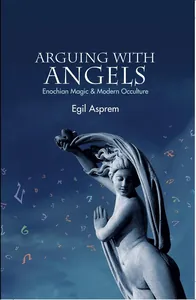
More Free Magic & Ritual Books
View all →