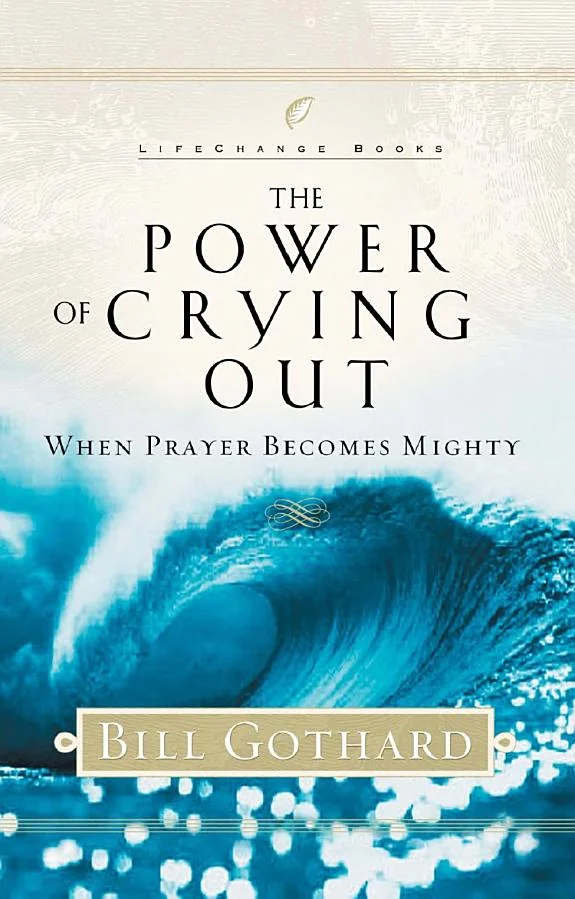
The Power of Crying Out
 72
72

The Power of Crying Out
Bill Gothard's "The Power of Crying Out" offers a compelling, if narrowly focused, exploration of fervent prayer. The book’s strength lies in its direct, unvarnished presentation of scriptural examples and contemporary accounts, making a powerful case for the efficacy of vocal supplication in moments of crisis. The compilation of testimonies, while anecdotal, effectively conveys the emotional and spiritual weight of such pleas. However, the work's limitation stems from its singular focus; it rarely ventures beyond its central thesis to engage with broader theological discussions on prayer, suffering, or the nature of God's response. A particular passage that stands out details the biblical account of the woman with the issue of blood, illustrating persistent faith leading to tangible healing. This book serves those seeking a specific, action-oriented approach to prayer during dire circumstances.
📝 Description
72
Bill Gothard's 2002 book examines fervent, vocal prayer during intense trials.
Published in 2002, The Power of Crying Out focuses on the spiritual practice of "crying out" to God. Gothard argues that this intense, vocal prayer during times of severe difficulty is a powerful, though often overlooked, way to seek divine intervention. The book draws on scriptural examples and personal accounts to show instances where such fervent appeals are said to have brought about significant outcomes. It seeks to give readers a structure for understanding and practicing this type of prayer.
The book is aimed at individuals experiencing major personal struggles, spiritual challenges, or deep distress. It will appeal to those looking for a more active and direct method of prayer, especially when feeling overwhelmed. Readers interested in evangelical Christian beliefs and how faith can be applied to overcome hardship will find its content relevant. It also speaks to those who feel their prayers have gone unheard and seek scriptural support and historical examples for persistent, vocal pleas.
The Power of Crying Out appeared in 2002 within a Christian landscape that valued personal experience and direct faith encounters. The early 2000s showed continued interest in spiritual warfare and deliverance, themes Gothard's work touches upon. His emphasis on fervent prayer as a tool against adversity aligns with certain Pentecostal and charismatic traditions, though his approach is grounded in conservative evangelical thought. The book seems to address a perceived need for tangible spiritual power in everyday life.
💡 Why Read This Book?
• Gain practical guidance on vocal supplication, a method distinct from passive prayer, as detailed in "The Power of Crying Out," to actively engage with divine intervention during personal crises. • Discover scriptural precedents and modern testimonies, specifically referencing instances like those found in the book's examination of biblical narratives, to build faith in the efficacy of urgent prayer. • Learn to interpret "crying out" as a specific spiritual discipline, as presented in the 2002 publication, enabling a more direct and powerful approach to seeking help in times of distress.
⭐ Reader Reviews
Honest opinions from readers who have explored this book.
❓ Frequently Asked Questions
What is the core message of Bill Gothard's 'The Power of Crying Out'?
The book's core message is that vocal, fervent prayer – termed 'crying out' – is a powerful biblical and historical practice for seeking God's intervention during times of extreme distress and crisis.
When was 'The Power of Crying Out' first published?
'The Power of Crying Out' was first published in 2002, reflecting a continued interest in practical spiritual disciplines within evangelical circles at the turn of the millennium.
Does the book offer practical steps for 'crying out' in prayer?
Yes, the book provides guidelines and examples drawn from scripture and modern testimonies to help readers understand and implement the practice of vocal supplication effectively.
Who is Bill Gothard?
Bill Gothard is an American author and speaker known for his work on Christian principles and family life, with 'The Power of Crying Out' being one of his published works from 2002.
What kind of examples are used in the book?
The book utilizes examples from biblical scripture, such as accounts of desperate pleas for help, alongside modern testimonies from individuals who believe their fervent prayers led to divine intervention.
Is this book suitable for someone new to prayer?
While it focuses on a specific type of prayer, individuals new to prayer who are experiencing significant hardship and seeking a direct, active approach might find its encouragement and scriptural basis helpful.
🔮 Key Themes & Symbolism
Vocal Supplication as Spiritual Force
The work posits that vocalizing one's distress and pleas to the divine, termed 'crying out,' acts as a distinct spiritual force. This is presented not merely as emotional expression but as a deliberate act of faith intended to elicit a specific divine response. The book emphasizes that the audible nature of the prayer amplifies its spiritual efficacy, drawing on scriptural accounts where cries for help were met with immediate divine attention. This theme challenges passive approaches to prayer, advocating for an active, vocal engagement with the divine realm during moments of acute need.
Scriptural Precedent for Urgent Prayer
A significant theme is the establishment of 'crying out' as a biblically sanctioned practice. Gothard meticulously references numerous instances within the Old and New Testaments where individuals or groups cried out to God in times of peril, oppression, or deep sorrow. These accounts, ranging from the Psalms to the Gospels, serve as theological and practical foundations for the book's central argument. The work seeks to demonstrate that throughout salvation history, fervent, vocal appeals have been a consistent pathway to divine encounter and intervention.
Modern Testimonies of Divine Intervention
Complementing scriptural evidence, the book incorporates modern testimonies from individuals who claim to have experienced direct divine intervention through their own acts of 'crying out.' These contemporary accounts serve to bridge the gap between ancient scripture and contemporary lived experience, suggesting that the power of this prayer form remains active. The inclusion of these personal narratives aims to provide relatable examples and bolster the reader's faith by showcasing the perceived efficacy of such prayer in the 21st century.
Guidelines for Effective Supplication
Beyond merely advocating for the practice, 'The Power of Crying Out' offers practical guidance on how to engage in effective supplication. This includes advice on cultivating the right attitude, understanding the theological basis for such prayer, and discerning appropriate times for vocalizing one's needs intensely. The work aims to equip readers with the knowledge and encouragement to employ 'crying out' as a deliberate spiritual discipline, moving beyond spontaneous desperation to a more intentional application of faith.
💬 Memorable Quotes
Direct passages from the work, attributed to the author.
“Modern testimonies affirm the enduring power of vocal prayer.”
— This interpretation points to the book's use of contemporary anecdotes to demonstrate that the spiritual dynamics described in scripture are still relevant and active in the lives of believers today.
“Fervent supplication can unlock divine intervention.”
— This statement conveys the book's core argument that a passionate and intense form of prayer, specifically 'crying out,' is a key that can open channels for God's direct action in difficult circumstances.
“The act of crying out is more than mere complaint; it is an active expression of faith.”
— This interpretation clarifies the book's distinction between simple lamentation and the purposeful, faith-filled vocal appeal to God that the author advocates for in 'The Power of Crying Out'.
💡 Key Ideas
Editorial paraphrase of the work's core concepts — not direct quotes.
The Lord hears the cry of the afflicted.
This quote expresses the book's central thesis: that God is attentive to and responsive towards those who vocalize their suffering and desperation. It serves as a foundational scriptural concept underpinning the entire work.
Scripture provides numerous examples of individuals crying out to God in times of great need.
This paraphrased concept highlights the book's methodology, emphasizing its reliance on biblical narratives to establish the legitimacy and efficacy of fervent, vocal prayer as a spiritual practice.
🌙 Esoteric Significance
Tradition
While rooted in conservative evangelical Christianity, "The Power of Crying Out" touches upon themes that resonate with broader esoteric concepts of spiritual causation and direct divine interaction. Its emphasis on vocalization as a means of affecting spiritual reality can be loosely linked to traditions that explore the power of the spoken word, such as certain forms of Hermeticism or magical practices that utilize incantations. However, it departs significantly by framing these dynamics strictly within a biblical, monotheistic context, eschewing the more complex cosmological or angelic hierarchies found in many Western esoteric lineages.
Symbolism
The primary symbolic act is the 'cry' itself – a vocal eruption signifying extreme need and absolute reliance on a higher power. This 'cry' symbolizes the shattering of ego boundaries and the raw, unmediated appeal of the soul. Furthermore, the act of 'crying out' can be seen as a symbolic breaking of silence, representing a transition from a state of passive suffering or spiritual dormancy to active engagement and petition. The very sound, when directed heavenward, becomes a conduit, a tangible manifestation of faith seeking a response from the divine.
Modern Relevance
The work's focus on direct, active prayer continues to find relevance in contemporary charismatic and Pentecostal movements, which often emphasize powerful, faith-filled intercession. Thinkers and practitioners within these traditions might see Gothard's approach as a practical guide to invoking divine power. Additionally, the underlying principle of using focused intention and vocalization for spiritual effect has parallels in contemporary self-help and manifestation movements, though "The Power of Crying Out" remains firmly grounded in its specific theological framework, distinct from New Age or purely psychological interpretations.
👥 Who Should Read This Book
• Individuals experiencing intense personal crises or profound spiritual distress who seek a direct, active method of engaging with the divine for intervention. • Students of comparative religion and prayer practices interested in the specific evangelical Christian approach to supplication as detailed in the 2002 publication. • Believers within conservative evangelical and fundamentalist traditions looking for scriptural validation and practical encouragement for fervent, vocal prayer during challenging times.
📜 Historical Context
Published in 2002, "The Power of Crying Out" emerged during a period of significant interest in practical Christian spirituality and personal testimony within evangelical circles. The early 2000s saw a continued emphasis on the direct experience of faith and the perceived immediacy of divine intervention. This era was also marked by discussions around spiritual warfare and the role of prayer in overcoming personal and societal challenges. Gothard's work aligns with a broader movement that sought to empower believers with tangible spiritual tools, drawing heavily on scriptural precedent. While not explicitly engaging with contemporary theological debates, the book implicitly responds to a perceived need for direct spiritual efficacy, standing apart from more academic or contemplative approaches to prayer that were also present in Christian thought at the time. Its publication date situates it within a post-9/11 cultural moment where discussions of vulnerability and seeking higher power gained prominence.
📔 Journal Prompts
The scriptural precedent for crying out: Which biblical accounts resonate most strongly with your current experiences?
The nature of fervent supplication: How does the intentionality behind 'crying out' differ from casual prayer?
Modern testimonies of intervention: Reflect on the role of personal narrative in strengthening faith in prayer's efficacy.
Guidelines for supplication: Identify one practical step from the book you can implement when facing distress.
The power of vocalization: Consider how articulating your needs audibly might alter your prayer experience.
🗂️ Glossary
Crying Out
A specific form of vocal prayer characterized by intensity, urgency, and desperation, aimed at eliciting direct divine intervention during times of extreme need or crisis.
Supplication
The act of humbly asking or pleading for something, often used in a religious context to refer to earnest prayer directed towards a deity.
Divine Intervention
The action of a deity or supernatural power intervening in human affairs or the natural course of events, as believed to occur in response to prayer or supplication.
Scriptural Precedent
Examples and teachings found within the Bible that serve as historical or theological justification for a particular practice or belief, such as fervent prayer.
Testimony
A personal account or declaration of an experience, particularly one related to religious faith or spiritual events, used as evidence or encouragement.
Fervent
Having or displaying a passionate intensity; characterized by strong and sincere emotion, particularly in the context of prayer or religious devotion.
Afflicted
Suffering pain, distress, or hardship; often used in religious contexts to describe those in difficult circumstances who seek divine comfort or aid.
This book appears in 1 collection
🔮 Readers Also Liked
Browse all →








From the “Invocation” Collection
View all →







More Free Sacred Texts & Gnosticism Books
View all →