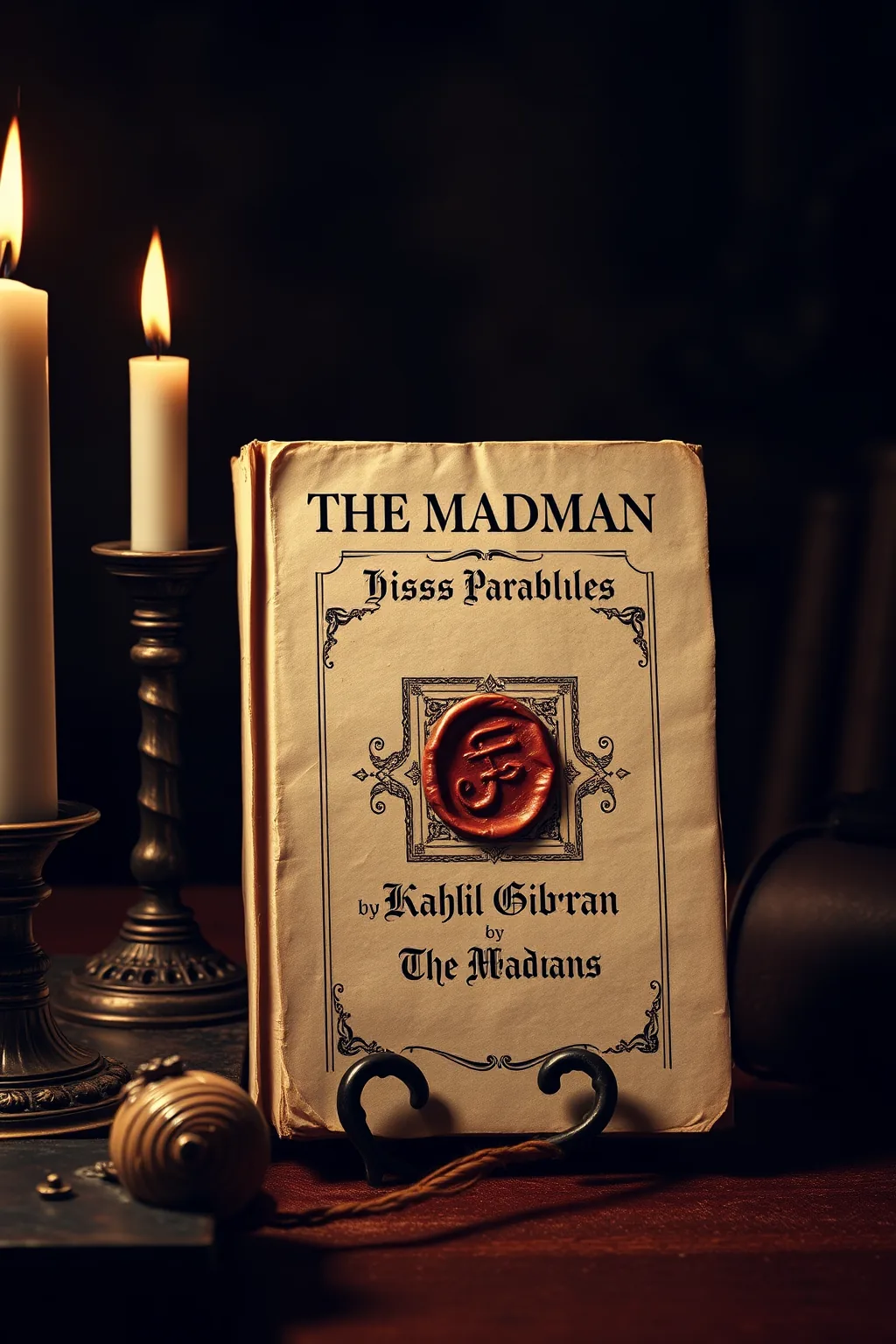
The Madman: His Parables and Poems
 72
72

The Madman: His Parables and Poems



Kahlil Gibran's 'The Madman: His Parables and Poems' is a masterpiece of esoteric literature that continues to captivate readers with its deep spiritual insights and poetic beauty. The book's parables and poems offer a rich tapestry of mystical contemplation, making it an invaluable resource for modern esoteric seekers. Gibran's unique blend of Eastern mysticism and Western thought provides a fresh perspective on spiritual truths, inviting readers to explore the depths of their own souls. The parables are particularly compelling, each one a standalone meditation that encourages introspection and spiritual growth. Gibran's prose is both evocative and thought-provoking, making 'The Madman' a must-read for anyone interested in the occult and mysticism. The book's enduring relevance lies in its ability to transcend time and culture, offering timeless wisdom that resonates with contemporary readers.
📝 Description
72
Kahlil Gibran published 'The Madman' in 1918, presenting a new voice in spiritual literature.
Kahlil Gibran's 1918 work, 'The Madman: His Parables and Poems,' presents a series of allegorical tales and verses. Gibran uses the persona of a madman, one unbound by societal norms, to articulate unconventional spiritual and philosophical ideas. The book questions established beliefs and societal constructs through poetic language and symbolic narratives.
These pieces encourage readers to reconsider their perceptions of sanity, wisdom, and the divine. The madman's perspective offers a lens through which to view the world anew, free from the constraints of conventional thought. The collection addresses themes of freedom, love, and the nature of existence with a direct and often startling clarity.
Published in 1918, 'The Madman' emerged during a period of significant interest in spiritual and philosophical movements beyond mainstream religion. Gibran's work aligns with broader currents of thought that sought direct experience of the divine and questioned materialist philosophies. The book's embrace of paradox and unconventional wisdom echoes aspects found in Sufi mysticism and certain Western esoteric traditions that valued subjective experience and intuition over dogma.
✍️ Author
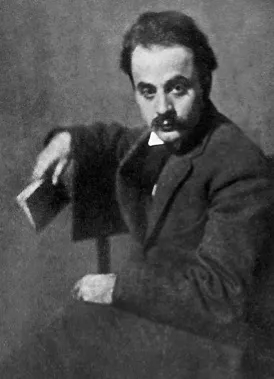
Kahlil Gibran
Lebanese-American writer, poet, and visual artist known for his philosophical essays and poetry.
Mystic
💡 Why Read This Book?
Reading 'The Madman: His Parables and Poems' by Kahlil Gibran today offers a profound journey into the mystical and esoteric dimensions of human experience. This book provides readers with a unique blend of spiritual insights and poetic beauty, making it an invaluable resource for those seeking deeper understanding and personal growth. Gibran's work bridges Eastern mysticism with Western philosophical thought, offering a fresh perspective on spiritual truths. Whether you are a seasoned esoteric seeker or a curious newcomer, 'The Madman' invites you to contemplate the deeper meanings of life and the divine. It is a timeless guide for spiritual enlightenment and self-discovery.
⭐ Reader Reviews
Honest opinions from readers who have explored this book.
❓ Frequently Asked Questions
What is the main theme of 'The Madman'?
The main themes of 'The Madman' include mysticism, spiritual contemplation, and the human condition. Gibran explores the nature of reality, the self, and the divine through poetic parables.
Is 'The Madman' suitable for beginners in esoteric studies?
'The Madman' is accessible to both beginners and experienced esoteric seekers. Gibran's parables are written in a clear, poetic style that invites introspection and spiritual growth.
How does 'The Madman' reflect Kahlil Gibran's cultural heritage?
The book reflects Gibran's rich cultural heritage by blending Eastern mysticism, particularly Sufi influences, with Western philosophical thought. This fusion creates a unique spiritual perspective.
🔮 Key Themes & Symbolism
Spiritual Awakening
The Madman explores the journey of spiritual awakening through parables and poems that study the depths of the human psyche. Gibran's striking prose and strong symbolism invite readers to contemplate deeper truths and seek hidden knowledge, making this a profound meditation on the spiritual path.
Symbolism and Hidden Knowledge
Gibran's use of intricate symbolism and hidden knowledge is a central theme in The Madman. Each parable and poem is a gateway to esoteric insights, challenging readers to look beyond the surface and discover the divine within. This theme is particularly appealing to those interested in the occult and mystical traditions.
Philosophical Reflections
The Madman offers deep philosophical reflections on life, spirituality, and the human condition. Gibran's unique perspective challenges conventional thought and inspires readers to explore new ways of understanding the world and their place in it. This theme is ideal for scholars and seekers of spiritual wisdom.
💬 Memorable Quotes
Direct passages from the work, attributed to the author.
“Your joy is your sorrow unmasked.”
— Gibran's insight into the duality of human emotions highlights the interconnectedness of joy and sorrow, a central theme in mystical literature.
“Work is love made visible.”
— This profound statement emphasizes the transformative power of love and the sacredness of labor, inviting readers to find meaning in their daily efforts.
“Faith is a bird that feels dawn breaking and sings while it is still dark.”
— Gibran's poetic reflection on faith illustrates the resilience and optimism that can guide us through the darkest times, a strong example of hope for spiritual seekers.
💡 Key Ideas
Editorial paraphrase of the work's core concepts — not direct quotes.
A person is a fool to become a writer. His only motivation is a deep sense of insecurity.
This quote underscores the inner struggle and self-doubt that often accompany the pursuit of spiritual and artistic endeavors.
To know the pain of too much knowledge is to be wise.
This quote explores the paradox of knowledge, suggesting that true wisdom comes from experiencing the burdens and blessings of understanding.
🌙 Esoteric Significance
Tradition
The Madman belongs to the Hermetic and Gnostic traditions, which emphasize the pursuit of hidden knowledge and spiritual enlightenment. Gibran's exploration of the divine within and the interconnectedness of all things aligns with these esoteric paths, making his work a valuable resource for practitioners and scholars alike.
Symbolism
Key symbols in The Madman include the madman himself, representing the seeker of truth, and various natural elements like birds and trees, symbolizing freedom and growth. Gibran's use of these symbols invites readers to delve deeper into their meanings and apply them to their own spiritual journeys.
Modern Relevance
The Madman remains relevant today, inspiring modern practitioners of Hermeticism, Gnosticism, and other esoteric traditions. Its timeless wisdom and deep mystical insights continue to influence spiritual seekers, offering guidance and inspiration in an ever-changing world.
👥 Who Should Read This Book
Beginners interested in mysticism will find The Madman an accessible and enriching introduction to esoteric themes. Scholars of mystical literature will appreciate its profound philosophical insights and strong symbolism. Spiritual seekers will be drawn to its journey of self-discovery and spiritual awakening. Practitioners of esoteric arts will find valuable resources and inspiration in its pages.
📜 Historical Context
Kahlil Gibran wrote The Madman: His Parables and Poems during a time of significant cultural and intellectual ferment in the early 20th century. The era was marked by a growing interest in mysticism, occultism, and spiritual exploration, influenced by theosophical movements and Eastern philosophies. Gibran's work reflected this zeitgeist, offering a mix of Western and Eastern spiritual traditions. The book's influence can be seen in the works of later mystics and spiritual seekers, who drew inspiration from its useful insights and strong symbolism.
📔 Journal Prompts
Reflect on a moment of spiritual awakening in your life. How did it change your perspective?
Explore the symbolism of a natural element in your surroundings. What deeper meanings does it hold?
Consider the duality of joy and sorrow in your own experiences. How are they interconnected?
Write about a time when you felt the transformative power of love in your life.
Reflect on the burdens and blessings of knowledge. How has your understanding evolved over time?
🗂️ Glossary
Hermeticism
An esoteric tradition based on the writings attributed to Hermes Trismegistus, emphasizing spiritual alchemy and the pursuit of hidden knowledge.
Gnosticism
An ancient spiritual movement emphasizing personal spiritual knowledge (gnosis) and the divine spark within each individual.
Esoteric
Relating to knowledge that is intended for a small group of people with special knowledge or interests, often involving mystical or occult themes.
Symbolism
The use of symbols to represent ideas or qualities, often employed in literature and art to convey deeper meanings.
Spiritual Awakening
A profound realization or enlightenment that leads to a deeper understanding of one's spiritual nature and connection to the divine.
This book appears in 1 collection
🔮 Readers Also Liked
Browse all →




More by Kahlil Gibran
All books →





From the “Christian Mysticism” Collection
View all →








More Free Mysticism & Contemplation Books
View all →