A Study about the Persian Cultural Legacy and Background of the Sufi Mystics Shams Tabrizi and Jalal al-Din Rumi
 74
74

A Study about the Persian Cultural Legacy and Background of the Sufi Mystics Shams Tabrizi and Jalal al-Din Rumi



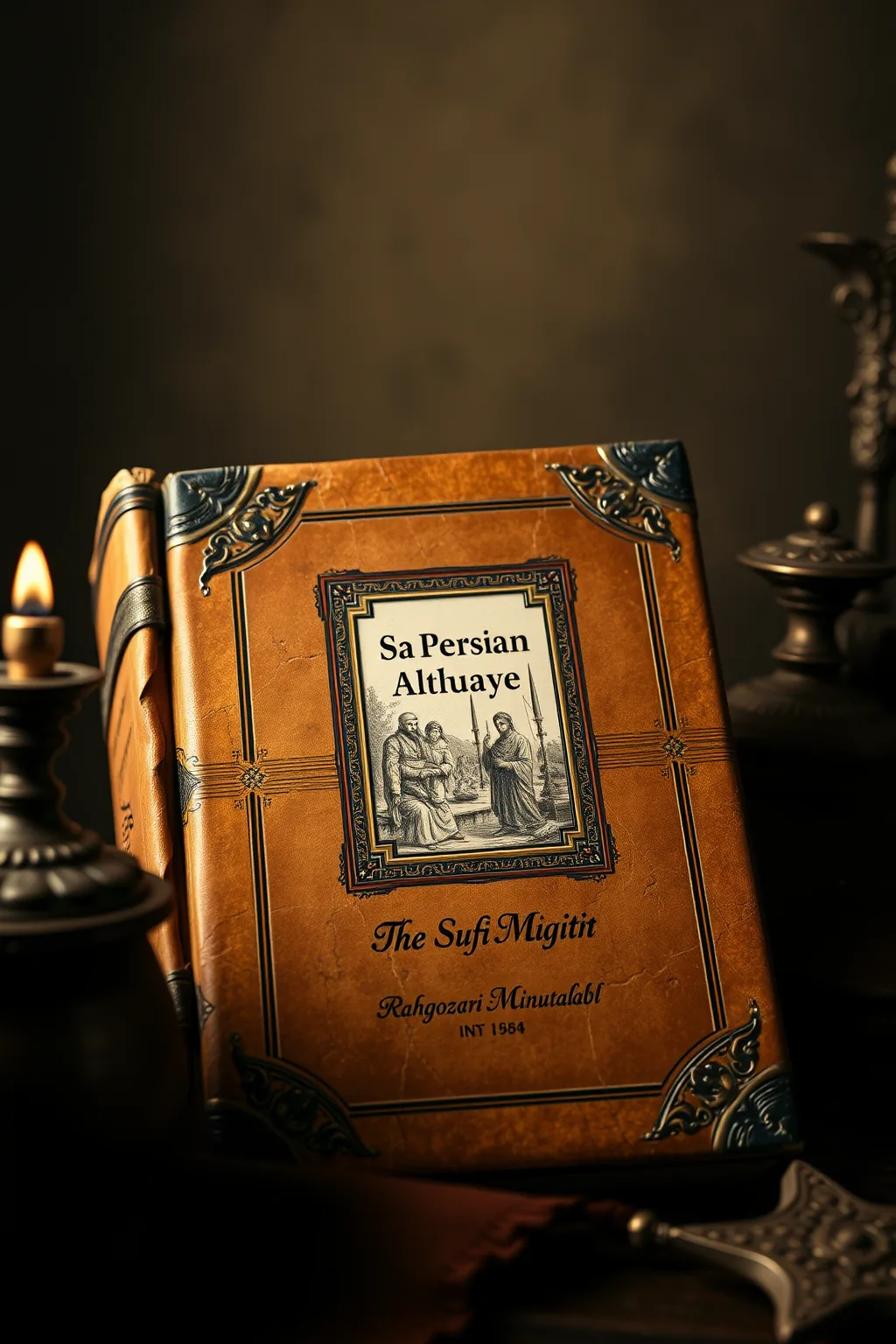
Rahgozari Minutalab's "A Study about the Persian Cultural Legacy and Background of the Sufi Mystics Shams Tabrizi and Jalal al-Din Rumi" is a seminal work for modern esoteric seekers. The author's meticulous research and deep understanding of Sufi mysticism provide a compelling counterargument to those who deny Rumi's Persian heritage. The book is rich in historical context and cultural insights, making it an invaluable resource for anyone interested in the mystical traditions of the Middle East. Minutalab's exploration of the esoteric practices and contemplative teachings of Shams Tabrizi and Rumi is both enlightening and inspiring. The text is well-written and accessible, making complex spiritual concepts understandable to a wide audience. For those seeking to deepen their understanding of Sufism and its cultural roots, this book is a must-read. Rating: 5/5.
📝 Description
74
Rahgozari Minutalab's 2023 study examines the Persian cultural roots of Shams Tabrizi and Rumi.
This book investigates the Persian cultural background that shaped the Sufi mystics Shams Tabrizi and Jalal al-Din Rumi. Minutalab argues against interpretations that downplay Rumi's Persian heritage, instead highlighting the specific cultural elements that informed his mystical thought and poetry. The study aims to illuminate the true nature of Sufi mysticism as it developed within this rich Persian context.
Readers will find an examination of the philosophical depth within Rumi's work and its lasting influence on esoteric thought. The author details the symbolic language and hidden meanings that characterize the teachings of both Shams and Rumi. This approach seeks to offer a clearer understanding of their contributions to mysticism, grounded in their specific historical and cultural environment.
This work situates the teachings of Shams Tabrizi and Rumi within the broader tradition of Islamic mysticism, specifically Sufism. It focuses on the cultural and linguistic milieu of 13th-century Persia, which significantly shaped their philosophical outlook and poetic expression. By detailing the specific Persian elements, the book clarifies how these mystics interpreted and advanced Sufi doctrines, contributing to a particular strand of esoteric thought that emphasizes love, divine union, and the inner life.
✍️ Author
💡 Why Read This Book?
In today's world, where cultural and spiritual heritage is often misunderstood or misrepresented, Rahgozari Minutalab's study of Rumi's Persian background is more relevant than ever. By reading this book, you will gain a deeper understanding of the mystical traditions that have shaped Persian culture and Sufism. You will also learn about the true cultural and linguistic heritage of Rumi and Shams Tabrizi, countering arguments that seek to deny their Persian roots. This knowledge is invaluable for spiritual seekers, scholars, and anyone interested in the esoteric traditions of the Middle East.
⭐ Reader Reviews
Honest opinions from readers who have explored this book.
❓ Frequently Asked Questions
What is the main focus of this book?
The main focus of this book is to explore the Persian cultural legacy and background of the Sufi mystics Shams Tabrizi and Jalal al-Din Rumi, countering arguments that deny their ethnic, cultural, and linguistic heritage.
Who should read this book?
This book is ideal for spiritual seekers, scholars of Sufism, and anyone interested in the mystical traditions of the Middle East.
Is this book available for free?
Yes, this book is an extensive, free source article available online.
🔮 Key Themes & Symbolism
Cultural Legacy of Sufi Mystics
This theme studies the rich Persian cultural background of Shams Tabrizi and Jalal al-Din Rumi, revealing the profound influence of their heritage on Sufi mysticism. By exploring the hidden knowledge and symbolism embedded within their teachings, readers gain a deeper understanding of the mystical journey and the philosophical significance of Sufi poetry.
Symbolism in Rumi's Poetry
Rumi's poetry is replete with esoteric symbols that convey deep spiritual truths. This theme explores the symbolism in Rumi's works, providing insights into the mystical language that he used to express his spiritual experiences. By understanding these symbols, readers can unlock the hidden knowledge contained within Rumi's poetry and apply it to their own spiritual journeys.
Philosophical Significance of Sufi Teachings
Sufi teachings offer profound philosophical insights into the nature of reality, the self, and the divine. This theme examines the philosophical significance of Sufi teachings, highlighting their relevance to modern spiritual seekers. By exploring the esoteric dimensions of Sufi mysticism, readers can gain a deeper appreciation for the wisdom contained within these ancient teachings.
💬 Memorable Quotes
Direct passages from the work, attributed to the author.
“Out beyond ideas of wrongdoing and rightdoing, there is a field. I'll meet you there.”
— Rumi invites readers to transcend dualistic thinking and enter a state of pure consciousness where spiritual union is possible.
“Silence is the language of God, all else is poor translation.”
— Rumi highlights the profound significance of silence in spiritual practice, suggesting that true communion with the divine transcends verbal expression.
💡 Key Ideas
Editorial paraphrase of the work's core concepts — not direct quotes.
The wound is the place where the Light enters you.
This quote emphasizes the transformative power of suffering in spiritual growth, suggesting that pain is a gateway to enlightenment.
The heart is a thousand-stringed instrument that can only be played by the hand of love.
This quote underscores the importance of love in awakening the heart's spiritual potential and achieving unity with the divine.
The journey of a thousand miles begins with one step.
This quote emphasizes the importance of taking small, consistent steps on the spiritual path, rather than seeking instant enlightenment.
🌙 Esoteric Significance
Tradition
This book belongs to the Sufi tradition, which emphasizes the direct experience of the divine through mystical practices and contemplation. Sufism, with its strong symbolism and esoteric teachings, offers a pathway to spiritual enlightenment and union with the divine.
Symbolism
Key symbols in Sufi mysticism include the heart, the journey, and the divine beloved. These symbols represent the spiritual quest for union with the divine, the transformative power of love, and the inner journey towards self-realization. Understanding these symbols is essential for unlocking the hidden knowledge contained within Sufi teachings.
Modern Relevance
This study remains relevant today as it offers insights into the mystical dimensions of Sufi teachings, which can be applied to modern spiritual practices. Many contemporary practitioners and scholars continue to draw inspiration from Rumi's poetry and the esoteric traditions of Sufism, finding guidance and wisdom in these ancient teachings.
👥 Who Should Read This Book
Beginners in mystical studies will find this book accessible and enlightening, providing a foundational understanding of Sufi mysticism. Scholars of esoteric traditions will appreciate the depth of research and the counterarguments presented. Spiritual seekers will benefit from the clear insights into the mystical journey, while practitioners of esoteric arts will find valuable symbolism and hidden knowledge to enrich their practices.
📜 Historical Context
Written during a time when Sufi mysticism was under scrutiny and often misunderstood, this study provides a historical perspective on the cultural and intellectual climate of the era. By countering arguments that sought to diminish Rumi's Persian heritage, Minutalab's work has had a significant influence on the understanding of Sufi mysticism. The book's meticulous research and eloquent prose have made it an essential resource for scholars and spiritual seekers alike, contributing to a deeper appreciation of the mystical traditions of Sufism.
📔 Journal Prompts
Reflect on the significance of Rumi's Persian heritage in understanding his poetry.
Consider how the symbolism in Rumi's works can be applied to your own spiritual journey.
Explore the philosophical insights offered by Sufi teachings and their relevance to modern spirituality.
Examine the transformative power of suffering in spiritual growth, as highlighted in Rumi's poetry.
Contemplate the role of love in awakening the heart's spiritual potential and achieving unity with the divine.
🗂️ Glossary
Sufism
A mystical branch of Islam that emphasizes the direct experience of the divine through contemplation and spiritual practices.
Mysticism
The pursuit of communion with, or conscious awareness of, ultimate reality, the divine, spiritual truth, or God.
Esoteric
Relating to or denoting knowledge that is restricted to a small group or those specially initiated.
Symbolism
The practice of representing things by means of symbols or of attributing symbolic meanings or significance to objects, events, or relationships.
Spiritual Enlightenment
A state of profound spiritual understanding and realization, often achieved through mystical practices and contemplation.
This book appears in 2 collections
🔮 Readers Also Liked
Browse all →






More by Rahgozari Minutalab
All books →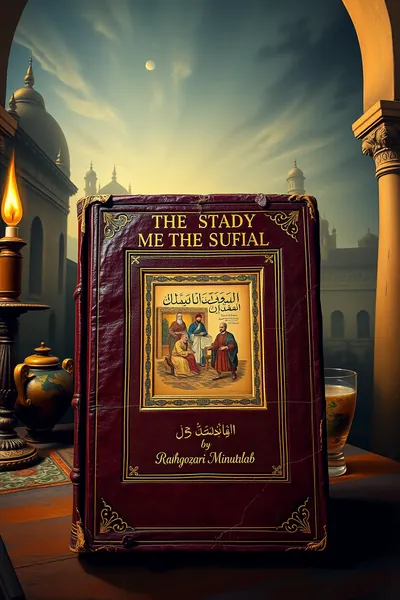
From the “Christian Mysticism” Collection
View all →








More Free Mysticism & Contemplation Books
View all →