The Hiker's Guide to Nature Spirits
 80
80

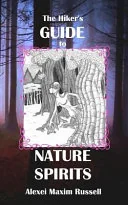
The Hiker's Guide to Nature Spirits
Alexei Maxim Russell’s *The Hiker's Guide to Nature Spirits* attempts to bridge the gap between the mundane act of hiking and the esoteric perception of animating forces within nature. The book’s strength lies in its direct, unpretentious approach, presenting complex animistic ideas in a manner accessible to the uninitiated walker. Russell avoids overly academic jargon, making the concept of nature spirits feel tangible and immediate. A particularly effective section details how to discern subtle environmental cues that might indicate a spirit’s presence, moving beyond mere folklore into practical observation. However, the work occasionally falters in its lack of deeper theoretical grounding. While it provides numerous 'how-to' suggestions, the underlying metaphysical framework could be more robustly explored. The assertion that all hikers *can* meet spirits, if guided, feels somewhat optimistic and may overlook the varied levels of psychic sensitivity. Nevertheless, for those seeking an entry point into practical nature communion, Russell offers a serviceable, if somewhat simplistic, primer.
📝 Description
80
Alexei Maxim Russell published "The Hiker's Guide to Nature Spirits" in 2016, proposing wilderness is alive with unseen entities.
Published in 2016, Alexei Maxim Russell's "The Hiker's Guide to Nature Spirits" considers the natural world not as a static backdrop, but as a living system inhabited by distinct elemental intelligences. The book aims to shift a reader's perception beyond simple observation of scenery, toward recognizing the spiritual presence inherent in natural environments. It functions as a practical guide for individuals who wish to become aware of and engage with these specific types of beings. Russell writes for those who feel a particular pull toward the wild, including contemplative walkers, nature lovers, and students of esoteric lore. The work is suited for anyone curious about animistic beliefs, folklore, or the possibility of spiritual interactions during outdoor activities. Those who have sensed an unusual awareness or had a moment of clarity while in nature will find its advice particularly resonant. It is for people wanting to deepen their connection with the outdoors beyond ordinary recreation.
The text introduces the idea of 'Nature Spirits' as specific intelligences or energies tied to particular places. These are not broad nature gods, but localized, elemental presences found in forests, mountains, streams, and even rocks. A central teaching involves developing the ability to perceive these spirits, suggesting that this awareness is cultivated through focused attention and respect for the natural world. Russell argues that by attuning oneself to the subtle energies of a place, one can begin to recognize its inherent life and the entities that dwell there.
This book appeared in 2016 amidst a renewed interest in animistic thought and folk magic, often labeled neo-paganism or esotericism. This period saw increased academic and public attention to indigenous spiritual practices and a reexamination of Western animist traditions. Russell's work aligns with this trend, offering a practical, accessible entry point. It differs from the more academic or historically dense studies of nature spirits found in earlier 20th-century occultism, such as writings by Dion Fortune.
💡 Why Read This Book?
• Gain practical methods for perceiving subtle energies in natural settings, as detailed in chapters discussing 'perceptivity' and observational techniques, which offer a unique lens for experienced hikers. • Learn specific approaches to interacting respectfully with elemental presences, moving beyond generic appreciation to a more intentional communion, as Russell outlines in his guidance sections. • Explore the concept of localized nature spirits, a distinct focus compared to broader pantheons, providing a framework for understanding the unique spiritual character of specific natural sites like streams or ancient trees.
⭐ Reader Reviews
Honest opinions from readers who have explored this book.
❓ Frequently Asked Questions
What is the primary focus of The Hiker's Guide to Nature Spirits?
The book focuses on helping hikers perceive and interact with nature spirits – unseen intelligences or energies residing in specific natural locations, moving beyond ordinary observation of the environment.
Who is Alexei Maxim Russell and what is his background?
Alexei Maxim Russell is the author of this esoteric guide. While his specific background is not detailed in the blurb, the work positions him as someone knowledgeable in the practical application of nature spirituality.
When was The Hiker's Guide to Nature Spirits first published?
The book was first published on September 4, 2016, reflecting a contemporary interest in animistic and nature-focused spiritual practices.
What kind of spirits does the book discuss?
The book discusses 'nature spirits,' which are presented as localized, elemental presences found in specific natural environments like forests, streams, and mountains, rather than generalized deities.
What does the book suggest hikers can do to connect with nature spirits?
It suggests cultivating 'perceptivity' through enhanced observation, intention, and respectful engagement, offering practical tips for recognizing and interacting with these subtle energies.
Is this book suitable for beginners in esoteric studies?
Yes, the book is designed to be accessible to beginners, offering a practical, less academic introduction to animism and nature spirit interaction for those new to such concepts.
🔮 Key Themes & Symbolism
Animism in Practice
The work champions an animistic worldview, suggesting that natural elements—trees, stones, streams—possess their own consciousness and agency. Unlike purely academic explorations of animism, Russell's guide offers actionable steps for the reader to directly experience this. It encourages a shift from viewing nature as a resource to recognizing it as a community of beings, fostering a sense of reciprocal relationship and respect.
Cultivating Perceptivity
A central theme is the development of 'perceptivity,' a refined state of awareness enabling one to sense the subtle energies of nature spirits. This goes beyond mere visual sight, involving intuition, feeling, and a heightened sensitivity to environmental nuances. The book provides exercises and observational techniques aimed at sharpening this inner faculty, essential for bridging the gap between the mundane and the spiritual dimensions of the natural world.
Respectful Engagement
Russell emphasizes that interaction with nature spirits should be approached with reverence and clear intention. The guide outlines methods for making contact that are not demanding but rather invitational, often involving small gestures of acknowledgment or offering. This ethical framework ensures that the pursuit of spiritual connection aligns with a deep respect for the natural world and its inhabitants, avoiding exploitation or intrusion.
The Wilderness as Sacred Space
The book reframes familiar hiking trails and natural landscapes as potentially sacred sites, imbued with spiritual significance. It teaches readers to look for the unique character of a place and the specific spirits associated with it. This perspective transforms ordinary outdoor excursions into opportunities for profound connection and spiritual exploration, revealing the hidden sacredness within the everyday wild.
💬 Memorable Quotes
Direct passages from the work, attributed to the author.
“The natural world is suffused with spirits.”
— This core assertion posits that life and consciousness extend beyond the human and animal kingdoms into the very fabric of nature, suggesting an unseen, spiritual dimension to all natural phenomena.
“All hikers who wish to meet with the nature spirits can now proceed down that rugged path confidently, guide in hand.”
— This suggests that the book provides practical, reliable methods for encountering nature spirits, empowering the reader with the knowledge and confidence to begin this spiritual quest during their outdoor activities.
“There is always something to savor in the wild places.”
— This highlights the inherent beauty and wonder of nature, serving as an invitation to appreciate the physical world while hinting at the deeper, spiritual joys that await the perceptive observer.
“The joys of hiking are many.”
— This opening statement frames hiking as a fulfilling activity, setting a positive and encouraging tone for the reader's journey into the esoteric aspects of nature exploration.
“To the more perceptive among us, the natural world is suffused with spirits.”
— This distinguishes between ordinary perception and a more attuned awareness, implying that the presence of nature spirits is a reality accessible to those who cultivate specific sensitivities.
🌙 Esoteric Significance
Tradition
This work aligns with animistic and folk magic traditions, particularly those influenced by European nature spirituality and contemporary Paganism. It departs from more formalized Western Esoteric Orders by focusing on direct, personal experience in nature rather than adherence to specific initiatory lineages or complex ritual systems. It democratizes the concept of interacting with the unseen, making it accessible to anyone who walks in the woods.
Symbolism
The book utilizes the natural landscape itself as a symbolic language. Mountains may symbolize endurance and ancient wisdom, while streams represent flow, purification, and constant change. Trees, particularly ancient ones, often symbolize deep connection, rootedness, and the cycle of life. These elements are not merely scenic backdrops but active participants and symbolic representations of the spiritual forces at play.
Modern Relevance
In contemporary practice, *The Hiker's Guide to Nature Spirits* speaks to eco-spiritual movements, nature-based witchcraft, and individuals seeking to deepen their connection to the Earth amidst increasing urbanization and digital saturation. Thinkers and practitioners focused on re-enchanting the world and fostering ecological awareness often draw upon its accessible principles for practical application.
👥 Who Should Read This Book
• Hikers and outdoor enthusiasts who feel a calling for deeper connection with the natural world and wish to explore its spiritual dimensions beyond simple appreciation. • Students of comparative religion and folklore interested in practical animistic practices and the contemporary evolution of nature-based spirituality. • Individuals seeking accessible methods for developing intuition and heightened sensory awareness, looking for tangible ways to perceive subtle energies in their environment.
📜 Historical Context
Published in 2016, *The Hiker's Guide to Nature Spirits* arrived during a period of burgeoning interest in esoteric and animistic philosophies, often fueled by online communities and a renewed appreciation for indigenous worldviews. This era saw a departure from the more rigid, hierarchical occult systems of the early 20th century, favoring more personalized and nature-centric spiritual paths. While figures like Dion Fortune explored elemental beings within a more structured magical framework, Russell's work offers a contemporary, accessible approach. It speaks to a growing segment of the population seeking direct spiritual experience in nature, independent of established religious or occult organizations. The book's reception reflects a broader cultural shift towards valuing direct experience and ecological consciousness over dogmatic adherence.
📔 Journal Prompts
Reflect on the specific qualities of a familiar natural place, considering its unique 'nature spirit' character.
Describe a moment outdoors where you felt a distinct presence; what sensory details contributed to this feeling?
How might cultivating 'perceptivity' change your approach to a typical hike?
Consider the concept of respectful engagement: what gestures or intentions could you offer to the spirits of a forest?
If a stream could speak, what wisdom might its flow impart about impermanence?
🗂️ Glossary
Nature Spirits
Unseen intelligences or elemental energies that inhabit and animate specific natural locations, such as forests, mountains, or bodies of water. They are distinct from generalized deities or human spirits.
Perceptivity
A heightened state of awareness and sensitivity, cultivated through focused observation and intention, enabling the recognition and subtle perception of nature spirits and their energies.
Elemental Beings
Entities associated with the classical elements (earth, air, fire, water) that inhabit and embody the qualities of those elements within the natural world. Often used interchangeably with nature spirits.
Animism
The belief that natural objects, phenomena, and the universe itself possess a spirit or soul, implying consciousness and agency in all aspects of the natural world.
Intentionality
The quality of being deliberate and purposeful; in this context, the conscious direction of one's thoughts and desires towards interacting with nature spirits.
Sylvan
Relating to or characteristic of woods or forest; a descriptive term for natural, wild environments.
Sanctuary
A place of refuge or safety; in this context, a natural location that feels particularly peaceful, sacred, or imbued with protective spiritual energy.
This book appears in 1 collection
🔮 Readers Also Liked
Browse all →








From the “Nature Spirits” Collection
View all →






More Free Occult Philosophy Books
View all →