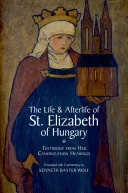
The Life and Afterlife of St. Elizabeth of Hungary
 72
72

The Life and Afterlife of St. Elizabeth of Hungary
The directness of the witness accounts in *The Life and Afterlife of St. Elizabeth of Hungary* is its most striking feature. Unlike later, polished hagiographies, these depositions offer unvarnished, often surprisingly mundane, details alongside accounts of miraculous healing. The translation captures a raw immediacy, presenting Elizabeth not as an ethereal icon but as a woman whose life, ending at twenty-four in 1231, profoundly impacted her contemporaries. One limitation is the lack of extensive critical apparatus beyond the translation itself; readers unfamiliar with 13th-century canonization processes or Franciscan history might desire more contextualization. However, the vivid anecdotes, such as those detailing her charitable works or the specific nature of the reported cures at her shrine in Marburg, provide ample material for reflection. This volume serves as an essential, if unadorned, primary source for understanding medieval sainthood.
📝 Description
72
Witness testimonies from Saint Elizabeth of Hungary's canonization hearings, recorded soon after her 1231 death, are presented here.
This volume offers a scholarly translation of the witness testimonies gathered during the canonization process for Saint Elizabeth of Hungary. These depositions, compiled shortly after her death in 1231 when she was twenty-four, provide a direct look at her life and the miracles attributed to her. The work centers on the raw accounts from individuals who knew her or claimed to have experienced her healing powers, particularly around her shrine in Marburg.
The compilation of these testimonies occurred during a time of increased focus on sainthood within the Catholic Church, especially after the Fourth Lateran Council of 1215 formalized canonization procedures. Saint Elizabeth's life, though brief, quickly inspired veneration. The work originates from the rich context of 13th-century Christian piety, where miracles and saintly examples were central to spiritual life and ecclesiastical authority.
Scholars of medieval hagiography, religious history, and early Franciscan spirituality will find this a valuable primary source. It is also suited for those interested in the development of saintly cults and the criteria for canonization in the 13th century. Readers seeking direct accounts of a medieval saint's life, separate from later devotional writings, will appreciate its unmediated nature.
The veneration of saints and the investigation of miracles have long been central to Christian spiritual traditions. This text, focusing on the immediate aftermath of Saint Elizabeth's death, illuminates the practical and theological processes by which sanctity was recognized and codified in the 13th century. It shows how popular belief, direct testimony, and church procedure intersected to establish a saintly cult, providing insights into how spiritual authority and divine intervention were understood and validated within medieval society.
💡 Why Read This Book?
• Understand the immediate impact of a medieval saint by examining the actual deposition transcripts from her canonization process, offering a direct view of perception following her death in 1231. • Explore the nature of miracle attribution by analyzing the specific healing accounts recorded by witnesses at her shrine in Marburg, revealing early Christian beliefs about divine intervention. • Gain insight into 13th-century hagiographical practices through the direct testimony format, which predates more stylized biographies and showcases the raw evidence presented for canonization.
⭐ Reader Reviews
Honest opinions from readers who have explored this book.
❓ Frequently Asked Questions
What specific period does the testimony in 'The Life and Afterlife of St. Elizabeth of Hungary' cover?
The testimonies primarily focus on the life and miracles of St. Elizabeth of Hungary, who died in 1231. The depositions were gathered shortly after her death to support her canonization process.
Where were the miracles associated with St. Elizabeth of Hungary reportedly occurring?
The original blurb specifically mentions the shrine in Marburg as a site where healing miracles associated with St. Elizabeth were reported and witnessed.
What is the primary source material presented in this book?
The book is a translation and study of the witness testimonies given during the canonization hearings for St. Elizabeth of Hungary, offering firsthand accounts.
How old was St. Elizabeth of Hungary when she died?
According to the book's description, St. Elizabeth of Hungary died at the young age of twenty-four in the year 1231.
What makes the depositions in this book unique compared to other saint biographies?
The depositions offer vivid, direct anecdotes from witnesses at the canonization hearings, providing a less filtered view of her life and attributed miracles than later, more embellished biographies.
Who would benefit most from reading this translation of testimonies?
Scholars of medieval history, hagiography, religious studies, and those interested in the processes of sainthood and early Franciscanism would find this primary source material particularly valuable.
🔮 Key Themes & Symbolism
Witness Testimony & Hagiography
This work centers on the raw deposition transcripts from the canonization hearings of St. Elizabeth of Hungary. Unlike polished devotional literature, these accounts provide unfiltered, often anecdotal, evidence gathered shortly after her death in 1231. The focus is on the direct experiences and observations of witnesses, forming the bedrock of early hagiographical practice for establishing sanctity and documenting miracles. The book explores how these testimonies, particularly those concerning healing at her shrine in Marburg, were used to build the case for her sainthood.
Medieval Sainthood and Canonization
The book explores the processes and perceptions surrounding medieval sainthood, using St. Elizabeth as a case study. Her life, ending at a young age in 1231, prompted a swift examination of her virtue and miraculous intercessions. The depositions reveal the contemporary criteria for sanctity, emphasizing virtuous living and demonstrable miracles. It illuminates the Church's efforts, particularly in the 13th century, to formalize canonization procedures and validate popular devotion through rigorous testimony collection.
Miracles and Divine Intervention
Central to the testimonies are the accounts of healing miracles attributed to St. Elizabeth. The work presents specific instances reported by witnesses, detailing the nature of the afflictions and the purported cures occurring at her shrine in Marburg. This provides direct insight into the medieval understanding of divine intervention in human affairs and the role of relics and saintly intercession in offering solace and physical restoration. The focus remains on the reported phenomena rather than theological interpretation.
Life of St. Elizabeth of Hungary
Beyond the miracle accounts, the depositions offer vivid, though often brief, anecdotes about Elizabeth's life. These glimpses, recorded by those who knew her or observed her actions, paint a picture of her character and charitable works. Though her life was short, ending in 1231, the testimonies highlight the lasting impact she had on those around her, particularly her dedication to the poor and suffering, as documented in the records of her canonization hearings.
💬 Memorable Quotes
Direct passages from the work, attributed to the author.
“Deposition testimony regarding healing miracles at the shrine in Marburg.”
— This highlights the focus on physical cures as evidence of sanctity, a common but powerful element in medieval canonization processes. The specificity of place grounds these extraordinary claims in a tangible location.
“Witnesses recounting anecdotes of Elizabeth's virtuous life and charitable acts.”
— These provide a counterpoint to miracle stories, showing that sainthood was also assessed by moral character and lived devotion, particularly towards the less fortunate.
“The collected testimonies formed the basis for canonization hearings.”
— This emphasizes the book's function as a primary source document, revealing the procedural and evidentiary aspects of declaring someone a saint in the 13th century.
“Elizabeth died at the age of twenty-four in 1231.”
— This stark fact underscores the brevity of her life, making the accounts of her impact and the subsequent miracles even more striking and a evidence of her perceived spiritual significance.
“Accounts describing the immediate aftermath of her death and the beginning of her cult.”
— This points to the rapid development of popular veneration, suggesting a pre-existing or immediately recognized sanctity that drew believers to her shrine.
🌙 Esoteric Significance
Tradition
While St. Elizabeth herself is a figure of Christian hagiography, the study of her life through direct witness testimony touches upon esoteric traditions by examining the raw data of perceived divine intervention and spiritual influence. It aligns with traditions that seek direct experience or evidence of the sacred, bypassing purely dogmatic structures. The focus on miracles and the immediate aftermath of a saint's passing can be interpreted through lenses of subtle energies, spiritual residue, and the power of focused human devotion, often explored in Hermetic and occult studies.
Symbolism
Within the Christian tradition, Elizabeth is a symbol of charity and divine grace. Esoterically, her short life ending in 1231 can represent the rapid manifestation of spiritual potential – a soul burning brightly and briefly. The healing miracles at her shrine in Marburg symbolize the body's capacity for transformation and restoration through spiritual means, a concept explored in various healing traditions. Her association with the poor and suffering can symbolize the divine presence within the marginalized, a recurring theme in Gnostic and certain mystical interpretations.
Modern Relevance
Contemporary esoteric thinkers interested in verifiable phenomena and the power of focused intention might find value in the raw accounts of miracles presented. Practices focused on faith healing, energy work, and the manifestation of physical well-being can draw parallels to the reported cures. Furthermore, the study of historical figures like Elizabeth through direct testimony appeals to those seeking authentic, unmediated accounts of spiritual impact, moving beyond purely historical or theological interpretations to explore the experiential dimensions of sanctity.
👥 Who Should Read This Book
• Students of medieval history and religious studies seeking primary source material on 13th-century canonization practices and saint cults. • Scholars of hagiography interested in the unvarnished accounts of a saint's life and miracles, directly from witness depositions. • Individuals exploring the historical development of miracle narratives and the role of divine intervention in pre-modern Christian belief systems.
📜 Historical Context
The compilation of testimonies for St. Elizabeth of Hungary's canonization occurred in the wake of the Fourth Lateran Council (1215), which sought to standardize the process of sainthood. Her death in 1231 at a young age made her a focal point for intense popular devotion and Church scrutiny. This period, the early 13th century, saw a rise in mendicant orders like the Franciscans, with whom Elizabeth had strong affiliations, and a growing emphasis on verifiable miracles as proof of divine favor. Unlike the more philosophical debates in scholasticism, the assessment of saints like Elizabeth relied on empirical, albeit often subjective, accounts of their lives and miraculous deeds. The shrine in Marburg quickly became a center for pilgrimage, drawing attention and solidifying her cult. Contemporary figures like Francis of Assisi were also undergoing similar processes of veneration, highlighting a broader trend in the Church.
📔 Journal Prompts
The witness testimonies concerning healing miracles at the shrine in Marburg.
Anecdotes of St. Elizabeth's virtuous life and charitable acts.
The process of canonization and the role of deposition records.
Elizabeth's death in 1231 at the age of twenty-four.
The immediate aftermath of her passing and the establishment of her cult.
🗂️ Glossary
Deposition
A formal, often written, statement by a witness taken before trial or hearing, used as evidence. In this context, it refers to the sworn testimonies given during the canonization hearings for St. Elizabeth.
Canonization Hearings
The official judicial process by which the Catholic Church investigates and declares a deceased person to be a saint, based on evidence of their virtuous life and miracles.
Hagiography
The writing of the lives of saints. It often involves biographical details, accounts of miracles, and edifying narratives intended to inspire piety.
Shrine
A place regarded as holy because of its associations with a saint or a sacred event. The shrine in Marburg was a focal point for devotion to St. Elizabeth.
Miracle
An extraordinary event attributed to divine intervention, often involving supernatural or inexplicable healing or other beneficial occurrences.
Testimony
Evidence or proof of something happening. In this context, it refers to the firsthand accounts given by individuals who claimed knowledge of St. Elizabeth's life or experienced her intercession.
13th Century
The period from 1201 to 1300. This era saw significant developments in Church doctrine, practice, and the formalization of saint veneration.