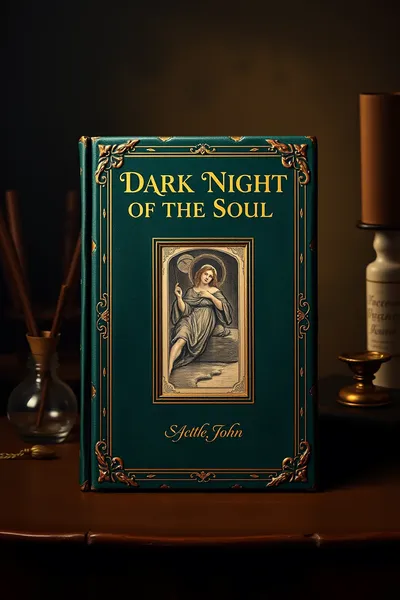
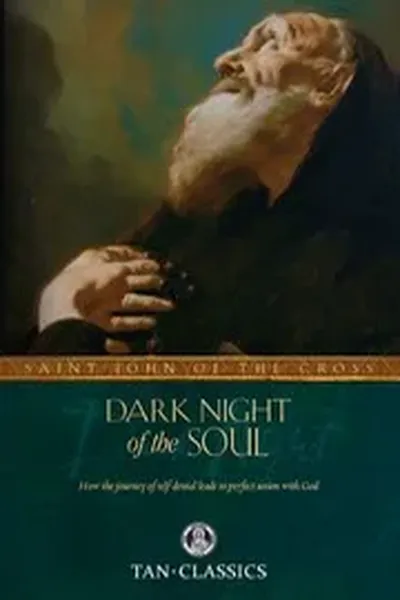
Dark Night of the Soul
 72
72

Dark Night of the Soul
The premise of "Dark Night of the Soul" is its undeniable strength: a Purgatory populated by posthumous demon hunters is a hook that immediately sets it apart. The author, E. Havens, successfully establishes a unique world where suicide attempts in the real world manifest as spiritual vulnerabilities that need defending in the afterlife. I found the initial exposition, delivered through the protagonist's bewildered realization of their predicament, particularly effective. The limitation, however, lies in the pacing; after the compelling setup, the narrative sometimes struggles to maintain momentum, occasionally feeling like it’s treading water between the truly gripping action sequences. A passage where Marsh explains the mechanics of defending "statues" in this Purgatory offers a glimpse into the imaginative world-building, but more of this intricate detail could have elevated the entire experience. It’s a book with a brilliant core idea that doesn’t quite reach its full potential, but it’s an imaginative exploration nonetheless.
📝 Description
72
E. Havens' 2013 novel imagines the afterlife as a battleground for souls seeking redemption.
The narrative begins with an unnamed protagonist awakening in a form of Purgatory after a suicide attempt. This spiritual plane is revealed to be a warzone where souls fight demons. These souls, acting as a fellowship of "demon-fighting superheroes," intervene in the mortal realm. Their mission is to prevent suicides by defending symbolic representations of vulnerable individuals. Success in this spiritual combat offers these souls a chance at a second life or final release.
This work is for readers of speculative fiction that incorporates metaphysical ideas. It addresses themes of redemption, spiritual conflict, and the lasting impact of self-harm. The novel offers a fictional structure for confronting difficult personal issues, blending supernatural elements with existential questions. Readers who enjoy urban fantasy with a darker, more philosophical tone will likely find the book's premise engaging.
Published in 2013, "Dark Night of the Soul" draws on concepts present in theological and mystical traditions concerning purgatorial states and spiritual struggle. While not tied to a specific historical esoteric movement, its depiction of a spiritual realm where souls actively combat demonic forces echoes Gnostic ideas of a material world corrupted by negative spiritual influences and the soul's journey toward purification. The novel's premise aligns with concepts of spiritual intervention and the interconnectedness of the spiritual and material planes found in various occult philosophies.
💡 Why Read This Book?
• Gain a unique perspective on spiritual warfare and redemption, as explored through the concept of "demon-fighting superheroes" in a post-suicide Purgatory, offering a novel fictional framework for existential struggles. • Understand the symbolic connection between the mortal realm and the afterlife, particularly how actions in "Dark Night of the Soul" directly impact vulnerable souls seeking to prevent their own spiritual demise. • Engage with a narrative that challenges conventional notions of the afterlife, presenting a chance to explore the protagonist's quest for a "second chance at life" or a definitive end.
⭐ Reader Reviews
Honest opinions from readers who have explored this book.
❓ Frequently Asked Questions
What is the core premise of E. Havens' "Dark Night of the Soul"?
The book's premise involves a Purgatory where souls who died by suicide become demon-fighting superheroes. They defend symbolic representations of living individuals to prevent further suicides, seeking redemption or an end to their own existence.
What kind of afterlife does "Dark Night of the Soul" depict?
It depicts a unique Purgatory, an active spiritual plane linked to the mortal world. Souls here fight demons, not just for themselves, but to protect vulnerable living individuals from spiritual harm and despair.
What is the goal of the characters in "Dark Night of the Soul"?
The characters aim to earn a "second chance at life" or, alternatively, a definitive end to their spiritual journey. This is achieved by fighting demons and protecting souls in the real world through their Purgatorial actions.
Who are the "demon-fighting superheroes" in this book?
They are souls who have died by suicide and now reside in a Purgatory. They are tasked with a supernatural mission to combat demonic forces that prey on living humans, thereby working towards their own salvation.
What does the "Awesome Indies Seal of Approval" signify for this book?
This award indicates critical recognition for the book's originality and quality within the speculative fiction genre, highlighting its unique premise and execution.
When was "Dark Night of the Soul" first published?
The book was first published on November 26, 2013, placing it within the early 2010s landscape of popular urban fantasy and paranormal fiction.
🔮 Key Themes & Symbolism
Spiritual Warfare in Purgatory
The novel posits Purgatory not as a passive waiting room, but as an active battlefield. Souls, transformed into "demon-fighting superheroes," engage in literal combat against demonic entities. This warfare is directly linked to the mortal realm, where the characters' actions protect the living from despair and spiritual harm. The concept challenges traditional theological views, presenting an interventionist afterlife focused on active atonement and cosmic struggle.
Redemption and Second Chances
Central to the narrative is the pursuit of redemption for souls who ended their lives prematurely. The characters are offered a path toward earning a "second chance at life" or a final, definitive end to their existence. This theme explores the possibility of atonement even after the ultimate act of despair, framing the Purgatorial conflict as a means to confront past actions and strive for a form of spiritual rebirth or peace.
The Interconnectedness of Realms
A core tenet of the book is the direct, causal link between the spiritual plane of Purgatory and the mortal world. The "statues" mentioned represent vulnerable living individuals, and their protection in the spiritual realm directly prevents suicides in reality. This interconnectedness highlights a metaphysical worldview where spiritual battles have tangible, real-world consequences, blurring the lines between life, death, and the ongoing struggle for souls.
Confronting Existential Despair
The book confronts the profound despair that leads to suicide. By placing characters in a post-mortem scenario where they must actively fight against forces that embody despair, it offers a fictional exploration of overcoming such darkness. The narrative suggests that even in the face of ultimate hopelessness, a struggle for meaning and a chance at redemption can persist, even in an unconventional afterlife.
💬 Memorable Quotes
Direct passages from the work, attributed to the author.
“I killed myself. I'm in some kind of Purgatory.”
— This stark declaration immediately grounds the reader in the protagonist's dire circumstances. It establishes the core conflict and the unique, high-stakes premise of the novel concerning suicide and its spiritual aftermath.
“I am now part of a band of demon-fighting superheroes.”
— This phrase captures the novel's genre-bending nature, merging existential themes with a pulp-action sensibility. It highlights the extraordinary and unexpected role souls find themselves in after death.
“We go around saving other people from offing themselves in the real world by protecting their statues in this one.”
— This explains the central mission of the Purgatorial inhabitants. It illustrates the direct, protective action these souls undertake to prevent suicides, demonstrating the interconnectedness of the spiritual and mortal planes.
“All while trying to earn a second chance at life. Or a chance to end it once and for all.”
— This reveals the ultimate stakes for the characters. It presents the dual objectives driving their actions in Purgatory: either a return to existence or a final, complete cessation, defining the core struggle for redemption.
“"That about sums it up." Marsh said, offering a steaming mug of hot c”
— This mundane, almost casual response from Marsh, juxtaposed with the extraordinary revelation, underscores the protagonist's disorientation. It hints at a surreal acceptance of the bizarre reality they now inhabit.
🌙 Esoteric Significance
Tradition
While not explicitly tied to a single established esoteric lineage, "Dark Night of the Soul" draws on concepts resonant with Gnostic and Neoplatonic thought regarding the soul's journey and the struggle against spiritual adversaries. The idea of a Purgatory as an active spiritual plane where souls battle negative forces echoes dualistic themes present in various mystical traditions. It departs from more passive interpretations of Purgatory by positing an active, interventionist role for souls seeking redemption, blending these older ideas with a modern superheroic framework.
Symbolism
The "statues" in the mortal realm serve as potent symbols representing vulnerable souls or aspects of their spirit that require protection from despair. The "demons" embody the forces of existential dread, nihilism, and spiritual attack. The "band of demon-fighting superheroes" symbolizes souls actively engaging in their own atonement and spiritual warfare, transforming personal tragedy into a cosmic crusade for redemption and the protection of others.
Modern Relevance
Contemporary thinkers and practitioners interested in transhumanism, consciousness studies, and speculative theology might find resonance in its portrayal of an active, consciousness-driven afterlife. The novel's exploration of how actions in one realm affect another can inform discussions on interconnectedness and spiritual causality. Furthermore, its unique take on redemption and combating despair speaks to modern psychological and philosophical explorations of mental health and existential meaning.
👥 Who Should Read This Book
• Readers exploring themes of suicide, redemption, and the afterlife: This book offers a unique fictional lens on these sensitive topics, presenting a Purgatory where souls actively fight for a second chance. • Fans of urban fantasy seeking metaphysical depth: Those who enjoy supernatural elements blended with philosophical questions about existence and spiritual struggle will appreciate the novel's imaginative premise. • Individuals interested in alternative spiritual narratives: Readers curious about non-traditional interpretations of Purgatory and the soul's journey, particularly those incorporating elements of spiritual warfare, will find this work compelling.
📜 Historical Context
Published in 2013, "Dark Night of the Soul" by E. Havens entered a literary landscape where urban fantasy and paranormal romance were highly popular, yet it carved out a niche with its distinct metaphysical premise. Emerging in the early 2010s, it wasn't directly aligned with a specific historical esoteric movement like Theosophy or Hermeticism, but it tapped into enduring themes of spiritual struggle and purgatorial states found in older mystical traditions. The "Awesome Indies Seal of Approval" it received suggests a critical appreciation for its originality, setting it apart from more formulaic genre entries. Unlike works that might engage with established occult traditions, Havens' novel presents a contemporary, self-contained mythology of the afterlife. Its reception highlights a reader interest in darker, more philosophical explorations of spiritual existence beyond typical fantasy tropes.
📔 Journal Prompts
The protagonist's discovery of their role as a "demon-fighting superhero" after dying by suicide.
The concept of "statues" in the mortal realm requiring defense in Purgatory.
Marsh's role in explaining the Purgatorial system to the protagonist.
The dual objective: earning a "second chance at life" or a final end.
The nature of the demons and their connection to existential despair.
🗂️ Glossary
Purgatory
In this novel, Purgatory is depicted as an active spiritual plane where souls who died by suicide reside. It serves as a battleground against demons, offering a path to redemption or final cessation.
Demon-fighting superheroes
Souls in Purgatory who have taken on the mission to combat demonic forces. They operate with supernatural abilities to protect vulnerable living individuals in the mortal world.
Statues
Symbolic representations in the spiritual realm that correspond to living individuals in the mortal world. Protecting these statues is crucial to preventing suicides.
Second chance at life
The potential reward for souls successfully completing their missions in Purgatory. It signifies an opportunity to return to existence, presumably in the mortal realm.
Chance to end it once and for all
The alternative outcome for souls in Purgatory, representing a definitive and final cessation of their spiritual existence, distinct from redemption.
Marsh
A character within the Purgatory who serves as a guide or explainer to the protagonist, detailing the rules and nature of their afterlife existence.
Awesome Indies Seal of Approval
A mark of quality and originality awarded to independent books, indicating critical recognition for their merit and distinctiveness within their genre.