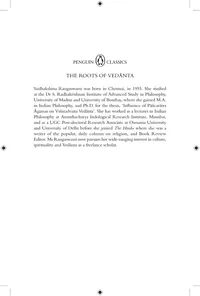
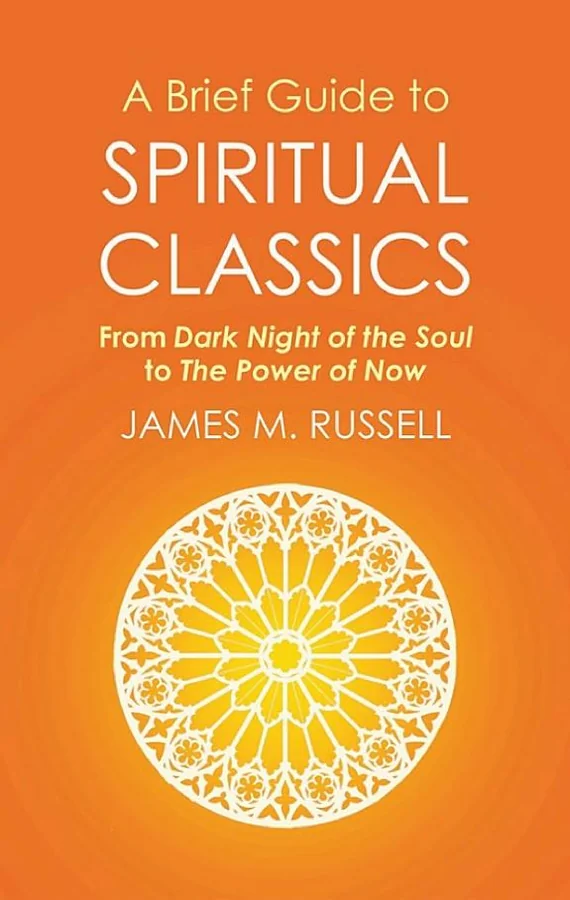
A Brief Guide to Spiritual Classics
 81
81

A Brief Guide to Spiritual Classics
James M. Russell’s *A Brief Guide to Spiritual Classics* offers a welcome, if occasionally uneven, introduction to a vast landscape of devotional and contemplative literature. The strength of the book lies in its broad scope, venturing beyond the confines of purely Christian mysticism to touch upon secular spiritualities and other religious traditions. Russell's treatment of medieval mystics, for instance, provides a clear entry point for those unfamiliar with figures like Meister Eckhart. However, the guide’s brevity sometimes leads to superficiality; its Christian-centric perspective, though acknowledged, occasionally feels like an imposed framework rather than a neutral observation point. A passage discussing the writings of the Quakers, for example, effectively captures their emphasis on inner experience, but the transition to other traditions can feel abrupt. Despite these limitations, the book functions well as a starting point for further reading. It is a useful, if not definitive, survey for the spiritually curious.
📝 Description
81
James M. Russell's 2016 guide introduces readers to essential spiritual writings across traditions.
Published in 2016, A Brief Guide to Spiritual Classics by James M. Russell acts as a clear entry point into a wide range of spiritual literature. The author selected texts for their inspirational qualities, moving beyond narrow religious definitions. The book covers works from Christian traditions, such as medieval mystics and various Protestant and Catholic writers, alongside secular spiritual writings and texts from other world religions. Each section aims to illuminate the core message of the book it discusses.
This guide is for anyone curious about spiritual literature who might feel intimidated by dense theological or philosophical works. It appeals to readers wanting to expand their view of spiritual expression beyond their own immediate religious or cultural background. Those interested in comparing different spiritual ideas, the history of religious thought, or simply finding new ways to reflect and find inspiration will find this book helpful. It is especially suitable for people starting their exploration of spiritual classics.
Russell's guide arrives in a time marked by a growing interest in contemplative practices and interfaith dialogue. The book acknowledges the Christian tradition but also incorporates secular spirituality and non-Christian texts, reflecting a broader cultural move toward pluralism. This contrasts with more exclusive theological surveys. It fits within a history of accessible spiritual collections that aim to connect different belief systems. The work addresses current discussions about what defines 'spiritual' in contemporary society.
💡 Why Read This Book?
• Gain an introduction to the writings of medieval mystics like Julian of Norwich, understanding their specific contributions to Christian contemplative traditions as presented in the book's Christian-focused sections. • Explore the concept of secular spirituality through concrete examples of authors discussed, learning how profound meaning can be found outside traditional religious frameworks, as detailed in Russell’s analysis. • Discover the Quaker emphasis on inner experience, understanding how this specific tradition's approach to spirituality is presented as distinct from other Christian denominations covered.
⭐ Reader Reviews
Honest opinions from readers who have explored this book.
❓ Frequently Asked Questions
What is the primary focus of A Brief Guide to Spiritual Classics?
The book primarily examines a wide range of spiritual writings that can be read for enjoyment or inspiration, including works from Christian traditions, secular spirituality, and other religious traditions. It aims to introduce readers to these classics.
When was A Brief Guide to Spiritual Classics first published?
A Brief Guide to Spiritual Classics was first published on May 19, 2016, by James M. Russell.
Does the book only cover Christian spiritual classics?
No, while written from within the Christian tradition, the book also explores classics of secular spirituality and writings from different religious traditions, aiming for a broader perspective.
Who is the intended audience for this guide?
The guide is intended for readers interested in spiritual literature who may be new to the subject or seeking accessible introductions to various spiritual traditions and classic texts.
What kind of spiritual writings are included?
The book includes writings from medieval mystics, Quakers, Protestant and Catholic evangelists, as well as secular spiritual classics and texts from non-Christian religious traditions.
What is the author's approach to these spiritual texts?
James M. Russell approaches these texts with an aim to explain their essence, offering them for enjoyment or inspiration, and examining them from within a broadly Christian perspective while including diverse traditions.
🔮 Key Themes & Symbolism
Bridging Traditions
This guide's core theme is the expansive definition of 'spiritual classic.' Russell demonstrates that profound spiritual insight isn't confined to a single religious system. By examining medieval Christian mystics alongside secular philosophical texts and other global faiths, the book encourages readers to see connections and common threads in humanity's search for meaning. This inclusive approach, first articulated in the 2016 publication, challenges narrow interpretations of spirituality and highlights the universal appeal of texts that offer solace or wisdom.
The Nature of Spiritual Experience
A central concept is the exploration of diverse forms of spiritual experience. Whether it's the ecstatic visions of a medieval mystic, the quiet contemplation of a Quaker meeting, or the existential reflections found in secular philosophy, Russell highlights the varied ways individuals connect with something larger than themselves. The guide posits that these experiences, though expressed differently, tap into a shared human need for transcendence and understanding, making these classics relevant across different belief systems.
Inspiration Beyond Dogma
Russell argues that spiritual texts can offer inspiration and enjoyment irrespective of strict adherence to their originating doctrines. The guide presents works that resonate on a human level, providing comfort, challenging perspectives, or fostering a sense of awe. This theme is particularly evident in the sections that look beyond Christian traditions, showcasing how philosophical inquiries or wisdom from other cultures can serve a similar spiritual function for a broad audience seeking meaning.
Accessibility of Classics
The guide itself functions as a tool for making complex spiritual literature accessible. By providing brief introductions and explanations, Russell clarifies works that might otherwise seem intimidating. The book's structure, designed for readability, aims to lower the barrier to entry for newcomers to spiritual studies. This emphasis on clarity and conciseness, evident since its 2016 release, makes it a valuable resource for those beginning their exploration of profound texts.
💬 Memorable Quotes
Direct passages from the work, attributed to the author.
“The book examines spiritual writing that can be read for enjoyment or inspiration.”
— This highlights the guide's intention to present spiritual texts not just as theological treatises, but as accessible literature capable of providing aesthetic pleasure and personal upliftment, regardless of the reader's specific faith background.
“It includes classics of secular spirituality and writings from different religious traditions.”
— This points to the guide's inclusive approach, acknowledging that profound spiritual or existential exploration is not limited to established religious doctrines, thus broadening the scope of what constitutes a 'spiritual classic'.
“Written from within the Christian tradition, it offers introductions to medieval mystics.”
— This indicates a primary lens for the guide, focusing on Christian contemplative figures, but it also signals an intention to connect these specific figures to broader themes of spiritual seeking.
“Each book is explained to convey a...”
— This suggests the guide prioritizes clarity and understanding, aiming to distill the core message or essence of each spiritual work for the reader, making complex ideas more digestible.
“While written from within the Christian tradition, it also looks at classics of secular spirituality.”
— This phrase underscores the book's balanced perspective, demonstrating an awareness that spiritual wisdom and profound human experience can be found in both religious and non-religious contexts.
🌙 Esoteric Significance
Tradition
While Russell's work is framed within the Christian tradition, its inclusion of secular spirituality and non-Christian texts places it adjacent to broader esoteric currents interested in comparative mysticism. It engages with the Hermetic principle of 'As Above, So Below' by suggesting that spiritual insights from vastly different sources can illuminate similar human experiences. The guide doesn't strictly adhere to a singular esoteric lineage but rather acts as a bridge, recognizing the shared quest for transcendence found across diverse mystical and philosophical traditions.
Symbolism
The book implicitly engages with the symbolism of the journey or quest, common in many spiritual traditions. By presenting a curated selection of 'classics,' it suggests a path or map for the seeker. Furthermore, the contrast between 'religious' and 'secular' spirituality can be seen as symbolic of the modern tension between institutionalized faith and individual, immanent spiritual experience, a core theme explored in various esoteric schools.
Modern Relevance
In contemporary circles focused on mindfulness, interfaith understanding, and personalized spirituality, Russell's guide remains relevant. Thinkers and practitioners seeking to ground their personal practices in a wider historical and cultural context find value in its accessible introductions to diverse spiritual expressions. Its approach speaks to contemporary movements that emphasize experiential spirituality over strict dogma, making it a useful reference for those exploring paths that draw from multiple traditions.
👥 Who Should Read This Book
• Beginning students of comparative spirituality seeking an accessible overview of influential texts across different traditions. • Individuals interested in Christian contemplative practices who wish to understand their historical context alongside broader spiritual expressions. • Readers exploring secular philosophies or non-Western religions for personal insight and inspiration, wanting a guide that acknowledges these paths.
📜 Historical Context
James M. Russell's *A Brief Guide to Spiritual Classics*, published in 2016, emerged during a period characterized by a resurgence of interest in mindfulness, contemplative practices, and interfaith dialogue. The intellectual climate was marked by a growing awareness of globalization and a desire to understand diverse spiritual perspectives. While the book is explicitly written from within the Christian tradition, its inclusion of secular spirituality and non-Christian religious texts reflects a broader cultural trend toward pluralism that gained significant traction throughout the late 20th and early 21st centuries. This approach positions Russell's work as part of a lineage of accessible spiritual anthologies, contrasting with more dogmatic or exclusively academic surveys. Its publication occurred in an era where authors like Karen Armstrong were also popularizing comparative religion for a general audience, indicating a receptive market for works that bridge religious divides and explore universal themes of human meaning-making.
📔 Journal Prompts
The concept of 'secular spirituality' as presented in the guide.
Medieval mystics: Compare and contrast two figures introduced.
The Quaker emphasis on inner experience: Personal reflections.
Inspiration beyond dogma: Identify a text that offered you unexpected insight.
The author's definition of a 'spiritual classic': Agreement or critique.
🗂️ Glossary
Medieval Mystics
Spiritual writers and theologians from the European Middle Ages (roughly 5th to 15th centuries) known for their deep personal experiences of God and their writings on contemplation and divine union.
Quakers
Members of the Religious Society of Friends, a Christian denomination known for its emphasis on direct experience of God ('Inner Light') and pacifism, often worshipping in silent contemplation.
Secular Spirituality
A personal quest for meaning, purpose, and connection that is not tied to the doctrines or institutions of organized religion, often drawing from philosophy, nature, or humanistic values.
Protestant Evangelists
Individuals within Protestant Christianity who emphasize a personal experience of conversion, the authority of the Bible, and the mission to spread the Christian message.
Catholic Evangelists
Individuals within the Catholic Church who focus on sharing the Gospel message and promoting a personal relationship with Jesus Christ, often with an emphasis on conversion experiences.
Spiritual Classics
Texts considered foundational or highly influential within various spiritual or religious traditions, valued for their wisdom, inspirational content, or useful insights into the human condition.
Contemplative Traditions
Spiritual practices and teachings focused on deep meditation, quiet reflection, and direct experience of the divine or ultimate reality, often emphasizing inner peace and union.
This book appears in 1 collection
🔮 Readers Also Liked
Browse all →







From the “Dark Night of the Soul” Collection
View all →






More Free Sacred Texts & Gnosticism Books
View all →