The A-Z of Tea Leaf Reading
 81
81

The A-Z of Tea Leaf Reading
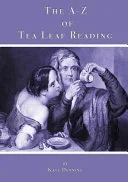
Kate Denning's *The A-Z of Tea Leaf Reading* offers a refreshingly systematic approach to a practice often shrouded in vague mysticism. The book’s strength lies in its organized presentation of symbols, treating them less as arbitrary signs and more as a visual language to be learned. I found the section on interpreting leaf patterns based on their location within the cup—near the rim versus at the bottom—particularly illuminating, providing a concrete framework for analysis. However, the work occasionally leans towards a prescriptive tone, which might limit the intuitive exploration for some readers. While Denning’s personal anecdotes add a layer of authenticity, a deeper engagement with the historical development of specific symbols across different cultures could have enriched the text further. Overall, it serves as a competent and accessible entry point into tasseography for the earnest student.
📝 Description
81
Kate Denning's 2012 book, The A-Z of Tea Leaf Reading, offers a structured approach to tasseography.
This manual approaches the ancient art of tasseography, the interpretation of patterns left by tea leaves or coffee grounds, with a structured methodology. It moves beyond simple superstition to explain how to perform readings and understand the symbolic language found within the cup's residue. The book details common symbols and their significance based on their placement. It is written for anyone interested in divination, particularly those drawn to practices integrated with daily rituals. Students of esoteric arts, psychics looking to broaden their skills, and curious beginners will find value here. The book is accessible to newcomers while still offering depth for those with prior experience in symbolic interpretation or occult studies.
Tasseography, with roots stretching back to ancient Greece and Rome and gaining popularity in Europe with the 17th-century introduction of tea, is a practice found across cultures, including Turkish coffee fortune-telling and British tea leaf reading. Denning's work positions itself within this long tradition, providing a contemporary interpretation of a divination method that predates many formalized systems. The book connects to the broader history of scrying and augury, ancient forms of foretelling.
💡 Why Read This Book?
• Gain a structured method for interpreting tea leaf patterns, moving beyond guesswork by learning specific symbol meanings as detailed in the book's 'A-Z' lexicon. • Understand the significance of symbol placement within the teacup, a key concept explained by Denning that differentiates readings based on proximity to the rim or base. • Develop intuitive reading skills by practicing with the common motifs and techniques presented, allowing you to connect with the ancient art of tasseography as it was understood historically.
⭐ Reader Reviews
Honest opinions from readers who have explored this book.
❓ Frequently Asked Questions
What is Tasseography and how does it differ from other forms of divination?
Tasseography is the practice of divining the future by reading patterns in tea leaves or coffee grounds. It differs from methods like astrology or tarot by relying on residual patterns from consumed beverages, making it an accessible and historically widespread form of everyday divination.
When was 'The A-Z of Tea Leaf Reading' first published?
The book 'The A-Z of Tea Leaf Reading' by Kate Denning was first published in March 2019, making it a relatively recent contribution to the field of esoteric literature.
What kind of tea is best for tea leaf reading?
Loose-leaf teas, particularly those with smaller, broken leaves like black tea, are generally recommended for tasseography. The smaller particles create more distinct patterns than the large leaves or dust found in many tea bags, aiding interpretation.
Are there specific questions one should ask when reading tea leaves?
While general readings are possible, asking specific questions often yields more focused interpretations. The book suggests focusing questions on aspects of life, relationships, or decisions where clarity is sought, allowing the tea leaf symbols to offer guidance.
Can coffee grounds be used for this type of reading?
Yes, the practice of reading coffee grounds, often referred to as 'caffèomancy' or a subset of tasseography, is very similar. The principles of interpreting patterns and symbols remain largely the same, though the texture of the grounds may differ from tea leaves.
What does it mean if there are no leaves left in the cup?
A cup with very few or no leaves might be interpreted in several ways, depending on the tradition. Some believe it signifies a clear path or lack of significant omens, while others might see it as a sign that the question was too vague or the energy for a reading was absent.
🔮 Key Themes & Symbolism
Symbolic Language of Leaves
The core of this work is the systematic cataloging and interpretation of symbols found in tea leaves. Denning presents a lexicon where shapes like birds, serpents, or keys are assigned specific meanings, ranging from journeys and transformations to communication and solutions. The book emphasizes that these symbols are not arbitrary but form a coherent, albeit complex, visual language that can be learned and applied. Understanding the context of each symbol's appearance—its size, clarity, and location within the teacup—is crucial for accurate divination.
The Divinatory Process
Denning outlines a step-by-step process for performing a tea leaf reading, beginning with the selection of appropriate tea and the ritual of brewing. The act of drinking the tea is presented not just as consumption but as a meditative preparation for the reading itself. The subsequent swirling and inversion of the cup are described as crucial actions that gather the symbolic residue, setting the stage for the interpretation phase. This methodical approach grounds the practice, making it accessible to newcomers.
Intuition and Personalization
While providing a structured framework of symbols and techniques, The A-Z of Tea Leaf Reading also underscores the role of the reader's intuition. Denning suggests that the most accurate readings emerge when the reader combines the learned meanings of symbols with their own inner knowing and the specific energies of the querent. The book implicitly encourages readers to develop their psychic sensitivity, recognizing that the tea leaves act as a conduit for both external guidance and the reader's own subconscious insights.
Historical Roots of Tasseography
The work implicitly situates itself within the long history of tasseography, a practice documented across various cultures for centuries. By presenting a modern guide, Denning connects contemporary practitioners to ancient traditions of divination. The book acknowledges the lineage of reading patterns in natural residues, from ancient augury to the popularization of tea drinking in Europe, framing the practice as a continuation of age-old methods of seeking knowledge.
💬 Memorable Quotes
Direct passages from the work, attributed to the author.
“The cup is a mirror, reflecting the currents of your life.”
— This phrase captures the essence of tasseography as presented in the book, suggesting that the patterns formed by tea leaves are not random but symbolic representations of an individual's circumstances, challenges, and potential futures.
“Each symbol, a word; the pattern, a sentence.”
— This highlights Denning's approach: treating tea leaf reading as a form of language. It implies that by learning the vocabulary of symbols, one can construct coherent interpretations and narratives about the future or present situation.
“The rim speaks of the immediate, the base of the deep past or future.”
— This reflects a key interpretive principle in tasseography, where the location of symbols within the cup holds significant meaning. It guides the reader to differentiate between fleeting influences and more profound or enduring aspects of a reading.
“Beyond the dictionary, your intuition is the final arbiter.”
— This highlights the balance between learned knowledge and innate psychic ability. It suggests that while symbols have defined meanings, the reader's personal insight is crucial for a nuanced and accurate interpretation.
💡 Key Ideas
Editorial paraphrase of the work's core concepts — not direct quotes.
Brew with intention, drink with awareness, read with openness.
This paraphrased concept emphasizes the ritualistic and mindful nature of the practice. It suggests that a successful tea leaf reading requires a focused mindset throughout the entire process, from preparation to the final interpretation.
🌙 Esoteric Significance
Tradition
This work fits within the broad category of folk divination and Western esoteric practices, particularly those focused on everyday augury. While not strictly Hermetic or Kabbalistic, it shares the underlying principle of seeking hidden knowledge through symbolic interpretation. Its lineage can be traced through European popular occultism, where practices like scrying, palmistry, and fortune-telling with everyday objects became widespread. The book offers a secularized, accessible version of a practice that historically intertwined with spiritual beliefs.
Symbolism
Key symbols include the Serpent, often interpreted as representing transformation, healing, or hidden knowledge, reflecting its dual nature in many mythologies. The Bird frequently signifies messages, freedom, or travel, echoing ancient auguries. The Tree represents growth, stability, and connection to the spiritual or ancestral realms. These symbols draw on archetypal meanings prevalent across various esoteric traditions and folklore, providing a consistent symbolic language.
Modern Relevance
Contemporary practitioners of mindfulness, self-help, and personal development often engage with practices like tasseography to foster intuition and self-reflection. Thinkers interested in the resurgence of ritual and embodied spirituality find value in such tangible divination methods. The book's accessible format makes it relevant for online communities exploring witchcraft, neo-paganism, and various forms of modern divinatory arts seeking practical guidance.
👥 Who Should Read This Book
• Aspiring diviners seeking a practical, step-by-step guide to learning a specific divination method. • Individuals interested in the history and practice of folk magic and esoteric traditions. • Curious individuals looking for a unique way to gain personal insight or explore symbolic language through everyday rituals.
📜 Historical Context
Kate Denning's *The A-Z of Tea Leaf Reading*, published in 2019, emerges in an era where interest in esoteric practices and divination has seen a resurgence, often fueled by online communities and a desire for tangible, ritualistic practices in a digital age. Tasseography itself has a lineage stretching back centuries, gaining particular popularity in Britain during the 19th century, often alongside spiritualism and other occult interests. Contemporaries like Madame Blavatsky were exploring Eastern mysticism and Theosophy during the late 19th century, a different but parallel current in esoteric thought. While Denning's work is a modern manual, it engages with a practice that predates formalized schools like the Hermetic Order of the Golden Dawn, founded in 1888. Reception of such modern guides typically comes from practitioners and enthusiasts rather than academic circles, focusing on utility and clarity of instruction rather than historical critique or theoretical innovation.
📔 Journal Prompts
The 'Anchor' symbol: What does its presence or absence suggest about your current sense of stability?
Reflect on the 'Bridge' symbol and its potential meaning for a transition you are experiencing.
Consider the 'Serpent' symbol and its interpretation regarding hidden knowledge in your life.
Analyze the placement of any 'Animal' symbols and what they signify about instinct or guidance.
How does the 'Cup' itself, as a vessel, relate to the messages revealed by the tea leaves?
🗂️ Glossary
Tasseography
The practice of divining the future or gaining insight by interpreting patterns formed by tea leaves or coffee grounds in a cup.
Querent
The person for whom a divination reading is performed. In tea leaf reading, the querent's life circumstances are often reflected in the patterns.
Loose-leaf tea
Tea that is not in tea bags, consisting of whole or broken leaves. This type is generally preferred for tasseography as it creates clearer patterns.
Symbols
The shapes and forms left by tea leaves in the cup, each assigned specific meanings or interpretations within the practice of tasseography.
Rim
The upper edge of the teacup. Symbols appearing near the rim are often interpreted as relating to the near future or immediate circumstances.
Base
The bottom of the teacup. Symbols found at the base are typically associated with the distant past, deep-seated issues, or the far future.
Handle area
The side of the cup near where the handle is situated. Symbols here can relate to the querent directly or matters close to them.
This book appears in 1 collection
🔮 Readers Also Liked
Browse all →









From the “Tea Leaf Reading” Collection
View all →



More Free Occult Philosophy Books
View all →