Tea Leaf Reading
 81
81

Tea Leaf Reading
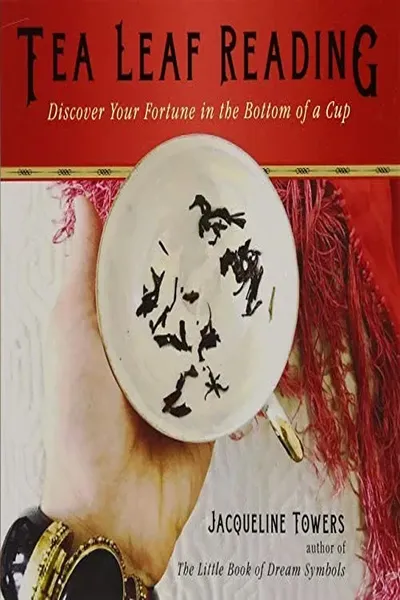
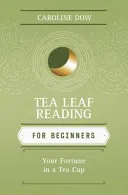
Towers’ "Tea Leaf Reading" succeeds admirably in its aim to make tasseomancy approachable. The author avoids overly mystical jargon, presenting the practice as an intuitive art accessible to anyone with a cup of tea and a willingness to observe. A particular strength lies in the clear, step-by-step instructions, which make the process feel less daunting than one might expect. The section on common symbols, while necessarily brief, provides a solid foundation. However, the book could benefit from a more in-depth exploration of the psychological underpinnings of symbolic interpretation; for instance, how the projection of meaning onto random patterns mirrors cognitive biases or archetypal thinking, a concept touched upon but not fully developed. Despite this, the work offers a practical and charming introduction to a historical form of divination.
📝 Description
81
Jacqueline Towers' 2006 book makes tea leaf reading accessible to modern practitioners.
Jacqueline Towers' "Tea Leaf Reading" offers a straightforward introduction to tasseomancy, the practice of divining meaning from tea leaves. Published in 2006, the book aims to demystify this art, tracing its origins from ancient China and its spread through Romani communities in Europe. Towers presents tea leaf reading not as complex magic, but as a method for introspection and symbolic interpretation, requiring only a cup of tea and a thoughtful approach. The text guides readers through the entire process, from brewing the tea to observing and understanding the patterns left behind.
This guide is intended for anyone curious about divination, especially those new to symbolic interpretation or intuitive practices. It serves as a gentle entry point for beginners in esotericism who might find more elaborate systems daunting. Readers interested in historical divination, comparative mythology, or simply finding a unique way to reflect on their lives will find value. It is also for those who appreciate the ritual of tea and wish to connect with it on a deeper level.
Tasseomancy, the art of reading tea leaves, is a practice with a long history, often linked to folk divination traditions. While its precise origins are debated, its systematic use for prediction became more widespread in Europe from the 18th century onwards, partly through the influence of Romani communities. This method aligns with broader esoteric interests in finding meaning in everyday objects and natural patterns, a form of scrying that predates many formal occult systems. Towers' work situates this practice within a tradition of accessible, intuitive divination.
💡 Why Read This Book?
• Learn the foundational steps of tasseomancy, from brewing the perfect cup for reading to interpreting the specific patterns left behind, as detailed in Jacqueline Towers' practical guide. • Discover the historical journey of tea leaf reading, tracing its origins from ancient China through its popularization by Romani communities in Europe. • Develop personal symbolic language by understanding common tea leaf symbols and practicing intuitive interpretation, fostering a deeper connection with self-reflection.
⭐ Reader Reviews
Honest opinions from readers who have explored this book.
❓ Frequently Asked Questions
What is tasseomancy and where did it originate?
Tasseomancy is the practice of divination by interpreting patterns in tea leaves. Its origins are traced to ancient China, and it later spread through Europe, notably popularized by Romani fortune-tellers.
What kind of tea is best for tea leaf reading?
Loose-leaf black teas, such as Assam or Ceylon, are often recommended because they produce distinct leaf fragments. Avoid teas with fine dust or artificial flavorings that can obscure the patterns.
How long does a tea leaf reading session typically take?
A typical session can take between 15 to 30 minutes, encompassing the brewing of the tea, the drinking, the swirling of the leaves, and the interpretation of the resulting patterns.
Are there specific symbols I should look for in tea leaves?
Yes, the book outlines common symbols like animals, objects, and natural forms, each carrying various interpretations. For example, a bird might signify news, while a tree could represent growth.
Can tea leaf reading predict the future?
Tea leaf reading is often viewed as a tool for self-reflection and gaining insight into current situations and potential future inclinations, rather than a definitive prophecy.
Is a special cup needed for tea leaf reading?
While specific cups were historically used, any plain, round-bottomed teacup without sharp angles works well. The key is a clear surface for the leaves to settle and form interpretable patterns.
🔮 Key Themes & Symbolism
The Art of Tasseomancy
This book positions tea leaf reading, or tasseomancy, as an accessible form of divination with deep historical roots. It moves beyond mere fortune-telling to present it as a method of symbolic interpretation and self-inquiry. The work emphasizes that the practice requires no special tools beyond common tea leaves and a reflective mindset, making it a unique entry point into esoteric practices for beginners. It highlights the ritualistic aspect of preparing and consuming tea as a prelude to divination.
Symbolic Interpretation
Central to the practice is the interpretation of symbols formed by the tea leaves. Towers provides a foundational lexicon of common shapes and their potential meanings, ranging from animals and natural elements to abstract forms. The book stresses the importance of personal intuition in deciphering these symbols, suggesting that the reader's subconscious plays a significant role in perceiving and understanding the patterns revealed in the cup. This focus on subjective meaning distinguishes it from more rigid divinatory systems.
Historical Roots of Divination
The text traces the lineage of tea leaf reading from its presumed origins in ancient China to its widespread adoption across Europe, particularly through the influence of Romani fortune-tellers. This historical context grounds the practice, showing it as a continuous thread in human efforts to seek understanding and guidance through symbolic means. It connects modern practitioners to a long tradition of observing signs and portents in everyday phenomena.
Intuitive Development
Beyond a simple set of rules, "Tea Leaf Reading" encourages the cultivation of intuition. Towers guides readers to develop a personal language with the symbols that emerge, suggesting that the most accurate readings arise from a combination of learned associations and personal resonance. The process of observing the leaves becomes an exercise in heightened awareness and imaginative engagement, fostering a deeper connection with one's inner knowing.
💬 Memorable Quotes
Direct passages from the work, attributed to the author.
“The ancient practice of tasseomancy, or tea leaf reading, originated in ancient China and became popularized throughout Europe by the Romani.”
— This highlights the historical depth and cultural transmission of tea leaf reading. It grounds the practice in specific historical contexts, connecting it to ancient civilizations and the influential role of the Romani people in its dissemination.
“Tea leaf reading is a form of fortune-telling.”
— A straightforward statement defining the primary function of the practice, acknowledging its divinatory purpose. It positions the book as a guide to understanding potential outcomes or gaining insight into circumstances.
“The Romani, who were renowned for their fortune-telling skills.”
— This phrase specifically acknowledges the historical association of the Romani people with divination. It points to their significant contribution to the popularization and practice of various fortune-telling methods, including tasseomancy.
“A fun beginner’s guide to reading the symbols found in tea leaves!”
— This expresses the book's accessible and engaging tone. It clearly targets novice practitioners, promising an enjoyable learning experience focused on the symbolic language inherent in tea leaves.
💡 Key Ideas
Editorial paraphrase of the work's core concepts — not direct quotes.
It is one of the easiest forms of divination to learn—all it takes is tea leaves, some hot water, and a creative mind!
This quote underscores the book's core philosophy: explaining esoteric practices. It presents tea leaf reading as an accessible art, contrasting with more complex or intimidating forms of divination and emphasizing the role of imagination.
🌙 Esoteric Significance
Tradition
Tea leaf reading, or tasseomancy, fits within the broad lineage of sympathetic magic and divination, where patterns in nature or everyday objects are interpreted for guidance. While not strictly tied to a single formal esoteric tradition like Hermeticism or Kabbalah, it shares principles with scrying and other forms of oneiromancy (dream interpretation) and augury. Its strength lies in its accessibility, requiring no complex initiatory rites or extensive theoretical study, making it a practical, folk-magic approach to divination.
Symbolism
Key symbols in tasseomancy often draw from universal archetypes and natural imagery. For instance, the appearance of an 'animal' symbol might relate to primal instincts or specific characteristics associated with that creature (e.g., a snake for transformation, a bird for messages). 'Natural elements' like trees can represent growth and stability, while water patterns might suggest emotional currents. The cup itself, with its sections representing different timeframes or aspects of life, provides a symbolic map for the reading.
Modern Relevance
In contemporary esoteric circles, tea leaf reading appeals to the growing interest in mindfulness, intuitive practices, and self-care rituals. Thinkers and practitioners exploring embodied spirituality or seeking accessible, non-dogmatic forms of divination often turn to tasseomancy. It aligns with modern wellness trends that integrate psychological insight with symbolic interpretation, offering a gentle yet profound method for self-discovery outside of more rigid, traditional systems.
👥 Who Should Read This Book
• Beginners curious about divination seeking a simple, accessible entry point into symbolic interpretation and intuitive practice. • Individuals interested in the history of folk magic and fortune-telling traditions, particularly those with roots in European and Asian cultures. • Those who enjoy the ritual of tea and wish to deepen their connection with this practice by exploring its divinatory potential for personal insight.
📜 Historical Context
Jacqueline Towers' "Tea Leaf Reading" emerged in 2018, a period marked by a resurgence of interest in esoteric practices and folk divination, often fueled by online communities and a desire for personalized spiritual exploration. Tasseomancy, while ancient, found new life alongside other accessible divinatory arts like tarot and astrology. Historically, the practice gained significant traction in Europe during the 18th and 19th centuries, heavily influenced by Romani traditions. This era saw a broader public fascination with fortune-telling, often viewed with a mixture of popular acceptance and scholarly skepticism. Unlike more formalized occult systems like Hermeticism or Theosophy, which had established intellectual frameworks and prominent figures like Helena Blavatsky, tea leaf reading remained largely a folk practice. Its reception was generally positive among those seeking accessible spiritual tools, though it rarely featured in academic discourse of the time, which focused on more established esoteric orders or philosophical traditions.
📔 Journal Prompts
The formation of a specific symbol, such as an 'anchor' or 'key', in your tea leaves.
The narrative flow of symbols appearing from the rim to the bottom of the cup.
The contrast between symbols found on the cup's sides versus those at the base.
A personal association with a common tea leaf symbol like a 'tree' or 'star'.
The overall emotional tone or message conveyed by the patterns in your cup.
🗂️ Glossary
Tasseomancy
The practice of divination by interpreting the patterns of tea leaves, coffee grounds, or wine sediments left in a cup.
Divination
The practice of seeking knowledge of the future or the unknown by supernatural means.
Symbolic Interpretation
The process of understanding the meaning or significance attributed to various shapes, images, or forms observed within the tea leaves.
Loose-leaf Tea
Tea that is not in tea bags, typically consisting of whole or broken tea leaves, preferred for tasseomancy due to clearer patterns.
Romani
A nomadic ethnic group originating from the Indian subcontinent, historically known for their rich cultural traditions, including fortune-telling.
Intuition
The ability to understand something immediately, without the need for conscious reasoning; a key element in interpreting tea leaf symbols.
Augury
A practice of divination, especially the interpretation of omens from the flight of birds, but broadly applied to interpreting signs.
This book appears in 1 collection
🔮 Readers Also Liked
Browse all →









From the “Tea Leaf Reading” Collection
View all →

More Free Occult Philosophy Books
View all →