Simply Tea Leaf Reading
 78
78

Simply Tea Leaf Reading
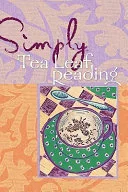
Jacqueline Towers’ Simply Tea Leaf Reading offers a refreshingly direct approach to a practice often shrouded in mystique. Unlike many esoteric texts that can feel dense or overly academic, Towers prioritizes clarity and immediate application. Her explanation of the "elevating" technique – the specific way to stir and swirl the tea before inverting the cup – is particularly well-articulated, providing a tangible starting point for novices. However, the book’s brevity, while a strength for accessibility, can feel like a limitation for those seeking deeper theoretical underpinnings or a more extensive catalog of symbols. The original blurb’s promise of effortless transition from sipper to fortune teller is largely fulfilled, though the interpretive phase naturally requires practice and intuition beyond the book’s direct instruction. It serves as an excellent primer, making tasseomancy approachable without sacrificing its intrinsic symbolic richness.
📝 Description
78
Jacqueline Towers demystified tasseomancy in Simply Tea Leaf Reading, first published in 2008.
Jacqueline Towers' Simply Tea Leaf Reading, published in 2008, serves as a direct guide to the practice of reading tea leaves. The book moves past a simple history to give practical instruction for those wanting to learn. Towers structures the material to take readers from basic interest to a point where they can interpret patterns in tea and coffee residue. It emphasizes that this form of divination, though it may seem complicated, is achievable with clear guidance. The volume is intended for people interested in esoteric studies, especially those drawn to divination methods that came before systems like Tarot. It is a good fit for beginners who find some occult topics intimidating. Readers looking for a practical, intuitive method that does not require special tools beyond common kitchen items will find it useful. It appeals to anyone curious about finding significance in everyday rituals.
This work focuses on teaching the symbolic language of the leaves. Key concepts covered include choosing the right kinds of tea, like loose-leaf black tea with larger leaves, and selecting cups with wider mouths that make observing patterns easier. The book details the specific technique for "elevating" the tea, which involves a particular way of stirring and swirling the cup to form the residues that will be read.
Tasseomancy has a history spanning centuries, with origins often linked to ancient China and later development in European cultures. Towers situates this practice as predating the rise of Tarot in the 18th century. The book reflects a broader interest in folk magic and divination techniques that gained traction in the early 2000s, a time when esoteric knowledge became more accessible through print and online resources. This period saw a renewed appreciation for older, less formalized methods of seeking insight.
💡 Why Read This Book?
• Gain practical skills in tasseomancy, learning the specific "elevating" technique for preparing tea leaves, a method detailed within the book to ensure proper pattern formation. • Understand the importance of selecting specific tea types and cup shapes, as outlined by Towers, which directly impacts the clarity and interpretability of the tea leaf patterns. • Develop an intuitive approach to symbolic interpretation by engaging with the concrete examples of common shapes and their meanings presented in the book, fostering a unique divination practice.
⭐ Reader Reviews
Honest opinions from readers who have explored this book.
❓ Frequently Asked Questions
What is tasseomancy and how does Simply Tea Leaf Reading explain it?
Tasseomancy, or tea leaf reading, is an ancient form of divination. Jacqueline Towers' book explains it as an accessible practice where patterns formed by tea leaves or coffee grounds in a cup are interpreted for symbolic meaning, predating systems like Tarot.
Are there specific types of tea or cups recommended for reading?
Yes, the book emphasizes using loose-leaf teas with larger leaves, as they create clearer patterns. It also suggests cups with wider mouths, which facilitate easier observation and interpretation of the tea leaf residue.
What does the 'elevating' technique involve in tea leaf reading?
The 'elevating' process, as described in the book, refers to a specific method of stirring and swirling the tea. This action is crucial for distributing the leaves evenly before the cup is inverted, preparing the residue for divination.
Is Simply Tea Leaf Reading suitable for complete beginners?
Absolutely. The book is designed to be user-friendly, taking readers from novice to confident interpreter with clear instructions and practical advice, making it ideal for those new to divination or esoteric studies.
When was Simply Tea Leaf Reading first published?
Simply Tea Leaf Reading by Jacqueline Towers was first published in 2008, reflecting a period of renewed interest in traditional divination methods.
Does the book cover reading coffee grounds as well as tea leaves?
Yes, the book addresses both tea leaves and coffee grounds, noting that the principles of tasseomancy can be applied to the residue left by both beverages.
🔮 Key Themes & Symbolism
Accessible Divination
The book champions tasseomancy as an approachable form of foresight, contrasting it with more complex systems. It argues that the practice, far from being arcane, is readily learnable through straightforward instruction. Towers focuses on clarifying the process, emphasizing that anyone can become adept at reading tea leaves with the right guidance, making esoteric practices available to a wider audience interested in self-discovery and symbolic interpretation.
Symbolic Language of Leaves
At its heart, the book explores the rich symbolic vocabulary embedded within the patterns of tea leaves. It guides readers in recognizing common forms – animals, objects, abstract shapes – and understanding their potential meanings within a divinatory context. This theme underscores the idea that everyday elements can hold profound messages, encouraging a mindful engagement with the residual patterns left after a shared ritual.
Ritual and Practice
Simply Tea Leaf Reading emphasizes the importance of ritual in the divinatory process. It details not just the interpretation of symbols but also the practical steps, such as selecting the right tea and cup, and performing the crucial "elevating" technique. This focus highlights how structured actions enhance the practice, transforming a simple act of drinking tea into a meaningful ritual of seeking insight and connection.
Historical Resurgence
The book taps into a contemporary interest in ancient and often overlooked forms of divination. By highlighting tasseomancy as a practice older than Tarot, it positions itself within a broader cultural movement seeking connection with historical wisdom. The 2008 publication date aligns with a period where many individuals began exploring alternative spiritualities and seeking practical, tangible methods of divination.
💬 Memorable Quotes
Direct passages from the work, attributed to the author.
“Reading tea leaves and coffee grounds is relatively easy once you know the secrets.”
— This statement captures the book's core promise: to reveal the 'secrets' of tasseomancy, positioning it as an accessible skill rather than an exclusive art, thereby inviting beginners into the practice.
“Find out which types of teas and cups are advantageous for readings (large leaves are better).”
— This highlights the book's practical, hands-on approach, focusing on the material aspects of the ritual – the tea and the cup – as foundational elements for successful divination.
“How to properly "elevate” the tea (stir with a...”
— This points to a specific, actionable technique taught in the book, emphasizing that the physical manipulation of the tea is a key component in preparing the leaves for interpretation.
“Much older than tarot, tasseomancy (also known as tea leaf reading) is enjoying a much-deserved resurgence.”
— This frames tea leaf reading within a historical context, asserting its antiquity and linking its practice to a contemporary revival of interest in older, perhaps less commercialized, forms of divination.
“This latest volume in the indispensable Simply series takes you from tea sipper to fortune teller almost effortlessly.”
— This emphasizes the book's pedagogical approach, promising a smooth and efficient learning curve for the reader, aiming to quickly empower them with the skills of a fortune teller.
🌙 Esoteric Significance
Tradition
Tasseomancy aligns broadly with the Hermetic principle of correspondence, 'As above, so below,' suggesting that patterns in the mundane (tea leaves) reflect deeper truths or future possibilities. While not strictly Hermetic, Kabbalistic, or Gnostic, it shares the Hermetic emphasis on finding meaning and order within seemingly chaotic systems through symbolic interpretation. Its practical, intuitive nature also appeals to modern eclectic witchcraft and neo-pagan traditions that draw from various sources.
Symbolism
Key symbols in tea leaf reading include common objects, animals, and abstract shapes. For instance, a snake might represent transformation or hidden danger, while a bird could signify news or freedom. The book likely guides readers in interpreting these forms, recognizing that their meaning is often context-dependent and influenced by the reader's intuition and the querent's situation. The arrangement and proximity of symbols are also critical for constructing a narrative.
Modern Relevance
Contemporary practitioners of eclectic witchcraft, intuitive counselors, and those interested in mindfulness and symbolic interpretation often draw upon tasseomancy. The practice's accessibility makes it a popular choice for modern divination groups and self-study, fitting well with a desire for grounded, ritualistic practices that connect the physical act of drinking tea with symbolic insight and personal reflection.
👥 Who Should Read This Book
['• Novice diviners seeking an accessible entry point into esoteric practices, particularly those intimidated by more complex systems like Tarot or astrology.', '• Individuals interested in historical divination methods who want to learn a practical, hands-on technique that requires minimal specialized equipment.', '• Readers exploring symbolic interpretation and mindfulness who wish to find deeper meaning in everyday rituals and everyday objects.']
📜 Historical Context
Published in 2008, Jacqueline Towers' Simply Tea Leaf Reading emerged during a period marked by a significant resurgence of interest in esoteric practices and divination, particularly those with historical roots. Tasseomancy, with its lineage tracing back centuries through various cultures, found a new audience seeking tangible, accessible methods of spiritual exploration. This era saw a growing dissatisfaction with purely materialistic worldviews, leading many to explore alternative spiritualities and practices like folk magic, which often involved interpreting everyday phenomena symbolically. While Tarot gained widespread popularity earlier, books like Towers' tapped into a niche seeking older, perhaps less commercialized, forms of divination. Contemporary authors like Lon Milo DuQuette were also exploring accessible introductions to occult subjects, reflecting a broader trend of clarifying esoteric knowledge for a general audience. Reception was largely positive within circles interested in practical divination, appreciating its straightforward approach.
📔 Journal Prompts
Reflect on the symbolism of the 'snake' or 'bird' as presented in the text.
Consider the historical context of tasseomancy's resurgence around 2008.
Describe your experience with the 'elevating' technique and its effect on leaf patterns.
Analyze the difference between a tea leaf reading and a Tarot spread based on the book's descriptions.
What personal meaning do you assign to the chosen tea and cup for your reading?
🗂️ Glossary
Tasseomancy
The practice of divination by interpreting patterns formed by tea leaves or coffee grounds in a cup. It is also known as tasseography.
Elevating the Tea
A specific ritualistic method of stirring and swirling the tea leaves within the cup before inversion, crucial for distributing the leaves for interpretation.
Loose-leaf tea
Tea that is not in tea bags, typically consisting of whole or broken tea leaves. Preferred for tasseomancy due to clearer pattern formation.
Symbolic Interpretation
The process of assigning meaning to shapes, images, or patterns observed in the tea leaves, based on traditional correspondences or intuitive understanding.
Divination
The practice of seeking knowledge of the future or the unknown by supernatural means. Tasseomancy is one form of divination.
Querent
The person for whom a divination reading is performed. In tea leaf reading, the reader interprets the leaves for the querent.
Residue
The remaining tea leaves or coffee grounds left at the bottom and sides of the cup after the beverage has been consumed and the cup inverted.
This book appears in 1 collection
🔮 Readers Also Liked
Browse all →









From the “Tea Leaf Reading” Collection
View all →




More Free Occult Philosophy Books
View all →