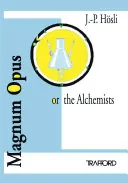
The 5 Wellness Archetypes

 74
74

The 5 Wellness Archetypes
Grazan's "The 5 Wellness Archetypes" offers a refreshingly direct approach to self-understanding, bypassing the often-vague pronouncements of popular psychology. The strength of this work lies in its clear, actionable descriptions of the five archetypes, making it easy for readers to identify themselves and grasp the practical implications. The archetype of "The Rock," for example, is particularly well-rendered, capturing the essence of grounded individuals who can inadvertently become rigid. However, the book occasionally leans towards oversimplification; the distinctness between "The Artist" and "The Visionary," for instance, could benefit from further nuanced differentiation to avoid overlap. Despite this minor quibble, the framework provides a valuable lens for self-reflection. The book serves as a useful diagnostic tool for personal growth.
📝 Description
74
Lisa Grazan's 2019 book, The 5 Wellness Archetypes, categorizes personal energy through five distinct types.
Published in 2019, The 5 Wellness Archetypes by Lisa Grazan offers a system for understanding personal energy and behavior. The book proposes that individuals naturally align with one of five archetypes, which shapes how they approach their well-being, relationships, and daily routines. By identifying one's dominant archetype, readers can gain self-awareness and understand the implications of their tendencies. This framework is useful for those experiencing burnout, interpersonal friction, or a lack of focus. It provides a structured method for interpreting personal inclinations, appealing to readers interested in self-discovery tools that offer more than general advice.
The work is particularly suited for individuals seeking to understand recurring patterns in their personal and professional lives. Those who explore personality frameworks or aim to improve their self-management and emotional intelligence will find its structured approach beneficial. The book aims to provide actionable insights into personal tendencies, moving beyond generic self-help suggestions.
Emerging in 2019, The 5 Wellness Archetypes taps into a sustained cultural interest in archetypal psychology. While not strictly adhering to any single historical school, the book's focus on universal patterns of behavior and consciousness echoes Jungian thought. It offers a distinct system for self-knowledge, presented as an accessible tool for personal development in a landscape populated by various personality typing systems. The work provides a framework for interpreting individual tendencies through archetypal classifications.
💡 Why Read This Book?
• Gain clarity on your core energetic patterns by identifying with one of the five archetypes, such as 'The Pacifist,' and understand its specific impact on your daily life. • Learn targeted strategies for managing personal energy and avoiding burnout, directly applicable to the challenges presented by your dominant archetype. • Develop a deeper understanding of interpersonal dynamics by recognizing how different archetypes, like 'The Transformer,' interact and influence relationships.
⭐ Reader Reviews
Honest opinions from readers who have explored this book.
❓ Frequently Asked Questions
What are the five wellness archetypes described by Lisa Grazan?
Lisa Grazan outlines five wellness archetypes: The Visionary, The Artist, The Transformer, The Pacifist, and The Rock. Each represents a distinct pattern of energy, communication, and interaction with the world.
How does knowing my archetype help me?
Identifying your archetype helps you understand your natural strengths and potential challenges, leading to more effective self-management, improved relationships, and personalized wellness strategies.
Is this book based on any specific psychological theories?
While drawing on general concepts of archetypes, the book presents its own distinct system. It emerged in 2019, reflecting contemporary interest in accessible self-knowledge frameworks.
Can I be more than one archetype?
The book focuses on identifying a primary or dominant archetype, suggesting that most individuals will find one that most closely aligns with their core patterns.
What kind of advice does the book offer?
The advice is tailored to each archetype, offering practical guidance on managing energy, communication, and life stressors to foster greater well-being and balance.
When was 'The 5 Wellness Archetypes' first published?
The book was first published on November 5, 2019.
🔮 Key Themes & Symbolism
Archetypal Self-Knowledge
The central theme revolves around categorizing individual personalities into five distinct archetypes: The Visionary, The Artist, The Transformer, The Pacifist, and The Rock. This framework aims to provide readers with a clear lens through which to view their inherent traits, behavioral tendencies, and natural approaches to life's challenges. It suggests that by understanding one's primary archetype, individuals can gain significant insights into their motivations, strengths, and areas needing development, fostering a more profound self-awareness.
Personalized Wellness Strategies
Moving beyond generic self-help advice, the book tailors wellness recommendations to each of the five archetypes. It explores how The Visionary's expansive thinking might require different energy management than The Rock's need for stability. The goal is to equip readers with actionable strategies that align with their innate patterns, helping them to optimize their physical, emotional, and mental health by working with, rather than against, their core nature.
Energy and Burnout Management
A significant focus is placed on understanding how each archetype interacts with energy levels and susceptibility to burnout. For example, the social 'butterfly' archetype might face different exhaustion triggers than a more solitary 'Transformer.' The book offers insights into recognizing these unique patterns and provides guidance on setting boundaries, pacing oneself, and engaging in restorative practices specific to each archetype's needs to maintain sustainable well-being.
Interpersonal Dynamics
The archetypes also shed light on how individuals relate to others. The book examines the communication styles and potential friction points between different archetypes, such as the 'sharp tongue' often associated with certain energetic types versus the 'pacifist' tendency to avoid conflict. Understanding these dynamics can lead to improved empathy, more effective communication, and healthier relationships by recognizing the underlying archetypal influences.
💬 Memorable Quotes
Direct passages from the work, attributed to the author.
“Are you boundless in your vision, but find it hard to focus on one thing at a time?”
— This question immediately frames the book's purpose: to help readers identify with specific personality patterns that explain common struggles, like creative individuals finding it difficult to execute their many ideas.
“Are you quick to process information, yet have a sharp tongue that can cut others to shreds?”
— This highlights the archetypal approach to communication, suggesting that certain personality types may possess rapid cognitive abilities but struggle with tact, potentially causing interpersonal conflict.
“Or maybe you're a social butterfly, but find yourself burning out easily?”
— This points to the archetype of high social energy, acknowledging that while such individuals thrive in interaction, they are also prone to rapid exhaustion if their energy reserves are not managed carefully.
“These questions (and 20 others) will connect your personality to one of five, time-tested wellness archetypes.”
— This statement emphasizes the diagnostic nature of the book, promising a structured self-assessment leading to the identification of one's primary archetype among the five presented.
“One you discover your archetype, you'll better understand yourself.”
— This expresses the core promise of the book: that identifying with a specific archetype provides a key to unlocking deeper self-awareness and comprehension of one's own behaviors and needs.
🌙 Esoteric Significance
Tradition
While not strictly adhering to a single esoteric lineage, "The 5 Wellness Archetypes" draws from the broad tradition of psychological archetypes, most notably influenced by Carl Jung's analytical psychology. It functions as a modern, secularized interpretation of archetypal theory, making complex psychological concepts accessible to a wider audience. Its departure lies in its specific focus on 'wellness' and the creation of a distinct five-part system, rather than directly engaging with ancient texts or established esoteric orders like the Hermetic Order of the Golden Dawn.
Symbolism
The five archetypes themselves function as symbolic representations of fundamental human energies and patterns. 'The Rock' symbolizes stability, grounding, and resistance to change, akin to earth elements. 'The Visionary' represents expansive thought, intuition, and the area of ideas, perhaps symbolizing air or ether. 'The Artist' embodies creativity, emotional expression, and aesthetic sensibilities, often linked to water or fire. 'The Transformer' signifies change, action, and metamorphosis, embodying potent, dynamic forces. 'The Pacifist' represents harmony, diplomacy, and emotional balance, embodying the principle of equilibrium.
Modern Relevance
This work finds resonance with contemporary coaches, therapists, and individuals engaged in personal growth practices who seek practical, easily digestible frameworks for self-exploration. Its principles can be seen reflected in modern self-development methodologies that emphasize identifying core strengths and patterns to foster resilience and well-being. Thinkers exploring integrated psychology and lifestyle design may find Grazan's archetypes a useful tool for client work or personal application.
👥 Who Should Read This Book
• Individuals feeling stuck or overwhelmed: Those experiencing burnout or confusion about their life path will benefit from identifying which of the five archetypes, like 'The Transformer,' best explains their challenges and offers tailored solutions. • Aspiring coaches and therapists: Professionals seeking accessible frameworks to help clients understand their core patterns and develop personalized wellness strategies will find this book a valuable resource. • Enthusiasts of personality systems: Readers already familiar with frameworks like the Enneagram or MBTI will appreciate this distinct approach to archetypal self-discovery and its practical wellness applications.
📜 Historical Context
Published in late 2019, "The 5 Wellness Archetypes" emerged during a period of heightened interest in self-help and personality frameworks, amplified by digital culture. While not directly tied to specific historical movements like the New Age surge of the 1970s, it taps into the enduring legacy of Carl Jung's work on archetypes, offering a more contemporary and accessible interpretation. The book competes in a crowded market alongside established systems like the Enneagram and various astrological or human design charts. Its reception was largely within niche online communities focused on personal development and esoteric interests, reflecting a broader societal trend towards seeking structured methods for self-understanding in the digital age.
📔 Journal Prompts
The Visionary's tendency towards boundless ideas.
The Rock's innate stability and resistance to change.
Personal patterns related to The Pacifist's approach to conflict.
The Artist's unique creative process and energy needs.
Strategies for managing the burnout potential of The Transformer.
🗂️ Glossary
Archetype
A universally understood symbol, character, or pattern of behavior that forms a template for human experience, often deeply ingrained in the collective unconscious.
The Visionary
An archetype characterized by expansive thinking, creativity, and forward-looking ideas, often struggling with focus and execution on a single project.
The Artist
An archetype driven by aesthetic sensibilities, emotional expression, and creative pursuits, often deeply attuned to sensory experiences and subjective realities.
The Transformer
An archetype associated with change, action, and personal growth, often initiating or embracing significant shifts in oneself or one's environment.
The Pacifist
An archetype focused on harmony, diplomacy, and de-escalation, seeking balance and avoiding conflict, sometimes to the detriment of asserting personal needs.
The Rock
An archetype representing stability, reliability, and steadfastness, often providing a foundation for others but potentially resistant to new ideas or changes.
Wellness
A holistic state of being characterized by physical, mental, emotional, and social well-being, achieved through conscious effort and balance.
This book appears in 1 collection
🔮 Readers Also Liked
Browse all →







From the “Archetypes” Collection
View all →






More Free Occult Philosophy Books
View all →