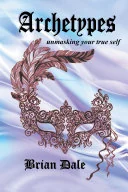
Archetypes: Unmasking Your True Self
 84
84

Archetypes: Unmasking Your True Self
Brian Dale’s *Archetypes: Unmasking Your True Self* offers a practical lens for examining the pervasive patterns that govern our lives. Its strength lies in its accessible presentation of complex psychological concepts, making them digestible for the layperson interested in self-understanding. The detailed descriptions of individual archetypes, from the nurturing Mother to the decisive King, provide concrete anchors for self-reflection. However, the work sometimes leans towards a simplified dichotomy, potentially overlooking the nuanced interplay and fluidity of archetypal expression. A passage detailing the "Servant" archetype, for instance, effectively illuminates the hidden power in service, but could benefit from exploring the shadow aspects of this role more thoroughly. Ultimately, the book serves as a valuable primer for those beginning to explore the archetypal landscape of the psyche.
📝 Description
84
Brian Dale's Archetypes: Unmasking Your True Self presents a system for identifying recurring patterns in human behavior.
This book offers a method for understanding the unconscious forces that shape who we are. Dale suggests that fundamental personality traits are built from recurring patterns of thought, feeling, and action, which he calls archetypes. The text provides a guide to these archetypal figures. By recognizing these patterns in ourselves and in others, the book proposes, we can achieve greater self-awareness and open up possibilities for personal change.
Archetypes is written for individuals engaged in self-reflection and personal growth. Readers looking to understand their motivations, repeated life situations, or relationship dynamics will find the analysis of archetypal influences useful. It addresses those who want to grasp the origins of their perceptions and actions, with the goal of becoming more empowered through self-knowledge.
Building on Carl Jung's concept of universal, inherited psychic predispositions, Brian Dale applies these ideas to contemporary self-discovery. Jung saw archetypes manifest in myths, art, and dreams across cultures. Dale's work offers a modern interpretation of these Jungian principles, placing them within the context of spiritual development and psychological disciplines that continue to study these concepts.
💡 Why Read This Book?
• Gain a structured vocabulary for self-analysis by learning to identify specific archetypes like the Knight and the Hero, enabling you to name and understand recurring patterns in your own behavior as detailed in the book's initial chapters. • Discover actionable strategies for personal transformation by recognizing how archetypes like the Queen or Goddess influence your decision-making, providing practical methods for consciously shifting your internal dynamics. • Understand the psychological underpinnings of your relationships through the lens of archetypal interactions, learning to see the dynamics between figures like the Rescuer and the Servant with new clarity.
⭐ Reader Reviews
Honest opinions from readers who have explored this book.
❓ Frequently Asked Questions
What is an archetype according to Brian Dale's book?
Brian Dale defines archetypes as fundamental aspects of personality, representing recurring patterns of thought, feeling, and action that influence how we perceive ourselves and the world. They are presented as unconscious forces shaping our behavior.
How does the book 'Archetypes: Unmasking Your True Self' help with self-discovery?
The book aids self-discovery by providing a framework to identify and understand personal archetypes. Recognizing these patterns helps individuals comprehend their motivations, strengths, and limitations, paving the way for conscious growth and change.
Can 'Archetypes: Unmasking Your True Self' be used for understanding others?
Yes, the book suggests that understanding archetypes can improve interpersonal dynamics. By recognizing archetypal influences in others, readers can foster greater empathy and more effective communication, as explored through various archetype descriptions.
What is the historical origin of the concept of archetypes discussed in the book?
The concept of archetypes, as explored by Brian Dale, has roots in the work of psychologist Carl Jung, who proposed them as universal, inherited psychic predispositions that manifest in human experience and culture.
What are some examples of archetypes mentioned in the book?
The book mentions archetypes such as the King, Queen, Knight, Rescuer, Mother, Servant, Healer, Priestess, Goddess, and Hero, each representing distinct facets of human personality and behavior.
Is this book suitable for beginners in psychology or self-help?
Yes, the book is structured to be accessible to beginners. It breaks down complex psychological ideas into understandable terms, offering a practical entry point for those new to archetypal psychology and self-exploration.
🔮 Key Themes & Symbolism
Archetypal Identity
This theme examines how individuals identify with specific archetypes, such as the King or the Goddess, shaping their self-perception and life path. The book suggests that our dominant archetypes influence our core beliefs and how we project ourselves into the world. Recognizing these patterns allows for a deeper understanding of personal identity beyond superficial traits, connecting to a universal psychic language that underlies human experience across cultures and eras.
Personal Transformation
The work presents archetypes not as fixed identities but as dynamic forces that can be consciously engaged for personal growth. By understanding the motivations and behaviors associated with archetypes like the Hero or the Healer, individuals can identify areas for development. The book offers insights into how shifting one's relationship with particular archetypes can lead to empowerment, resilience, and the ability to navigate life's challenges with greater wisdom and efficacy.
Unconscious Influences
Central to the book is the exploration of how unconscious archetypal patterns dictate behavior and perceptions. Dale illustrates how these hidden influences, often unrecognized, drive recurring life events and emotional responses. Understanding the archetypal blueprint provides a means to bring these unconscious dynamics into awareness, enabling individuals to break free from limiting patterns and make more conscious choices in their lives.
Interpersonal Dynamics
The book applies archetypal theory to understanding relationships. It posits that our interactions are often guided by the interplay of archetypes within ourselves and others. Recognizing archetypal roles like the Mother or the Servant in social contexts can foster empathy, resolve conflicts, and improve communication. This perspective offers a unique lens for analyzing relationship patterns and cultivating healthier connections.
💬 Memorable Quotes
Direct passages from the work, attributed to the author.
“The answer lies within your personal archetypes.”
— This statement expresses the book's central thesis: that understanding the unique constellation of archetypes within an individual is the key to comprehending their motivations and behaviors.
“Archetypes are an amazing tool for understanding, growth and self-development.”
— This highlights the practical utility of archetypal knowledge, positioning it not just as a theoretical concept but as a powerful instrument for positive personal change and deeper self-awareness.
“Who are you? Are you a King, a Queen, a Knight, a Rescuer, a Mother, a Servant, a Healer, a Priestess, a Goddess or a Hero?”
— This series of questions directly invites the reader to consider their identity through the lens of established archetypes, initiating the process of self-assessment that the book facilitates.
“We all have archetypes. They are aspects of our personality.”
— This emphasizes the universality of archetypes and their fundamental role in constituting the human psyche, presenting them as integral components of one's individual character.
“Are you interested in self-discovery, empowerment or changing your circumstances?”
— This opening question frames the book's purpose, directly addressing common human desires and positioning archetypal understanding as a pathway to achieving them.
🌙 Esoteric Significance
Tradition
While not strictly tied to a single esoteric lineage, Dale's work draws heavily from the psychological branch of esoteric thought initiated by Carl Jung. Jung himself was deeply interested in alchemy, Gnosticism, and Eastern philosophies, seeing archetypes as the psychic scaffolding of these traditions. Dale’s book functions within this modern esoteric framework, which seeks to integrate psychological depth with spiritual understanding, using archetypes as a bridge between the personal psyche and universal patterns.
Symbolism
The archetypes themselves—King, Queen, Hero, Healer—function as potent symbols. The King, for instance, symbolizes order, authority, and structure, echoing Hermetic principles of governance and cosmic law. The Hero represents the journey of individuation and overcoming obstacles, a motif prevalent in shamanic traditions and Gnostic narratives of spiritual ascent. The Priestess often embodies intuition, mystery, and connection to the divine feminine, resonating with goddess traditions and lunar cycles.
Modern Relevance
Dale's work is relevant to contemporary spiritual seekers and psychologists exploring the inner life. Thinkers and practitioners in areas like depth psychology, integral psychology, and even modern witchcraft traditions often reference archetypal concepts. The book provides a foundational understanding for those engaging with modern mythopoetic approaches to personal development and the ongoing exploration of the collective unconscious in the digital age.
👥 Who Should Read This Book
• Individuals new to depth psychology: Readers seeking an accessible introduction to Jungian concepts and their application to everyday life will find Dale's clear explanations of archetypes like the Mother and Servant invaluable. • Personal development enthusiasts: Those committed to self-improvement and understanding their behavioral patterns will gain concrete tools for introspection and change by analyzing their personal archetype constellation. • Comparative mythology and symbolism students: Readers interested in how universal patterns manifest across cultures will appreciate the book's framework for identifying recurring figures and themes in stories and human behavior.
📜 Historical Context
Published in 2017, Brian Dale's *Archetypes: Unmasking Your True Self* arrives in an era where Jungian psychology continues to influence popular self-help and spiritual discourse. The concept of archetypes itself was popularized by Carl Jung in the early 20th century, particularly through his seminal works like *Symbols of Transformation* (1912) and his later essays on the collective unconscious. Dale’s book engages with this legacy, offering a more accessible entry point for a contemporary audience perhaps less familiar with Jung’s dense theoretical framework. It emerges in a landscape populated by diverse psychological and spiritual approaches, including humanistic psychology and various New Age philosophies, all seeking to explain human motivation and potential. While Jung faced critiques from schools like behaviorism, his archetypal theory found enduring resonance in fields like mythology, literature, and art criticism, and continues to be adapted in modern therapeutic and personal growth contexts.
📔 Journal Prompts
The King archetype's influence on your leadership style.
Reflecting on the Rescuer archetype in your relationships.
Identifying personal manifestations of the Healer archetype.
The Goddess archetype and your creative expression.
How the Knight archetype shapes your approach to challenges.
🗂️ Glossary
Archetype
A universal, inherited pattern of thought or imagery derived from the collective unconscious, influencing human behavior and perception. Examples include the Hero, Mother, and King.
King
Represents order, authority, structure, and leadership. This archetype embodies responsibility, fairness, and the establishment of stable systems.
Queen
Symbolizes nurturing, emotional intelligence, diplomacy, and grace. This archetype is associated with connection, relationship building, and maintaining harmony.
Knight
Embodies courage, protection, service, and the pursuit of ideals. This archetype is driven by a sense of duty and the willingness to face adversity.
Rescuer
Characterized by a strong desire to help others, often taking on responsibility for their problems. This archetype seeks to alleviate suffering and provide support.
Servant
Represents humility, service, and dedication to the needs of others. This archetype finds purpose in contributing to the well-being of a community or cause.
Healer
Associated with compassion, restoration, and the alleviation of pain, whether physical, emotional, or spiritual. This archetype seeks to mend and bring wholeness.
This book appears in 1 collection
🔮 Readers Also Liked
Browse all →









From the “Archetypes” Collection
View all →






More Free Occult Philosophy Books
View all →