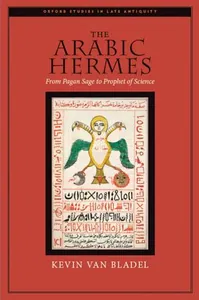
Caroline Myss' Journal of Inner Dialogue
 79
79

Caroline Myss' Journal of Inner Dialogue
Caroline Myss' Journal of Inner Dialogue offers a much-needed analog counterpoint to the digital ephemera of modern note-taking. Its strength lies in its unadorned purpose: to provide a private, physical space for wrestling with the questions Myss poses in her wider body of work. The constraint of paper and ink inherently encourages a slower, more deliberate engagement with one's inner landscape than quick digital jottings. A limitation, however, is its direct dependence on familiarity with Myss's specific terminology and frameworks; newcomers might find the implicit context demanding. The section encouraging users to document their "Power Symbols"—a concept Myss elaborates on in works like 'Sacred Contracts'—is particularly effective, forcing a concrete articulation of personal totems and their significance. Ultimately, this journal functions best as a companion to active study, not a standalone guide.
📝 Description
79
Caroline Myss' Journal of Inner Dialogue, published in 2003, is a blank book for spiritual self-exploration.
Caroline Myss' Journal of Inner Dialogue, first released in 2003, gives individuals a dedicated physical space for self-exploration. This is not a book to read through, but a practical companion to Myss's teachings on intuitive development and personal accountability. The journal's design centers on the idea that real understanding comes from within. Myss suggests a practice of asking oneself questions and uses this journal as a place to record the answers discovered. It prompts a structured approach to introspection, helping users capture developing insights and belief patterns beyond surface thoughts.
This journal is for those already familiar with Caroline Myss's work, perhaps through her books like 'Anatomy of the Spirit' or her workshops. It suits individuals dedicated to self-analysis who want a concrete way to document personal revelations and monitor their spiritual progress. The prompts and layout draw from Myss's research into archetypes and the human energy system. It connects personal experiences to larger patterns of human consciousness and symbolic meaning, urging users to consider these links.
This journal fits within traditions that emphasize direct inner experience and personal gnosis. It aligns with methods that view self-inquiry as a path to spiritual understanding, moving beyond dogma or external authority. The focus on archetypes and the energy system connects it to movements that explore universal human symbols and subtle body energetics as keys to consciousness. It encourages a personal, experiential engagement with concepts often found in Western esotericism and spiritual psychology.
💡 Why Read This Book?
• You will gain a structured method for personal reflection, directly applying Caroline Myss's teachings on self-exploration, a practice she has detailed since at least the early 2000s, which you won't find in generic blank notebooks. • You will develop a tangible record of your spiritual evolution, allowing you to revisit and analyze your insights over time, a benefit unique to this companion journal for her work. • You will deepen your understanding of Myss's concepts like "Power Symbols" by actively documenting and reflecting on them within the context she provides, moving beyond passive reading.
⭐ Reader Reviews
Honest opinions from readers who have explored this book.
❓ Frequently Asked Questions
What is Caroline Myss's Journal of Inner Dialogue?
It is a guided journal published in 2003, designed to accompany Caroline Myss's teachings. It provides space for users to record answers to self-exploration questions and track their personal spiritual growth.
Who is Caroline Myss?
Caroline Myss is a prominent author and speaker known for her work in the fields of spirituality, mysticism, and personal development, particularly her exploration of archetypes and the human energy system.
What are the main benefits of using this journal?
The journal encourages systematic introspection, helps users track their spiritual development, and provides a private space for processing personal insights derived from Myss's self-exploration methods.
Is this journal suitable for beginners to Myss's work?
While beneficial, it is most effective for those already familiar with Myss's concepts and terminology, as it serves as a companion tool rather than an introductory text.
What kind of prompts can I expect in the journal?
Prompts generally focus on self-reflection, personal accountability, and exploring concepts central to Myss's teachings, such as archetypes and personal power symbols.
When was Caroline Myss's Journal of Inner Dialogue first published?
The journal was first published in 2003, aligning with a period of significant growth in the self-help and spiritual development sectors.
🔮 Key Themes & Symbolism
Personal Accountability
This journal emphasizes the core Myssian principle of personal accountability. It frames spiritual growth not as something passively received, but as an active process requiring conscious engagement with one's choices, beliefs, and actions. The journal prompts users to critically examine their life circumstances, viewing them not as random occurrences but as reflections of their inner state and the agreements they have made, consciously or unconsciously.
Archetypal Patterns
Drawing from Myss's extensive work, the journal implicitly guides users to recognize and understand the archetypal patterns influencing their lives. These universal human motifs, common across cultures and mythologies, are presented as keys to unlocking deeper self-awareness. By journaling about personal experiences, users are encouraged to identify which archetypes are most active in their psyche and how these forces shape their destiny.
Intuitive Development
The act of inner dialogue itself is a primary method for developing intuition. This journal provides a structured framework for listening to one's inner voice, distinguishing between ego-driven thoughts and authentic intuitive guidance. Through consistent practice of answering the journal's questions, users cultivate a stronger connection to their inner wisdom, learning to trust their gut feelings and inherent knowing.
Sacred Contracts
While not explicitly a book on Sacred Contracts, the journal serves as a practical tool for exploring the concept. It prompts reflection on the nature of one's life path and the relationships and challenges that arise. Users are guided to consider the purpose behind their life's journey and the spiritual lessons inherent in their personal circumstances, aligning with Myss's ideas about predetermined spiritual agreements.
💬 Memorable Quotes
Direct passages from the work, attributed to the author.
“Keep track of the answers to those questions.”
— This is a direct instruction from the original blurb, highlighting the journal's function as a physical record for the self-exploration questions posed in Myss's other works, emphasizing its role as a companion tool.
“Look deep inside yourselves.”
— An interpretation of Myss's core teaching, this phrase captures the journal's purpose: to facilitate deep introspection and self-examination, moving beyond superficial understanding to uncover core beliefs and motivations.
“The journal offers users the perfect tool.”
— This statement positions the journal not as a source of new information, but as an optimized instrument for applying Myss's existing methodologies for personal growth and spiritual inquiry.
“Urges her followers to look deep inside themselves.”
— This captures Myss's pedagogical approach, indicating that the journal is designed to support her active guidance and encourage a committed practice of self-awareness among her audience.
“Answering self-exploration questions.”
— This phrase directly describes the primary activity the journal is designed for, underscoring its interactive nature and its role in facilitating a structured dialogue with oneself.
🌙 Esoteric Significance
Tradition
Myss's work, and by extension this journal, draws heavily from a syncretic esoteric tradition that incorporates elements of Christian mysticism (particularly Gnostic and Pauline interpretations), Jungian archetypal psychology, and general New Age thought. It departs from strict adherence to any single lineage, instead creating a personal synthesis focused on practical application for contemporary Western individuals seeking meaning and spiritual development outside traditional religious structures.
Symbolism
The journal implicitly engages with symbolism through its prompts encouraging the identification of personal 'Power Symbols.' These function as modern totems or talismans, representing core energies, archetypes, or spiritual guides. Users are prompted to explore the meaning and influence of these symbols in their lives, connecting personal iconography to the broader symbolic language found in mythology, religion, and the collective unconscious.
Modern Relevance
Contemporary practitioners of self-discovery, spiritual coaching, and energy healing often reference Myss's work. Her emphasis on archetypes and personal accountability continues to influence coaches and therapists who integrate psychological and spiritual perspectives. The journal's analog format also speaks to a growing movement seeking to disconnect from excessive digital engagement and reconnect with more tangible, embodied practices of reflection and self-awareness.
👥 Who Should Read This Book
• Devoted students of Caroline Myss's teachings seeking a structured companion to her books and workshops, enabling them to actively engage with and record their insights. • Individuals interested in practical applications of archetypal psychology and personal mythology, who wish to document their own symbolic landscape and life patterns. • Seekers committed to rigorous self-reflection and personal accountability, who require a dedicated physical space to process complex inner dialogues and track their spiritual evolution.
📜 Historical Context
Published in 2003, Caroline Myss's Journal of Inner Dialogue emerged during a period of burgeoning interest in New Age spirituality and self-help methodologies. Myss herself had gained significant traction in the preceding decade with works like 'Anatomy of the Spirit' (1996), which blended concepts from various spiritual traditions with her unique framework of archetypes and personal power. The early 2000s saw a proliferation of journals and workbooks designed to complement popular spiritual authors, catering to a public eager for practical tools to apply abstract teachings. Myss's approach, rooted in a blend of Catholic mysticism, Gnosticism, and Jungian psychology, stood apart from more mainstream self-help gurus of the era. While figures like Deepak Chopra focused on meditation and mindfulness, Myss emphasized personal accountability and archetypal analysis. The journal's existence reflects a broader cultural shift towards valuing introspection and conscious living, a trend that continued through the 2000s and beyond.
📔 Journal Prompts
Document your current understanding of your primary Power Symbols.
Reflect on a recent challenge through the lens of personal accountability.
Explore the intuitive guidance received during a specific self-exploration exercise.
Identify the archetypal patterns emerging in your relationships.
Record the evolving answers to your most persistent self-exploration questions.
🗂️ Glossary
Inner Dialogue
The internal conversation one has with oneself, encompassing thoughts, beliefs, assumptions, and intuitive guidance. Myss emphasizes the importance of consciously directing this dialogue towards self-understanding and growth.
Personal Accountability
The principle that individuals are responsible for their own lives, choices, and circumstances. It involves recognizing one's power to influence outcomes rather than blaming external factors.
Archetypes
Universal, primal symbols or themes that emerge from the collective unconscious, influencing human behavior and perception. Examples include the Hero, the Mother, the Trickster.
Power Symbols
Personal symbols, images, or figures that hold significant energetic or spiritual meaning for an individual, often acting as guides or representations of inner strengths and potentials.
Self-Exploration Questions
Inquiries designed to stimulate introspection and uncover deeper truths about oneself, one's beliefs, motivations, and life path, as posed in Myss's teachings.
Intuition
The capacity to understand or know something instinctively, without the need for conscious reasoning. Myss views it as a vital inner guidance system.
Sacred Contracts
The unwritten spiritual agreements and purpose that guide an individual's life journey, including the relationships and challenges encountered along the way.
This book appears in 1 collection
🔮 Readers Also Liked
Browse all →









From the “Archetypes” Collection
View all →









More Free Occult Philosophy Books
View all →