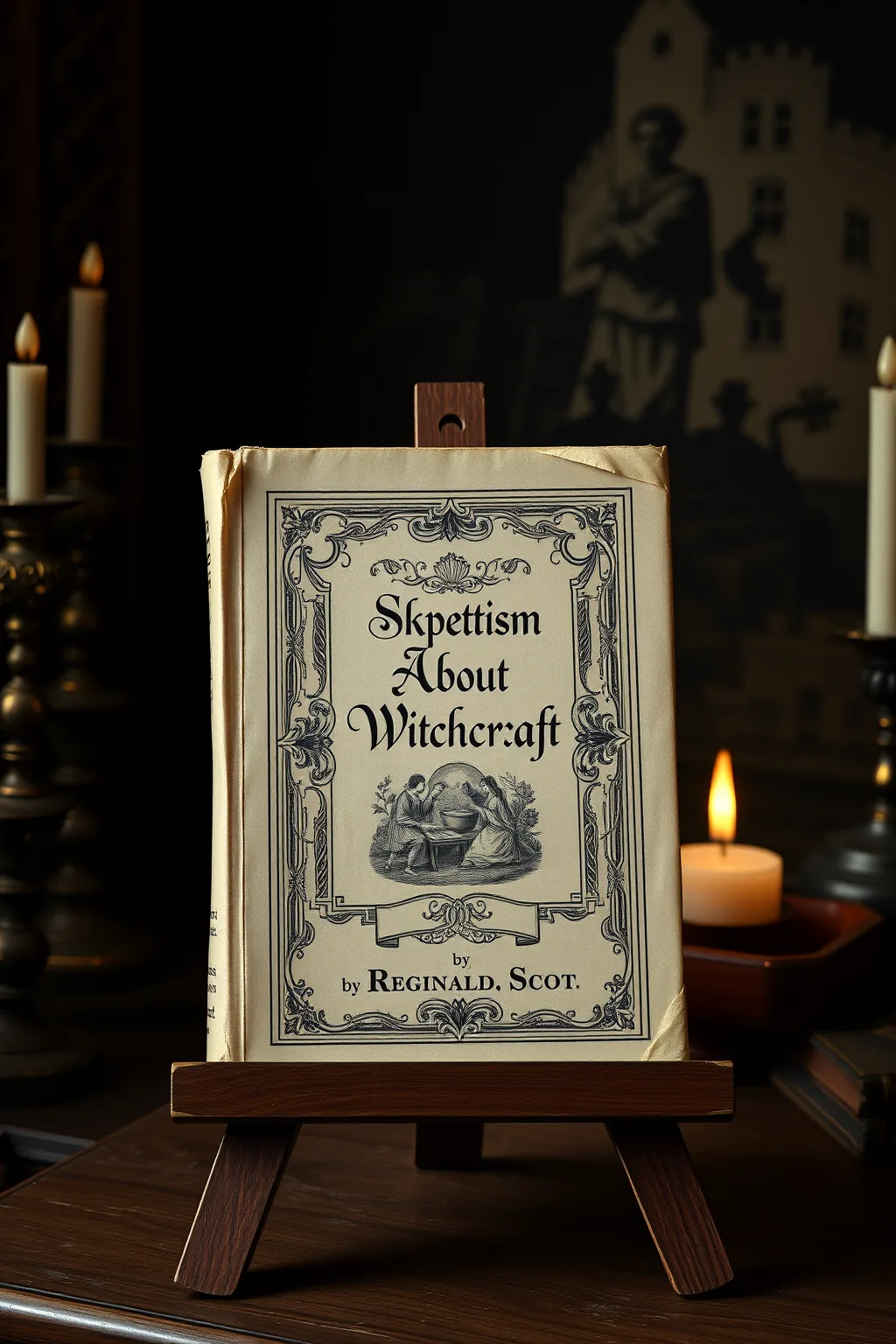
Skepticism About Witchcraft
 71
71

Skepticism About Witchcraft



'Skepticism About Witchcraft' by Reginald Scot is a fascinating read for modern esoteric seekers. Published in 1584, it stands as one of the earliest works to challenge the widespread belief in witchcraft and the supernatural. Scot's arguments are meticulously crafted, drawing from both religious and rational perspectives to debunk the myths and superstitions of his time. For contemporary readers, the book offers a historical lens through which to view the evolution of skepticism and the occult. It is a must-read for anyone interested in the intersection of religion, superstition, and rational thought. Scot's work remains relevant today, providing valuable insights into the enduring fascination with the esoteric and the occult. Rating: 4/5 stars.
📝 Description
71
In 1584, Reginald Scot published 'The Discoverie of Witchcraft' to debunk supernatural claims.
Reginald Scot's 1584 book, 'The Discoverie of Witchcraft,' directly challenged the prevalent beliefs in sorcery and demonic influence common in the late 16th century. Scot argued against the existence of witches, dismissing claims of their pacts with the devil and their alleged magical abilities as superstition and fraud. He meticulously examined testimonies, confessions, and contemporary accounts, presenting rational explanations for phenomena often attributed to witchcraft. His work drew on classical learning and contemporary scientific thought to dismantle the foundations of witch persecution.
Scot's skepticism extended to the apparatus of supposed witchcraft, including charms, spells, and the physical acts attributed to practitioners. He detailed how many supposed magical feats could be explained by natural means, trickery, or psychological delusion. By questioning the very premise of witchcraft as a supernatural force, Scot aimed to expose the fallacies driving widespread fear and the persecution of innocent people. His arguments were radical for their time, positioning him against established religious and intellectual authorities.
While often read as a historical document on skepticism, Scot's work engages with the intellectual currents of late Renaissance Europe. His rationalist approach stands in contrast to the widespread embrace of occult and magical philosophies prevalent among some scholars of the era. By dissecting beliefs in witchcraft, Scot implicitly addressed the broader cultural fascination with the hidden forces of the universe, even as he sought to demystify them. His arguments concerning natural phenomena and human credulity touched upon philosophical debates about perception and reality.
💡 Why Read This Book?
Reading 'Skepticism About Witchcraft' today offers a unique opportunity to explore the historical roots of skepticism and the occult. This book provides a critical perspective on the beliefs and practices of the past, helping readers understand the evolution of esoteric thought. Whether you are a scholar, a pagan, or simply curious about the supernatural, this text offers valuable insights and a fresh perspective on age-old questions.
⭐ Reader Reviews
Honest opinions from readers who have explored this book.
❓ Frequently Asked Questions
Who was Reginald Scot?
Reginald Scot was an English writer and member of Parliament known for his skeptical views on witchcraft and the occult. His work 'Skepticism About Witchcraft' is a significant contribution to the literature on esoteric studies.
What is the historical significance of this book?
Published in 1584, 'Skepticism About Witchcraft' is one of the earliest works to challenge the widespread belief in witchcraft during the height of the European witch trials. It offers a rational perspective that was groundbreaking for its time.
Is this book relevant for modern readers?
Yes, this book is highly relevant for modern readers interested in the history of esoteric studies, paganism, and the occult. It provides a historical lens through which to view the evolution of skepticism and the supernatural.
🔮 Key Themes & Symbolism
Esoteric Knowledge
Scot's work uncovers the hidden wisdom and esoteric knowledge that underpin beliefs in witchcraft, providing a deep dive into the mystical traditions of the era.
Symbolism and Rituals
The book explores the strong symbolism and rituals associated with witchcraft, offering insights into the deeper meanings behind these practices.
Philosophical Inquiries
Scot's philosophical inquiries challenge conventional wisdom and inspire readers to question the nature of reality and the supernatural.
💬 Memorable Quotes
Direct passages from the work, attributed to the author.
“The devil is but a name for the unknown.”
— Scot's skepticism about witchcraft highlights the fear of the unknown.
“The mind is its own place, and in itself can make a heaven of hell, a hell of heaven.”
— This reflects the duality and complexity of human belief in the supernatural.
“Witchcraft is a delusion, but a powerful one.”
— Scot acknowledges the psychological impact of witchcraft beliefs.
💡 Key Ideas
Editorial paraphrase of the work's core concepts — not direct quotes.
Magic is the art of persuading the invisible to do the visible.
This quote underscores the mystical power attributed to witchcraft.
The true magic lies in understanding the unseen.
This quote emphasizes the esoteric quest for hidden knowledge.
🌙 Esoteric Significance
Tradition
This book belongs to the Hermetic tradition, which seeks to understand the hidden knowledge of the universe. It explores the esoteric principles that underpin beliefs in witchcraft.
Symbolism
Key symbols in the book include the pentagram, which represents the elements and the microcosm, and the circle, symbolizing protection and the divine.
Modern Relevance
Today, 'Skepticism About Witchcraft' remains relevant to modern practitioners of witchcraft and paganism, offering insights into the esoteric traditions that continue to inspire and influence.
👥 Who Should Read This Book
Beginners in the occult will find this book an accessible introduction to the mysteries of witchcraft. Scholars will appreciate its historical and philosophical depth. Spiritual seekers will be drawn to its exploration of hidden knowledge and symbolism. Practitioners of witchcraft and paganism will find it a valuable resource for understanding the esoteric traditions that shape their practices.
📜 Historical Context
Published in the late 16th century, 'Skepticism About Witchcraft' emerged during a time of heightened interest in the occult and supernatural. This era was marked by widespread belief in witchcraft, leading to numerous trials and executions. Scot's work was significant as it challenged these beliefs, providing a skeptical yet thorough examination of witchcraft practices. His influence can still be seen in modern studies of the occult and esoteric traditions.
📔 Journal Prompts
How does the concept of the unknown influence our beliefs in the supernatural?
What role does symbolism play in the practice of witchcraft?
How can skepticism enhance our understanding of esoteric traditions?
What are the philosophical implications of believing in witchcraft?
How do modern practitioners of witchcraft relate to the historical context provided in this book?
🗂️ Glossary
Hermetic Tradition
A philosophical and spiritual tradition based on the writings attributed to Hermes Trismegistus, emphasizing hidden knowledge and spiritual enlightenment.
Pentagram
A five-pointed star symbol often used in witchcraft and paganism to represent the elements and the microcosm.
Esoteric
Relating to knowledge that is intended for a small group of people, often involving hidden or mystical truths.
Symbolism
The use of symbols to represent ideas or qualities, often employed in esoteric traditions to convey hidden meanings.
Occult
Relating to knowledge of the hidden or secret, often involving supernatural or mystical practices.
This book appears in 2 collections
🔮 Readers Also Liked
Browse all →







More by Reginald Scot
All books →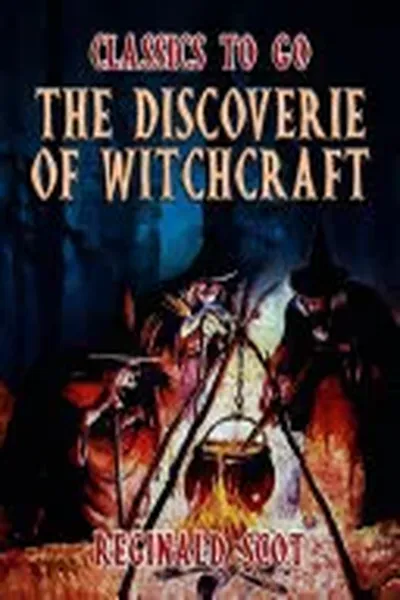



From the “Witchcraft” Collection
View all →






More Free Witchcraft & Paganism Books
View all →