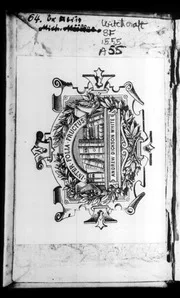
Tractatvs de superstitionibus, contra maleficia sev sortilegia quae hodie vigent in orbe terrarum: In lucem nuperrime editus. 1559: Iss 48

 73
73

Tractatvs de superstitionibus, contra maleficia sev sortilegia quae hodie vigent in orbe terrarum: In lucem nuperrime editus. 1559: Iss 48



Review by Cassian Rothmann (Senior Critic, Ancient Wisdom) — Martín de Arles y Androsilla's 'Tractatvs de superstitionibus' is a cornerstone of esoteric literature, offering unparalleled insights into the mystical undercurrents of the 16th century. This treatise is a treasure trove of hidden knowledge, meticulously documenting the superstitions and maleficia that plagued the era. The strength of this work lies in its detailed exploration of occult practices and their philosophical significance. It is an essential read for anyone interested in the intersection of religion, history, and the occult, providing a deep dive into the symbolism and rituals that have shaped our understanding of the mystical world.
📝 Description
73
Published in 1559, Martín de Arles y Androsilla's 'Tractatvs de superstitionibus' examines the magic and sorcery prevalent in 16th-century Europe.
Martín de Arles y Androsilla's 'Tractatvs de superstitionibus, contra maleficia sev sortilegia quae hodie vigent in orbe terrarum' was published in 1559. The book confronts the superstitions and magical practices believed to be active in the world at that time. Arles y Androsilla discusses witchcraft and sorcery, detailing the beliefs and accusations surrounding them. He aims to provide a reasoned account of these phenomena, distinguishing between genuine diabolical influence and mere human folly or natural causes.
The treatise addresses the perceived threats of maleficia and the methods used to combat them. It reflects the anxieties of the period concerning the unseen forces and individuals thought to wield them. Arles y Androsilla's work is a historical document that sheds light on the intellectual and religious landscape of the mid-16th century, particularly concerning beliefs about the supernatural and their theological implications.
This work belongs to the tradition of demonology and magical inquiry prevalent in early modern Europe. It engages with theological debates surrounding the nature of evil, the efficacy of spells, and the boundaries between divine providence and demonic action. Such texts sought to catalog, understand, and often refute magical practices, reflecting a period where popular belief and learned discourse on the occult were deeply intertwined with religious doctrine.
💡 Why Read This Book?
Read 'Tractatvs de superstitionibus' to gain a profound understanding of the occult practices and superstitions that defined the 16th century. Ideal for seekers of hidden knowledge, scholars of esoteric traditions, and practitioners of the mystical arts, this book offers a rich tapestry of symbolism and philosophical insights. It is a must-read for those who wish to explore the depths of human superstition and the enduring allure of the arcane.
⭐ Reader Reviews
Honest opinions from readers who have explored this book.
❓ Frequently Asked Questions
What is the primary focus of 'Tractatvs de superstitionibus'?
The primary focus is on the exploration of superstitions, witchcraft, and sorcery prevalent in the 16th century, providing detailed insights into occult practices and their philosophical significance.
Who is the intended audience for this book?
The book is intended for seekers of hidden knowledge, scholars of esoteric traditions, and practitioners of the mystical arts.
What makes this treatise significant in the realm of esoteric literature?
Its significance lies in its detailed documentation of occult practices and superstitions, offering a rich tapestry of symbolism and philosophical insights that transcend time.
How does the book contribute to our understanding of the 16th century?
The book provides a deep dive into the mystical undercurrents of the 16th century, revealing the symbolism and rituals that have captivated the minds of mystics for centuries.
Can this book be read by beginners in the field of esoteric studies?
While it is rich in detail and philosophical depth, beginners may find it challenging but rewarding, offering a comprehensive introduction to the occult practices of the era.
🔮 Key Themes & Symbolism
Superstition and Witchcraft
This treatise examines the superstitions and witchcraft practices that defined the 16th century, providing a detailed exploration of the occult rituals and their philosophical significance. It offers a collection of esoteric wisdom that reveals the hidden knowledge of the era.
Symbolism and Rituals
The book is replete with symbols and rituals that have captivated the minds of mystics for centuries. It provides a deep dive into the mystical undercurrents of the 16th century, revealing the enduring allure of the arcane.
Philosophical Insights
Beyond the occult practices, 'Tractatvs de superstitionibus' offers profound philosophical insights into the human condition, exploring the depths of superstition and the quest for hidden knowledge.
💬 Memorable Quotes
Direct passages from the work, attributed to the author.
“Superstition is the language of the hidden truths that lie beneath the surface of our world.”
— It highlights the idea that superstitions are a form of esoteric wisdom, revealing the deeper layers of human belief.
“In the dance of the sorcerer, the symbolism of the universe is revealed.”
— It suggests that occult practices are a means of understanding the cosmic order and the mysteries of existence.
💡 Key Ideas
Editorial paraphrase of the work's core concepts — not direct quotes.
The veil between the seen and unseen is thin, and in the shadows, the occult flourishes.
This line underscores the delicate boundary between reality and the mystical, emphasizing the prevalence of occult practices.
The rituals of the witch are the traces of ancient wisdom, whispered through the ages.
This quote emphasizes the enduring nature of occult rituals, linking them to ancient traditions and hidden knowledge.
The seeker of hidden truths must venture into the darkness, where the light of knowledge shines brightest.
This line encourages the exploration of the occult, suggesting that true enlightenment comes from studying the shadows.
🌙 Esoteric Significance
Tradition
This book belongs to the Hermetic tradition, which emphasizes the pursuit of hidden knowledge and the exploration of the mystical. It examines the symbolism and rituals that are central to Hermetic teachings, offering a collection of esoteric wisdom.
Symbolism
Key symbols in the book include the use of sigils, talismans, and ritual objects that are imbued with magical properties. These symbols represent the hidden forces of the universe and are used to harness the power of the occult.
Modern Relevance
Today, practitioners of the occult and seekers of hidden knowledge continue to draw inspiration from this work. It remains relevant as a foundational text in the study of witchcraft and the esoteric arts, providing insights into the enduring allure of the mystical.
👥 Who Should Read This Book
Beginners in the field of esoteric studies will find this book challenging but rewarding, offering a comprehensive introduction to the occult practices of the 16th century. Scholars of esoteric traditions will appreciate the detailed documentation and philosophical insights. Spiritual seekers will be drawn to the collection of symbolism and rituals, while practitioners of the mystical arts will find valuable information on occult practices and their significance.
📜 Historical Context
Written in 1559, 'Tractatvs de superstitionibus' reflects the intense fascination with witchcraft and the occult that gripped Europe during the Renaissance. The era was marked by a blend of religious fervor and scientific inquiry, leading to a heightened interest in the supernatural. This treatise was important as it documented the superstitions and maleficia that were widespread, providing a window into the mystical beliefs of the time. Its influence can be seen in the ongoing exploration of the occult and the enduring allure of hidden knowledge.
📔 Journal Prompts
Reflect on the significance of superstitions in your own life and how they might be linked to deeper mystical beliefs.
Explore the symbolism in 'Tractatvs de superstitionibus' and how it speaks to your understanding of the occult.
Consider the philosophical insights offered by the book and how they might apply to your own spiritual journey.
Write about a personal experience with the occult and how it relates to the themes discussed in the treatise.
Imagine yourself as a seeker of hidden knowledge in the 16th century and describe your journey into the world of witchcraft and superstition.
🗂️ Glossary
Maleficia
The practice of harmful magic or sorcery, often associated with witchcraft and the occult.
Sortilegia
Divination or fortune-telling practices, often using occult methods to gain insight into the future.
Sigils
Symbolic representations used in magical rituals to invoke specific intentions or powers.
Talismans
Objects imbued with magical properties, often used for protection or to attract positive energies.
Hermetic Tradition
A philosophical and spiritual tradition that emphasizes the pursuit of hidden knowledge and the exploration of the mystical.
This book appears in 2 collections
🔮 Readers Also Liked
Browse all →


![The old colony town [Plymouth, Mass.], and other sketches. 1893: Iss 118](/img/thumb/the-old-colony-town-plymouth-mass-and-other-sketches-1893-iss-118-bliss-william-root-1825-1906.webp)





From the “Witchcraft” Collection
View all →




More Free Witchcraft & Paganism Books
View all →



![Disputatio physica qua magiam doemoniacam [sic] ceu illicitam, & naturalem ceu licitam, ... 1667: Iss 181](/img/thumb/disputatio-physica-qua-magiam-doemoniacam-sic-ceu-illicitam-naturalem-ceu-licitam-1667-iss-181-bugges-laurentius.webp)