Shaolin Nei Jin Qi Gong
 72
72

Shaolin Nei Jin Qi Gong
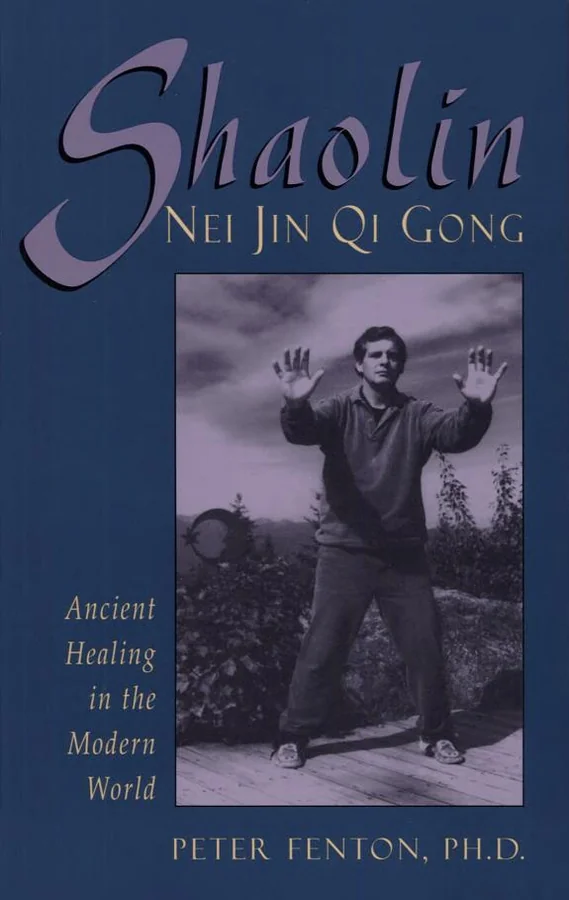
Peter Fenton's *Shaolin Nei Jin Qi Gong* offers a direct transmission of a specific energy cultivation system, bypassing much of the New Age vernacular that often surrounds similar topics. Its strength lies in its unadorned presentation of the Shaolin monks' internal practices, grounding them in a monastic, rather than purely therapeutic, context. The descriptions of the movements, while functional, could benefit from more detailed anatomical or energetic explanations for those less familiar with Qi Gong principles. A particularly striking element is the emphasis on generating 'Nei Jin,' a concept that distinguishes this practice from more superficial energy exercises. While the book serves as a valuable primer on this specific Shaolin form, it may leave advanced practitioners searching for deeper theoretical exposition. Nevertheless, *Shaolin Nei Jin Qi Gong* provides a clear, actionable introduction to a potent monastic energy art.
📝 Description
72
Peter Fenton's Shaolin Nei Jin Qi Gong details a specific internal cultivation lineage from the Shaolin Temple.
This book explains Shaolin Nei Jin Qi Gong, a method of internal energy development originating from the Shaolin Temple. The practice combines specific movements, controlled breathing, and focused intention to cultivate internal strength, referred to as 'Nei Jin.' Unlike external martial arts, Nei Jin Qi Gong prioritizes the growth of internal power and vital energy for improved health, longevity, and spiritual advancement. The text notes the transmission of this practice to the West from Beijing in the mid-1980s.
The work is suited for those interested in esoteric practices, traditional Chinese medicine, and martial arts philosophy. It will appeal to Qi Gong practitioners seeking a connection to a specific monastic tradition, as well as individuals interested in energy cultivation for physical health or spiritual growth. Readers with an interest in the historical background of Shaolin Temple practices will also find this book valuable. The core concepts include the cultivation of 'Nei Jin' through forms that integrate breath, intention, and movement, and the understanding of the body's energetic pathways.
Shaolin Nei Jin Qi Gong draws from centuries of Chinese internal alchemy and energy cultivation, aligning with Taoist and Buddhist principles. Its roots are in the ancient monastic practices of the Shaolin Temple, established in the 5th century CE. This system connects physical discipline with the development of internal vitality, reflecting a broader esoteric tradition that seeks to harmonize mind, body, and spirit. The practice emphasizes cultivating 'internal strength' through specific forms that synchronize breath, intention, and physical action, tapping into the body's energetic meridians.
💡 Why Read This Book?
• Learn the fundamental principles of Shaolin Nei Jin Qi Gong, including the cultivation of 'Nei Jin' (internal strength), as described in its transmission from Beijing in the 1980s. • Understand the historical links between Shaolin monastic life, energy cultivation, and Chinese medicine, offering context beyond typical martial arts. • Gain practical instruction on specific movements and breathing techniques aimed at developing internal energy, rooted in ancient Chinese disciplines.
⭐ Reader Reviews
Honest opinions from readers who have explored this book.
❓ Frequently Asked Questions
What is Shaolin Nei Jin Qi Gong?
Shaolin Nei Jin Qi Gong is an internal cultivation practice developed by Shaolin priests. It focuses on developing vital energy (Qi) through integrated movements, breathing, and mental focus, distinct from external martial arts.
When was Shaolin Nei Jin Qi Gong brought to the West?
The practice of Shaolin Nei Jin Qi Gong was reportedly brought to the West from Beijing in the mid-1980s, according to the book's historical account.
What is the core concept of Nei Jin Qi Gong?
The core concept is 'Nei Jin,' which translates to 'internal strength' or 'internal power.' This is cultivated through harmonizing breath, intention, and movement, essential for directing Qi.
What are the origins of this Qi Gong form?
This Qi Gong form originates from the Shaolin Temple, a legendary Buddhist monastery in China with ancient roots in monastic traditions and martial arts development.
How does Shaolin Nei Jin Qi Gong relate to Chinese medicine?
It aligns with classical Chinese medicine theories, particularly concerning the body's energetic pathways (meridians) and the generation of vital force (Qi) for health and longevity.
Who developed Shaolin Nei Jin Qi Gong?
The practice was developed by Shaolin priests at the Shaolin Temple, integrating spiritual cultivation with energy development practices.
🔮 Key Themes & Symbolism
Monastic Energy Cultivation
The work details a specific Qi Gong system originating from the Shaolin Temple, emphasizing its development by monastic practitioners. This tradition links physical discipline with spiritual growth and the cultivation of internal energy (Qi) for health and longevity. It contrasts with more secular or purely therapeutic approaches, highlighting the integration of practice into a monastic way of life.
Internal Strength (Nei Jin)
A central theme is the development of 'Nei Jin,' or internal strength, which is generated through precise coordination of breath, intention, and movement. This internal power is considered distinct from brute muscular force, focusing instead on the efficient channeling and amplification of Qi. The text elaborates on how specific forms and techniques contribute to this internal energetic refinement.
Shaolin Tradition and Transmission
The book traces the lineage of this Qi Gong form back to the Shaolin Temple and its transmission to the West, reportedly from Beijing in the mid-1980s. It situates the practice within the broader historical and cultural context of Shaolin's influence on martial arts and traditional Chinese medicine, offering a glimpse into a specific monastic secret passed down through generations.
Qi and Meridian Theory
Central to the practice is the concept of Qi, the vital life force, and its circulation through the body's energetic pathways, or meridians. The text implicitly or explicitly connects the movements and breathing exercises to the principles of Chinese medicine, suggesting that by cultivating and balancing Qi, practitioners can achieve greater physical and mental harmony.
💬 Memorable Quotes
Direct passages from the work, attributed to the author.
“This form of Qi Gong was developed by Shaolin priests.”
— This statement anchors the practice in a specific monastic lineage, differentiating it from more generalized or modern interpretations of Qi Gong and emphasizing its historical and spiritual roots.
“It is an ancient Chinese discipline with links to Martial Arts and Chinese medicine.”
— This highlights the multidimensional nature of the practice, connecting it not only to energy cultivation but also to the sophisticated physical techniques of Shaolin martial arts and the holistic health principles of traditional Chinese medicine.
“Brought to the West from Beijing in the mid-1980s.”
— This provides a concrete point of reference for the practice's introduction into a global context, suggesting a specific period of dissemination and cultural exchange regarding these esoteric arts.
“The practice focuses on internal strength, Nei Jin.”
— This emphasizes the core objective of the discipline: cultivating power and vitality from within, rather than through external physical conditioning alone.
“Nei Jin Qi Gong integrates movement, breath, and mental focus.”
— This expresses the tripartite method of cultivation, indicating that effective energy work requires the harmonious coordination of the physical, respiratory, and mental faculties.
🌙 Esoteric Significance
Tradition
This work fits within the broad umbrella of esoteric Taoist and Buddhist internal cultivation practices. While drawing from the Shaolin Temple's unique synthesis of Buddhism and martial arts, the core principles of Qi circulation, energy refinement, and consciousness integration align with Taoist concepts of 'Neidan' (internal alchemy) and Buddhist 'Vajrayana' meditation techniques focused on subtle body manipulation.
Symbolism
The movements themselves often embody symbolic actions, such as 'Coiling the Dragon' or 'Pressing the Mountain,' which represent the energetic principles being cultivated. The concept of Qi circulation through meridians mirrors the energetic maps found in Taoist cosmology and traditional Chinese medicine, symbolizing the flow of vital force throughout the microcosm of the body.
Modern Relevance
Contemporary practitioners of internal martial arts (like Tai Chi, Baguazhang) and energy work (Qi Gong, Reiki) can draw from this text to deepen their understanding of internal strength cultivation. Thinkers exploring the integration of mind-body practices for holistic health and spiritual development also find value in its practical, lineage-based approach.
👥 Who Should Read This Book
• Practitioners of Qi Gong or Tai Chi seeking to explore a specific monastic lineage and its emphasis on internal strength (Nei Jin). • Students of traditional Chinese medicine interested in the energetic principles underlying health and longevity practices originating from Shaolin. • Individuals exploring esoteric disciplines who wish to understand the intersection of Buddhist monasticism, martial arts, and energy cultivation.
📜 Historical Context
Published in 1996, Peter Fenton's *Shaolin Nei Jin Qi Gong* emerged during a period of burgeoning Western interest in traditional Chinese practices. The mid-1980s, when the form was reportedly brought to the West from Beijing, saw increased academic and popular engagement with Qi Gong and Traditional Chinese Medicine (TCM), partly fueled by China's opening up. This coincided with a broader New Age movement exploring alternative health and spiritual disciplines. While figures like Lin Yutang had written about Chinese philosophy and health earlier, the direct transmission of specific monastic practices like this offered a more direct, less filtered connection to ancient traditions. Its emphasis on 'Nei Jin' (internal strength) distinguished it from purely external martial arts or gentler forms of Qi Gong, positioning it within a lineage of deep energetic cultivation that had historical parallels with Taoist internal alchemy but was specifically rooted in the Shaolin Temple's unique Buddhist context.
📔 Journal Prompts
The concept of Nei Jin as internal strength requires dedicated practice.
Shaolin priests developed this form from ancient Chinese disciplines.
The transmission from Beijing in the mid-1980s marked a new phase.
Understanding the links to Martial Arts and Chinese medicine deepens practice.
Reflect on the integration of movement, breath, and mental focus in your own energy work.
🗂️ Glossary
Qi Gong
A Chinese system of coordinated body posture and movement, breathing, and meditation used for health, spirituality, and martial-arts training.
Nei Jin
Literally 'internal strength' or 'internal power,' referring to the cultivated vital energy developed through specific internal cultivation practices.
Shaolin Temple
A legendary Buddhist monastery in Henan province, China, renowned for its association with the development of Chinese martial arts and Buddhist Chan (Zen) philosophy.
Qi
The fundamental concept in Chinese philosophy and medicine representing vital life force or energy that animates all things.
Meridians
In Traditional Chinese Medicine, pathways in the body through which Qi flows, connecting acupuncture points and vital organs.
Neidan
Taoist 'internal alchemy,' a system of practices aimed at cultivating spiritual immortality or profound health through the refinement of Qi, energy, and spirit within the body.
Chan (Zen) Buddhism
A school of Mahayana Buddhism that originated in China, emphasizing meditation and direct experience over scriptures.
This book appears in 1 collection
🔮 Readers Also Liked
Browse all →









From the “Qi Gong” Collection
View all →


More Free Occult Philosophy Books
View all →