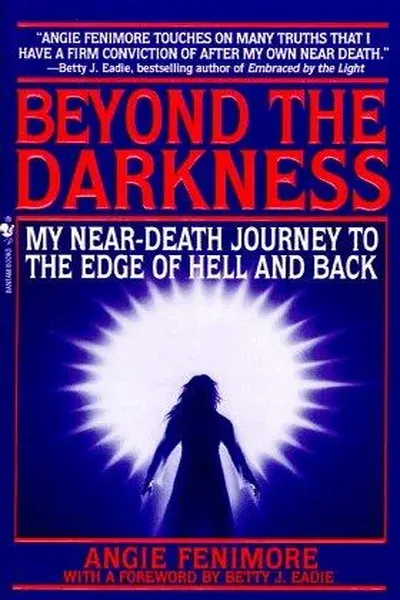
Inferno

 75
75

Inferno
Julie Kagawa's *Inferno* presents a familiar descent into a hellscape, but it's the execution that demands attention. The novel excels in its visceral depiction of the infernal realm; Kagawa crafts an environment that feels both alien and disturbingly plausible, a place where the very air seems to hum with malevolence. Ethan’s journey, while occasionally treading well-worn paths of supernatural protagonists, is anchored by a core of desperate determination. However, the narrative’s pacing falters in its middle act, with certain plot points feeling slightly underdeveloped before accelerating towards the climax. A notable strength is the portrayal of the demons themselves, not merely as monstrous obstacles but as complex beings with their own hierarchies and motivations, particularly the character of a morally ambiguous demoness who serves as a foil to Ethan. Ultimately, *Inferno* delivers a compelling, if sometimes uneven, exploration of a dark fantasy world that satisfies the genre's core appeal.
📝 Description
75
Julie Kagawa's 2018 novel *Inferno* thrusts Ethan into a world of demons and the damned.
In Julie Kagawa's *Inferno*, published in 2018, a young man named Ethan is pulled into a hellish dimension. His task there has consequences for both his world and this infernal one. The story is not simple fantasy; it uses its characters and their harsh surroundings to consider sin, redemption, and the essence of evil.
The novel is for readers who like dark fantasy with a driving plot and supernatural elements. It will appeal to those who think about morality, especially the conflict between good and evil under extreme pressure. Readers who enjoy character focused tales set in vast, strange places and who are not afraid of dark subjects will find this book engaging.
While not directly tied to a specific historical esoteric movement, *Inferno* draws on ancient motifs of underworld descents found in traditions from Sumerian myths to Dante Alighieri's *Inferno*. The novel engages with perennial themes of sin and redemption, considering the consequences of deals made with infernal beings. It taps into a common thread in spiritual thought concerning journeys through darkness and the potential for transformation.
💡 Why Read This Book?
• Gain a visceral understanding of infernal landscapes and their inhabitants, as depicted in Kagawa's unique vision of Hell, distinct from traditional religious iconography. • Explore the consequences of binding pacts and the ethical compromises characters must make when facing ultimate desperation, a theme central to the novel's plot. • Witness a protagonist’s struggle for self-determination against a backdrop of predestined damnation, examining free will within a rigidly structured, supernatural hierarchy.
⭐ Reader Reviews
Honest opinions from readers who have explored this book.
❓ Frequently Asked Questions
What is the primary setting of Julie Kagawa's Inferno?
The primary setting of *Inferno* is a hellish, supernatural realm populated by demons and souls in torment. This infernal landscape is vividly described and serves as the stage for the protagonist's perilous journey.
Who is the main protagonist in Inferno?
The main protagonist is Ethan, a young man who finds himself unexpectedly thrust into the infernal world. His mission within Hell drives the central conflict of the novel.
What year was Julie Kagawa's Inferno first published?
Julie Kagawa's *Inferno* was first published in 2018, placing it within the contemporary landscape of speculative and dark fantasy literature.
Does Inferno draw on specific religious texts?
While drawing on the universal concept of a hellish underworld, *Inferno* is a work of speculative fiction and does not strictly adhere to any single religious text. It uses the idea of Hell as a narrative device.
What kind of challenges does Ethan face in Inferno?
Ethan faces numerous challenges, including navigating a dangerous infernal landscape, confronting demons, making difficult moral choices, and fulfilling a critical mission that could impact multiple realms.
Is Inferno part of a series?
Yes, *Inferno* is part of Julie Kagawa's 'The Blood of Eden' series, though it can also be read as a standalone novel focusing on its specific infernal narrative.
🔮 Key Themes & Symbolism
Infernal Pacts and Consequences
The novel deeply explores the nature of agreements made with infernal beings. These pacts are rarely straightforward and often carry severe, unforeseen consequences, forcing characters to confront the true cost of their bargains. The narrative examines how desperation can lead individuals to make deals that bind them to malevolent forces, blurring the lines between victim and perpetrator as they read through the intricate rules of Hell's economy. The weight of these agreements shapes character arcs and drives the plot forward through a series of escalating challenges and moral quandaries.
The Nature of Evil and Redemption
Kagawa's *Inferno* grapples with the concept of evil not as a monolithic force, but as something with layers and internal logic within the infernal hierarchy. Characters encounter demons who possess their own motivations and systems, challenging simplistic notions of good versus evil. The possibility of redemption, even for those in the deepest pits of Hell, is a subtle undercurrent. The narrative questions whether souls are irrevocably damned or if their actions and choices, even within such a dire setting, can offer a path toward something akin to salvation.
Free Will vs. Predestination
A central tension in *Inferno* is the struggle between a character's predetermined fate and their capacity for free will. Within the rigid structure of Hell, many souls are believed to be irrevocably bound to their sins and punishments. The protagonist, Ethan, however, often finds himself in situations where he must make choices that defy the expected order. This theme explores whether agency can be maintained even when confronted by overwhelming cosmic forces or inescapable destinies, and what it truly means to forge one's own path.
Sacrifice and Resilience
The narrative frequently highlights acts of sacrifice, both large and small, as characters confront the brutal realities of the infernal realm. These sacrifices are often made out of love, duty, or a desperate hope for a better outcome, even if that outcome seems impossible. Alongside sacrifice, the theme of resilience is paramount. The characters, particularly Ethan, must demonstrate immense fortitude to survive and persevere in an environment designed to break them. Their ability to endure suffering and continue striving against all odds forms a core element of their character development.
💬 Memorable Quotes
Direct passages from the work, attributed to the author.
“Every deal made here had teeth, and they always bit back eventually.”
— This expresses the perilous nature of agreements within the novel's infernal setting. It emphasizes that no pact with demonic entities is without its hidden dangers and severe repercussions, serving as a constant warning to the characters.
“Survival here wasn't about strength, but about understanding the rules of the game.”
— This interpretation highlights the intellectual and strategic challenges presented in the novel's infernal world. It implies that brute force is less effective than cunning and a deep comprehension of the unique, often treacherous, systems at play.
“Even in damnation, flickers of humanity, or what passed for it, could be found.”
— This speaks to the nuanced portrayal of characters within the narrative. It suggests that even in a place of ultimate despair and evil, vestiges of complex emotional states or moral ambiguity can persist, challenging black-and-white categorizations.
💡 Key Ideas
Editorial paraphrase of the work's core concepts — not direct quotes.
Hell wasn't just fire and brimstone; it was a meticulously organized bureaucracy of despair.
This line suggests that the novel's depiction of Hell moves beyond simplistic, chaotic torment. It implies a structured, perhaps even administrative, system governing the infernal realm, hinting at a more complex and insidious form of control and suffering.
He was a pawn, but even pawns could choose to move differently on the board.
This quote directly addresses the theme of free will versus destiny. It suggests that despite being placed in a seemingly predetermined role or situation, an individual retains the agency to make choices that can alter their trajectory.
🌙 Esoteric Significance
Tradition
While not strictly adhering to a singular esoteric lineage, *Inferno* engages with themes common in Gnostic and Hermetic thought concerning descent into hostile realms and the struggle for liberation. The concept of a material or spiritual 'prison' and the search for hidden knowledge or a way out aligns with Gnostic cosmology. It also touches upon Hermetic principles of correspondence and the idea that understanding the 'lower' realms can offer insight into the 'higher' or true nature of reality, albeit through a dark fantasy lens.
Symbolism
The infernal landscape itself functions as a potent symbol of inner turmoil, spiritual decay, and the consequences of negative actions. Fire, a recurring element, often symbolizes purification or destruction, depending on its context. Demons represent primal fears, temptations, and the shadow aspects of the psyche, while the concept of 'pacts' symbolizes the dangerous allure of shortcuts or forbidden knowledge that comes at a profound spiritual cost.
Modern Relevance
Contemporary explorations of shadow work and confronting one's inner demons often find resonance with narratives like *Inferno*. Thinkers and practitioners in fields like Jungian psychology and modern occultism frequently use fictional narratives as metaphors for internal spiritual battles. The novel's depiction of navigating complex, hostile systems and retaining agency speaks to modern concerns about systemic oppression and personal empowerment in overwhelming circumstances.
👥 Who Should Read This Book
• Young adult and adult fantasy readers seeking dark, character-driven narratives with supernatural elements. • Enthusiasts of underworld mythology and explorations of good versus evil who appreciate contemporary twists on classic themes. • Readers interested in speculative fiction that explores moral complexities, sacrifice, and the struggle for free will in extreme, hostile environments.
📜 Historical Context
Published in 2018, Julie Kagawa's *Inferno* arrived during a vibrant period for speculative fiction, where authors increasingly blended mythology, horror, and fantasy elements. The novel taps into a long-standing literary tradition of exploring underworlds, echoing Dante Alighieri's seminal 14th-century *Inferno*, which established much of the popular imagery associated with Hell. While Kagawa's work is a contemporary reimagining, it shares thematic ground with the Gnostic concept of a material world as a form of spiritual prison. In 2018, authors like N.K. Jemisin and Brandon Sanderson were pushing the boundaries of epic fantasy world-building, and Kagawa's contribution offers a darker, more personal descent into a supernatural realm. The reception of such works often focuses on their originality within established tropes and their thematic depth, with *Inferno* being noted for its character-driven approach to a classic narrative structure.
📔 Journal Prompts
Ethan's willingness to make pacts, despite their danger, and its ultimate justification.
The bureaucratic structure of Hell as depicted and its symbolic meaning.
Moments of unexpected resilience or empathy encountered within the infernal realm.
The personal cost of Ethan's mission and the sacrifices demanded.
How the concept of 'damnation' is presented and challenged in the narrative.
🗂️ Glossary
Infernal Realm
The primary setting of the novel, a hellish dimension populated by demons and tormented souls, characterized by extreme suffering and malevolent forces.
Demons
Inhabitants of the Infernal Realm, depicted as powerful beings with their own hierarchies, motivations, and often complex relationships, serving as antagonists and sometimes reluctant allies.
Pacts
Binding agreements made between mortals (or other beings) and infernal entities, typically involving a trade of favors or souls, which carry significant and often perilous consequences.
Souls
The essence of beings, often depicted as the currency or subject of conflict within the Infernal Realm, representing individuals undergoing torment or seeking escape.
Protagonist
Ethan, the central character whose journey and choices drive the narrative forward as he navigates the dangers of the Infernal Realm.
Shadow Aspects
Metaphorical representations of the darker, often repressed, elements of a character's psyche, which are externalized and embodied by the denizens and environment of Hell.
Free Will
The capacity of characters to make independent choices, often in defiance of their perceived destiny or the controlling forces of the Infernal Realm.
🔮 Readers Also Liked
Browse all →








More by Julie Kagawa
All books →





More Free Occult Philosophy Books
View all →