Kabbalah
 62
62

Kabbalah


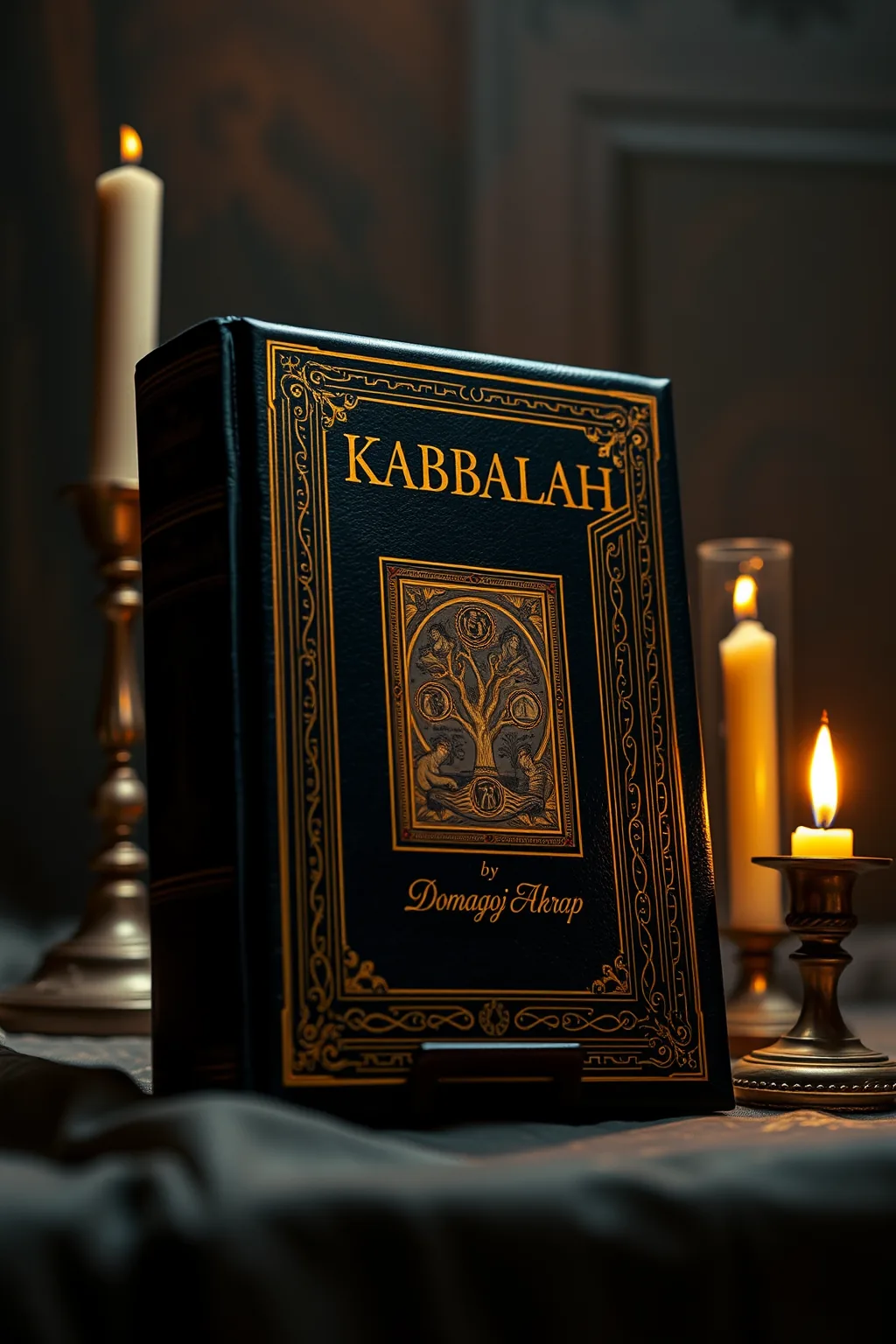
Domagoj Akrap's 'Kabbalah' is a beacon for those navigating the labyrinthine corridors of Jewish mysticism. With scholarly precision and an intuitive grasp of esoteric principles, Akrap unfurls the profound symbolism of the Sefirot and the divine architecture of the cosmos. He eloquently bridges the gap between abstract philosophy and lived spiritual experience, making complex concepts accessible without sacrificing their inherent mystery. This work is an essential companion for serious students of Kabbalah, occult philosophy, and anyone seeking to understand the profound spiritual currents flowing through Western esotericism. A truly illuminating exploration.
📝 Description
62
Domagoj Akrap's book investigates Kabbalah's core concepts, including divine emanations and the Tree of Life.
This book examines the fundamental principles of Kabbalah, the Jewish mystical tradition. Akrap details the concept of divine emanations, often visualized through the Tree of Life, and discusses how these ideas relate to spiritual understanding. He deciphers key symbols and doctrines within this system, explaining the metaphysical framework it proposes. The text aims to connect with individuals seeking a more profound grasp of these spiritual ideas, bridging the gap between the physical world and higher realities.
Readers will encounter discussions on Gematria, the practice of assigning numerical values to Hebrew letters for mystical interpretation. The book also covers the esoteric readings of the Torah, suggesting a hidden divine intelligence within the universe. It presents Kabbalah not just as a historical subject but as a living tradition relevant to those pursuing deeper truths. The work touches on creation, the nature of the divine, and the possibilities for human spiritual growth.
Kabbalah, a system of Jewish mysticism, emerged in the Middle Ages and draws upon earlier esoteric traditions. It seeks to understand the nature of God, creation, and humanity's relationship with the divine. Central to Kabbalah are concepts like the Sefirot, or divine emanations, often depicted in the diagram known as the Tree of Life. Practices such as Gematria, the mystical interpretation of Hebrew letters and words, are used to uncover hidden meanings in religious texts, particularly the Torah. This tradition has influenced Western esotericism, including Christian and Hermetic Kabbalah.
💡 Why Read This Book?
Unravel the secrets of the Tree of Life and the divine emanations. 'Kabbalah' offers a profound exploration of Jewish mysticism, perfect for seekers of hidden knowledge and spiritual practitioners. It illuminates ancient wisdom, making esoteric concepts accessible for deeper understanding and personal transformation. Discover the symbolic language of the universe and the pathways to divine connection.
⭐ Reader Reviews
Honest opinions from readers who have explored this book.
❓ Frequently Asked Questions
What is the primary focus of this book?
The book focuses on the core tenets of Kabbalah, including the Tree of Life, divine emanations (Sefirot), and the mystical interpretation of Jewish scripture and symbolism.
Is prior knowledge of Jewish mysticism required?
While prior knowledge can enhance the experience, Akrap's clear and evocative prose makes the profound concepts of Kabbalah accessible even to those new to the subject.
What kind of symbolism is explored?
The book delves into the rich symbolic language of Kabbalah, including Hebrew letters, numbers (Gematria), and the archetypal imagery of the Tree of Life.
Who is the intended audience?
This book is ideal for spiritual seekers, students of esotericism, scholars of religious studies, and practitioners of contemplative traditions interested in Jewish mysticism.
Does the book offer practical applications?
While primarily an exposition of theory and symbolism, the understanding gained from 'Kabbalah' can inform contemplative practices and foster a deeper connection to the divine.
🔮 Key Themes & Symbolism
The Tree of Life (Etz Chaim)
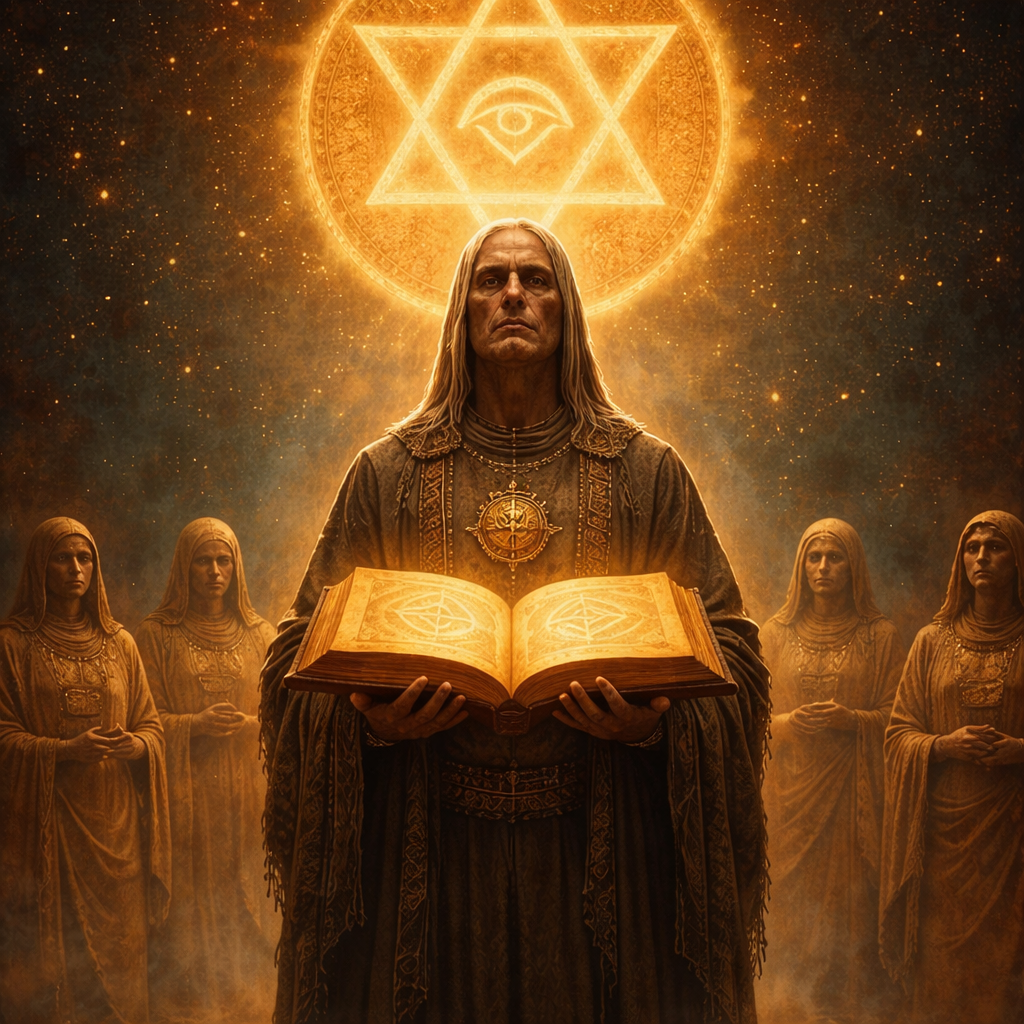
At the heart of Kabbalistic cosmology lies the Tree of Life, a diagrammatic representation of the divine emanations (Sefirot) and the pathways of creation. Akrap meticulously unpacks the interconnectedness of these ten divine attributes, illustrating how they form the blueprint of the universe and the human soul. This section illuminates the dynamic interplay between the infinite and the finite, offering a profound framework for understanding spiritual ascent and the manifestation of divine will.
Divine Emanations and the Sefirot
This work meticulously details the Sefirot, the ten divine attributes or vessels through which the Infinite (Ein Sof) reveals itself. Akrap explores each Sefirah—from Keter (Crown) to Malkuth (Kingdom)—as a distinct stage in the process of creation and spiritual unfolding. Understanding these emanations is crucial for grasping the Kabbalistic worldview, revealing the divine presence in all aspects of existence and providing a map for the soul's journey back to its source.
Symbolism and Gematria
Kabbalah is a language of symbols, and Akrap expertly deciphers their profound meanings. The book looks at the esoteric significance of Hebrew letters, their numerical values (Gematria), and their role in unlocking deeper layers of scripture and reality. This exploration reveals how the very fabric of existence is woven with divine intent, offering readers tools to perceive the hidden order and interconnectedness of all things through sacred numerology and iconography.
💬 Memorable Quotes
Direct passages from the work, attributed to the author.
“Each letter is a divine breath, each number a celestial chord.”
— Highlights the sacred nature of Hebrew letters and numbers in Kabbalistic thought, emphasizing their role as conduits of divine energy and cosmic order.
“The Tree of Life is not just a diagram, but a living map of the soul's journey.”
— Emphasizes the practical and transformative aspect of the Tree of Life, portraying it as a guide for spiritual growth and self-discovery.
“To know Kabbalah is to see the unseen, to understand the underlying currents of reality.”
— Suggests that Kabbalistic study provides a profound shift in perception, allowing one to perceive deeper spiritual dimensions beyond the mundane.
“The divine is not distant, but immanent, reflected in every Sefirah.”
— Underscores the Kabbalistic concept of divine immanence, asserting that God's presence is actively and directly manifest in all aspects of creation.
💡 Key Ideas
Editorial paraphrase of the work's core concepts — not direct quotes.
The universe is a whispered secret, and Kabbalah is the ear that learns to listen.
This quote captures the essence of Kabbalah as a path to uncovering hidden truths and divine communication within the fabric of existence.
🌙 Esoteric Significance
Tradition
Kabbalah is a central to Jewish mysticism, a profound esoteric tradition seeking to understand the nature of God, the creation of the universe, and the relationship between the divine and humanity. It offers a complex symbolic language and a cosmological map for the soul's journey towards union with the Infinite (Ein Sof).
Symbolism
The symbolic system of Kabbalah is rich and complex, centering on the Tree of Life (Etz Chaim) with its ten Sefirot, representing divine attributes and stages of emanation. It also utilizes the Hebrew alphabet, Gematria (numerology), and archetypal imagery to convey profound metaphysical truths about existence and consciousness.
Modern Relevance
In the modern era, Kabbalah continues to resonate deeply, offering a framework for understanding consciousness, the interconnectedness of all things, and the search for meaning. Its principles inform various spiritual paths, psychological theories, and artistic expressions, providing timeless wisdom for working through the complexities of contemporary life.
👥 Who Should Read This Book
This informative work is a vital resource for dedicated students of Kabbalah, esoteric scholars, and spiritual seekers yearning for useful insights into Jewish mysticism. Beginners will find a clear and engaging introduction to complex concepts, while advanced practitioners will appreciate the depth and nuanced interpretations. Philosophers and theologians seeking to understand the historical and metaphysical underpinnings of Western esotericism will find invaluable material within these pages.
📜 Historical Context
The Kabbalah, emerging from the collection of Jewish thought, blossomed into a formalized esoteric tradition during the Middle Ages, particularly in 12th-century Provence and 13th-century Spain. Its development was influenced by Neoplatonism, Gnosticism, and earlier Jewish mystical practices. The Zohar, a foundational text, appeared in the late 13th century, profoundly shaping subsequent Kabbalistic discourse. This period was marked by intellectual fervor, often occurring within communities facing socio-political challenges, which may have further fueled the search for spiritual solace and hidden meanings. Kabbalah's influence extended beyond Judaism, impacting Christian and Islamic esotericism and laying groundwork for later mystical movements.
📔 Journal Prompts
Reflect on a Sefirah that currently resonates most strongly with your personal journey. What qualities does it embody, and how can you cultivate them?
Consider the concept of divine immanence. Where do you perceive the divine presence most acutely in your daily life?
Explore the relationship between the physical world and the spiritual realms as described in Kabbalah. How does this perspective shift your understanding of reality?
Meditate on the symbolic meaning of a Hebrew letter relevant to your current life challenges or aspirations. What insights emerge?
How can the Kabbalistic understanding of interconnectedness foster a greater sense of responsibility towards the world and its inhabitants?
🗂️ Glossary
Ein Sof
The Infinite, the unmanifest, unknowable Godhead beyond all conception or description, the ultimate source of all existence.
Sefirot
The ten divine emanations or attributes through which the Infinite (Ein Sof) reveals itself and creates the universe. They form the structure of the Tree of Life.
Tree of Life (Etz Chaim)
A central diagram in Kabbalah, depicting the ten Sefirot and the paths connecting them, representing the structure of creation, divine emanation, and the human soul.
Gematria
A method of interpreting Hebrew scripture by assigning numerical values to letters and words, revealing hidden connections and deeper meanings.
Tzimtzum
The concept of divine 'contraction' or withdrawal, necessary to create space for the existence of the universe and free will.
This book appears in 1 collection
🔮 Readers Also Liked
Browse all →








From the “Kabbalah” Collection
View all →








More Free Kabbalah & Jewish Mysticism Books
View all →