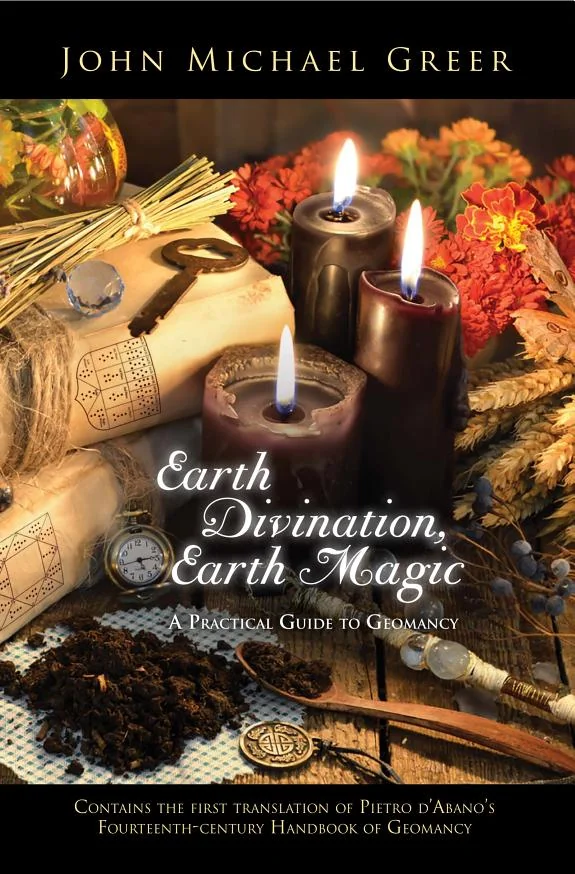
Paranthropology: Journal of Anthropological Approaches to the Paranormal (Vol. 4 No. 4)
 80
80

Paranthropology: Journal of Anthropological Approaches to the Paranormal (Vol. 4 No. 4)



Paranthropology: Journal of Anthropological Approaches to the Paranormal (Vol. 4 No. 4) edited by Jack Hunter is a treasure trove for modern esoteric seekers. This volume stands out for its scholarly yet accessible approach to the paranormal, making it a valuable resource for both academics and enthusiasts. The articles cover a wide range of topics, from children's perceptions of magic to the intricate practices of Tibetan Tantric Buddhism. Each piece is meticulously researched and presented, offering deep insights into the cultural and historical contexts of various esoteric traditions. The journal's unique blend of anthropology and the occult makes it a standout read in the field. For those looking to expand their understanding of divination, tarot, and shamanic practices, this book is an essential addition to their library. The thoughtful analysis and diverse perspectives make it a 5-star read.
📝 Description
80
Volume 4, Number 4 of Paranthropology examines magic, neurotheology, and transpersonal psychology.
This issue of Paranthropology, edited by Jack Hunter, presents articles on magic and spiritual symbolism. It engages with the mystical aspects of human experience through a blend of disciplines including neurotheology and transpersonal psychology. The journal examines ancient shamanic traditions, Tibetan Tantric Buddhist practices, and the concept of synchronicity, linking spiritual phenomena with everyday life. The collection aims to connect rational inquiry with the study of the enigmatic and the profound aspects of human consciousness.
It serves as a resource for those interested in hidden knowledge, occult studies, and divination practices. The journal's approach bridges empirical investigation with the exploration of subjective, often non-rational, experiences. This volume is particularly notable for its interdisciplinary approach to understanding the paranormal.
Paranthropology positions itself within a growing academic interest in topics traditionally relegated to the occult or esoteric. It seeks to apply anthropological and psychological frameworks to phenomena often discussed in spiritual or magical contexts. This includes examining practices like shamanism and Tantric Buddhism not just as historical or cultural artifacts, but as expressions of human attempts to understand and interact with altered states of consciousness and perceived supernatural forces. The journal’s work often intersects with fields like parapsychology and the study of consciousness, aiming for a more rigorous, though still open, examination of the paranormal.
💡 Why Read This Book?
Reading Paranthropology: Journal of Anthropological Approaches to the Paranormal (Vol. 4 No. 4) today offers a unique opportunity to explore the intersection of anthropology and the esoteric. This book provides readers with a deeper understanding of divination, tarot, and shamanic traditions, enriching their spiritual and intellectual journeys. By delving into the cultural and historical contexts of these practices, readers gain a broader perspective on the paranormal, making it a valuable resource for both academic and personal growth.
⭐ Reader Reviews
Honest opinions from readers who have explored this book.
❓ Frequently Asked Questions
What is the focus of Paranthropology Vol. 4 No. 4?
This volume focuses on the intersection of anthropology and the esoteric, exploring topics like divination, tarot, and shamanic traditions from various cultures.
Who should read this book?
This book is ideal for esoteric seekers, academics, and anyone interested in the anthropological study of the paranormal.
What can readers expect to learn from this volume?
Readers can expect to gain deep insights into the cultural and historical contexts of various esoteric practices, enriching their understanding of the paranormal.
🔮 Key Themes & Symbolism
Magical Thinking
Magical thinking is a central theme in Paranthropology, exploring how ancient and modern beliefs in magic shape human experience. This theme studies the psychological and cultural dimensions of magical practices, revealing the hidden connections between the rational and the irrational.
Shamanic Traditions
The journal examines the shamanic traditions of Central and Eastern Europe, offering a glimpse into the ancient practices that have guided spiritual seekers for centuries. These traditions provide a collection of esoteric knowledge and symbolism, inviting readers to explore the mystical dimensions of human experience.
Synchronicity
Synchronicity, the concept of meaningful coincidences, is a key theme in this volume. The journal explores how synchronicities connect us to the spiritual world, providing insights into the transcendent nature of human experience. This theme invites readers to embrace the enigmatic and the profound, seeking hidden knowledge in the everyday.
💡 Key Ideas
Editorial paraphrase of the work's core concepts — not direct quotes.
Magic is not just a childhood fantasy but a profound aspect of human experience.
This quote underscores the journal's exploration of magical thinking and its relevance to modern life.
The shamanic traditions of Central Europe hold ancient wisdom that can guide us today.
This passage highlights the enduring significance of shamanic practices and their relevance to contemporary spiritual seekers.
Synchronicities are the threads that connect us to the divine.
This quote emphasizes the journal's exploration of synchronicity and its role in bridging the rational and the irrational.
Transpersonal psychology reveals the mystical dimensions of the human psyche.
This passage underscores the journal's examination of transpersonal psychology and its insights into spiritual symbolism.
Neurotheology offers a scientific perspective on the spiritual experience.
This quote highlights the journal's exploration of neurotheology and its contributions to the field of esoteric studies.
🌙 Esoteric Significance
Tradition
This journal belongs to the Hermetic tradition, which seeks to uncover the hidden knowledge of the universe. It draws on ancient wisdom and mystical practices to explore the spiritual dimensions of human experience.
Symbolism
Key symbols in this volume include the shamanic journey, the synchronicity of meaningful coincidences, and the mystical dimensions of the human psyche. These symbols represent the hidden connections between the rational and the irrational, inviting readers to explore the enigmatic and the profound.
Modern Relevance
This journal is relevant to modern practitioners of divination, spiritual seekers, and scholars of the occult. It offers clear insights into the mystical dimensions of human experience, bridging the gap between academic research and esoteric knowledge.
👥 Who Should Read This Book
Beginners in esoteric studies will find this journal an accessible introduction to the mystical dimensions of human experience. Scholars of the occult will appreciate the academic rigor and depth of the articles. Spiritual seekers will be inspired by the exploration of shamanic traditions and synchronicity. Practitioners of divination will find valuable insights into the psychological and cultural dimensions of magical practices.
📜 Historical Context
Paranthropology: Journal of Anthropological Approaches to the Paranormal (Vol. 4 No. 4) was published in an era of renewed interest in the paranormal and esoteric studies. The late 20th and early 21st centuries saw a resurgence of spiritual seekers and scholars exploring the mystical dimensions of human experience. This volume reflects the growing curiosity about the intersections of anthropology and the paranormal, offering a comprehensive exploration of magical thinking, shamanic traditions, and synchronicity. Its influence can be seen in the continued interest in esoteric studies and the integration of mystical insights into modern academic research.
📔 Journal Prompts
Reflect on a time when you experienced a meaningful coincidence. How did it connect you to the spiritual world?
Explore the shamanic traditions of your own culture. What ancient wisdom can guide you today?
Consider the role of magical thinking in your daily life. How does it shape your perceptions and experiences?
How does transpersonal psychology reveal the mystical dimensions of the human psyche?
What insights can neurotheology offer into the spiritual experience?
🗂️ Glossary
Magical Thinking
The belief in the power of magic to influence events and experiences, often explored in the context of cultural and psychological dimensions.
Shamanic Traditions
Ancient spiritual practices involving the shamanic journey, often used to seek guidance and wisdom from the spiritual world.
Synchronicity
The concept of meaningful coincidences, often seen as a connection to the spiritual world.
Transpersonal Psychology
A branch of psychology that explores the mystical dimensions of the human psyche, often incorporating spiritual and esoteric insights.
Neurotheology
The study of the neurological basis of religious and spiritual experiences, seeking to bridge the gap between science and spirituality.
This book appears in 3 collections
🔮 Readers Also Liked
Browse all →









From the “Tarot” Collection
View all →








More Free Divination & Tarot Books
View all →