Myths and Folktales from Around the World
 76
76

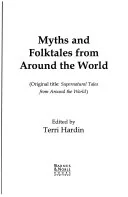
Myths and Folktales from Around the World
Terri Hardin's compilation, Myths and Folktales from Around the World, presents a commendable breadth of narrative material, a significant achievement for its 1995 publication. The strength lies in its sheer scope, bringing together disparate oral traditions into a single accessible volume. However, the work occasionally suffers from a lack of deeper analytical commentary. For instance, the section on creation myths, while extensive, could benefit from more explicit connections to hermeneutic or Gnostic cosmologies, which this collection hints at but doesn't fully explore. The absence of extensive footnotes or scholarly apparatus, while increasing readability, limits its utility for rigorous academic study. Nevertheless, as a compendium of foundational stories, it serves its purpose effectively. It is a valuable, if introductory, survey.
📝 Description
76
Terri Hardin published Myths and Folktales from Around the World in 1995.
This collection gathers narratives from numerous cultures, aiming to reveal the shared structures and recurring motifs that link human experiences across the globe. It goes beyond simple storytelling to highlight the symbolic language and archetypal patterns embedded within folklore. The book provides an accessible introduction to these deep narratives.
It is intended for students of comparative mythology, cultural historians, and those interested in esoteric traditions who seek foundational stories. The work will appeal to readers who recognize the archetypal patterns in storytelling and want to understand how these tales shaped ancient belief systems and continue to resonate today. It is for anyone who views stories as more than just entertainment, but as sources of wisdom and insight.
Published during a time of growing interest in Jungian archetypes and comparative mythology, this book offered a wide array of global myths. It stands apart from studies focusing on single regions by giving a broad perspective on common human storytelling impulses. This approach gained relevance with increasing globalization and cross-cultural academic exchange.
The book engages with narratives that have historically informed esoteric traditions, touching on universal psychological structures and spiritual questions. It examines how different cultures conceptualize origins, morality, and existence, themes central to many spiritual inquiries. By presenting these tales, Hardin touches on the underlying principles that many esoteric practices seek to understand and embody, connecting specific cultural expressions to broader human consciousness.
💡 Why Read This Book?
• Gain insight into the archetypal 'hero's journey' as depicted in specific narratives like the tale of Gilgamesh, understanding its fundamental structure beyond modern interpretations. • Explore the concept of the 'trickster' through diverse cultural examples, recognizing how this figure functions across different mythologies and its role in challenging established orders. • Understand the common threads in creation myths from various cultures, such as the primordial waters motif found in Mesopotamian and Egyptian accounts, offering a comparative perspective on cosmic origins.
⭐ Reader Reviews
Honest opinions from readers who have explored this book.
❓ Frequently Asked Questions
When was Myths and Folktales from Around the World first published?
The book was first published in 1995, positioning it within a period of significant interest in comparative mythology and global storytelling traditions.
What types of myths are included in the collection?
The collection features a wide array, including creation myths, hero tales, trickster stories, and narratives concerning the divine and supernatural from numerous global cultures.
Does the book offer analysis of the myths presented?
While it presents the myths, the primary focus is on the narratives themselves. Deeper analytical commentary is minimal, making it more of a compendium than a scholarly analysis.
Who is the author, Terri Hardin?
Terri Hardin is the compiler of this collection of myths and folktales, bringing together stories from various traditions for a broad audience.
Is this book suitable for academic research?
It serves as a good starting point for research due to its breadth, but its lack of extensive scholarly apparatus might limit its use for in-depth academic study.
What historical period does the book's context relate to?
The book's initial publication in 1995 aligns with the peak influence of figures like Joseph Campbell and a broader academic interest in Jungian archetypes and comparative studies.
🔮 Key Themes & Symbolism
The Universal Archetype
This collection highlights how certain narrative patterns, such as the 'hero's journey' evident in tales like the Epic of Gilgamesh, appear across vastly different cultures. These recurring motifs suggest a shared psychological foundation or a universal symbolic language that transcends geographical and temporal boundaries. The work implicitly argues for an underlying unity in human consciousness, expressed through the diverse yet structurally similar stories humans tell about themselves and their world.
Cosmic Origins and Divine Order
Creation myths form a significant part of the compendium, showcasing how different societies conceptualized the genesis of the universe, humanity, and natural phenomena. From the emergence from chaos to divine shaping, these narratives reveal fundamental questions about existence and the perceived order of the cosmos. They often encode societal values and beliefs about the relationship between the material world and supernatural forces.
The Trickster and Cultural Subversion
The figure of the trickster, a common character in many folktales, is explored through various cultural manifestations. These figures often embody ambiguity, challenging societal norms, and acting as agents of change or chaos. Their presence in the collection underscores the importance of paradox and the subversion of order within mythic narratives, often leading to new beginnings or revelations.
The Language of Symbolism
Beyond plot, the collection implicitly examines the symbolic language embedded within folklore. Recurring symbols like water, mountains, or celestial bodies are presented within their narrative contexts, hinting at deeper meanings. Understanding these symbols is crucial for an esoteric interpretation, as they often serve as keys to unlocking spiritual or psychological truths that the myths were designed to convey.
💬 Memorable Quotes
Direct passages from the work, attributed to the author.
“He who sought immortality found only dust.”
— This interpretation of a narrative arc, likely related to tales of epic quests for eternal life, highlights the mortal condition. It suggests that the pursuit of ultimate physical immortality often leads to a confrontation with the inevitability of death and decay.
“The clever fox tricked the lion with words.”
— This represents a typical trickster dynamic where intelligence or cunning overcomes brute force. It illustrates the theme of wit triumphing over power, a frequent lesson in fables and folktales across cultures.
“When the sky fell, only the bravest could stand.”
— This metaphorical statement likely refers to a catastrophic event within a myth, emphasizing courage in the face of overwhelming disaster. It speaks to the human spirit's resilience and the virtues valued in times of crisis.
“She who brought fire also brought sorrow.”
— This hints at a dualistic nature of powerful gifts or knowledge, often seen in myths where a benefactor also introduces hardship or consequence. It explores the complex relationship between progress, knowledge, and suffering.
💡 Key Ideas
Editorial paraphrase of the work's core concepts — not direct quotes.
The world began from a great sea, and from it emerged the first gods.
This paraphrased concept reflects a common motif in creation myths, suggesting a primordial, watery state preceding existence. It points to the idea of emergence and divine origin, a foundational element in many cosmological systems.
🌙 Esoteric Significance
Tradition
This work doesn't strictly adhere to a single esoteric lineage but draws from the wellspring of universal mythology, which is foundational to many esoteric traditions, including Hermeticism, Gnosticism, and Theosophy. It provides the raw narrative material from which esotericists often derive symbolic meanings and archetypal understandings, serving as a bridge between common cultural narratives and deeper spiritual or psychological interpretations.
Symbolism
Recurring symbols like the primordial waters (representing chaos, the unconscious, or the source of creation) and the trickster figure (embodying paradox, subversion, and the catalyst for change) are central. The collection presents these motifs across various cultures, allowing for comparative study of their symbolic weight in understanding cosmic beginnings, human nature, and societal evolution.
Modern Relevance
Contemporary thinkers in depth psychology, comparative religion, and even narrative therapy continue to find value in such collections. The archetypal patterns identified by Jung, and popularized by Campbell, remain highly relevant. Modern practitioners of Jungian analysis and mythopoetic studies often reference these foundational tales to understand personal and collective unconscious dynamics.
👥 Who Should Read This Book
• Students of comparative mythology and folklore seeking a broad overview of global narrative traditions, providing foundational stories for academic study. • Aspiring practitioners of esoteric arts who need to understand the archetypal imagery and symbolic language embedded in myths to inform their spiritual practices. • Cultural historians and anthropologists interested in tracing the evolution and transmission of core human narratives across diverse societies and historical periods.
📜 Historical Context
Published in 1995, Terri Hardin's Myths and Folktales from Around the World arrived during a vibrant period for comparative mythology, heavily influenced by the enduring legacy of Carl Jung and the widespread popularity of Joseph Campbell's works. The academic landscape was fertile ground for cross-cultural analyses, with scholars increasingly looking beyond Western traditions. This book offered a broad survey, providing accessible narratives that resonated with an audience interested in archetypal psychology and the universal human experience. It stood in contrast to more specialized academic monographs of the era, which might have focused on specific mythic cycles or linguistic analyses. While not a subject of major controversy or award, its publication contributed to the ongoing discourse initiated by earlier figures like Sir James George Frazer and his monumental 'The Golden Bough', which had already begun cataloging global folklore in the late 19th and early 20th centuries.
📔 Journal Prompts
The primordial waters concept and its symbolic representation in your own life.
The trickster archetype's influence on societal norms and personal rebellion.
Analysis of a creation myth's structure and its underlying worldview.
How the 'hero's journey' narrative appears in contemporary stories.
The role of celestial bodies or natural elements as symbols in the tales presented.
🗂️ Glossary
Archetype
A universal, inherited pattern of thought or imagery derived from the experience of the species, as proposed by Carl Jung. These appear in myths, dreams, and art.
Hero's Journey
A narrative pattern identified by Joseph Campbell, describing the typical stages of a hero's adventure, including departure, initiation, and return.
Trickster
A figure in mythology and folklore who embodies ambiguous duality, often appearing as a divine deceiver or a cultural hero who breaks rules.
Creation Myth
A narrative explaining the origin of the universe, humanity, and the natural world, often involving divine beings or primordial forces.
Cosmology
The study of the origin, evolution, and eventual fate of the universe, often incorporating religious or mythical beliefs.
Primordial Waters
A mythological concept representing the state of the universe before creation, often depicted as a vast, formless ocean or chaos.
Motif
A recurring element, subject, or idea in a literary, artistic, or musical work, especially a symbol or plot device.
This book appears in 1 collection
🔮 Readers Also Liked
Browse all →









From the “Vampirism” Collection
View all →







More Free Occult Philosophy Books
View all →