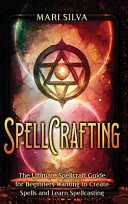
Spellcrafting
 76
76

Spellcrafting
Mari Silva's *Spellcrafting* offers a refreshingly structured approach to a subject often shrouded in ambiguity. The strength of this work lies in its clear articulation of spellcraft as a systematic discipline, moving beyond vague notions of 'energy' to outline actionable principles. Silva's breakdown of spell components, particularly the emphasis on energetic resonance and ethical considerations, provides a solid foundation for aspiring practitioners. The section discussing the 'Traditio' of spellcrafting, though brief, hints at a rich historical lineage that warrants further exploration. However, the book occasionally leans towards a more academic tone, which might alienate readers seeking purely intuitive or experiential guidance. A more in-depth examination of specific historical spell forms, beyond generalized principles, would have added further weight. Nevertheless, *Spellcrafting* serves as a valuable primer for those seeking to understand the mechanics behind magical workings with a critical eye.
📝 Description
76
Mari Silva's 2023 book, Spellcrafting, reframes magic as a disciplined art, not mere superstition.
This book argues that spellcrafting is a methodical art form, not simply superstition. Silva posits that magic operates as a tangible force, achievable through focused intent and specific techniques. The text examines the core principles of effective spellcasting, moving beyond personal stories to a structured analysis of how the craft functions. It seeks to make the process clear, presenting it as a skill that can be learned through understanding and dedicated practice, similar to any other specialized field.
The premise is that spells are not random rituals but deliberate energetic events. Spellcrafting is aimed at individuals serious about understanding the practical side of witchcraft and magic. It suits those who have moved past basic ideas and want a more organized method for creating and performing spells. The book helps aspiring practitioners gain clarity on formulating spells that are both effective and ethically sound. It also appeals to those interested in the theoretical basis of magic, giving them a way to think about magical work. A commitment to detailed instruction and personal practice is assumed.
Spellcrafting is placed within a long history of magical practices, drawing from various traditions that have developed over centuries. It touches on historical efforts to organize magical practices, from old grimoires to later occult revivals. The book suggests that its outlined principles have been seen and used across different cultures, showing a consistent human interest in influencing subtle energies. It connects modern magical ideas to older, established currents in occult studies.
💡 Why Read This Book?
• Gain a practical understanding of spell construction, learning how to formulate intentions and select components based on the book's principles of 'energetic resonance,' a method detailed in Chapter 3. • Develop a framework for ethical magic by exploring the concept of 'safe casting' as presented in the book's safety protocols, allowing for responsible practice. • Understand spellcraft as an art form with historical underpinnings, as discussed in the 'Historical Context' section, providing a grounding beyond modern interpretations.
⭐ Reader Reviews
Honest opinions from readers who have explored this book.
❓ Frequently Asked Questions
What is the core philosophy behind spellcrafting as presented by Mari Silva?
Mari Silva's *Spellcrafting* views magic as a tangible art form, not mere superstition. The philosophy centers on disciplined practice, focused intent, and structured methodologies to effectively manipulate energetic forces for desired outcomes.
Is Spellcrafting suitable for absolute beginners with no prior magical knowledge?
While it assumes some interest, the book aims to be comprehensive. It breaks down concepts systematically, making it accessible to beginners who are committed to learning the art of spell creation and execution.
How does this book address the safety and ethics of casting spells?
The book dedicates specific attention to 'ethical casting' and 'safe casting' protocols. It guides readers to understand the consequences of their actions and operate with responsibility, a key component of responsible magic.
What makes Silva's approach to spellcrafting unique compared to other texts?
Silva's uniqueness lies in presenting spellcrafting as a structured discipline with clear principles and methodologies, focusing on practical mechanics and theoretical underpinnings rather than solely on ritualistic performance.
When was Mari Silva's Spellcrafting first published?
Mari Silva's *Spellcrafting* was first published on April 25, 2023, positioning it as a contemporary exploration of esoteric arts.
Does the book provide examples of specific spells or spell components?
Yes, the book discusses various spell components and principles for their selection based on energetic resonance, offering guidance on crafting effective spells rather than just listing pre-made rituals.
🔮 Key Themes & Symbolism
Intentional Energetic Manipulation
The core of spellcrafting, as explored in this work, is the deliberate channeling of focused intent to influence energetic fields. This isn't about wishing; it's about directed will. The book details how to cultivate and project this intent, moving it from a mere thought to an active force. It examines the psychological and energetic preparations required, underscoring that the caster's internal state is as crucial as the external ritual. This concept is vital for understanding how spells achieve their effects within the proposed framework of magic.
The Art of Spell Composition
Beyond simple incantations, spellcrafting is presented as a compositional art. This theme focuses on the deliberate assembly of elements—words, symbols, materials, timing—to create a synergistic effect. Silva emphasizes that each component must resonate with the spell's purpose, a principle illustrated through discussions on correspondences and energetic alignment. The book guides readers through the process of selecting and combining these elements, treating spell construction like a skilled artisan crafting a complex mechanism or a composer writing a symphony.
Ethical Practice and Consequence
A significant theme is the responsibility inherent in magical practice. Spellcrafting addresses the ethical dimensions of casting spells, urging practitioners to consider the potential repercussions of their actions. This involves understanding the interconnectedness of energies and the potential impact on oneself and others. The book advocates for a mindful approach, ensuring that spells are cast with clear intent and a respect for universal balance, a crucial aspect for any serious practitioner seeking long-term efficacy and spiritual integrity.
Historical and Traditional Foundations
The work implicitly acknowledges the deep historical roots of spellcraft, situating it within a lineage of esoteric traditions. It suggests that modern practice is built upon centuries of accumulated knowledge and observation. By referencing the 'Traditio,' Silva implies a continuity of practice and understanding across generations. This theme provides context, showing that spellcraft is not a novel invention but an evolving art with a rich past, offering practitioners a connection to those who came before them.
💬 Memorable Quotes
Direct passages from the work, attributed to the author.
“Spellcrafting is considered an art, requiring both knowledge and disciplined practice.”
— This statement reframes magic from a mystical or superstitious activity into a skilled craft. It implies that effectiveness comes from learning specific techniques and applying them consistently, much like learning a musical instrument or a trade.
“Effective spells are built upon principles of energetic resonance and focused intention.”
— This highlights the mechanistic aspect of spellcasting. It suggests that spells work because specific energies are aligned and directed with clear purpose, rather than through random chance or blind faith.
“Understanding the potential consequences of your magic is integral to safe casting.”
— This emphasizes the ethical dimension. It's a reminder that wielding magical power carries responsibility, and practitioners must be aware of the ripple effects their actions can create.
“The practitioner must master every detail about spellcrafting to cast correctly and safely.”
— This underscores the importance of thoroughness and precision in magical work. It implies that shortcuts or superficial understanding can lead to ineffective or even harmful outcomes.
“Magic is a tangible force that can be accessed and directed through specific methodologies.”
— This directly counters skepticism by asserting the reality and accessibility of magic. It presents it as a force governed by principles that can be studied and applied.
🌙 Esoteric Significance
Tradition
This work aligns with the broader Hermetic and Western Esoteric traditions, which emphasize the study of natural laws and the potential for human consciousness to interact with and influence them. It departs from purely spiritual or devotional approaches by focusing on the mechanics and practical application of spellcasting as a learnable skill. The 'Traditio' mentioned suggests an adherence to a lineage of knowledge passed down through practice and study, seeking to codify these principles for contemporary practitioners.
Symbolism
Key symbols likely explored would include foundational elements (earth, air, fire, water) representing different energetic qualities and states of being. The use of specific herbs, crystals, or colors would also feature, each carrying symbolic weight within esoteric traditions, representing concepts like protection, transformation, or abundance. The intention behind the chosen symbols is paramount, acting as focal points for directing magical energy and aligning with desired outcomes.
Modern Relevance
Contemporary practitioners of witchcraft, particularly those interested in structured magical systems and ethical considerations, draw on works like *Spellcrafting*. It speaks to a modern desire for practical, accessible magical knowledge that integrates personal agency with a sense of responsibility. Thinkers and groups focused on the psychology of magic, ritual efficacy, and the intersection of consciousness studies and esoteric practice would find its systematic approach relevant.
👥 Who Should Read This Book
• Aspiring practitioners of witchcraft and magic seeking a structured, foundational understanding of spell creation and execution. • Individuals interested in the theoretical underpinnings of spellcasting who want to move beyond anecdotal evidence to learn systematic principles. • Those concerned with ethical magical practice, looking for guidance on safe casting and understanding the consequences of their workings.
📜 Historical Context
Published in 2023, Mari Silva's *Spellcrafting* enters a contemporary landscape where interest in esotericism has surged, particularly following the digital age's accessibility of information. This work emerges in a period where witchcraft and magical practices are increasingly discussed, sometimes divorced from their historical roots. Silva's text implicitly engages with the modern resurgence of interest in practices that were once driven underground, contrasting with the occult revivals of the late 19th and early 20th centuries, such as those influenced by figures like Aleister Crowley and the Hermetic Order of the Golden Dawn. While not directly engaging with contemporaries in its blurb, its structured approach can be seen as a response to a perceived need for clarity and systematization in a field often characterized by disparate traditions and anecdotal lore. The work aims to provide a coherent framework, potentially offering an alternative to less structured or more sensationalized accounts of magic prevalent online.
📔 Journal Prompts
The concept of 'spell intention' requires focused mental energy; how can you strengthen your own?
Reflect on the principles of 'energetic resonance' and how they might apply to everyday objects.
Consider the 'ethical casting' guidelines and how they inform your personal magical philosophy.
Analyze the 'art form' of spellcrafting: what parallels exist with other disciplined arts you know?
Explore the idea of 'safe casting' protocols and their importance in your practice.
🗂️ Glossary
Spellcrafting
The art and practice of designing, constructing, and casting spells with specific intentions and methodologies.
Energetic Resonance
The principle that components (materials, words, symbols) used in a spell vibrate at a frequency that aligns with the desired outcome, amplifying the spell's effect.
Focused Intention
The deliberate and concentrated mental energy directed towards a specific goal during spellcasting, considered a primary driver of magical efficacy.
Ethical Casting
The practice of performing magic with awareness and responsibility, considering the potential consequences and impact on oneself and others.
Safe Casting
Protocols and considerations implemented to ensure that spellcasting is performed without undue risk to the practitioner or unintended negative repercussions.
Traditio
A Latin term referring to tradition, often used in esoteric contexts to denote a body of knowledge or practice passed down through generations.
Magical Workings
A general term for any ritualistic or intentional act performed with the purpose of producing a magical effect.