What is Vampirism?
Vampirism, in its broadest sense, refers to a range of beliefs and practices centered around the concept of beings or individuals who sustain themselves by drawing vital energy, often represented as blood or life force, from others. Historically, this concept manifested in folklore as undead creatures that preyed on the living. In modern esoteric contexts, it can describe a psychological state or a form of energy exchange, sometimes explored through ritualistic practices or as a metaphor for existential needs.
Best Books for Complete Beginners
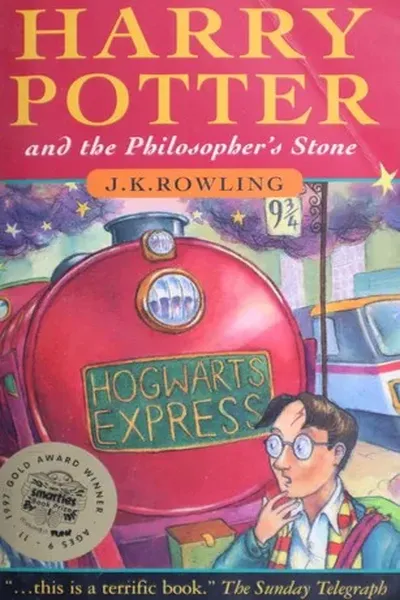
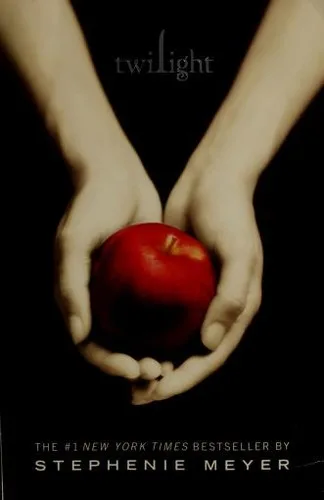
For those new to the subject, starting with foundational texts that outline historical and folkloric aspects is recommended. Augustin Calmet's *Dissertations sur les apparitions des anges, des démons & des esprits, et sur les revenans et vampires de Hongrie* (1746) provides an early scholarly perspective on historical vampire accounts. Dudley Wright's *Vampires and Vampirism* offers a comprehensive overview of folklore and beliefs across cultures. For a look at modern fictional interpretations that have shaped popular understanding, Stephenie Meyer's *Twilight* and J. K. Rowling's *Harry Potter and the Philosopher's Stone* are essential, though distinct from occult studies.
Intermediate Reading
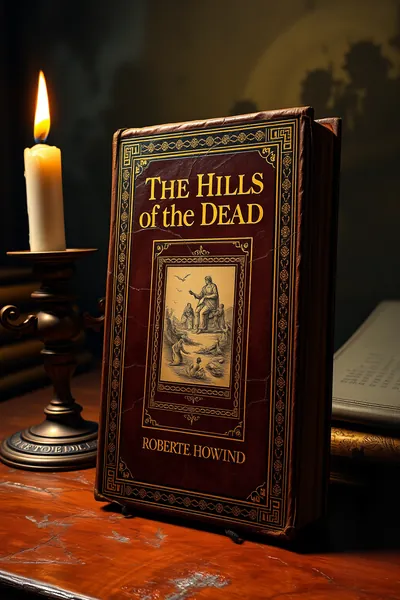
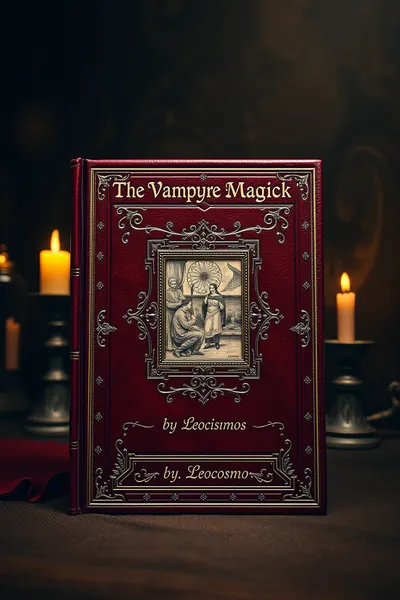
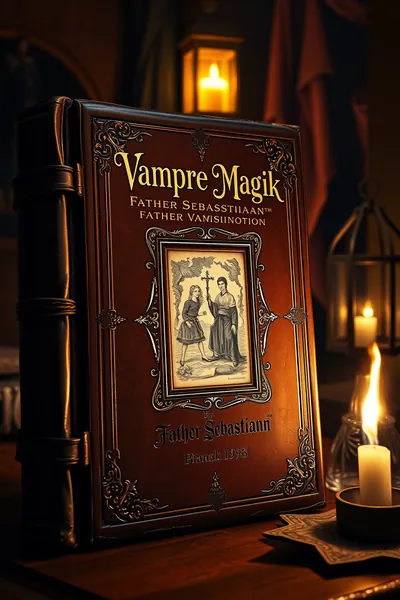
Moving beyond basic folklore, intermediate texts study more specific occult or scholarly analyses. Montague Summers' *The Vampire, His Kith and Kin* (1928) is a classic, albeit controversial, scholarly work exploring historical and folkloric accounts. Robert E. Howard's *The hills of the dead* offers a fictional exploration rooted in darker mythologies. For those interested in magickal applications, *The Vampyre Magick* by Leocosmos or Father Sebastiaan's *Vampyre Magick* provide introductions to modern vampiric traditions and practices.
Classical / Advanced Texts
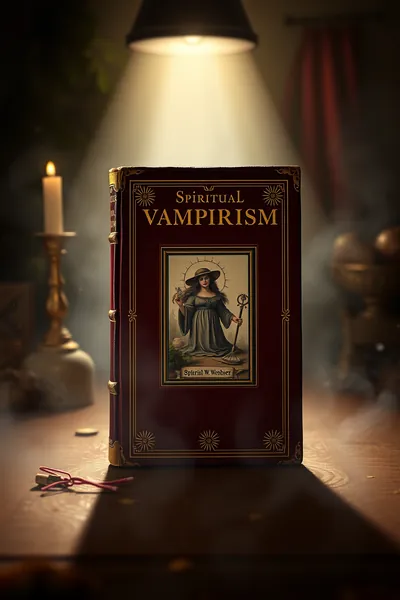
Advanced study involves engaging with primary historical documents and complex esoteric systems. Augustin Calmet's *Traité sur les apparitions des esprits, et sur les vampires, ou les revenans de Hongrie, de Moravie, &c.* (1759) is a continuation of his earlier work, offering deeper historical context. Charles W. Webber's *Spiritual vampirism: The history of Etherial Softdown, and her friends of the "New Light"* presents a unique perspective on spiritual energy dynamics. Anton Long's *Eulalia - Dark Daughter of Baphomet* (2009) examines advanced modern esoteric traditions.
Reading Order — Step by Step
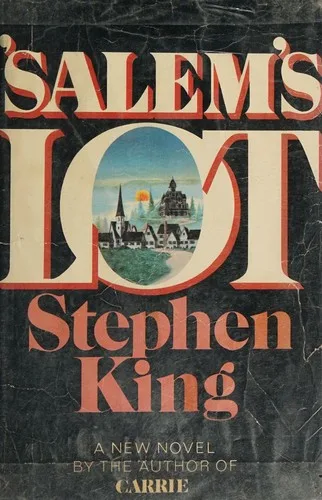
Begin with foundational folklore and historical accounts. Week 1-2: Read Dudley Wright's *Vampires and Vampirism* and Augustin Calmet's *Dissertations sur les apparitions des anges, des démons & des esprits* (1746) for historical context. Month 2: Explore scholarly and occult overviews with Montague Summers' *The Vampire, His Kith and Kin* (1928) and Robert E. Howard's *The hills of the dead*. Month 3+: Study modern esoteric practices with *The Vampyre Magick* by Leocosmos or Father Sebastiaan, and Charles W. Webber's *Spiritual vampirism*. Consider fictional works like *'Salem’s Lot* by Stephen King for literary context throughout.
Frequently Asked Questions
Which vampirism book should I read first?
For a beginner, start with Dudley Wright's 'Vampires and Vampirism' to get a broad overview of historical and folkloric beliefs. This provides a solid foundation before exploring more specific or occult texts.
Are 'Twilight' and 'Harry Potter' relevant to vampirism studies?
These books are highly influential in modern popular culture's perception of vampires, but they are fictional works. They are relevant for understanding how the mythos has evolved in literature, rather than for historical or occult study.
What is the difference between folklore vampires and occult vampires?
Folklore vampires are typically undead beings from myth and legend. Occult vampires, in modern esoteric traditions, often refer to individuals who consciously draw or exchange vital energy, or a spiritual archetype.
Is 'The Vampire, His Kith and Kin' by Montague Summers reliable?
Summers' work is a significant compilation of historical and folkloric material, but it is also known for its sometimes sensationalized and biased interpretations. It's best read critically, alongside other sources.
What are primary sources on historical vampire beliefs?
Primary historical sources include early scholarly investigations like Augustin Calmet's 'Dissertations sur les apparitions...' (1746, 1759), which document contemporary accounts and beliefs from the 18th century.
What is 'Spiritual Vampirism'?
'Spiritual Vampirism' refers to an esoteric concept where individuals are believed to sustain themselves by drawing psychic or vital energy from others, often without physical interaction, as explored in works like Webber's.
Where can I learn about modern vampiric magick?
Texts such as 'The Vampyre Magick' by Leocosmos and Father Sebastiaan's 'Vampyre Magick' offer introductions to contemporary practices and philosophies within this area of occultism.
Are there Tarot decks related to vampirism?
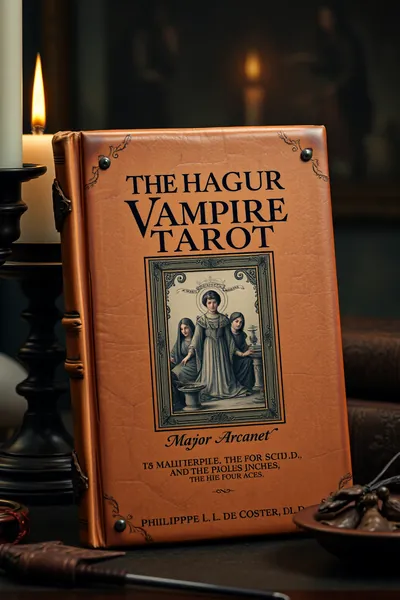
Yes, there are specific Tarot decks focusing on vampiric themes, such as 'The Hagur Vampire Tarot' by Philippe L. De Coster and 'The vampire tarot' by Robert Michael Place, which explore archetypes and symbolism.