The Vampire Film
 72
72

The Vampire Film
Alain Silver's *The Vampire Film* functions as a vital, if sometimes dense, catalog of cinematic vampirism. Its strength lies in its sheer scope and the author's meticulous attention to the evolution of the figure across decades of filmmaking. The inclusion of the "The Vampire at the Millennium" chapter in the 1996 edition, timed with *Dracula*'s centennial, demonstrates a commendable engagement with the subject's historical milestones. However, the text can feel overwhelmingly encyclopedic at times, occasionally sacrificing deeper thematic exploration for comprehensive listing. A particularly insightful section scrutinizes the shift in the vampire's portrayal from monstrous other to an object of fascination, touching on films from Murnau's *Nosferatu* (1922) to more contemporary interpretations. While it may not always offer the most fluid reading experience, its value as a definitive reference for serious film study is undeniable. It remains an indispensable resource for understanding how the cinematic vampire has mirrored and shaped cultural anxieties.
📝 Description
72
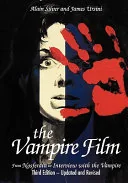
Alain Silver's *The Vampire Film* first appeared in 1974, charting the vampire's cinematic journey.
Alain Silver's *The Vampire Film* began its life in 1974 as a study of how the vampire myth appeared on screen. The book has seen revisions, with the 1996 edition adding a chapter on the vampire at the millennium, timed for Bram Stoker's *Dracula* centennial. Silver's work follows the vampire's shape in movies over time, noting changes in its themes and style. It lists many films, acting as both a critical analysis and a detailed record.
This book is for film scholars, historians, and students who focus on horror movies, gothic literature adaptations, and how mythical figures influence culture through media. Fans of vampire stories and film analysis who want more than just genre talk will also find it useful. Anyone interested in how classic stories get new life in different movie periods will get a lot from it.
While *The Vampire Film* primarily analyzes cinema, its focus on a persistent mythological figure touches on esoteric traditions. The vampire, as a symbol of death, rebirth, and forbidden desire, has long held a place in occult and folk beliefs. Silver's examination of its cinematic adaptation shows how these deep-seated archetypes are continually re-examined and given new form by successive generations, reflecting enduring human anxieties and fascinations that resonate beyond mainstream entertainment.
💡 Why Read This Book?
• Gain a structured understanding of vampire film evolution, evidenced by the book's detailed analysis spanning from early cinema to the 1996 "The Vampire at the Millennium" chapter, offering a unique historical perspective. • Discover how specific cinematic techniques and directorial choices have reshaped the vampire archetype, a concept explored through numerous film examples cited in the text. • Appreciate the vampire's symbolic shifts across different eras, illustrated by the book's examination of thematic changes from primal fear to modern interpretations, dating back to its initial 1974 publication.
⭐ Reader Reviews
Honest opinions from readers who have explored this book.
❓ Frequently Asked Questions
When was the first edition of The Vampire Film published?
The first edition of Alain Silver's *The Vampire Film* was published in 1974, establishing it as an early comprehensive study of the subject.
What is the significance of the 1996 edition?
The 1996 third edition of *The Vampire Film* introduced a new chapter, "The Vampire at the Millennium," coinciding with the centennial of Bram Stoker's *Dracula*.
Does The Vampire Film cover international vampire cinema?
The work systematically examines vampire films produced globally, analyzing how the archetype manifests across different national cinemas and cultural contexts.
How does Silver's book analyze the vampire archetype?
Silver analyzes the vampire as a flexible symbol, tracing its transformation from folkloric monster to figures reflecting modern anxieties and desires across various cinematic eras.
Is The Vampire Film a good resource for academic research?
Yes, its detailed filmography, critical analysis, and historical context make *The Vampire Film* an invaluable resource for film scholars and researchers.
What kind of films are discussed in The Vampire Film?
The book discusses a wide spectrum of films featuring vampires, from classic horror and art-house productions to more contemporary genre entries, chronicling their evolution since cinema's inception.
🔮 Key Themes & Symbolism
Archetypal Evolution
The book meticulously chronicles the transformation of the vampire figure in cinema, moving beyond simple horror tropes. It highlights how the creature has been reinterpreted to embody changing societal anxieties, from fears of contagion and forbidden sexuality to existential dread and alienation. This evolution is tracked through distinct cinematic periods, demonstrating the archetype's remarkable adaptability and its capacity to reflect the zeitgeist of different eras since the early days of film.
Symbolic Representation
Silver treats the vampire not merely as a character but as a potent symbol. The work explores how the vampire's various attributes—immortality, predatory nature, aristocratic bearing, and spectral presence—are employed to explore themes such as class, power, desire, and the uncanny. Each cinematic iteration offers a lens through which to view broader cultural preoccupations, making the vampire a recurring motif for examining the human condition and its darker facets.
Cinematic Adaptation
A core focus is the interplay between the literary vampire myth and its visual translation onto film. The book examines how filmmakers have utilized cinematic language—lighting, editing, performance, and narrative structure—to render the supernatural. It contrasts different national cinematic traditions and directorial styles in their approach to vampire lore, showcasing how the medium itself shapes the perception and impact of the iconic creature.
The Vampire and Modernity
The later editions, particularly the 1996 update with its "The Vampire at the Millennium" chapter, engage directly with the vampire's place in contemporary culture. This section analyzes how the figure continues to resonate in a post-modern world, often becoming a figure of romantic intrigue or complex psychological study. It addresses the surge in vampire film production since the 1970s and its implications for the archetype's enduring legacy.
💬 Memorable Quotes
Direct passages from the work, attributed to the author.
“More vampire films have been produced since the First Edition of The Vampire Film appeared in 1974 than in the entire history of motion pictures prior to that year.”
— This statement underscores the dramatic proliferation of vampire cinema in the late 20th century, highlighting the necessity of updated scholarship to capture this expanding field of study.
“The Third Edition insures that what began as the first book-len...”
— This fragmented quote from the blurb suggests the book's ambition to remain the definitive, comprehensive scholarly text on vampire films, continually updated to cover new developments.
“The Vampire at the Millennium”
— This chapter title points to the work's engagement with contemporary interpretations of the vampire myth, situating its analysis within the context of the late 20th century and the centenary of *Dracula*.
“The first completely revised and updated edition was published in 1993.”
— This fact emphasizes the book's dynamic nature, reflecting the rapid growth of vampire film production and the author's commitment to keeping the analysis current through substantial revisions.
“The centennial of Stoker's novel Dracula”
— This historical marker, 1997 (100 years after 1897), indicates a specific cultural moment that prompted an update to the book, linking cinematic analysis directly to the literary origin of the modern vampire.
🌙 Esoteric Significance
Tradition
While not explicitly rooted in a single esoteric lineage, *The Vampire Film* engages with themes often explored in occult traditions: immortality, the shadow self, forbidden desires, and the liminal space between life and death. The vampire archetype itself can be viewed through Gnostic lenses as a fallen angel or a representation of the material world's enticements, or through Hermetic ideas of transformation and the duality of nature. The book's analysis of the vampire's enduring appeal touches upon universal archetypes that resonate across various mystical systems.
Symbolism
The vampire's bloodlust symbolizes the primal life force, often corrupted or inverted, a concept explored in various alchemical and shamanic traditions. The figure's nocturnal existence and aversion to sunlight connect to themes of hidden knowledge and the subconscious, often associated with the Moon or the shadow aspects of the psyche in Hermetic and Jungian psychology. The vampire's aristocratic or otherworldly bearing can also represent a detached, immortal perspective, contrasting with mortal transience.
Modern Relevance
Contemporary thinkers and practitioners in fields like Jungian psychology, archetypal studies, and even certain strands of dark romanticism continue to draw on the vampire as a potent symbol of the uncanny and the repressed. The book's analysis of the vampire's transformation into a figure of complex allure and romantic tragedy informs modern explorations of the sublime, the gothic revival in art and literature, and the ongoing fascination with figures that inhabit the boundaries of human experience.
👥 Who Should Read This Book
• Film scholars and students of horror and gothic cinema seeking a definitive historical and analytical overview of the vampire on screen. • Enthusiasts of folklore and mythology interested in how ancient archetypes are reinterpreted and perpetuated through modern media like film. • Cultural historians examining the symbolic representation of societal anxieties and desires across different cinematic eras, from the early 20th century to the late 1990s.
📜 Historical Context
Alain Silver's *The Vampire Film*, first appearing in 1974, emerged during a fertile period for horror cinema, following the impactful work of Universal Monsters and the gothic revival spearheaded by Hammer Film Productions. The subsequent decades witnessed an exponential increase in vampire-themed productions, a trend Silver meticulously documents through his revised editions. The 1993 revision and the 1996 third edition, which introduced "The Vampire at the Millennium," addressed this surge. This latter update coincided with the centennial of Bram Stoker's 1897 novel *Dracula*, placing the cinematic legacy firmly within its literary origins. While the book's comprehensive scope may have positioned it as a primary reference, contemporary scholarship in film theory and cultural studies offered competing frameworks for analyzing mythologies, such as psychoanalytic approaches championed by figures like Robin Wood, who also extensively analyzed horror tropes.
📔 Journal Prompts
The vampire's transformation from folkloric monster to romantic anti-hero.
The symbolic representation of blood and immortality in cinematic portrayals.
Filmmakers' adaptation of the vampire archetype across distinct historical periods.
The vampire as a mirror to societal anxieties explored since 1974.
Analysis of the "The Vampire at the Millennium" chapter's thematic concerns.
🗂️ Glossary
Archetype
A recurring symbol, character type, or narrative pattern that is believed to be universal in the human unconscious, as proposed by Carl Jung.
Gothic Cinema
A film genre characterized by dark, atmospheric settings, themes of horror, mystery, and the supernatural, often drawing from 19th-century literature.
Liminal Space
A transitional or in-between state or place, often associated with ritual, transformation, or the uncanny, where boundaries are blurred.
Socio-cultural Impact
The influence of media and cultural products on societal norms, values, beliefs, and behaviors.
Zeitgeist
The defining spirit or mood of a particular period of history as shown by the ideas and beliefs of the time.
Centennial
A celebration or observance of a 100th anniversary.
Folkloric Terror
Horror elements derived from traditional myths, legends, and supernatural beliefs passed down through generations.
This book appears in 1 collection
🔮 Readers Also Liked
Browse all →






From the “Vampirism” Collection
View all →






More Free Occult Philosophy Books
View all →