Messianic Mystics
 75
75

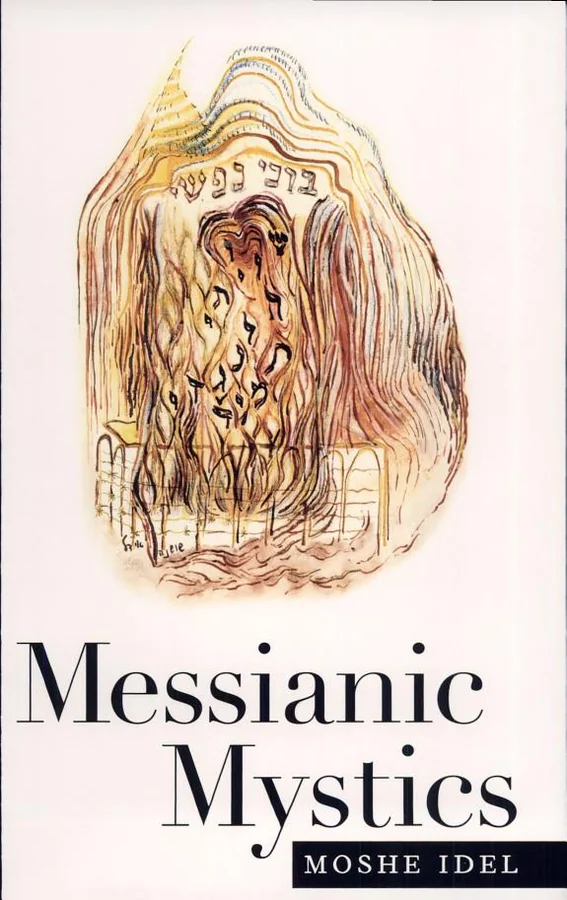
Messianic Mystics
Moshe Idel's "Messianic Mystics" offers a dense, scholarly exploration of how Jewish mystical traditions have consistently informed and fueled messianic expectations. Idel excels at demonstrating the continuity and evolution of these ideas, moving beyond simplistic interpretations of messianism as purely historical or theological. A significant strength is his meticulous tracing of concepts like divine immanence and prophetic consciousness through various kabbalistic schools. However, the sheer academic rigor, while commendable, can render certain sections challenging for readers less familiar with primary kabbalistic texts. The discussion surrounding Abraham Abulafia's ecstatic practices, for instance, vividly illustrates the book's capacity to illuminate the lived, experiential dimension of messianic yearning. Ultimately, Idel provides a crucial, nuanced perspective on a pivotal aspect of Jewish thought.
📝 Description
75
Moshe Idel reconstructs the relationship between messianic fervor and Jewish mystical states in 1995.
Moshe Idel's 1995 book examines the deep connection between messianic anticipation and ecstatic experiences within Judaism. He argues against viewing messianism as a fixed doctrine, instead showing it as a lived reality influenced by Kabbalistic practices. Idel demonstrates how visions and direct encounters with the divine spurred hopes for redemption across Jewish history.
The book scrutinizes "messianic mystics," individuals who claimed divine guidance or prophetic authority, sometimes seeing themselves as harbingers of the messianic age. Idel analyzes historical examples and texts, considering the psychological, theological, and social aspects of these figures and their communities. The emphasis is on the mystic's inner life and how it manifested in collective desires for salvation.
Idel traces the development of messianic thought from medieval Kabbalah, through the Sabbatean movement, and into modern times. He highlights the influence of theological speculation, scriptural interpretation, and historical events on these narratives. The work also considers how these internal Jewish ideas interacted with external philosophical and religious currents.
This work sits within the study of Jewish mysticism, specifically Kabbalah. It investigates the historical and conceptual links between the mystical quest for divine union and the fervent expectation of a messianic era. Idel focuses on how Kabbalistic concepts and practices, such as the structure of the Sefirot and the nature of prophecy, informed and shaped messianic consciousness. The book explores how individual mystical experiences could translate into communal and historical aspirations for redemption, connecting inward spiritual transformation with outward historical aims.
💡 Why Read This Book?
• Gain a nuanced understanding of how kabbalistic practices and theories, particularly the concept of divine immanence, directly shaped Jewish messianic aspirations, offering insights unavailable in general historical accounts. • Explore the specific historical phenomenon of "messianic mystics" and their claims of divine inspiration, as detailed by Idel's analysis of figures like Abraham Abulafia. • Understand the intellectual lineage of messianic thought from medieval Kabbalah through the Sabbatean movement, appreciating its dynamic evolution and internal logic.
⭐ Reader Reviews
Honest opinions from readers who have explored this book.
❓ Frequently Asked Questions
What is the primary focus of Moshe Idel's "Messianic Mystics"?
The book primarily examines the deep connection between Jewish mystical experiences and the development of messianic consciousness and movements throughout Jewish history, particularly through the lens of Kabbalah.
Which historical periods does "Messianic Mystics" cover?
Idel's work spans from medieval Kabbalah, including figures like Abraham Abulafia, through the Sabbatean movement of the 17th century, and into later developments of Jewish messianic thought.
What is the significance of "messianic mystics" in the book?
These are individuals who claimed direct divine experience or prophetic insight, and their personal mystical states are shown by Idel to have directly fueled communal messianic hopes and actions.
How does Kabbalah relate to the messianic ideas discussed?
Kabbalah provides the foundational theological and experiential framework for many messianic concepts in the book, explaining how mystical union with the divine informed the anticipation of redemption.
Who is Moshe Idel and what is his academic standing?
Moshe Idel is recognized as one of the world's leading scholars in Jewish mysticism and Kabbalah, known for his extensive research and influential publications on these subjects.
Is "Messianic Mystics" suitable for beginners in Jewish mysticism?
While comprehensive, the book's scholarly depth may be best appreciated by those with some existing familiarity with Jewish mysticism or Kabbalah, though its insights are valuable for serious students.
🔮 Key Themes & Symbolism
Kabbalistic Roots of Messianism
This theme explores how the intricate doctrines and practices of Kabbalah, particularly its concepts of divine immanence and the structure of the Sefirot, provided a fertile ground for the development of Jewish messianic thought. Idel demonstrates that messianic fervor was not merely a socio-historical phenomenon but was deeply embedded within the mystical quest for union with the divine and the reordering of the cosmos. The book traces how kabbalistic ideas were reinterpreted and applied to create frameworks for understanding and anticipating the arrival of the Messiah.
The Experiential Messiah
Idel focuses on the "messianic mystics" themselves – individuals whose profound, often ecstatic, mystical experiences shaped their perception of themselves and their role in the redemptive process. This theme examines how personal visionary states, claims of prophetic inspiration, and direct communion with the divine were central to the emergence of messianic figures and movements. The work highlights the subjective, internal dimension of messianism, showing how mystical encounters could translate into tangible historical aspirations.
Evolution of Messianic Consciousness
This theme charts the historical trajectory of messianic ideas within Judaism, moving from their early articulations in medieval Kabbalah, through the intense upheavals of the Sabbatean movement in the 17th century, and into subsequent manifestations. Idel illustrates how external historical pressures and internal theological developments continuously reshaped messianic narratives and expectations, demonstrating that messianism was a dynamic and evolving concept, not a static dogma.
Divine Immanence and Redemption
Central to Idel's argument is the concept of divine immanence – the idea that God is present within creation. This theme explores how the mystical pursuit of experiencing this immanence became intrinsically linked to the hope for redemption. For mystics, the realization of God's presence could be seen as a precursor or even an active agent in the process of cosmic and historical restoration, making the messianic age a tangible possibility through spiritual attainment.
💬 Memorable Quotes
Direct passages from the work, attributed to the author.
“The mystical experience is often characterized by an altered state of consciousness.”
— This highlights the core of Idel's argument: that the profound, often non-ordinary states achieved by Jewish mystics were not separate from, but foundational to, their messianic visions and beliefs.
“Messianism is not solely a historical or theological construct but an experiential reality.”
— This interpretation emphasizes Idel's focus on the lived, felt dimension of messianic expectation, rooted in the direct encounters mystics had with the divine.
“The Kabbalistic doctrine of Sefirot provides a map for understanding divine manifestation.”
— This points to the complex theological framework of Kabbalah that Idel uses to explain how mystics perceived the divine realm and its potential influence on the unfolding of history towards redemption.
“Abraham Abulafia's ecstatic methods aimed at achieving prophetic states.”
— This refers to a specific historical figure and his practices, illustrating the book's detailed examination of individuals who embodied the link between mysticism and messianic aspiration.
“The Sabbatean movement represented a critical juncture in messianic history.”
— This interpretation situates a major historical event within Idel's broader narrative of how messianic ideas and movements evolved and impacted Jewish communities.
🌙 Esoteric Significance
Tradition
This work is firmly situated within the study of Jewish Kabbalah, a major esoteric lineage of Western esotericism. Idel's contribution lies in demonstrating how the speculative and experiential dimensions of Kabbalah—particularly its concepts of divine immanence, the structure of the divine realm (Sefirot), and the potential for human-divine communion—directly fueled messianic movements and ideologies.
Symbolism
Key symbols explored include the Sefirot, often depicted as divine emanations or attributes, representing the structure of the Godhead and its relationship to creation. The concept of 'divine sparks' or 'fallen sparks' also plays a role, symbolizing the need for cosmic rectification and redemption. The mystic's own ecstatic states can be seen as symbolic microcosms of the larger redemptive process.
Modern Relevance
Contemporary thinkers and practitioners interested in the intersection of spirituality, psychology, and historical movements find Idel's work invaluable. It informs discussions in comparative mysticism, the study of religious experience, and the ongoing reinterpretation of Kabbalistic ideas in modern esoteric and academic circles, influencing how esoteric traditions engage with their own historical messianic currents.
👥 Who Should Read This Book
• Students of Jewish mysticism and Kabbalah seeking a scholarly examination of the interplay between spiritual experience and messianic expectation. • Scholars of comparative religion and esotericism interested in the historical development of messianic ideas across traditions. • Readers fascinated by the psychology of religious movements and the role of charismatic figures claiming divine inspiration.
📜 Historical Context
Published in 2000, Moshe Idel's "Messianic Mystics" emerged within a rich academic range of Jewish studies, building upon decades of scholarship on Kabbalah and messianism. The work engaged directly with the legacy of scholars like Gershom Scholem, who had previously established the centrality of messianism in Jewish thought, but Idel sought to offer a more nuanced, experience-centered perspective. The book's meticulous analysis of figures like Abraham Abulafia and the Sabbatean movement placed it in dialogue with ongoing debates about the nature of prophecy, ecstaticism, and the psychology of religious movements. While not facing overt censorship, the complex and sometimes controversial nature of Sabbateanism meant that Idel's work contributed to a continuing scholarly re-evaluation of this period, challenging simpler narratives and emphasizing the internal mystical drivers.
📔 Journal Prompts
The Kabbalistic concept of divine immanence and its connection to messianic hope.
Abraham Abulafia's methods for achieving prophetic states and their implications.
The Sabbatean movement as a critical juncture in the evolution of messianic thought.
Personal reflections on the relationship between altered states of consciousness and visionary beliefs.
How do individual mystical experiences shape collective historical expectations?
🗂️ Glossary
Kabbalah
A system of Jewish mysticism and esoteric theology that seeks to understand the nature of God, creation, and the relationship between the divine and the human through symbolic interpretation of religious texts and mystical practices.
Messianism
Belief in a messiah, a savior figure, who will bring about a period of peace, justice, and redemption. In Jewish tradition, this often refers to a divinely appointed leader who will restore Israel and usher in a messianic age.
Sefirot
The ten divine emanations or attributes described in Kabbalistic cosmology, representing the stages through which God manifests in the creation and the structure of the divine realm.
Ecstatic Mysticism
A form of mysticism characterized by intense, often physically manifested, spiritual experiences that involve states of rapture, trance, or union with the divine, often leading to altered perceptions of reality.
Sabbateanism
A messianic movement centered around the 17th-century figure Shabbetai Zevi, who claimed to be the Messiah. The movement had profound and often controversial impacts on Jewish communities worldwide.
Divine Immanence
The philosophical or theological concept that God is present within the universe and all of creation, rather than being transcendent and separate from it.
Prophetic Inspiration
The belief or claim that one receives direct communication, insight, or revelation from a divine source, often leading to the pronouncement of prophecies or divine messages.
This book appears in 1 collection
🔮 Readers Also Liked
Browse all →









From the “Messianism” Collection
View all →





More Free Sacred Texts & Gnosticism Books
View all →