Chave dos profetas
 81
81

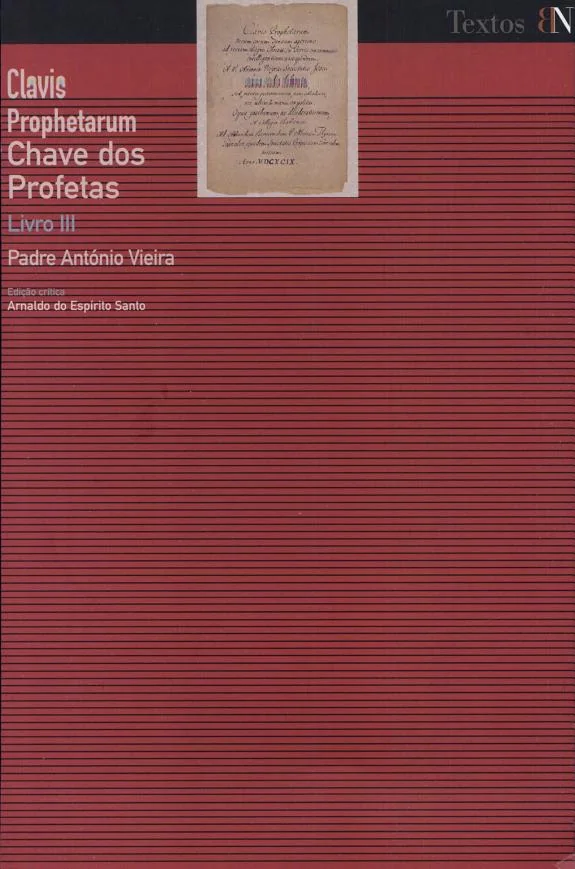
Chave dos profetas
António Vieira's 'Chave dos profetas' offers a dense, challenging engagement with prophetic literature and its application to socio-political realities. The book's strength lies in Vieira's rhetorical power and his intricate weaving of biblical exegesis with contemporary commentary. His sermon on the "Prophecy of the Kings of Judah," for instance, demonstrates a remarkable ability to contextualize ancient texts within the immediate concerns of his 17th-century audience. However, the work’s primary limitation for modern readers is its inherent theological framework, which requires considerable background knowledge of Baroque Catholicism and Portuguese history to fully appreciate. The dense prose and intricate allegories can also present a significant barrier. Ultimately, 'Chave dos profetas' serves as a potent reminder of how religious discourse can be mobilized to interpret and shape historical events, though its accessibility remains a significant hurdle.
📝 Description
81
António Vieira published 'Chave dos profetas' in 2000, a collection of sermons on prophecy.
Published in 2000, 'Chave dos profetas' by António Vieira is a compilation of sermons and writings. While grounded in Catholic theology, these texts engage with prophetic interpretation and eschatological ideas. Vieira uses allegorical and symbolic language to connect spiritual meanings to historical events and divine messages.
Vieira, a Portuguese Jesuit priest active in the 17th century, lived during a time of religious and political change. His work reflects the Counter-Reformation and the Portuguese Restoration War. He often interpreted contemporary events through the lens of biblical prophecy, sometimes to support Portuguese rule. His interest in apocalyptic literature and messianic ideas was common in Iberia then. Vieira's controversial ideas led to scrutiny by the Portuguese Inquisition, showing the sensitive nature of religious discussions during his life.
Vieira's work falls within a tradition that seeks hidden meanings in scripture and history to understand divine will. This approach connects biblical prophecy to contemporary events, suggesting a continuous unfolding of sacred history. His use of allegory and symbolism to reveal spiritual truths aligns with mystical interpretations that look beyond the literal text. This method was common in Baroque religious thought, where prophecy and divine signs were often seen as keys to understanding God's plan and historical direction.
💡 Why Read This Book?
• Gain insight into the "Fifth Empire" concept, a messianic idea that influenced Portuguese national identity and colonial ambitions, as explored by Vieira. • Understand how 17th-century religious discourse, exemplified by Vieira's sermons, integrated biblical prophecy with contemporary political events. • Analyze Vieira's rhetorical strategies in using biblical interpretation to legitimize political power, offering a case study in the historical relationship between faith and state.
⭐ Reader Reviews
Honest opinions from readers who have explored this book.
❓ Frequently Asked Questions
What is the "Fifth Empire" concept discussed in António Vieira's 'Chave dos profetas'?
The "Fifth Empire" is a messianic concept prevalent in Portuguese thought, particularly during the era of Vieira. It posits a future global dominion under Portuguese leadership, divinely ordained, following the succession of four previous empires described in biblical prophecy.
When was António Vieira active as a writer and orator?
António Vieira was active primarily in the 17th century, living from 1608 to 1697. His most influential sermons and writings date from this period, during which he served as a Jesuit priest and advisor.
What historical events influenced the context of 'Chave dos profetas'?
The book's context is shaped by the Counter-Reformation, the Portuguese Restoration War (1640-1668), and prevailing messianic expectations within Portuguese society. Vieira's writings often addressed these contemporary issues.
Did António Vieira face any opposition for his writings?
Yes, António Vieira faced significant opposition and scrutiny, notably from the Portuguese Inquisition. His controversial theological and political interpretations led to accusations of heresy and periods of imprisonment.
How does 'Chave dos profetas' relate to traditional Catholic theology?
While rooted in Catholic doctrine and scripture, 'Chave dos profetas' engages with prophetic and eschatological themes in ways that were sometimes considered unconventional or provocative for his time, reflecting his unique exegetical approach.
What is the primary focus of Vieira's prophetic interpretations in this work?
Vieira's prophetic interpretations focus on understanding God's plan through biblical texts and applying them to the events of his own era, particularly concerning Portugal's destiny and divine favor.
🔮 Key Themes & Symbolism
Divine Providence and History
The work interprets historical events, particularly those concerning Portugal, as manifestations of divine will and prophetic fulfillment. Vieira posits that God actively guides the course of nations, using prophecy as a means to reveal His plan. This theme underscores a worldview where secular history is intrinsically linked to a sacred, unfolding narrative, urging readers to discern spiritual significance in worldly affairs. The interpretation of events through a prophetic lens aimed to provide a framework for understanding national destiny and moral obligation.
The "Fifth Empire" Ideology
A central concept is the messianic 'Fifth Empire,' a future global dominion anticipated for Portugal. Vieira elaborates on this idea, drawing from biblical prophecies and historical cycles. This ideology served not only as a spiritual aspiration but also as a potent political tool, aiming to bolster national pride and legitimize Portuguese claims during periods of uncertainty, such as the Restoration War. It reflects a deep-seated belief in Portugal's divinely appointed role in world history.
Sermonic Rhetoric and Political Influence
Vieira's writings are characterized by sophisticated rhetoric, employing allegorical language and biblical exegesis to influence his audience. 'Chave dos profetas' showcases his skill in using sermons to engage with contemporary political and social issues, framing them within a theological context. The book illustrates how religious discourse could be wielded to shape public opinion, justify actions, and reinforce the authority of both the Church and the state, particularly during the turbulent 17th century.
Prophecy as a Tool of Discernment
The book emphasizes prophecy not merely as prediction but as a divine gift for discerning truth and understanding God's intentions. Vieira guides readers to interpret prophetic signs within their historical context, urging a critical yet faithful approach. This theme highlights the intellectual challenge of aligning scriptural revelation with lived experience, positioning prophecy as a vital element for spiritual and moral guidance in a complex world.
💬 Memorable Quotes
Direct passages from the work, attributed to the author.
“The Word of God is not only a light for the path but also a shield against error.”
— This statement emphasizes the dual function of scripture: providing guidance and offering protection from false doctrines or misinterpretations, particularly relevant in Vieira's context of theological debate.
“History itself is a sermon preached by God.”
— Vieira suggests that worldly events are not random but part of a divine narrative. This perspective encourages readers to seek theological meaning and divine intention within the unfolding of history.
“Prophecy reveals the future that God wills, not the future that men desire.”
— This highlights the distinction between human aspirations and divine plan. True prophecy, for Vieira, aligns with God's ultimate will, which may not correspond to human wishes or political ambitions.
“The Portuguese crown carries the weight of divine destiny.”
— This interpretation reflects the 'Fifth Empire' ideology, suggesting that Portugal's leadership role is not merely political but divinely ordained, placing a significant spiritual responsibility upon its rulers.
💡 Key Ideas
Editorial paraphrase of the work's core concepts — not direct quotes.
To understand the present, one must consult the prophecies of the past.
This paraphrased concept underscores Vieira's method of interpreting current events through the lens of biblical prophecies, suggesting a cyclical or divinely guided continuity between past pronouncements and present realities.
🌙 Esoteric Significance
Tradition
While António Vieira was a Jesuit priest operating within orthodox Catholicism, his work engages with themes that resonate with esoteric traditions, particularly concerning prophecy, divine plan, and symbolic interpretation of history. His focus on eschatology and the "Fifth Empire" concept aligns with messianic currents found in various mystical and millenarian movements throughout history. He departs from strict orthodoxy by applying scriptural prophecy so directly and forcefully to contemporary political events, suggesting a more immanent and active divine intervention in secular affairs than typically emphasized.
Symbolism
The primary symbolic motif is the succession of empires, drawn from biblical visions (like Daniel's). Each empire represents a stage in divine historical progression, culminating in the "Fifth Empire" envisioned for Portugal. Another key symbol is light, representing divine truth, revelation, and correct interpretation, contrasted with the darkness of ignorance or heresy. Vieira often uses allegorical figures and events from scripture as symbolic keys to unlock the meaning of contemporary occurrences.
Modern Relevance
Contemporary thinkers interested in the intersection of religion, politics, and eschatology can find relevance in Vieira's work. His method of interpreting historical events through a prophetic lens is studied by scholars of political theology and religious rhetoric. Furthermore, discussions on national destiny, messianism, and the use of religious discourse in statecraft continue to echo Vieira's concerns, making his analyses pertinent to understanding modern phenomena where faith and power dynamics intertwine.
👥 Who Should Read This Book
• Scholars of Baroque literature and religious history seeking primary source material on 17th-century Portuguese thought and oratory. • Students of political theology and the history of messianism interested in how religious ideas have shaped national narratives and political ambitions. • Readers exploring the complex relationship between faith, prophecy, and power, particularly within the context of Iberian Catholicism and its colonial expansion.
📜 Historical Context
António Vieira (1608-1697) was a towering figure in 17th-century Portuguese intellectual and religious life. His work emerged during the tumultuous period of the Counter-Reformation and the Portuguese Restoration War (1640-1668), a time marked by intense religious fervor and political instability. Vieira's sermons and writings often engaged directly with these events, interpreting them through the lens of biblical prophecy and eschatological expectations. He was a proponent of the messianic "Fifth Empire" ideology, which envisioned a future global dominion under Portuguese leadership. This theological and political framework was characteristic of Iberian thought but was also controversial. Vieira's outspokenness and his engagement with Jewish converts and their traditions led to accusations of heresy, and he faced prolonged scrutiny and imprisonment by the Portuguese Inquisition. His contemporary, the philosopher Francisco Suárez, also grappled with divine law and political legitimacy, though from a different scholastic tradition. Vieira's ability to blend theological exegesis with sharp political commentary made his work both influential and perilous.
📔 Journal Prompts
The concept of the "Fifth Empire" in Vieira's writings.
Vieira's interpretation of historical events as divine sermons.
The role of prophecy in discerning truth versus human desire.
Reflect on the use of biblical allegory in political discourse.
Consider the tension between divine will and human agency in Vieira's framework.
🗂️ Glossary
Fifth Empire
A messianic ideology prevalent in Portuguese thought, envisioning a future global dominion under Portuguese leadership, believed to be divinely ordained according to prophetic interpretations.
Eschatology
The theological study of end times, including doctrines about the final destiny of humanity, the world, and history, often involving prophetic interpretations and apocalyptic scenarios.
Counter-Reformation
The period of Catholic resurgence initiated in response to the Protestant Reformation, beginning roughly in 1545 and ending at the close of the Thirty Years' War (1648). It involved reforms within the Catholic Church and efforts to regain lost adherents.
Restoration War
The war fought between Portugal and Spain from 1640 to 1668, resulting in Portugal's independence from the Iberian Union and the re-establishment of the Portuguese monarchy.
Inquisition
Institutions established by the Catholic Church to combat heresy. The Portuguese Inquisition, active from 1536 to 1821, was known for its severity in rooting out perceived religious deviants.
Allegory
A literary device where characters, events, or settings represent abstract ideas or moral qualities. Vieira frequently employed allegory to convey spiritual or political messages.
Exegesis
Critical explanation or interpretation of a text, especially of the Bible. Vieira's work is characterized by his detailed biblical exegesis.
This book appears in 1 collection
🔮 Readers Also Liked
Browse all →







From the “Messianism” Collection
View all →




More Free Sacred Texts & Gnosticism Books
View all →