Major Trends in Jewish Mysticism

 66
66

Major Trends in Jewish Mysticism

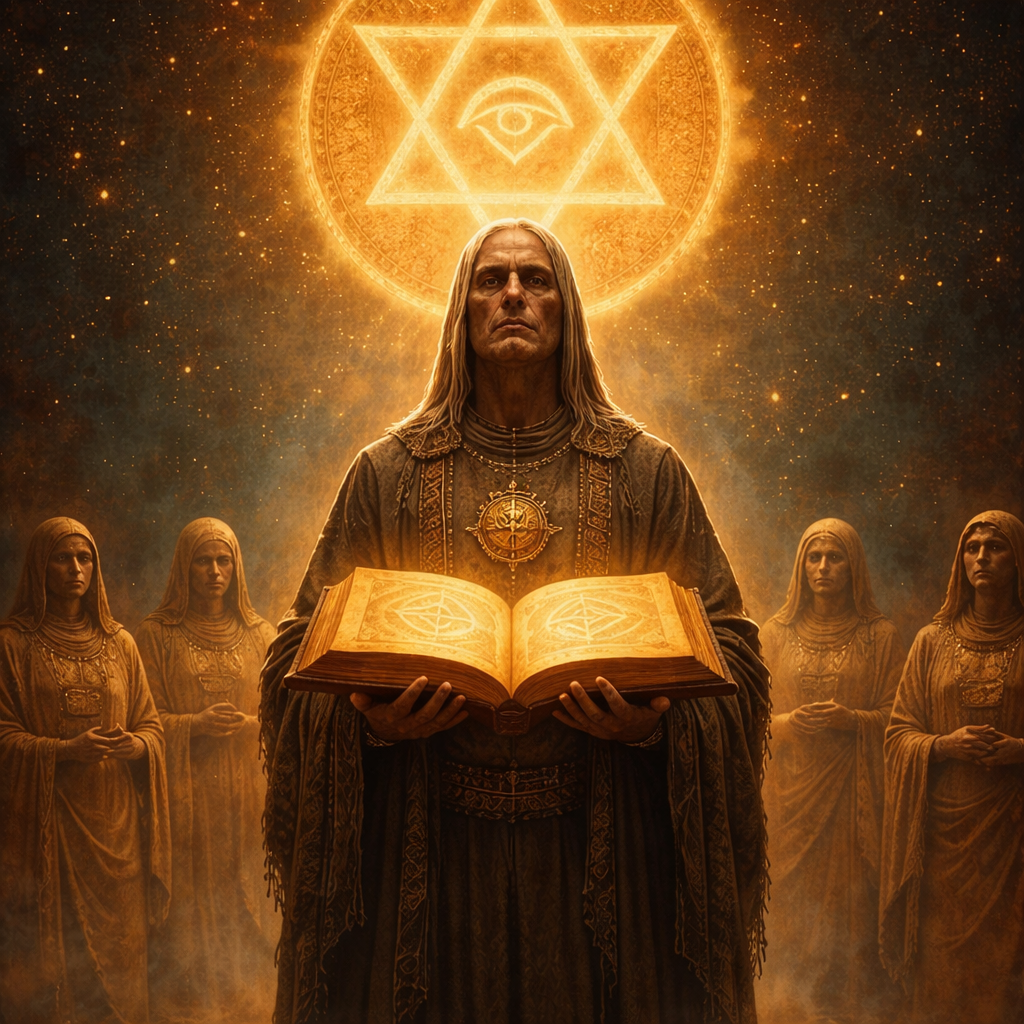

Gershom Scholem's 'Major Trends in Jewish Mysticism' remains an indispensable cornerstone for any serious inquiry into the esoteric heart of Judaism. Scholem, with unparalleled scholarly rigor and a deep, intuitive grasp of mystical experience, charts the evolution of Kabbalistic thought with breathtaking clarity. He masterfully disentangles complex theological doctrines, revealing the vibrant symbolism and profound philosophical underpinnings that characterize this ancient tradition. His analysis of key figures and movements, from the early Merkavah mystics to the profound insights of the Zohar and the Hasidic masters, is both illuminating and deeply inspiring. This work is essential for scholars and practitioners alike who seek to understand the mystical dimensions of Jewish heritage, offering a rich intellectual feast for the discerning reader.
📝 Description
66
Gershom Scholem published 'Major Trends in Jewish Mysticism' in 1941.
Gershom Scholem's 1941 book examines the development of Jewish mysticism. He traces the history of Kabbalah from its early roots, including Gnostic influences, through its later expressions like Hasidism. Scholem explains key concepts such as the Sefirot, the creation myth of Isaac Luria, and the significance of Hebrew letters within this tradition.
The book is written for those seriously interested in mysticism, philosophy, or spiritual inquiry. Scholem presents a detailed account of a spiritual path where divine experience is sought through intense thought and ecstatic prayer. It serves as an introduction to a tradition that seeks a direct connection with the divine.
Jewish mysticism, particularly Kabbalah, represents a complex system of esoteric interpretation within Judaism. It aims to understand the divine nature, the creation of the universe, and humanity's relationship with God through symbolic language and mystical practices. This tradition often involves contemplation of divine emanations (like the Sefirot) and seeks direct, experiential knowledge of the divine, distinguishing it from purely philosophical or legalistic approaches to faith. Scholem's work situates these developments within the broader intellectual and historical context of Jewish thought.
💡 Why Read This Book?
Embark on a transformative journey into the soul of Jewish mysticism. 'Major Trends in Jewish Mysticism' offers unparalleled insight into Kabbalah's hidden realms, from ancient contemplative practices to ecstatic Hasidic fervor. Ideal for scholars, seekers of spiritual wisdom, and practitioners desiring a deeper understanding of esoteric Jewish traditions and their timeless relevance.
⭐ Reader Reviews
Honest opinions from readers who have explored this book.
❓ Frequently Asked Questions
What is Kabbalah?
Kabbalah is the esoteric and mystical tradition within Judaism, seeking to understand the divine nature and the creation of the universe through symbolic interpretation of the Torah and contemplation.
Who was Gershom Scholem?
Gershom Scholem was a pioneering scholar of Jewish mysticism and a leading authority on Kabbalah, whose extensive research revolutionized the academic study of the subject.
What are the 'major trends' discussed?
The book covers key developments in Jewish mysticism, including Merkavah mysticism, early Kabbalah, the Zohar, Lurianic Kabbalah, and Hasidism.
Is this book suitable for beginners?
While a foundational understanding of Jewish history and thought is helpful, Scholem's clear prose makes it accessible to dedicated beginners eager to explore the subject.
What is the philosophical significance of Jewish mysticism?
It offers profound insights into the nature of reality, the human condition, divine immanence, and the potential for spiritual transcendence, influencing Western philosophy and esotericism.
🔮 Key Themes & Symbolism
The Divine Emanation and the Tree of Life
This theme examines the Kabbalistic concept of divine outflow, the Sefirot, which represent attributes or vessels through which the Infinite Ein Sof manifests in the created world. Scholem meticulously traces the development of the Tree of Life diagram, exploring its complex symbolism as a map of both cosmic order and the human soul's journey towards spiritual perfection. The interplay between divine transcendence and immanence is central, clear how the hidden God becomes knowable through these emanatory principles, offering a framework for understanding creation and spiritual ascent.
The Mystical Experience of Unity and Devekut
Central to Jewish mysticism is the concept of 'Devekut,' or cleaving to God. Scholem examines the various paths and practices—contemplation, prayer, ecstatic song, and the study of sacred texts—that facilitate this intense, direct experience of divine presence. This theme explores the ecstatic states, the dissolution of the ego, and the profound sense of unity that mystics seek, moving beyond intellectual understanding to a visceral, transformative encounter with the Infinite. It highlights the passionate yearning for reunion with the divine source.
Messianism and the Redemption of Creation
Jewish mysticism is deeply interwoven with messianic hope and the concept of cosmic redemption. Scholem analyzes how Kabbalistic thought envisions the rectification of the world (Tikkun) through both divine intervention and human action. He explores the messianic yearnings, the role of the Zaddik (righteous one), and the symbolic interpretations of history that imbue the mundane with cosmic significance. This theme reveals how the mystical quest is not solely individual but aims for the ultimate restoration and perfection of all existence.
💬 Memorable Quotes
Direct passages from the work, attributed to the author.
“The Kabbalah is a mystical interpretation of the Bible.”
— This aphorism captures the foundational principle of Kabbalah as a method of uncovering hidden, spiritual meanings within the sacred text of the Torah.
“Mysticism is the experience of the ineffable.”
— This highlights the core of mystical pursuit: the direct, often ecstatic, encounter with a reality that transcends ordinary language and conceptualization.
“The world is full of God's hidden presence.”
— This speaks to the Kabbalistic belief in divine immanence, suggesting that the sacred is not distant but interwoven into the fabric of reality, awaiting discovery.
“To know God is to love God.”
— This captures the ethical and affective dimension of mystical practice, where intellectual knowledge leads to profound devotion and a transformed heart.
“The soul's journey is a return to its source.”
— This reflects the Gnostic and Kabbalistic idea of the soul's origin in the divine and its ultimate spiritual pilgrimage back to that primordial unity.
🌙 Esoteric Significance
Tradition
This work is a reference for understanding the esoteric tradition of Kabbalah, a deeply influential branch of Jewish mysticism. It explores the practical and theoretical dimensions of this path, from meditative techniques and theurgical practices aimed at influencing cosmic forces to profound philosophical speculations on the nature of God, creation, and the human soul's relationship with the divine. Scholem meticulously details its evolution and diverse manifestations.
Symbolism
Jewish mysticism is replete with strong symbolism, and Scholem masterfully deciphers these layers. Key symbols include the Sefirot (divine emanations, often depicted as a Tree of Life), the creative power of Hebrew letters, angelic hierarchies, and the concept of 'Tzimtzum' (divine contraction). These symbols are not mere metaphors but are seen as keys to understanding the structure of reality, the divine will, and the pathways for human spiritual ascent and cosmic repair.
Modern Relevance
Despite its ancient origins, the mystical insights explored by Scholem hold profound relevance today. The quest for deeper meaning, the search for connection in an often fragmented world, and the exploration of consciousness resonate deeply. Kabbalistic concepts of interconnectedness, the divine spark within all beings, and the power of intention offer frameworks for personal growth, ethical living, and a more nuanced understanding of spirituality beyond dogma.
👥 Who Should Read This Book
This key work is essential for anyone seeking a profound understanding of Jewish mysticism. Scholars of religion, philosophy, and Jewish studies will find Scholem's rigorous scholarship invaluable. Spiritual seekers and practitioners, particularly those interested in Kabbalah, will discover a comprehensive roadmap to its core concepts and historical development. Even those new to the subject but possessing a curiosity for esoteric traditions will find it an clear, albeit dense, introduction to a rich and complex spiritual heritage.
📜 Historical Context
Gershom Scholem's 'Major Trends in Jewish Mysticism' emerged in the mid-20th century, a period of profound upheaval and reassessment for Jewish intellectual and spiritual life following the Holocaust. Scholem, a German-born scholar who emigrated to Palestine, was instrumental in establishing Jewish mysticism as a legitimate field of academic study. His work provided a vital counter-narrative to the often secularized or assimilationist trends in modern Jewish thought, reasserting the enduring power and complexity of its esoteric traditions. He drew upon extensive archival research and a deep understanding of comparative mysticism, placing Jewish Kabbalah within broader historical and philosophical contexts. This book offered a crucial bridge for understanding a rich, often misunderstood, heritage, speaking to a generation grappling with identity and the search for meaning.
📔 Journal Prompts
Reflect on a time you felt a deep sense of connection to something larger than yourself. How does this relate to the concept of 'Devekut'?
Scholem discusses the symbolism of Hebrew letters. How can seemingly simple forms carry profound meaning?
Consider the idea of divine emanation. How might this concept influence your view of the world and your place within it?
What does the concept of 'Tikkun' (rectification) mean to you in your personal life and in the broader world?
How do the mystical traditions discussed by Scholem challenge or affirm your existing spiritual beliefs?
🗂️ Glossary
Kabbalah
The esoteric and mystical tradition within Judaism, focused on understanding the divine nature and the creation of the universe through symbolic interpretation and contemplative practices.
Sefirot
Ten divine attributes or emanations through which the Infinite God (Ein Sof) manifests and interacts with the created world, often visualized as the Tree of Life.
Ein Sof
The Kabbalistic term for the Infinite, Unknowable, and Absolute God, beyond all human comprehension or description.
Devekut
A Hebrew term meaning 'cleaving' or 'adherence,' referring to the ecstatic state of intimate communion and intense spiritual union with God.
Tikkun
A Hebrew term meaning 'rectification' or 'repair,' referring to the process of restoring cosmic harmony and perfection, often through human action and spiritual practice.
This book appears in 1 collection
🔮 Readers Also Liked
Browse all →







More by Gershom Scholem
All books →



From the “Kabbalah” Collection
View all →





More Free Kabbalah & Jewish Mysticism Books
View all →