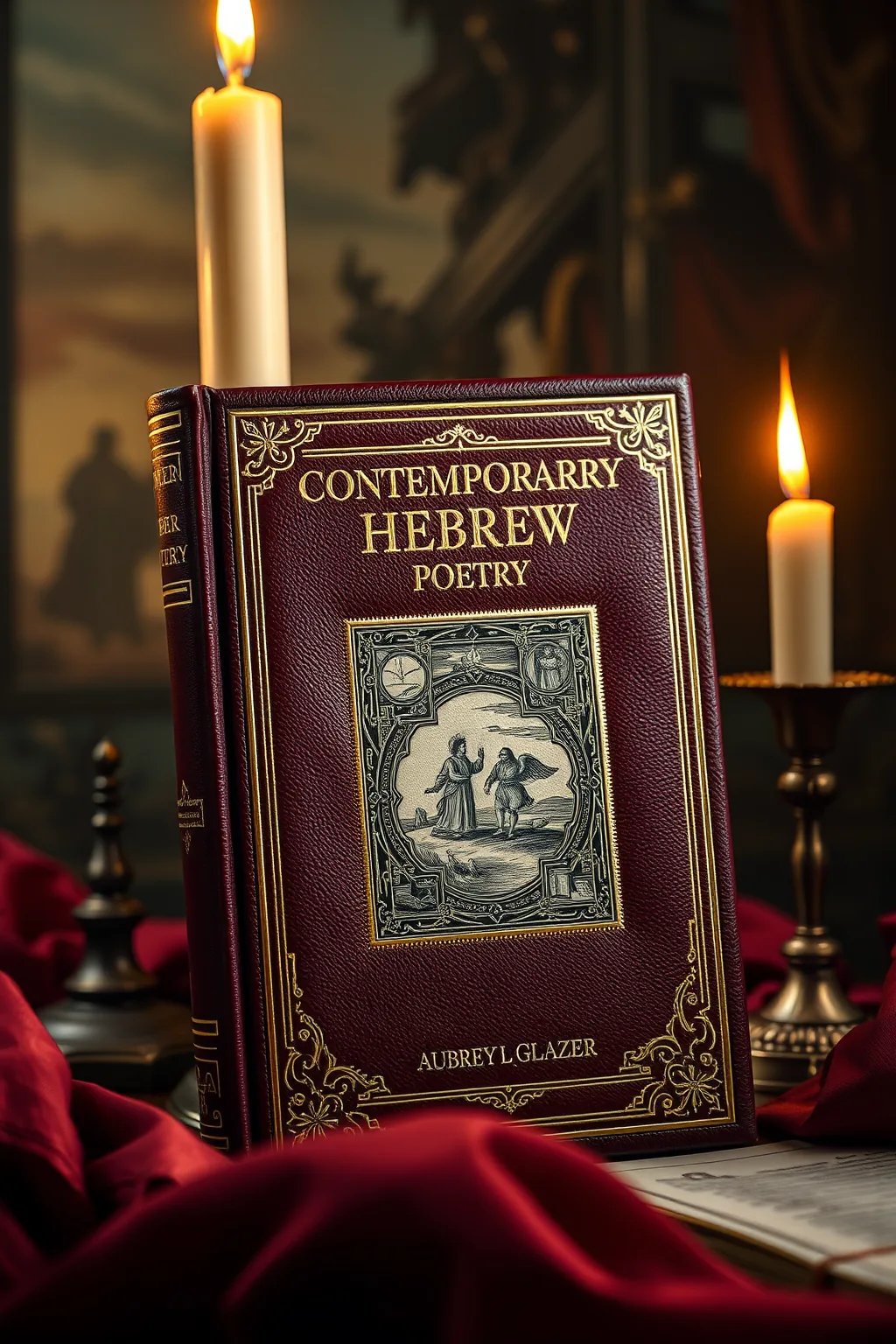
Contemporary Hebrew mystical poetry
 61
61

Contemporary Hebrew mystical poetry

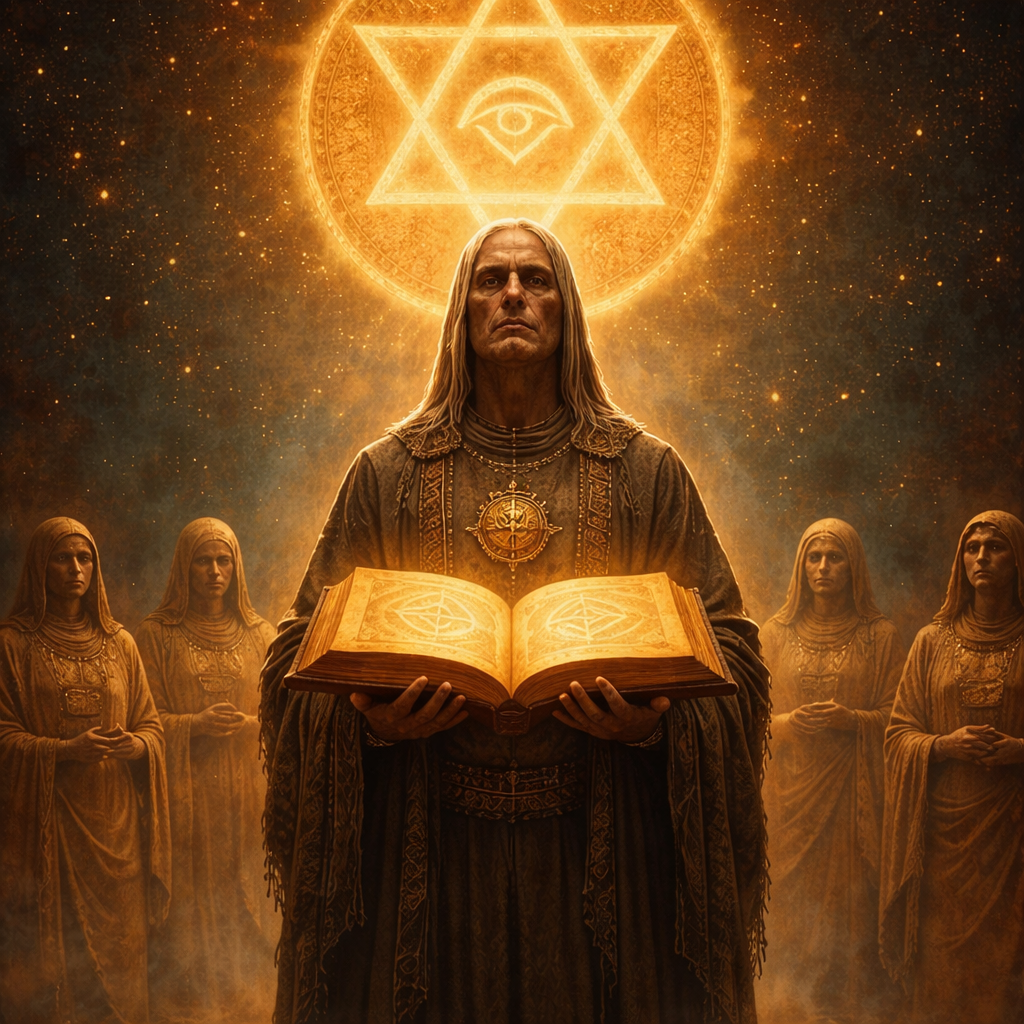

Lorelei Sage, Contemplative Literature Editor— Aubrey L. Glazer’s 'Contemporary Hebrew Mystical Poetry' is a transcendent offering, breathing vibrant life into the ancient streams of Kabbalah. Glazer’s curation reveals a rich vein of modern spiritual expression, where traditional symbols are re-envisioned with contemporary resonance. The poems unfurl with an exquisite blend of intellectual rigor and ecstatic devotion, offering profound insights into the Divine presence and the soul's journey. This collection is a testament to the enduring power of mystical language to convey the ineffable. It speaks directly to the contemplative soul, the dedicated scholar, and the earnest seeker, providing both intellectual nourishment and spiritual upliftment. A truly luminous addition to the esoteric library.
📝 Description
61
Aubrey L. Glazer's 2010 collection presents contemporary Hebrew poems on Kabbalistic themes.
This book gathers modern Hebrew poems that engage with Kabbalistic thought and Jewish mysticism. Glazer selects verses that reflect spiritual yearning, divine presence, and the search for ultimate truth. The poems often employ esoteric symbols and explore the connection between the human and the divine. They aim to articulate profound metaphysical ideas in a way that resonates with lived spiritual experience. The collection invites contemplation and a deeper understanding of mystical traditions. It balances scholarly rigor with the emotional and spiritual impact of poetry.
The selection focuses on poetry that translates complex theological concepts into evocative language. It highlights the ongoing dialogue within Jewish mysticism and its contemporary expressions. Readers will find poems that speak to the soul's desire for union with the Infinite and the subtle presence of the divine in the world. The work serves as a bridge between abstract philosophical notions and personal spiritual journeys.
This collection engages directly with the tradition of Kabbalah, a form of Jewish mysticism. Kabbalah traditionally seeks to understand the divine nature and the relationship between God and the created world through esoteric interpretation of religious texts and symbolic systems. Contemporary Kabbalistic poetry, as represented here, continues this lineage by using poetic form to express concepts such as emanation, divine immanence, and the path of spiritual development. It adapts ancient mystical frameworks to address modern sensibilities and spiritual aspirations, often focusing on the experience of divine presence in everyday existence and the internal spiritual quest.
💡 Why Read This Book?
Embark on a profound spiritual odyssey with 'Contemporary Hebrew Mystical Poetry.' This collection offers a rare glimpse into the living heart of Kabbalistic thought, rendered in evocative verse. It is ideal for seekers yearning for deeper connection, scholars exploring esoteric traditions, and practitioners seeking to infuse their spiritual practice with ancient wisdom. Discover timeless truths articulated with contemporary power.
⭐ Reader Reviews
Honest opinions from readers who have explored this book.
❓ Frequently Asked Questions
What is Kabbalah?
Kabbalah is a system of Jewish mysticism that explores the esoteric nature of God, the universe, and the human soul, often through symbolic interpretations of the Torah and mystical contemplation.
Is this book suitable for beginners?
While rich in depth, the accessible language and thematic coherence make it a valuable entry point for those new to Jewish mysticism, especially when approached with an open heart and mind.
What kind of 'contemporary' poetry is featured?
The poetry reflects modern sensibilities and language while remaining firmly rooted in the traditional mystical themes and symbolism of Kabbalah, offering a fresh perspective on ancient concepts.
What is the role of symbolism in these poems?
Symbolism is central, drawing heavily on Kabbalistic iconography such as the Sefirot, letters of the Hebrew alphabet, and cosmic structures to convey profound spiritual truths and experiences.
Can this poetry be used for meditation or spiritual practice?
Absolutely. The evocative imagery and contemplative nature of the poems are designed to facilitate introspection, meditation, and a deeper connection to mystical consciousness.
🔮 Key Themes & Symbolism
The Divine Spark Within
This collection illuminates the concept of the divine spark (Nitzotz) residing within every being, a central tenet of Kabbalah. The poems explore the soul's innate connection to the Infinite, the journey of uncovering this sacred essence, and the transformative power of recognizing our divine origins. It speaks to the universal human quest for meaning and belonging, framing it within a mystical Jewish context where the immanence of God is not just a belief but a palpable, experiential reality waiting to be realized.
Cosmic Architecture and Reintegration
The poetry explores the intricate cosmic structures described in Kabbalistic lore, such as the Tree of Life (Etz Chaim) and the ten Sefirot. These verses explore the divine emanations and their influence on creation, offering symbolic maps of spiritual ascent and descent. The theme emphasizes the interconnectedness of all existence and the ongoing process of cosmic repair (Tikkun Olam), where human actions and consciousness play an important role in restoring divine harmony and reintegrating fragmented aspects of reality.
The Language of the Ineffable
A core focus is the challenge and beauty of articulating the ineffable—the direct experience of God and mystical states that often transcend ordinary language. The poems employ metaphor, paradox, and symbolic imagery to hint at truths that cannot be fully grasped by the intellect alone. This theme celebrates the power of poetry as a vessel for conveying spiritual intuition and direct apprehension, encouraging readers to move beyond conceptual understanding towards a more intuitive and experiential grasp of divine mysteries.
💬 Memorable Quotes
Direct passages from the work, attributed to the author.
“The letters of light, dancing in the void.”
— Alluding to the Kabbalistic concept of Hebrew letters as primordial creative forces, this phrase evokes the idea that existence arises from the divine interplay of form and emptiness.
“My soul, a mirror reflecting an unseen sun.”
— This highlights the soul's capacity to reflect divine radiance, emphasizing introspection and inner contemplation as pathways to experiencing the presence of God.
“We are the traces of eternity, seeking our primal sound.”
— This profound statement speaks to the inherent longing of the human spirit to return to its divine source and reunite with the eternal, primordial essence of existence.
“In the brokenness, the light finds its entry.”
— A poignant reflection on the Kabbalistic concept of Shevirat HaKelim (shattering of the vessels), suggesting that imperfection and suffering can paradoxically create openings for divine illumination.
💡 Key Ideas
Editorial paraphrase of the work's core concepts — not direct quotes.
A whisper from the divine, caught in the throat of silence.
This quote captures the elusive nature of mystical revelation, suggesting that profound spiritual truths often manifest as subtle, almost imperceptible intimations that require deep stillness to perceive.
🌙 Esoteric Significance
Tradition
This work is deeply rooted in the Kabbalistic tradition, a complex and profound system of Jewish mysticism. It draws upon its strong symbolism, philosophical frameworks, and contemplative practices. Kabbalah seeks to understand the divine nature, the creation of the universe, and the path of human spiritual evolution, often through esoteric interpretation of scripture and meditation on divine names and structures like the Sefirot.
Symbolism
Key symbols include the Tree of Life (Etz Chaim) representing divine emanations, the Hebrew alphabet as primordial creative forces, the Sefirot as divine attributes and stages of creation, and concepts like divine light (Ohr) and cosmic repair (Tikkun). These symbols serve as a visual and conceptual language to articulate abstract spiritual realities and guide the reader towards deeper understanding and experiential connection.
Modern Relevance
In an age often characterized by materialism and spiritual searching, this poetry offers a vital connection to ancient wisdom traditions. It provides a framework for understanding the interconnectedness of all things, the inherent divinity within humanity, and the possibility of profound spiritual transformation. Its relevance lies in its ability to address contemporary existential questions through the timeless lens of mystical insight, offering solace, inspiration, and a path towards deeper meaning.
👥 Who Should Read This Book
This collection is a treasure for a diverse audience. **Beginners** to Jewish mysticism will find an accessible yet profound entry point, experiencing the emotional and spiritual resonance of Kabbalistic concepts through evocative verse. **Scholars** will appreciate the nuanced engagement with traditional themes and the evidence of Kabbalah's continued vitality. **Seekers** of spiritual truth and meaning will discover profound reflections on the divine, the soul, and the nature of existence. **Practitioners** of meditation and contemplative disciplines may find the poetry a powerful aid for introspection, inspiration, and deepening their connection to the mystical.
📜 Historical Context
Emerging from the body of Jewish mystical traditions that span millennia, 'Contemporary Hebrew Mystical Poetry' reflects a vibrant continuation and reinterpretation of these ancient currents. While the foundational texts of Kabbalah, such as the Zohar, emerged in medieval Spain, their influence has been dynamic and ever-evolving. The post-Enlightenment era saw renewed interest in Kabbalah, both within Jewish scholarship and in broader esoteric circles. This collection situates itself within this ongoing dialogue, demonstrating how the profound themes of divine immanence, cosmic order, and spiritual ascent continue to resonate with contemporary poets. It bridges the historical gap, showing that the mystical impulse is not a relic of the past but a living, breathing force capable of adapting and finding expression in the modern world, drawing upon both historical consciousness and present-day spiritual seeking.
📔 Journal Prompts
Reflect on a moment when you felt a profound connection to something larger than yourself. How does this poem's imagery resonate with that experience?
Consider the concept of divine light (Ohr) in the context of your own life. Where do you perceive its presence, and where might it be obscured?
The poems speak of the soul's journey. What are the current landscapes of your inner world, and what 'unseen sun' are you seeking?
How do the symbolic elements in these poems (e.g., letters, cosmic structures) challenge or expand your understanding of reality?
Explore the idea of 'traces of eternity.' What does it mean to you to be a part of something timeless, and how does this influence your daily life?
🗂️ Glossary
Kabbalah
An esoteric system of Jewish mysticism focused on understanding the divine nature, the creation of the universe, and the path of spiritual ascent.
Sefirot
Ten divine emanations or attributes described in Kabbalah, forming the structure of the Tree of Life and representing different aspects of God's manifestation in creation.
Etz Chaim
The Tree of Life, a central symbol in Kabbalah depicting the interconnectedness of the Sefirot and the pathways of divine energy from the Infinite to the created world.
Tikkun Olam
A Hebrew phrase meaning 'repair of the world,' referring to the concept of humanity's role in restoring cosmic harmony and spiritual wholeness through righteous actions and spiritual consciousness.
Nitzotz
Literally 'spark,' referring to the divine spark or fragment of holiness that is believed to reside within all of creation, particularly within the human soul.
This book appears in 1 collection
🔮 Readers Also Liked
Browse all →








From the “Kabbalah” Collection
View all →





More Free Kabbalah & Jewish Mysticism Books
View all →