Kabbalah
 61
61

Kabbalah


Sophia Crane (Associate Editor) — Elka Deitsch's 'Kabbalah' is an essential gateway to the esoteric heart of Jewish mysticism. Deitsch masterfully deciphers complex concepts, making them accessible without sacrificing their profound mystery. The text breathes with the ancient energy of Kabbalistic thought, offering readers not just knowledge, but an invitation to direct experience. Its strength lies in its elegant synthesis of scholarly insight and spiritual depth, particularly in its exploration of ritual objects and the potent symbolism of amulets. This is a vital resource for anyone serious about understanding the Kabbalistic worldview, from neophytes to seasoned practitioners seeking deeper resonance.
📝 Description
61
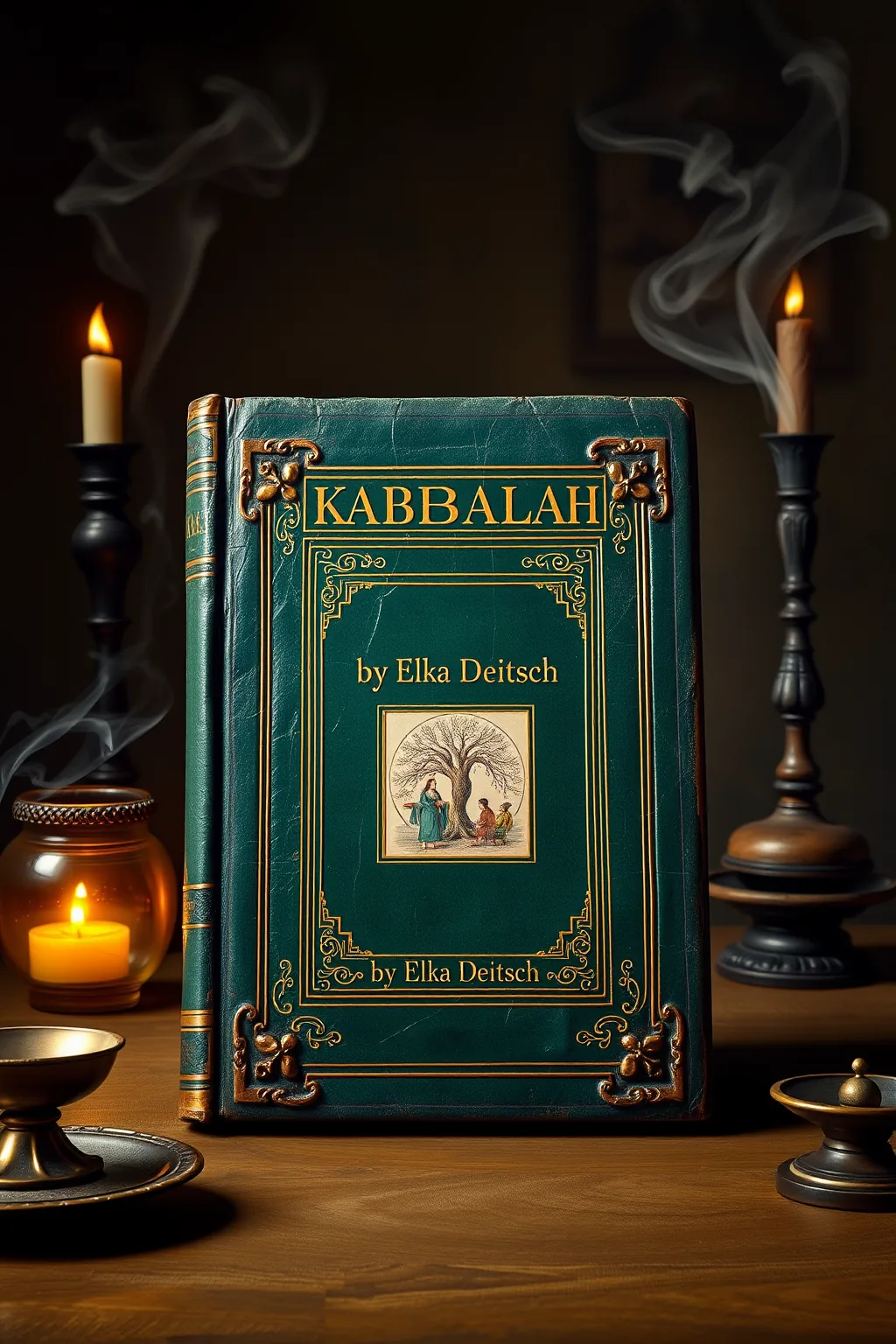
Elka Deitsch's book published in 2006 offers a detailed look at Kabbalah.
This book examines Kabbalah, a mystical tradition within Judaism. Deitsch structures the text around the Tree of Life, detailing the Sefirot, or divine emanations. It also discusses the symbolic language used in Kabbalistic thought and practices aimed at spiritual advancement. The author connects cosmic concepts to earthly life. The work is intended for those interested in the philosophical and spiritual aspects of this tradition. It seeks to provide a clear understanding of Kabbalistic ideas and their implications for personal transformation.
The book covers concepts such as the creative force of the universe and the significance of divine names. It aims to clarify how an understanding of these principles can alter one's perspective and lead to spiritual insight. The author presents Kabbalah as a system for understanding the relationship between the divine and the material world. It is written for readers seeking to engage with the core tenets of this esoteric practice.
Kabbalah is a school of Jewish mysticism that emerged in the 12th century in Southern France and Spain. It interprets the Torah and Jewish tradition through a symbolic and allegorical lens, seeking to understand the nature of God, creation, and humanity's relationship with the divine. Key concepts include the Ein Sof (the Infinite), the Sefirot (divine emanations), and the process of creation as a divine unfolding. Kabbalah has influenced various esoteric and mystical movements outside of Judaism as well.
💡 Why Read This Book?
Unravel the universe's hidden architecture and your place within it. This book offers a profound journey into the esoteric roots of Jewish mysticism, revealing the symbolic language of creation and the path to spiritual awakening. Ideal for seekers of hidden knowledge, scholars of ancient traditions, and practitioners wishing to deepen their understanding of Kabbalistic principles.
⭐ Reader Reviews
Honest opinions from readers who have explored this book.
❓ Frequently Asked Questions
What is the primary focus of this book on Kabbalah?
This book offers a comprehensive exploration of Kabbalah, emphasizing its mystical and esoteric dimensions. It delves into the Tree of Life, divine emanations, symbolic language, and the spiritual practices central to this ancient tradition.
Is prior knowledge of Judaism required to understand this book?
While familiarity with Judaism enhances comprehension, Elka Deitsch's clear explanations make this work accessible to those new to the tradition. The focus is on the mystical teachings, which transcend specific religious dogma.
What are Sefirot?
Sefirot are the ten divine emanations or attributes through which God creates and sustains the universe. They form the structure of the Kabbalistic Tree of Life and represent various aspects of the divine consciousness.
How does the book discuss Jewish art and symbolism?
The book examines how Kabbalistic concepts are expressed through Jewish art, amulets, and liturgical objects. It reveals the hidden meanings and spiritual significance embedded within these cultural artifacts.
Can this book be used for spiritual practice?
Yes, the book provides insights into Kabbalistic contemplative practices and the philosophical underpinnings that can guide personal spiritual growth and a deeper connection to the divine.
🔮 Key Themes & Symbolism
The Tree of Life and Divine Emanations
Central to Kabbalistic cosmology is the Tree of Life, a diagram representing the divine structure of existence. This theme explores the ten Sefirot, the attributes or vessels through which the Infinite Light manifests and flows into creation. Understanding their interconnectedness reveals the subtle pathways of divine energy and the process of cosmic manifestation, offering a map for spiritual ascent and a clear insights into the nature of reality.
Symbolism and Hidden Meanings
Kabbalah is a tradition rich in symbolic language, where every letter, name, and concept carries multiple layers of meaning. This theme studies the esoteric significance of Hebrew letters, gematria (numerical values of words), and the allegorical interpretations of biblical narratives. Discover how these symbols serve as keys to unlocking divine secrets, revealing the hidden architecture of the cosmos and the spiritual journey of the soul.
Mysticism in Jewish Art and Ritual Objects
This theme explores the profound integration of Kabbalistic principles within Jewish art, amulets, and liturgical objects. From the intricate designs of synagogue architecture to the protective power imbued in amulets, these elements are not mere decoration but conduits of spiritual energy and carriers of sacred knowledge. Understanding these artifacts offers a tangible connection to the mystical traditions and their enduring influence on Jewish spiritual life.
💬 Memorable Quotes
Direct passages from the work, attributed to the author.
“Within the silence, the traces of creation can be heard.”
— Highlights the importance of inner stillness and contemplation in Kabbalah for perceiving the subtle divine presence and understanding the origins of existence.
“The letters of the Torah are keys to unlocking the divine mind.”
— Emphasizes the sacredness of the Hebrew alphabet in Kabbalah, where each letter is seen as a vessel of profound cosmic and spiritual meaning, integral to divine communication.
“To know the self is to begin the journey towards the Infinite.”
— Points to the introspective nature of Kabbalistic practice, asserting that self-awareness is the foundational step in the spiritual quest for union with the divine.
“Every object holds a spark of the divine, waiting to be recognized.”
— Illustrates the concept of immanence in Kabbalah, suggesting that divinity is present in all aspects of creation, and spiritual insight lies in perceiving this sacred essence.
💡 Key Ideas
Editorial paraphrase of the work's core concepts — not direct quotes.
The universe is a divine range woven with threads of light.
This quote captures the Kabbalistic view of creation as a manifestation of divine energy, suggesting an underlying order and beauty accessible through spiritual perception.
🌙 Esoteric Significance
Tradition
Kabbalah represents the heart of Jewish esoteric and mystical tradition, offering a profound system for understanding the nature of God, creation, and the human soul. It provides a framework for spiritual contemplation, seeking direct experience of the divine through the study of sacred texts, symbolic interpretation, and meditative practices aimed at achieving union with the Infinite.
Symbolism
The symbolic language of Kabbalah is vast and multi-layered. Key symbols include the Tree of Life (representing divine emanation and cosmic structure), the Sefirot (divine attributes), Hebrew letters (each carrying cosmic significance), and various allegorical interpretations of biblical narratives. These symbols serve as tools for spiritual ascent, revealing hidden truths about reality and the divine.
Modern Relevance
In contemporary times, Kabbalah continues to captivate seekers from diverse backgrounds. Its exploration of consciousness, interconnectedness, and the quest for meaning resonates deeply. The principles offer a profound framework for personal growth, ethical living, and understanding the spiritual dimensions of existence, making it a vibrant and relevant path for many reading through the complexities of the modern world.
👥 Who Should Read This Book
This book is an indispensable resource for anyone drawn to the profound mysteries of Jewish mysticism. Beginners will find clear, accessible introductions to core concepts like the Tree of Life and Sefirot. Scholars will appreciate the depth of research and insightful analysis. Spiritual seekers and practitioners will discover practical insights for contemplation and a deeper understanding of esoteric principles, offering a luminous path towards spiritual awakening and a richer connection to the divine.
📜 Historical Context
Kabbalah emerged and flourished within the rich intellectual and spiritual range of medieval Judaism, primarily in Southern France and Spain, from the 12th century onwards. This era was marked by intense philosophical inquiry, cultural exchange, and a deep yearning for spiritual transcendence amidst periods of both flourishing and persecution. Kabbalists sought to reconcile the perceived contradictions between divine transcendence and immanence, developing intricate cosmologies and mystical methodologies. Their work built upon earlier Jewish esoteric traditions, synthesizing them into a comprehensive system that profoundly influenced subsequent Jewish thought, art, and practice. The Zohar, the foundational text of Kabbalah, emerged during this period, becoming a central to Jewish mystical literature and shaping generations of scholars and mystics.
📔 Journal Prompts
Reflect on a time you felt a profound sense of interconnectedness with the universe. How might Kabbalistic concepts explain this experience?
Choose one Sefirah from the Tree of Life and meditate on its attributes. How do these qualities manifest in your own life and the world around you?
Consider a common object or symbol from your daily life. What hidden meanings or spiritual significance could it hold through a Kabbalistic lens?
How can the study of esoteric symbolism enhance your understanding of yourself and your spiritual path?
Explore the concept of divine immanence. Where do you perceive the 'spark of the divine' in your own experiences or in the world today?
🗂️ Glossary
Sefirot
The ten divine emanations or attributes through which God creates and sustains the universe. They form the structure of the Kabbalistic Tree of Life.
Ein Sof
The Kabbalistic term for the 'Infinite' or 'Without End,' representing God in His absolute, unknowable, and transcendent state before manifestation.
Gematria
A method of Kabbalistic interpretation that assigns numerical values to Hebrew letters and words, seeking hidden connections and meanings between them.
Tzimtzum
The concept of divine 'contraction' or 'withdrawal,' understood as the necessary act of God to create space for the existence of the universe.
Ayin
Literally 'nothingness,' but in Kabbalah, it refers to a state beyond all conception, a point before creation where even the Ein Sof is beyond definition.
This book appears in 1 collection
🔮 Readers Also Liked
Browse all →








From the “Kabbalah” Collection
View all →





More Free Kabbalah & Jewish Mysticism Books
View all →