What is a Talisman?
A talisman is an object believed to possess specific magical properties, often inscribed with symbols or sigils, intended to bring good fortune, protection, or other desired effects. Unlike amulets, which primarily offer protection, talismans are typically created with a specific purpose or intent. Their efficacy is often linked to the materials used, the time of their creation, and the ritualistic procedures followed by the maker. The concept appears across numerous cultures and historical periods, reflecting a universal human desire to influence or ward off unseen forces.
Best Books for Complete Beginners
Beginners can start with 'Everybody's Book of Luck' (Anonymous), which provides a broad overview of luck-related objects and practices, including simple charms. 'The Magic World' by E. Nesbit offers accessible stories that touch upon magical objects and their effects, providing imaginative context. For a focused look at specific charms, 'The Horse Shoe' by Edward G. Flight explains the history and significance of a common protective symbol. Lady Wilde's 'Ancient legends, Mystic Charms & Superstitions of Ireland' introduces foundational folklore concerning charms and superstitions in a digestible manner.
Intermediate Reading
Intermediate students can deepen their understanding with 'Credulities past and present' by William Jones (1898), which offers a scholarly examination of amulets and talismans within broader folklore. Isidore Kozminsky's 'The Magic and Science of Jewels and Stones' (1915) provides detailed information on the magical properties of gemstones. Charles Godfrey Leland's 'Gypsy Sorcery and Fortune Telling' (1891) looks at practical folk magic and incantations. Fletcher Pratt's 'The Blue Star' offers a narrative exploration of magical artifacts and their use within a fictional context.
Classical / Advanced Texts
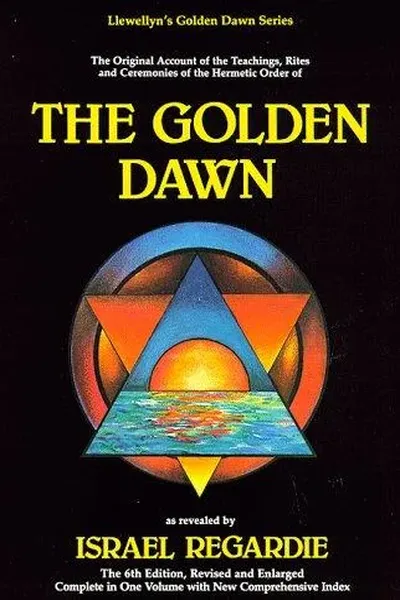
For advanced study, 'Steven Ashe - The Complete Golden Dawn Initiate' (2007) offers insights into a structured magical system that includes talismanic construction. 'Chic Cicero & Sandra Tabatha Cicero - Tarot Talismans - Invoke the Angels of the Tarot' (2006) presents a specific method for creating talismans linked to Tarot symbolism. Nick Farrell's 'Making Talismans - Living Entities of Power' (2001) provides advanced techniques for creating potent, active talismans. These texts require prior knowledge and a commitment to practical application.
Reading Order — Step by Step
Begin with foundational concepts in 'Everybody's Book of Luck' and the folklore presented in Lady Wilde's 'Ancient legends, Mystic Charms & Superstitions of Ireland' (Weeks 1-2). Progress to the historical context of 'Credulities past and present' by William Jones and the gemology in 'The Magic and Science of Jewels and Stones' by Isidore Kozminsky (Month 2). For Month 3 and beyond, engage with practical applications in Nick Farrell's 'Making Talismans' and the Golden Dawn system outlined by Steven Ashe, or explore Tarot-based talismans with the Ciceros.
Frequently Asked Questions
Which talisman book should I read first?
For a foundational understanding, begin with 'Everybody's Book of Luck' (Anonymous) for general concepts, or Lady Wilde's 'Ancient legends, Mystic Charms & Superstitions of Ireland' for historical folklore.
Are talismans real?
Belief in the efficacy of talismans varies. Historically and culturally, they have been significant tools for protection and influence, with their power often attributed to symbolic meaning, ritual, or perceived spiritual forces.
What is the difference between a talisman and an amulet?
While often used interchangeably, talismans are typically created with a specific purpose or intent to attract something, whereas amulets primarily serve to protect against harm or negative influences.
Can I make my own talisman?
Yes, many texts discuss the process of creating talismans. Books like Nick Farrell's 'Making Talismans' offer detailed instructions on materials, symbolism, and ritualistic consecration.
What materials are commonly used for talismans?
Common materials include metals, gemstones, wood, bone, and parchment, often inscribed with specific symbols, sigils, or prayers relevant to the talisman's intended purpose.
Do talismans require religious or spiritual belief?
The effectiveness of a talisman is often tied to the belief system of the user and the practitioner. While some traditions link them to specific deities or spiritual forces, others focus on symbolic power and personal intention.