A New Kabbalah for Women

 62
62

A New Kabbalah for Women

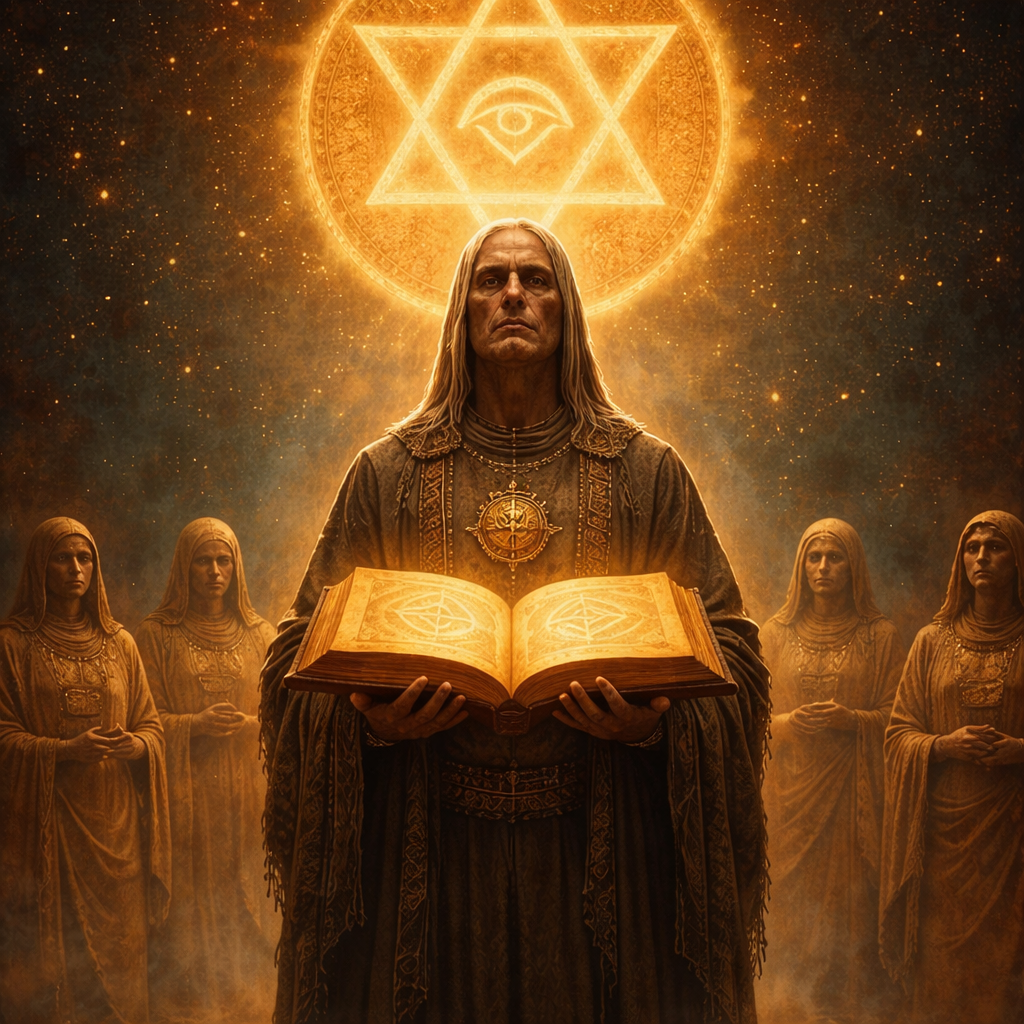

Perle Besserman's 'A New Kabbalah for Women' is a revelation, a meticulously researched yet deeply intuitive reinterpretation of Kabbalistic thought. Besserman illuminates the often-obscured feminine aspects within this ancient mystical system, revealing how concepts like the Shekhinah are not mere allegories but potent forces for spiritual empowerment. Her work is essential for anyone seeking a more holistic understanding of Jewish mysticism, particularly those drawn to feminist spirituality or the reclamation of ancient wisdom. The book’s strength lies in its ability to bridge scholarly depth with accessible, evocative prose, making complex esoteric ideas resonate with contemporary seekers.
📝 Description
62
Perle Besserman's 1995 book reframes Kabbalah through a distinctly feminine perspective.
Perle Besserman's 'A New Kabbalah for Women' examines Jewish mystical traditions by focusing on the feminine aspects of divinity and creation. The author works to uncover how symbols and spiritual paths within Kabbalah have been interpreted through a patriarchal lens, often obscuring the significance of the divine feminine.
Besserman connects Kabbalistic concepts to earlier Mesopotamian and Hebrew sources, suggesting a long history of gender symbolism that influenced Western thought. The book aims to provide a more inclusive understanding of Kabbalah for individuals seeking spiritual empowerment. It encourages readers to engage with the concept of the Shekhinah, the divine presence, and to recognize the sacred feminine in their spiritual lives and the world around them.
This work situates itself within contemporary efforts to reinterpret and expand traditional esoteric systems to include marginalized perspectives. While Kabbalah has a long history of scholarship and practice, Besserman's approach specifically addresses how a focus on the feminine can reveal new layers of meaning. It engages with the broader spiritual currents that emerged in the late 20th century, seeking to democratize access to mystical traditions and integrate diverse voices and experiences.
💡 Why Read This Book?
Uncover the profound, often overlooked feminine dimensions of Kabbalah and Jewish mysticism. 'A New Kabbalah for Women' offers an empowering perspective for spiritual seekers, scholars, and practitioners interested in divine feminine wisdom, ancient symbolism, and a more inclusive path to esoteric knowledge. Reclaim your sacred inheritance and deepen your connection to the divine.
⭐ Reader Reviews
Honest opinions from readers who have explored this book.
❓ Frequently Asked Questions
What is Kabbalah?
Kabbalah is a complex esoteric tradition within Judaism that explores the mystical nature of God, the universe, and the human soul. It seeks to understand the hidden meanings of the Torah and the divine creation through symbolic interpretation and meditative practices.
How does this book differ from traditional Kabbalah texts?
This book specifically focuses on the feminine aspects and energies within Kabbalah, often marginalized in historical interpretations. It re-centers the Shekhinah (divine feminine presence) and explores how women can engage with and embody these mystical principles.
Is this book suitable for beginners in mysticism?
Yes, while rich in esoteric detail, Besserman's accessible writing style makes 'A New Kabbalah for Women' an excellent starting point for those new to Kabbalah or seeking to explore feminist spirituality.
What are the origins of the gender symbols discussed?
The book traces the origins of many Western gender symbols back to ancient Mesopotamian and Hebrew sources, dating from approximately 3100-600 BCE, highlighting their deep roots in early spiritual and cultural development.
What is the significance of the Shekhinah?
The Shekhinah represents the indwelling divine presence of God, often personified as feminine. In Kabbalah, understanding and connecting with the Shekhinah is crucial for spiritual wholeness and experiencing God's immanence in the world.
🔮 Key Themes & Symbolism
The Divine Feminine and the Shekhinah
This theme explores the profound significance of the Shekhinah, the immanent divine feminine presence, within the Kabbalistic framework. Besserman reclaims and amplifies this often-understated aspect of God, presenting it not merely as an abstract concept but as a palpable force for creation, nurture, and spiritual connection. The text explores how women can actively engage with and embody the Shekhinah's energies, fostering personal empowerment and a deeper, more intimate relationship with the divine. It illuminates the pathways for recognizing and integrating the sacred feminine within oneself and the wider cosmos, challenging traditional patriarchal interpretations and offering a more holistic spiritual paradigm.
Ancient Symbolism and Gender Origins
Unearthing the deep roots of Western gender symbolism, this theme traces its lineage back to ancient Mesopotamian and Hebrew sources from the first millennium BCE. Besserman meticulously demonstrates how these primordial symbols, embedded in early cosmologies and spiritual practices, continue to shape our understanding of gender and the divine. The book offers a fascinating glimpse into the esoteric origins of archetypal imagery, revealing how ancient cultures perceived the interplay of masculine and feminine energies in the universe. This exploration provides a critical historical and symbolic context for understanding contemporary spiritual dialogues and the enduring power of ancient wisdom.
Feminist Spirituality and Kabbalistic Reinterpretation
Fundamentally, , 'A New Kabbalah for Women' is a powerful articulation of feminist spirituality within the body of Jewish mysticism. Besserman reinterprets Kabbalistic texts and concepts through a lens that prioritizes the feminine experience and agency. This reinterpretation challenges established hierarchies and opens up new avenues for women to access and practice Kabbalah authentically. The book is a evidence of the evolving nature of spiritual traditions and the vital importance of inclusive perspectives, empowering women to find their voice and their sacred place within a lineage of profound esoteric knowledge, fostering a more balanced and comprehensive understanding of the divine.
💬 Memorable Quotes
Direct passages from the work, attributed to the author.
“Wisdom flows from the wellspring of the Shekhinah.”
— Here, the Shekhinah is presented as the ultimate source of divine knowledge and understanding, suggesting that accessing the feminine aspect of God is key to profound spiritual insight.
“Ancient symbols echo in the modern soul.”
— This suggests that the archetypal symbols originating from ancient cultures, particularly those related to gender and the divine, continue to resonate deeply within the human psyche today.
“The Tree of Life is a map of the soul’s journey.”
— This frames the Kabbalistic Tree of Life not just as a symbolic diagram but as a dynamic guide for personal spiritual development and exploration.
💡 Key Ideas
Editorial paraphrase of the work's core concepts — not direct quotes.
The feminine aspect of God is not an absence, but a presence.
This quote emphasizes that the divine feminine, often marginalized, is not a void but a powerful and active force within the Godhead, integral to creation and spiritual experience.
To know the divine is to know the self, and to know the self is to know the divine.
This quote highlights the interconnectedness of self-knowledge and divine knowledge, a central tenet in many mystical traditions, implying that introspection leads to understanding the divine.
🌙 Esoteric Significance
Tradition
This work is deeply rooted in the esoteric tradition of Kabbalah, a mystical branch of Judaism that explores the hidden nature of God and creation. Besserman reinterprets these ancient teachings through a feminist lens, emphasizing the often-understated divine feminine aspects, particularly the Shekhinah. It offers a profound engagement with the symbolic language, meditative practices, and cosmological frameworks that characterize Kabbalistic thought, making its esoteric wisdom accessible and relevant for a modern audience seeking a more inclusive spiritual path.
Symbolism
The book meticulously deciphers the strong symbolism inherent in Kabbalah, from the sefirot on the Tree of Life to ancient gender archetypes. Besserman highlights how these symbols are not static but dynamic expressions of divine energies and cosmic principles. She explores the deep connection between primal Mesopotamian and Hebrew symbols and their enduring influence on Western thought, revealing how seemingly simple icons carry profound esoteric meanings. Understanding this symbolism is presented as a key to unlocking deeper levels of spiritual awareness and connection to the fundamental forces of existence.
Modern Relevance
In an era increasingly seeking gender equality and holistic spiritual understanding, 'A New Kabbalah for Women' offers profound modern relevance. It provides a framework for reclaiming the divine feminine, empowering individuals, especially women, to connect with spiritual power traditionally associated with male deities. The book's exploration of ancient symbols and their lasting impact speaks to a contemporary desire to understand the roots of our cultural and spiritual heritage. It offers a pathway for integrating ancient esoteric wisdom into modern life, fostering personal growth, spiritual inclusivity, and a more balanced worldview.
👥 Who Should Read This Book
This informative text is essential for spiritual seekers of all backgrounds yearning for a deeper, more inclusive understanding of mysticism. Scholars of comparative religion and Jewish studies will find Besserman's reinterpretation important for its scholarly rigor and fresh perspectives. Practitioners of Kabbalah and those interested in feminist spirituality will discover empowering insights and new ways to engage with sacred texts and practices. Beginners to esoteric traditions will appreciate the accessible yet profound exploration of ancient wisdom, making it an ideal starting point for a transformative spiritual journey.
📜 Historical Context
Perle Besserman's 'A New Kabbalah for Women' emerges from a body of intellectual and spiritual ferment, particularly within the latter half of the 20th century, a period marked by a resurgence of interest in mysticism and a growing awareness of feminist perspectives. The book draws heavily on the historical development of Kabbalah, a mystical tradition deeply rooted in Jewish thought that gained prominence in medieval Europe, particularly in Spain and Safed. Its origins can be traced to earlier Jewish esoteric traditions, but it coalesced into its distinct form through texts like the Zohar. Besserman situates her work within this lineage, but importantly, challenges the patriarchal interpretations that often dominated the discourse. By connecting Kabbalistic concepts to ancient Mesopotamian and Hebrew symbolism, she provides a vast historical sweep, linking contemporary spiritual quests to the very genesis of Western symbolic language and religious thought, offering a bridge between ancient wisdom and modern seekers.
📔 Journal Prompts
Reflect on a symbol of feminine power in your life or culture. What does it represent to you, and how does it connect to the divine?
Consider the concept of the Shekhinah. How does imagining God's presence as feminine alter your perception of the divine?
Explore the ancient symbols discussed in the book. Do any resonate with your personal experiences or spiritual understanding?
How can the principles of reclaiming feminine spiritual power be applied to contemporary societal challenges?
Write about a time you felt a profound connection to something greater than yourself. What elements of that experience might be linked to the 'divine feminine'?
🗂️ Glossary
Kabbalah
An esoteric tradition within Judaism that seeks to understand the divine nature of God, the universe, and the human soul through symbolic interpretation and mystical practices.
Shekhinah
The feminine personification of God's immanent presence, representing divine indwelling, nurturing, and the connection between the earthly and the divine realms in Kabbalistic thought.
Sefirot
The ten divine emanations or attributes described in Kabbalah, forming the structure of the Tree of Life, through which God reveals himself and manifests the universe.
Tree of Life (Etz Chayim)
A central symbolic diagram in Kabbalah representing the divine structure of the universe, the pathways of creation, and the journey of the soul towards divine consciousness.
Esoteric
Intended for or likely to be understood by only a small number of people with a specialized knowledge or interest; relating to mystical, spiritual, or occult doctrines.
This book appears in 1 collection
🔮 Readers Also Liked
Browse all →







More by Perle Besserman
All books →




From the “Kabbalah” Collection
View all →









More Free Kabbalah & Jewish Mysticism Books
View all →