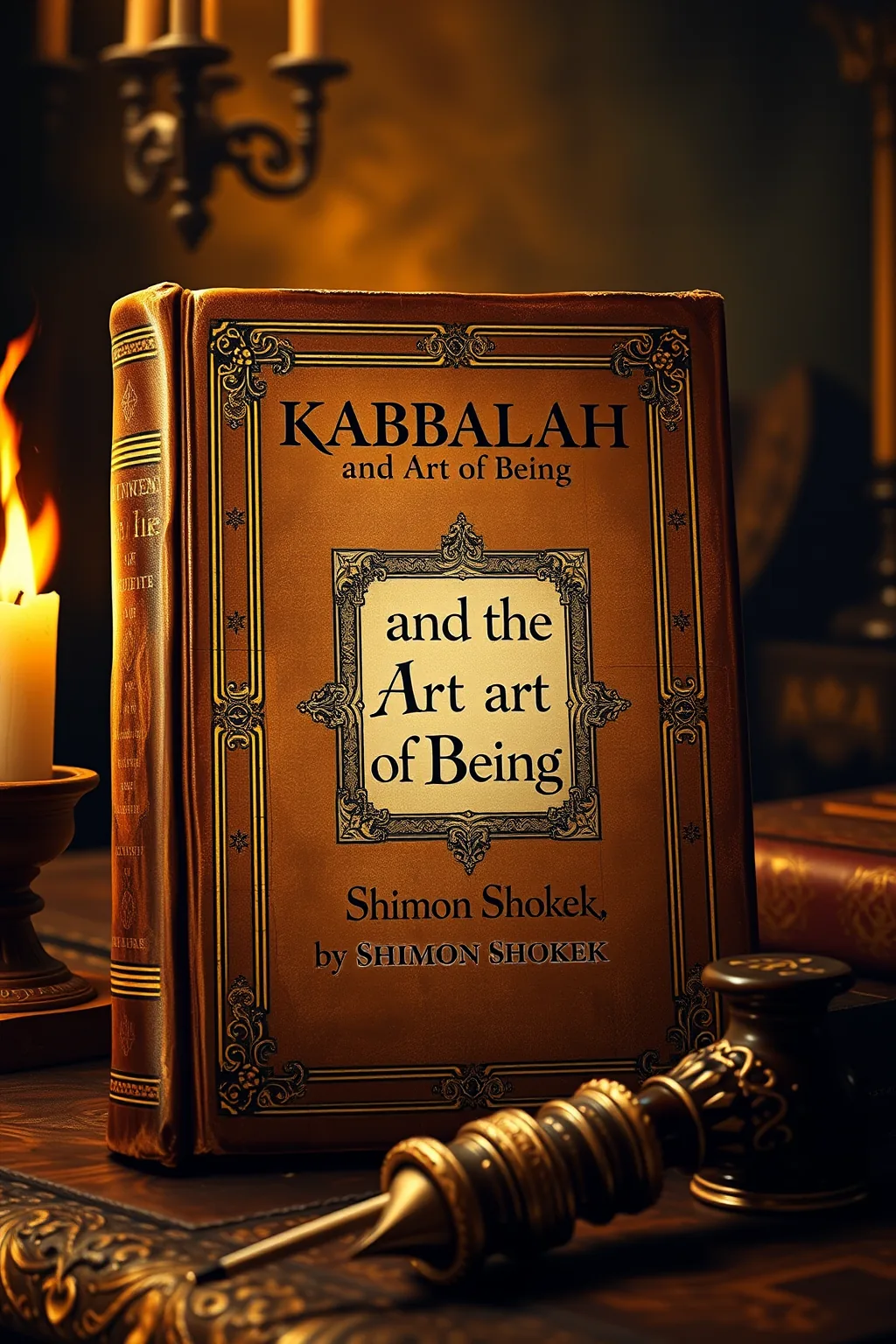
Kabbalah and the Art of Being
 62
62

Kabbalah and the Art of Being


Silas Hawthorne (Hermetic Studies Editor) — Shimon Shokek's "Kabbalah and the Art of Being" is a truly exceptional gateway into the intricate world of Jewish mysticism. Shokek masterfully bridges the seemingly disparate realms of Kabbalistic doctrine and existential philosophy, revealing profound psychological and spiritual insights. His lucid explanations of complex concepts like the Sefirot and the nature of creation offer a fresh perspective, even for seasoned practitioners. This work is particularly valuable for its ability to render ancient esoteric wisdom accessible without sacrificing its depth. Highly recommended for anyone seeking a more integrated understanding of the self and the universe through the lens of Kabbalistic thought.
📝 Description
62
Shimon Shokek's 1998 book analyzes Kabbalah through the frameworks of existentialism and psychology.
In "Kabbalah and the Art of Being," Shimon Shokek examines the Jewish mystical tradition of Kabbalah. He connects its ancient symbolism and cosmology with modern philosophical and psychological thought, particularly existentialism. Shokek aims to show how Kabbalistic ideas illuminate the human search for meaning and spiritual completeness.
The book details key Kabbalistic concepts like the divine emanations, the Sefirot, and the nature of the soul. It presents these not just as historical doctrines but as relevant tools for understanding the individual's place in the universe. Shokek's approach seeks to integrate mystical insights with a contemporary understanding of the self. The work is intended for those interested in a deeper engagement with spiritual and philosophical questions.
Kabbalah represents a specific strand within Jewish mysticism, originating in medieval Spain and evolving through centuries of commentary and practice. It concerns itself with the nature of God, creation, divine emanations (Sefirot), and the path of human ascent towards the divine. Unlike exoteric Judaism, Kabbalah uses symbolic language and speculative theology to explore hidden meanings in scripture and the cosmos. Shimon Shokek's work situates this tradition within broader philosophical dialogues, linking its esoteric concepts to existential concerns about being and consciousness.
💡 Why Read This Book?
Unlock the profound, existential dimensions of Kabbalah. Shimon Shokek offers a unique psychological and spiritual interpretation of Jewish mysticism, revealing timeless wisdom for contemporary seekers. Ideal for those exploring the interconnectedness of the soul, creation, and the human experience. Discover the art of being through the esoteric teachings of the Kabbalah.
⭐ Reader Reviews
Honest opinions from readers who have explored this book.
❓ Frequently Asked Questions
What is Kabbalah?
Kabbalah is the esoteric, mystical tradition within Judaism that explores the divine nature, the creation of the universe, and the relationship between God and humanity through symbolic interpretation of scripture and mystical contemplation.
What is the "Art of Being" in this context?
The "Art of Being" refers to the practical application of Kabbalistic principles to one's daily life, aiming for a deeper, more authentic, and spiritually integrated existence, understanding one's place in the cosmos.
Does this book assume prior knowledge of Kabbalah?
While some familiarity is helpful, Shokek's clear exposition makes the core concepts accessible to newcomers, while offering new insights for those already familiar with the subject.
How does this book relate Kabbalah to psychology?
Shokek explores the psychological archetypes and processes inherent in Kabbalistic teachings, drawing parallels between mystical experiences and the human psyche's journey towards self-discovery and wholeness.
What are the main themes explored?
The book delves into the nature of God, the process of creation, the structure of the universe (Sefirot), the human soul's journey, and the practical implications of these concepts for spiritual growth and ethical living.
🔮 Key Themes & Symbolism
The Sefirot as Archetypes of Being
This theme examines the ten divine emanations, the Sefirot, as not merely abstract concepts but as profound archetypes that shape both the cosmos and the human psyche. Shokek illuminates how understanding these divine attributes – from Keter (Crown) to Malkhut (Kingdom) – offers a blueprint for spiritual growth, ethical conduct, and the integration of one's own being. The exploration transcends mere intellectual study, aiming to foster a lived experience of these divine energies within the practitioner, revealing their role in creation and redemption.
Existentialism and the Kabbalistic Quest
Shokek masterfully bridges the gap between ancient Kabbalistic thought and modern existential philosophy. This theme examines how Kabbalah addresses fundamental human questions of meaning, freedom, responsibility, and the search for authentic existence. It reveals how the Kabbalistic journey, with its emphasis on self-awareness and divine connection, provides a powerful framework for confronting the existential dilemmas of life, offering a path towards self-realization and purpose within the vastness of existence.
The Kabbalistic Understanding of Creation
This crucial theme unpacks the Kabbalistic narrative of creation, moving beyond literal interpretations to explore its profound symbolic and psychological layers. Shokek guides readers through the complex processes of divine emanation and the 'tzimtzum' (divine contraction), illustrating how the universe and all its inhabitants are intrinsically connected to their divine source. This perspective offers a holistic view of existence, emphasizing the sacredness of all things and the potential for humanity to participate in the ongoing creative act.
💬 Memorable Quotes
Direct passages from the work, attributed to the author.
“Creation is an ongoing act of divine love.”
— This highlights the Kabbalistic view that the universe is not static but continuously brought into being through a benevolent divine force, emphasizing interconnectedness and divine presence.
“To know oneself is to know the divine.”
— This points to the core Kabbalistic principle of self-discovery as a path to spiritual enlightenment, where understanding one's own essence reveals the divine spark within.
“The universe reflects the divine order.”
— This emphasizes the inherent structure and harmony within creation, suggesting that by studying the cosmos, one can gain insight into the divine mind and its intricate designs.
“The path to redemption is through integration.”
— This suggests that spiritual wholeness and liberation are achieved by unifying disparate aspects of oneself and one's relationship with the divine and the world.
💡 Key Ideas
Editorial paraphrase of the work's core concepts — not direct quotes.
The Kabbalah offers a map of the soul.
This quote suggests that Kabbalistic teachings are not just theoretical but provide a structured guide for understanding the inner workings and journey of the human spirit.
🌙 Esoteric Significance
Tradition
This book is deeply rooted in the esoteric tradition of Kabbalah, the mystical dimension of Judaism. It explores the ancient teachings concerning divine emanations (Sefirot), the structure of the cosmos, and the spiritual journey of the soul. Shokek presents Kabbalah as a path to direct experience of the divine and a profound understanding of reality, moving beyond exoteric religious practice to uncover hidden layers of meaning and spiritual potential.
Symbolism
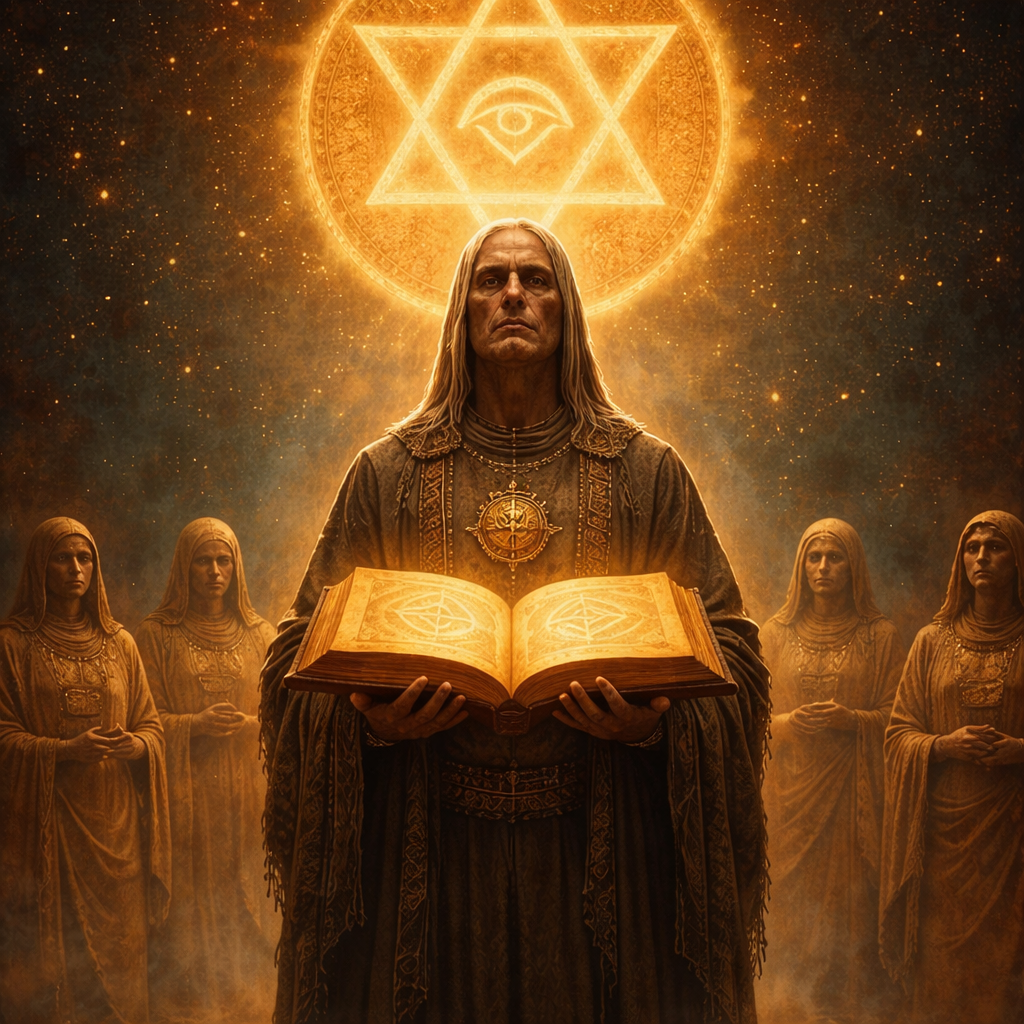
Central to the esoteric significance is Kabbalah's rich symbolic language. Shokek deciphers key symbols such as the Tree of Life, the Hebrew letters, and the various divine names. These are not mere representations but are considered potent keys to unlocking cosmic secrets and understanding the interplay between the material and spiritual realms. The symbolism serves as a vehicle for gnosis, guiding the practitioner towards higher states of consciousness and a deeper connection with the divine.
Modern Relevance
The book's modern relevance lies in its bridge-building between ancient esoteric wisdom and contemporary existential and psychological concerns. Shokek demonstrates that Kabbalistic principles offer clear insights into the human condition, addressing issues of identity, purpose, and the search for meaning in an often fragmented world. By framing Kabbalah through an existential lens, the work makes its transformative potential accessible to a modern audience seeking spiritual depth and a more integrated sense of self.
👥 Who Should Read This Book
This informative text is a valuable collection for a diverse range of readers. For the dedicated **seeker of spiritual truth**, it offers a profound and accessible entry point into the heart of Jewish mysticism. **Students of comparative religion and philosophy** will find Shokek's interdisciplinary approach to Kabbalah and existentialism particularly valuable for scholarly analysis. **Practitioners of esoteric traditions** seeking to deepen their understanding of universal principles will discover a rich source of wisdom. Even **beginners curious about the deeper meaning of existence** will find guidance in its clear explanations and evocative prose, making it a versatile read for anyone drawn to the mysteries of the soul and the cosmos.
📜 Historical Context
Shimon Shokek's "Kabbalah and the Art of Being" emerges from a body of Jewish mystical thought that has evolved over the past millennium. The Kabbalah, reaching its zenith in medieval Spain and Safed, developed complex cosmologies and meditative practices aimed at understanding God's immanence and transcendence. This tradition, often shrouded in secrecy, sought to reveal the hidden meanings within the Torah and the divine structure of the universe. Shokek's work, written in the late 20th century, engages with this ancient lineage by applying modern philosophical and psychological frameworks, particularly existentialism. This contextualizes Kabbalah not just as a historical religious phenomenon, but as a living, breathing system of thought profoundly relevant to the human search for meaning in the contemporary world, demonstrating its enduring influence and adaptability.
📔 Journal Prompts
Reflect on a time you felt a deep sense of connection to something larger than yourself. How might the Kabbalistic concept of divine emanation apply to this experience?
Consider the Sefirot as archetypes within your own personality. Which Sefirah do you most resonate with, and why? How can you cultivate the qualities of another Sefirah?
How does the Kabbalistic idea of creation as an ongoing process influence your perception of your own life and choices?
Explore the concept of 'Tzimtzum' (divine contraction) in relation to moments of perceived limitation or absence in your life. What potential for presence or growth might exist within these spaces?
In what ways can understanding the 'Art of Being' through Kabbalah help you read through the existential challenges of modern life?
🗂️ Glossary
Sefirot
The ten divine emanations or attributes through which God creates and sustains the universe, forming the central structure of Kabbalistic cosmology.
Tzimtzum
A key Kabbalistic concept referring to the divine self-contraction or withdrawal, creating a primordial void for creation to emerge.
Ein Sof
The Kabbalistic term for the 'Infinite' or 'Without End,' representing God in His absolute, unknowable, transcendent essence before any manifestation.
Keter
The first Sefirah, often translated as 'Crown,' representing the highest divine will and the ultimate source of all emanation.
Malkhut
The tenth Sefirah, translated as 'Kingdom,' representing the divine presence in the created world and the receptacle of divine influence.
This book appears in 1 collection
🔮 Readers Also Liked
Browse all →








More by Shimon Shokek
All books →
From the “Kabbalah” Collection
View all →







More Free Kabbalah & Jewish Mysticism Books
View all →