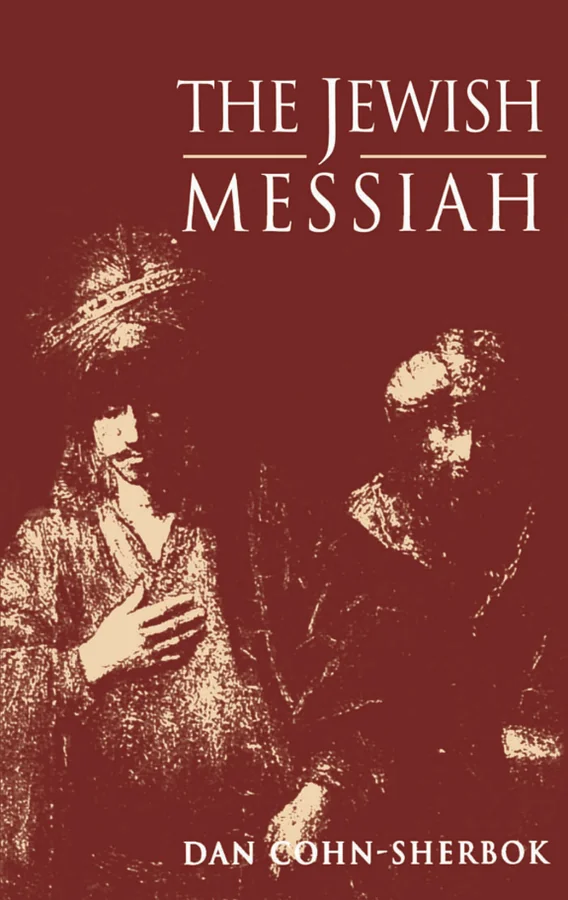
Jewish Messiah
 79
79

Jewish Messiah
Cohn-Sherbok’s "Jewish Messiah" provides a granular examination of a concept central to Jewish identity and eschatology. Its primary strength lies in its exhaustive coverage, meticulously detailing the scriptural basis and subsequent rabbinic interpretations of the Messianic figure. The author effectively charts the concept’s transformation from early prophetic visions to later philosophical and mystical understandings. A notable limitation, however, is the book's densely academic prose, which might present a barrier for readers unaccustomed to extensive theological exegesis. The section detailing the diverse interpretations of the Messiah during the Second Temple period, specifically referencing figures debated by scholars like Geza Vermes, offers a particularly clear illustration of the era's complex Messianic landscape. Ultimately, "Jewish Messiah" serves as a vital, if demanding, reference for serious students of religious history.
📝 Description
79
Dan Cohn-Sherbok's Jewish Messiah traces the Messianic concept from ancient biblical texts to modern theology.
Published in 1997, Dan Cohn-Sherbok's Jewish Messiah provides a thorough examination of the Messianic idea in Judaism. The book follows this concept from its origins in biblical scriptures, through centuries of rabbinic thought and philosophical discussion, up to contemporary theological viewpoints. Cohn-Sherbok details how historical events and societal changes, from the Second Temple period through the diaspora and into modern times, affected Messianic interpretations.
The work addresses specific aspects of Messianism, such as the character of the Messiah, the indicators of the Messianic era, and the Messiah's function in national and universal redemption. It distinguishes between the varied Messianic figures and expectations that have appeared across different historical periods and within distinct Jewish sects. This study is designed for those seeking an in-depth academic grasp of Messianism, moving beyond superficial understandings.
This book examines the Messianic concept, a central theme in Jewish mysticism and eschatology. It situates these ideas within a broader tradition of apocalyptic thought found in Abrahamic faiths. By detailing the evolution of Messianic expectations, the work touches upon the symbolic language and theological frameworks used to understand divine intervention and future redemption. Readers interested in the development of Messianic lore will find a structured approach to a complex and enduring subject.
💡 Why Read This Book?
• Gain a nuanced understanding of the Messiah concept's development across three thousand years, as detailed in Cohn-Sherbok's extensive analysis of biblical and rabbinic texts. • Explore the societal and political pressures that shaped Messianic expectations, particularly evident in the book's discussion of the Second Temple period. • Differentiate between various Messianic interpretations, learning how figures like Bar Kokhba represented distinct historical moments of hope and disillusionment.
⭐ Reader Reviews
Honest opinions from readers who have explored this book.
❓ Frequently Asked Questions
What are the earliest biblical references to a Messianic figure?
The work explores early biblical passages, such as those in Isaiah and Jeremiah, which lay the groundwork for Messianic expectations. These texts, dating from the 8th to 6th centuries BCE, describe a future king from the line of David who will bring peace and justice.
How did rabbinic Judaism interpret the Messiah differently from earlier texts?
Rabbinic interpretations, particularly those emerging after the destruction of the Second Temple in 70 CE, expanded on the biblical narratives. They emphasized the Messiah's role in universal redemption and the establishment of a spiritual kingdom, moving beyond purely political restoration.
Does the book discuss specific individuals claimed to be the Messiah?
Yes, "Jewish Messiah" examines historical figures who were identified as the Messiah by their followers, such as Bar Kokhba in the 2nd century CE, and analyzes the contexts and consequences of these claims.
What is the relationship between the Jewish Messiah and the Christian concept of Jesus?
The book focuses on the Jewish understanding of the Messiah, contrasting it with later Christian interpretations. It highlights the distinct theological frameworks and historical expectations that differentiate the two perspectives.
When was Dan Cohn-Sherbok's "Jewish Messiah" first published?
Dan Cohn-Sherbok's "Jewish Messiah" was first published in 1997, providing a scholarly overview of the subject accessible to a broad academic audience interested in religious history.
Does the book cover mystical or Kabbalistic views of the Messiah?
While primarily focusing on biblical and rabbinic traditions, the work touches upon later theological developments, including how mystical traditions interpreted the Messianic era and figure, though it is not exclusively a Kabbalistic study.
🔮 Key Themes & Symbolism
Biblical Foundations
This theme examines the earliest scriptural references to a Messianic figure, primarily within the Hebrew Bible. It scrutinizes texts from prophets like Isaiah and Jeremiah, identifying the nascent ideas of a divinely appointed king from David's lineage who would usher in an era of justice and peace. The exploration highlights how these foundational texts established the core attributes and eschatological role later ascribed to the Messiah, setting the stage for subsequent theological interpretations and debates across Jewish history.
Rabbinic Development
The evolution of Messianic thought within rabbinic Judaism is a central focus. After the destruction of the Second Temple in 70 CE, interpretations shifted, emphasizing the Messiah's role in spiritual redemption and the establishment of a universal kingdom of God. The work details how the Talmud and Midrashic literature expanded upon biblical prophecies, addressing the nature of the Messianic age, the signs of its arrival, and the communal responsibilities of the Jewish people during the interim period.
Historical Messianic Figures
Cohn-Sherbok addresses specific individuals in Jewish history who were hailed as the Messiah or who generated Messianic fervor. The book analyzes figures like Bar Kokhba during the 2nd century CE, examining the socio-political conditions that led to their emergence and the impact of their movements on Jewish history and subsequent Messianic expectations. This theme provides concrete examples of how the abstract concept of the Messiah manifested in historical events.
Philosophical and Modern Interpretations
The work traces the adaptation of Messianic ideas through philosophical discourse, from medieval thinkers to modern theologians. It explores how Enlightenment ideals and secularization influenced interpretations, leading to concepts of collective Messianic action or a purely ethical Messianic era. This theme demonstrates the concept's enduring relevance and its capacity to be reinterpreted within changing intellectual landscapes and existential contexts.
💬 Memorable Quotes
Direct passages from the work, attributed to the author.
“The biblical texts present a developing picture of Messianic hope.”
— This statement highlights the dynamic nature of the Messianic idea within its earliest scriptural sources. It suggests that the concept was not static but evolved over time, reflecting different historical circumstances and theological understandings within ancient Israel.
“Rabbinic literature significantly expanded the theological and practical dimensions of Messianism.”
— This observation points to the crucial role of post-biblical Jewish tradition in elaborating on the Messianic concept. It underscores how rabbis interpreted and applied biblical prophecies to their own era, shaping communal aspirations and religious practice.
“Messianic movements often arose in periods of intense political and social upheaval.”
— This interpretation connects the emergence of Messianic claimants and movements to specific historical crises. It suggests that times of oppression or national distress were fertile ground for the belief in a divinely-sent redeemer.
“The concept of the Messiah underwent reinterpretation in response to historical events like the destruction of the Temple.”
— This signifies how major historical catastrophes prompted significant theological adjustments. The failure of earlier Messianic hopes, particularly around 70 CE, forced a reevaluation of the Messiah's role and the nature of redemption.
“Modern Jewish thought grapples with the Messianic ideal in secular and ethical terms.”
— This reflects the ongoing process of adapting ancient religious concepts to contemporary philosophical frameworks. It indicates how the Messianic promise is understood today, often through the lens of social justice and human progress rather than a literal, supernatural intervention.
🌙 Esoteric Significance
Tradition
While "Jewish Messiah" primarily engages with mainstream biblical, rabbinic, and philosophical traditions, its detailed exploration of Messianic expectations touches upon undercurrents relevant to esoteric studies. The development of Messianic thought within Judaism, particularly its permutations during periods of persecution or intense spiritual seeking, often intersects with mystical interpretations found in Kabbalah. Cohn-Sherbok's work provides the foundational historical and theological context from which these more esoteric branches of Jewish mysticism drew and elaborated their unique cosmologies and redemptive narratives.
Symbolism
The concept of the Messiah itself is a potent symbol of ultimate redemption, divine intervention, and the restoration of a lost ideal state. Within Jewish tradition, the Messiah is often associated with symbols of kingship (crown, throne), peace (olive branch, cessation of war), and universal knowledge or revelation. The Messianic age is symbolized by abundance, justice, and the return of exiles, representing a perfected existence that transcends the limitations and suffering of the present world.
Modern Relevance
Contemporary thinkers and movements within spiritual and philosophical circles continue to draw upon the long history of Messianic ideas explored in "Jewish Messiah." While not always adopting a literal interpretation, the archetypal imagery of a transformative redeemer and an era of peace and justice resonates in discussions of global transformation, social justice movements, and individual spiritual awakening. Esoteric practitioners seeking to understand the roots of Western eschatology often reference the historical development of Messianism as a precursor to or parallel stream with other redemptive mythologies.
👥 Who Should Read This Book
• Students of comparative religion and theology seeking a comprehensive historical overview of Messianic concepts across Jewish history. • Scholars of ancient and medieval Judaism interested in the development of eschatological thought and its scriptural and rabbinic underpinnings. • Individuals engaged in esoteric or mystical studies who wish to understand the historical and traditional roots of redemptive narratives within Abrahamic faiths.
📜 Historical Context
Published in 1997, Dan Cohn-Sherbok's "Jewish Messiah" entered a scholarly landscape already rich with studies on Jewish eschatology. The late 20th century saw continued engagement with the historical Jesus and Messianism, building on the work of scholars like Geza Vermes who focused on the Jewish context of early Christianity. Cohn-Sherbok's contribution distinguished itself by providing a comprehensive, Judaism-centric overview spanning millennia, rather than solely focusing on the Second Temple period or comparative studies. While not immediately sparking major controversy or receiving specific accolades, its detailed synthesis offered a valuable resource for academics in Jewish studies and comparative religion, situating itself alongside ongoing debates about the nature and evolution of Messianic belief within Jewish tradition.
📔 Journal Prompts
The evolving biblical understanding of the Messiah.
Rabbinic interpretations of the Messianic era's characteristics.
The socio-political conditions fostering Messianic claimants like Bar Kokhba.
The distinction between Jewish Messianic expectations and later interpretations.
The philosophical adaptations of the Messianic ideal in modern discourse.
🗂️ Glossary
Messiah
A divinely appointed leader, typically of the Davidic line, prophesied in Jewish scripture to restore the Jewish kingdom, bring an era of universal peace and justice, and gather the exiles.
Eschatology
The branch of theology concerned with the final destiny of the soul and the world; the study of 'end times' and ultimate events.
Second Temple Period
The era of Jewish history from the rebuilding of the Second Temple in Jerusalem (c. 516 BCE) until its destruction by the Romans in 70 CE.
Rabbinic Judaism
The form of Judaism that emerged after the destruction of the Second Temple, based on the teachings of the rabbis and the interpretation of the Torah and Talmud.
Diaspora
The dispersion of any people from their original homeland, particularly referring to the scattering of Jewish communities outside of ancient Israel.
Mashiach
The Hebrew word for 'anointed one,' commonly translated as Messiah, referring to a future redeemer figure in Jewish tradition.
Redemption
In a religious context, the act of being saved from sin, oppression, or suffering; the Messianic promise often centers on national and universal redemption.
This book appears in 1 collection
🔮 Readers Also Liked
Browse all →






From the “Messianism” Collection
View all →






More Free Sacred Texts & Gnosticism Books
View all →