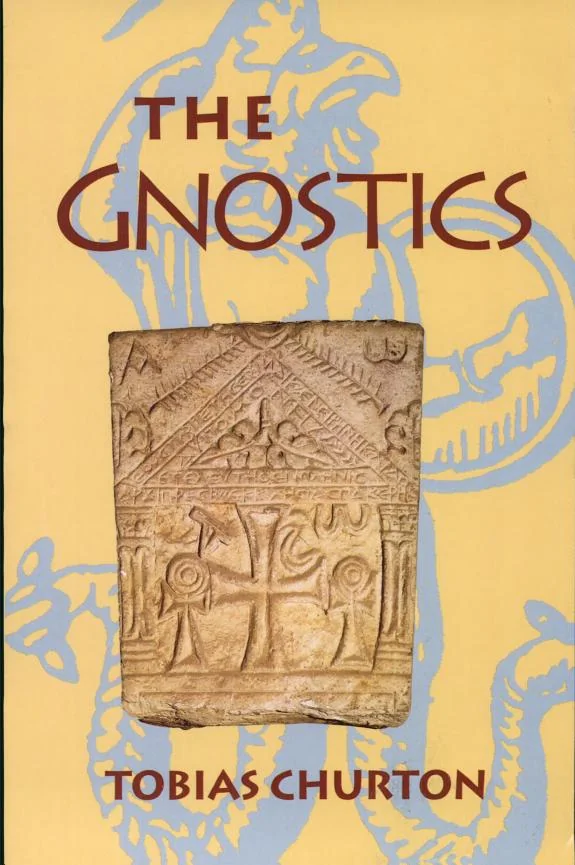
The Gnostics
 71
71

The Gnostics
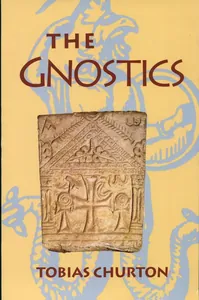
Churton’s exploration of Gnosticism, first published in 1987, avoids the sensationalism that often clouds discussions of this ancient current. He meticulously reconstructs the historical and philosophical landscape, demonstrating a deep familiarity with the primary sources and secondary scholarship. A particular strength lies in his balanced presentation of the various Gnostic schools, resisting the urge to homogenize their diverse doctrines. However, the sheer density of information can, at times, make the narrative feel somewhat dense for the uninitiated reader, particularly in the early sections detailing the complex cosmogonies. The discussion around the Valentinian system, for instance, while accurate, requires sustained attention. Nevertheless, Churton’s work remains a sober and scholarly account of a pivotal, yet often obscure, spiritual phenomenon. It offers a grounded understanding of Gnostic thought.
📝 Description
71
Tobias Churton's 2005 book examines the diverse Gnostic movements of the early Common Era.
Tobias Churton's "The Gnostics" surveys the varied spiritual movements that emerged in the early centuries of the Common Era. Gnosticism was not a single doctrine but a collection of beliefs centered on salvific knowledge, or *gnosis*. Churton traces the origins of these groups and their interactions with early Christianity and other philosophical traditions.
The book details Gnostic schools and thinkers, placing them within the historical context of nascent orthodox Christianity. Their ideas, often preserved in texts like those found at Nag Hammadi, presented alternatives to prevailing dualistic worldviews and challenged established religious thought. Early Church figures such as Irenaeus of Lyons engaged critically with Gnostic teachings, influencing how their history was recorded.
Central Gnostic concepts include a lesser creator deity, the Demiurge, who fashioned the flawed material world, and the idea of a divine spark within humanity seeking liberation through *gnosis*. Churton discusses Gnostic cosmologies, figures like Sophia, and the range of practices, from asceticism to libertinism, adopted by adherents.
Gnosticism represents a significant current within esoteric traditions, emphasizing direct, experiential knowledge (*gnosis*) over dogma or institutional authority. Its dualistic worldview, positing a radical separation between a transcendent divine reality and the flawed material cosmos, distinguishes it from many mainstream religious systems. The study of Gnosticism is crucial for understanding alternative spiritual paths that coexisted with and often influenced early Christianity, offering insights into perennial philosophical and religious questions about the nature of reality, the human condition, and salvation.
💡 Why Read This Book?
• Gain a structured understanding of the diverse Gnostic schools and their core tenets, moving beyond simplistic interpretations, as detailed in Churton’s analysis of figures like Valentinus. • Grasp the historical friction between Gnosticism and early orthodox Christianity, understanding key debates ignited by figures like Irenaeus of Lyons in the 2nd century CE. • Explore the concept of *gnosis* as salvific knowledge and its implications for understanding the material world, as presented through Gnostic cosmologies and mythologies.
⭐ Reader Reviews
Honest opinions from readers who have explored this book.
❓ Frequently Asked Questions
What are the main differences between Gnosticism and early Christianity?
Early Christianity generally affirmed the goodness of creation and the divine nature of Jesus Christ. Gnosticism, conversely, often posited a flawed creator (Demiurge) and viewed the material world as a prison from which divine sparks needed liberation through secret knowledge (*gnosis*).
Who was Valentinus and why is he important in Gnosticism?
Valentinus was a prominent Gnostic teacher in the 2nd century CE, possibly the most influential figure in Gnosticism. He developed a complex theological system involving a hierarchy of divine beings and offered a sophisticated interpretation of Christian scripture.
What is the significance of the Nag Hammadi library?
Discovered in 1945 in Egypt, the Nag Hammadi library contains numerous Gnostic texts, including Gospels and treatises. These Coptic documents provided invaluable primary source material, offering direct insight into Gnostic beliefs beyond the accounts of their critics.
What does the term 'Demiurge' mean in Gnostic thought?
In Gnosticism, the Demiurge is typically understood as a lesser, often ignorant or malevolent, creator deity who fashioned the material universe. This figure is distinct from the supreme, transcendent God of Gnostic theology.
Were Gnostics ascetics or libertines?
Gnostic practices varied significantly. Some groups adopted asceticism, renouncing the material world and its pleasures. Others embraced a form of libertinism, believing that the divine spark was unaffected by the body's actions, though this is often a polemical interpretation by opponents.
What role did Sophia play in Gnostic myths?
Sophia, meaning 'Wisdom', is often depicted as a divine emanation whose fall or error precipitated the creation of the material world and the Demiurge. Her story explains the origin of suffering and the entrapment of divine elements in matter.
🔮 Key Themes & Symbolism
Dualism and the Material World
The Gnostic worldview is fundamentally dualistic, positing a radical separation between the imperfect material realm and a transcendent spiritual reality. The material world, often seen as a prison, is the creation of a lesser deity, the Demiurge. Churton details how Gnostic cosmology explains the origin of this flawed creation, often through the dramatic fall or error of a divine being like Sophia. This perspective profoundly shaped their understanding of human existence, viewing the body as a vessel containing a divine spark yearning for release into the spiritual pleroma.
Gnosis as Liberation
At the heart of Gnosticism lies *gnosis*, a form of intuitive, salvific knowledge. This is not mere intellectual understanding but a direct, experiential apprehension of the divine. Churton illuminates how Gnostics believed this knowledge was key to awakening the divine spark within, enabling it to escape the confines of the material world and the control of the Archons. The attainment of gnosis offered a path to spiritual freedom and reunion with the true, transcendent God, bypassing the limitations of conventional religious structures.
The Role of Myth and Cosmology
Gnostic texts are rich with complex myths and cosmologies that articulate their unique theology. These narratives, often featuring intricate hierarchies of Aeons, the fall of Sophia, and the machinations of the Demiurge and Archons, served to explain the origins of evil, the human condition, and the path to salvation. Churton analyzes these intricate systems, demonstrating how they provided a framework for understanding the divine order and humanity's place within it, offering an alternative to prevailing creation myths of the era.
Heretical Christianity and Polemics
Gnosticism often interacted with, and was frequently condemned by, the developing orthodox Christian Church. Churton examines the nature of this conflict, highlighting how figures like Irenaeus of Lyons in the 2nd century sought to refute Gnostic doctrines. Gnostic groups adopted and reinterpreted Christian figures and narratives, leading to accusations of heresy. Understanding this dynamic is crucial for appreciating both the distinctiveness of Gnostic thought and the forces that shaped early Christian orthodoxy.
💬 Memorable Quotes
Direct passages from the work, attributed to the author.
“The Gnostics sought a knowledge that was not merely intellectual but transformative.”
— This highlights the core Gnostic concept of *gnosis* as a salvific force, implying that true understanding leads to spiritual liberation and a profound alteration of one's being and perception of reality.
“The material world was often viewed as a flawed creation, a cosmic prison.”
— This captures the fundamental Gnostic dualism, contrasting the imperfect, material existence with a transcendent, spiritual realm. It explains their desire to escape the limitations imposed by the physical body and the cosmos.
“Sophia's error precipitated the creation of the Demiurge.”
— This refers to a key Gnostic myth where the divine Wisdom (Sophia) undergoes a fall or transgression, leading to the unintended or malevolent creation of the lower creator deity responsible for the material universe.
“Archons exerted control over the lower realms.”
— This interpretation points to the Gnostic belief in intermediary spiritual beings, the Archons, who govern the material cosmos and seek to impede the ascent of the divine spark towards the true God.
“Irenaeus vigorously contested Gnostic doctrines.”
— This signifies the historical conflict between Gnosticism and developing orthodox Christianity, where figures like Irenaeus of Lyons actively wrote to refute Gnostic teachings, shaping the historical record of these movements.
🌙 Esoteric Significance
Tradition
This work falls squarely within the study of Gnosticism, a complex spiritual current often categorized under Western Esotericism. While distinct from Hermeticism or Kabbalah, Gnosticism shares with them an emphasis on hidden knowledge, dualistic cosmologies, and the liberation of the divine spark from material entrapment. Churton's approach aligns with scholarly efforts to understand Gnosticism not just as a historical phenomenon but as a tradition with enduring philosophical and spiritual implications, offering an alternative spiritual path to mainstream religions.
Symbolism
Central symbols explored include the Pleroma, representing the totality of divine fullness from which the material world is estranged, and the Archons, malevolent or ignorant rulers of the material cosmos who imprison the divine spark. The figure of Sophia (Wisdom) is also crucial, often depicted as an Aeon whose fall or transgression leads to the creation of the flawed material universe and its Demiurge, a concept central to understanding the Gnostic origin myth.
Modern Relevance
Contemporary thinkers and spiritual movements continue to draw inspiration from Gnostic ideas. Post-structuralist philosophers have engaged with Gnostic critiques of authority and knowledge, while various New Age and Neo-Gnostic groups reinterpret Gnostic myths and symbols for personal spiritual development. The Gnostic emphasis on individual experience and direct knowledge speaks to modern seekers looking for alternatives to institutionalized religion.
👥 Who Should Read This Book
• Students of comparative religion and early Christian history seeking to understand a major heterodox movement that significantly influenced the development of Western thought. • Practitioners of Western Esotericism interested in the roots of spiritual traditions that emphasize hidden knowledge (*gnosis*) and liberation from material constraints. • Scholars of ancient philosophy and mythology looking for insights into the diverse cosmological and theological systems prevalent in the Hellenistic period.
📜 Historical Context
Tobias Churton's "The Gnostics," first published in 1987, emerged during a period of renewed academic and popular interest in esoteric traditions. The late 20th century saw increased engagement with the Gnostic texts discovered at Nag Hammadi in 1945, which provided a wealth of primary material previously only accessible through the polemics of early Church Fathers like Irenaeus of Lyons and Tertullian. These discoveries challenged the long-held view of Gnosticism as a mere fringe heresy, revealing its intellectual sophistication and diverse schools of thought, such as Valentinianism and Sethianism. Churton's work situates Gnosticism within the Hellenistic milieu, acknowledging its dialogues with Platonism, Neoplatonism, and early Christianity. It arrived at a time when scholars were actively reassessing the boundaries between orthodox and heterodox movements, seeking to understand the complex intellectual currents that shaped Western spirituality and philosophy in the early centuries CE.
📔 Journal Prompts
The concept of the Demiurge and its implications for understanding perceived imperfections in the world.
Reflecting on the Gnostic pursuit of *gnosis* as a transformative knowledge.
The role of Sophia's fall in Gnostic cosmologies.
Contrasting the Gnostic view of the material world with other creation narratives.
Personal resonance with the idea of a divine spark trapped within the material form.
🗂️ Glossary
Gnosis
A Greek term meaning 'knowledge.' In Gnosticism, it refers to a special, intuitive, salvific knowledge of the divine that leads to spiritual liberation and enlightenment.
Demiurge
In Gnostic cosmology, the craftsman or creator of the material universe. Often depicted as ignorant of, or hostile to, the true, transcendent God.
Pleroma
The divine fullness or totality, comprising all the Aeons (divine emanations). It represents the spiritual realm, distinct from the material world created by the Demiurge.
Aeons
Divine beings or emanations that constitute the Pleroma. They are often paired in syzygies (couples) and represent aspects of the supreme God.
Archons
Rulers or intermediaries in the material cosmos, often depicted as servants of the Demiurge. They seek to keep humanity ignorant of its divine origin and prevent its ascent.
Sophia
Greek for 'Wisdom.' A prominent Aeon in many Gnostic systems, whose fall or error is often credited with the creation of the material world and the Demiurge.
Valentinianism
A major school of Gnosticism founded by Valentinus in the 2nd century CE, known for its complex cosmology and allegorical interpretations of scripture.
🔮 Readers Also Liked
Browse all →







More by Tobias Churton
All books →



More Free Sacred Texts & Gnosticism Books
View all →