Apocalyptic Spirituality
 72
72

Apocalyptic Spirituality
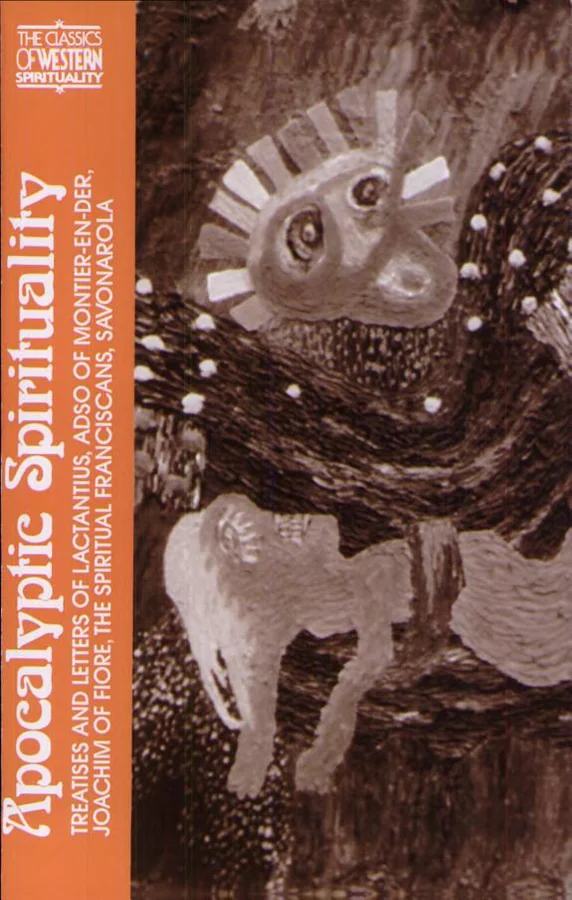
Bernard McGinn's compilation, Apocalyptic Spirituality, offers a vital scholarly resource for understanding a crucial thread in Christian thought. The selection of texts, drawn from a millennium of theological and devotional output, provides direct access to the evolving discourse on eschatology. McGinn's editorial hand is evident in the careful curation, though an extended introductory essay would have further contextualized the selections for a less specialized audience. The work's strength lies in its unvarnished presentation of primary sources, allowing the historical weight of these apocalyptic visions to speak for themselves. A notable passage is the recurring imagery of cosmic battles, reflecting a worldview where celestial and infernal powers are actively engaged in shaping human destiny. Its limitation is the assumed prior knowledge of the reader regarding the intricate theological landscape of the periods covered. This volume is an indispensable, if demanding, scholarly tool.
📝 Description
72
Bernard McGinn's 1979 work gathers Christian apocalyptic texts from the 4th to the 16th centuries.
This volume collects key writings from the Christian apocalyptic tradition, focusing on texts produced between the 4th and 16th centuries. It makes accessible primary source material that addresses eschatological themes, the nature of divine revelation, and the unfolding of end-time prophecies within Christianity. The collection highlights the intellectual and spiritual currents that shaped Western ideas about the culmination of history and a divine plan. These texts often emerged during periods of social upheaval or intense religious activity, providing readers with direct engagement with historical perspectives on divine intervention and societal change. The selections trace the development of apocalyptic thought through the Middle Ages and Renaissance. This book is valuable for scholars of religious history, theology students, and practitioners of esoteric traditions who want to understand the historical development of apocalyptic ideas. It specifically supports study in Christian eschatology, medieval and Renaissance mysticism, and the philosophical basis of prophetic literature. Readers who prefer primary sources over secondary analysis will find this collection particularly useful for their research or personal study.
The Christian apocalyptic tradition, as presented in this collection, engages with concepts of a hidden spiritual reality and a divinely guided historical progression. These texts reflect a worldview where divine forces actively shape human events and anticipate a future culmination. This perspective aligns with esoteric traditions that seek to understand the underlying spiritual order of the cosmos and the unfolding of a divine plan. By examining visions, prophecies, and the interplay of spiritual and material realms, the book offers insight into a long-standing current of thought that looks beyond the mundane to a transcendent purpose guiding history towards its end.
💡 Why Read This Book?
• Gain direct insight into the development of Christian end-time beliefs by examining primary texts from the 4th to 16th centuries, understanding how figures like Joachim of Fiore influenced eschatological discourse. • Explore the symbolic language of divine revelation and cosmic conflict, encountering specific motifs like angelic hierarchies and the Antichrist as presented in original medieval and Renaissance writings. • Understand the historical milieu of apocalyptic thought by contextualizing these texts within periods of social and religious upheaval, appreciating their function as spiritual frameworks during times of uncertainty.
⭐ Reader Reviews
Honest opinions from readers who have explored this book.
❓ Frequently Asked Questions
What is the historical period covered by the texts in Apocalyptic Spirituality?
The book makes available major texts from the Christian apocalyptic tradition spanning from the 4th century CE through the 16th century, encompassing Late Antiquity, the Middle Ages, and the Renaissance.
Who is Bernard McGinn and what is his expertise?
Bernard McGinn is a prominent scholar of historical theology and the history of Christianity, with a particular focus on mystical theology and apocalyptic traditions. His work is widely respected in academic circles.
What kind of "apocalyptic tradition" does this book focus on?
It focuses on the Christian apocalyptic tradition, which is concerned with revelation, the end of the world, and the ultimate divine plan as understood within Christianity, drawing from biblical prophecies and subsequent interpretations.
Are these primary sources or secondary interpretations?
The book primarily makes available major texts that are primary sources within the Christian apocalyptic literature, offering direct engagement with historical writings on the subject.
What does "traditional philosophy based on revelation" mean in this context?
It refers to theological and philosophical systems that derive their core tenets not solely from rational inquiry, but from divine disclosures, prophecies, and scriptural interpretations concerning ultimate truths and historical culmination.
Can I find texts from figures like Joachim of Fiore in this collection?
While specific authors are not listed in the blurb, the book's scope from the 4th to 16th centuries suggests it would likely include or reference influential figures in the apocalyptic tradition, potentially including those like Joachim of Fiore.
🔮 Key Themes & Symbolism
Eschatological Frameworks
The collection examines how various Christian authors across centuries constructed frameworks for understanding the end of history. This involves interpreting divine prophecies, celestial events, and the perceived unfolding of God's plan. McGinn's selection highlights the enduring human impulse to find meaning and order in historical progression, often through a lens of ultimate divine judgment and redemption. These frameworks provided solace and direction during periods of perceived crisis or societal transformation.
The Nature of Revelation
A core theme is the concept of divine revelation as the source of knowledge concerning ultimate realities and future events. The texts explore how revelation is received—through visions, dreams, angelic mediation, or direct scriptural interpretation. This underscores a worldview where God actively communicates hidden truths to humanity, particularly concerning the cosmic battle between good and evil and the ultimate destiny of creation.
Symbolic Language and Vision
The apocalyptic tradition heavily relies on symbolic language and visionary experiences to convey its messages. This includes complex iconographies of beasts, numbers, celestial phenomena, and spiritual battles. The book makes available writings where authors grapple with interpreting these symbols, seeking to unlock hidden meanings about the spiritual forces at play in the world and the inevitable culmination of the present age.
Historical and Spiritual Crisis
Many texts within the apocalyptic tradition emerge during periods of significant historical or spiritual crisis. The book implicitly showcases how these writings served as a means for individuals and communities to process upheaval, find theological justification, or anticipate divine intervention. They offered a narrative that transcended immediate suffering, pointing towards a divinely ordained resolution and a renewed cosmic order.
💬 Memorable Quotes
Direct passages from the work, attributed to the author.
“The apocalyptic tradition is that of traditional philosophy based on revelation and concerned with the end of the world.”
— This foundational statement defines the scope of the collected texts, establishing that they are not mere speculative fiction but philosophical inquiries rooted in divine pronouncements about history's ultimate trajectory.
“Concerned with the end of the world.”
— This concise phrase captures the central preoccupation of apocalyptic literature: the anticipation and interpretation of the final events of history according to divine will and prophetic understanding.
“Philosophy based on revelation.”
— This highlights the epistemological basis for the texts included, emphasizing that their understanding of the cosmos and history derives from divine communication rather than purely rational deduction.
“Christian apocalyptic literature.”
— This clarifies the religious and literary domain of the collected works, situating them within the specific theological and cultural context of Christianity and its engagement with end-time narratives.
💡 Key Ideas
Editorial paraphrase of the work's core concepts — not direct quotes.
Major texts in the Christian apocalyptic literature from the 4th to the 16th centuries.
This quote specifies the temporal and thematic boundaries of the compilation, indicating a focus on a specific historical period and a particular genre of Christian writing concerned with eschatology.
🌙 Esoteric Significance
Tradition
This work directly engages with a core component of the Western esoteric tradition, specifically its Christian esoteric wing. The apocalyptic literature represents a lineage that seeks hidden, divine knowledge concerning the ultimate fate of the cosmos and humanity's place within it. It bridges mainstream theological concerns with more speculative, visionary interpretations of scripture and history, often emphasizing a spiritual reality that underpins material existence.
Symbolism
Key symbols within this tradition, and likely present in the collected texts, include the Lamb and the Dragon, representing Christ and the Antichrist or opposing spiritual forces. Numbers hold significant prophetic weight, such as the 1000 years of the millennium. Angelic hierarchies and demonic legions are frequently depicted as active agents in the unfolding cosmic drama, symbolizing the unseen spiritual warfare influencing earthly events.
Modern Relevance
Contemporary esoteric practitioners and scholars of religion continue to draw on the rich symbolic and theological language of Christian apocalypticism. Movements interested in consciousness, spiritual evolution, and understanding societal shifts often find resonance in these historical narratives of transformation and divine intervention. Thinkers exploring themes of spiritual warfare, the nature of time, and the potential for radical societal change can find foundational concepts and archetypes within this tradition.
👥 Who Should Read This Book
• Students of comparative religion and theology seeking primary source material on Christian eschatology and its historical development. • Scholars of medieval and Renaissance history interested in the intellectual and spiritual life of the period, particularly concerning ideas about the end times. • Practitioners of esoteric traditions who wish to understand the historical roots of Western apocalyptic thought and its symbolic language.
📜 Historical Context
Apocalyptic Spirituality emerges from a tradition deeply embedded in the intellectual and spiritual currents of late antiquity and the medieval period. The centuries from the 4th to the 16th were marked by profound shifts: the Roman Empire's transformation, the rise of new political entities, recurring plagues, and intense theological debates. Within Christianity, this era saw the development of elaborate eschatological systems, often as responses to perceived societal decay or spiritual threats. Thinkers like Augustine grappled with the City of God amidst earthly turmoil, while later figures such as Joachim of Fiore developed complex millennial schemas. The reception of such literature was complex; while offering solace and meaning, overtly radical apocalyptic ideas sometimes faced scrutiny or condemnation from ecclesiastical authorities, reflecting an ongoing tension between prophetic fervor and institutional control. This collection situates McGinn's work within this dynamic historical landscape, where visions of the end were intertwined with the realities of the present.
📔 Journal Prompts
The concept of divine revelation as a source of knowledge about history's culmination.
Interpreting the symbolic language of apocalyptic visions and their recurring motifs.
The role of eschatological beliefs in providing frameworks during periods of historical crisis.
Comparing the textual presentation of angelic or demonic forces across different centuries within the collection.
Reflecting on the philosophical underpinnings of a tradition based on revelation rather than solely reason.
🗂️ Glossary
Apocalyptic Literature
A genre of religious literature, prominent in Judaism and Christianity, that purports to reveal divine mysteries about the end times, cosmic conflict, and ultimate salvation, often through symbolic visions.
Eschatology
The theological study of the end times, dealing with concepts such as death, judgment, resurrection, the end of the world, and the ultimate destiny of humanity and the cosmos.
Revelation
In a religious context, the act of God or a divine being making known hidden truths, prophecies, or divine will to humans, often through visions, dreams, or inspired speech.
Millennialism
A belief system centered on the concept of a future 1,000-year reign of Christ on Earth, often interpreted in various ways concerning its timing and nature within Christian eschatology.
Antichrist
A figure, central to Christian eschatology, who opposes Christ and his teachings, often depicted as a powerful antagonist who will appear before the end of the world.
Hermeneutics
The theory and methodology of interpretation, especially the interpretation of biblical texts, focusing on understanding the meaning of symbols, allegories, and prophetic language.
Cosmic Conflict
A recurring theme in apocalyptic literature depicting a grand struggle between divine and demonic forces, or good and evil, that influences the course of history and the fate of the world.
This book appears in 1 collection
🔮 Readers Also Liked
Browse all →







From the “Apocalyptic Literature” Collection
View all →




More Free Sacred Texts & Gnosticism Books
View all →