Gnostic tarot
 79
79

Gnostic tarot
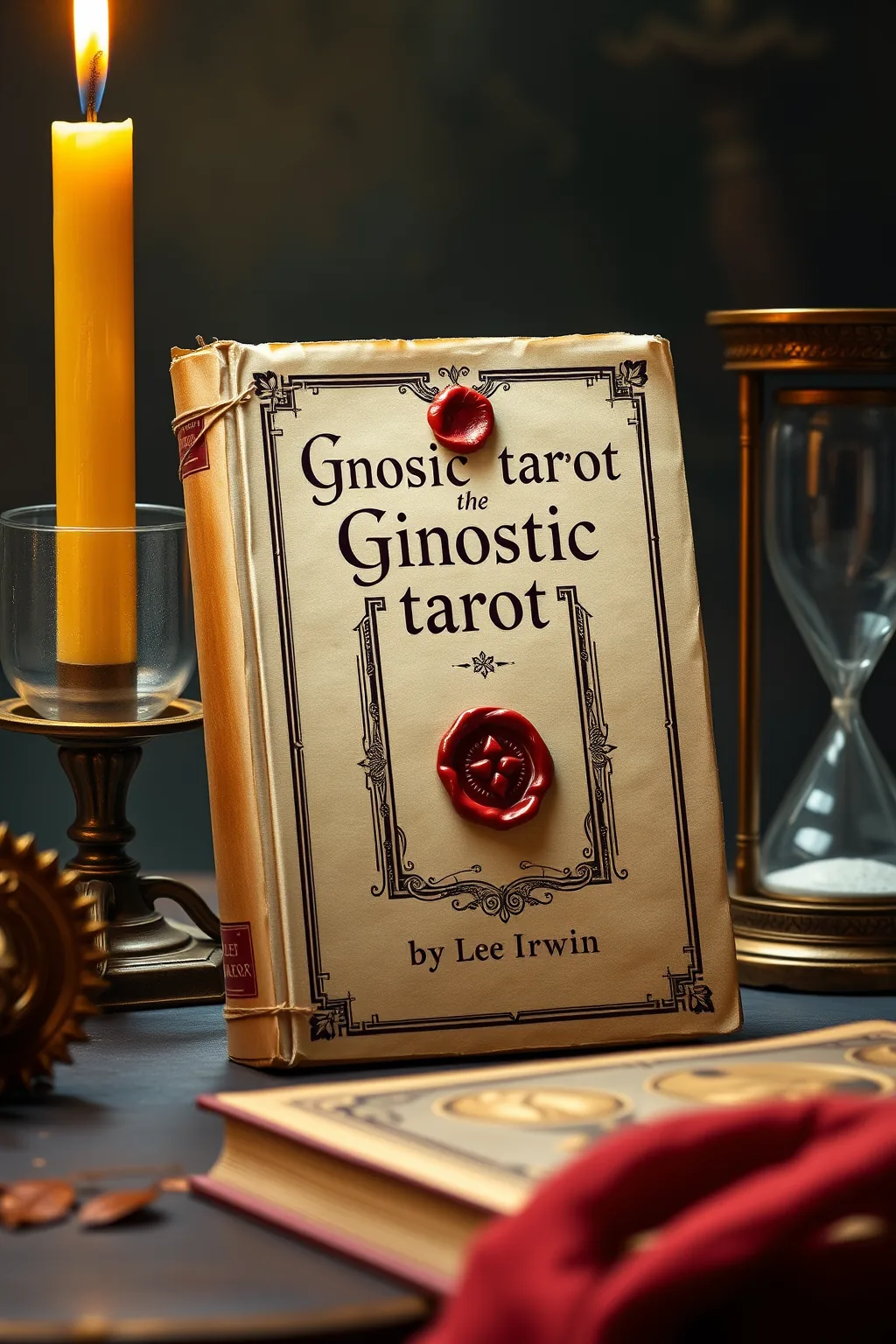
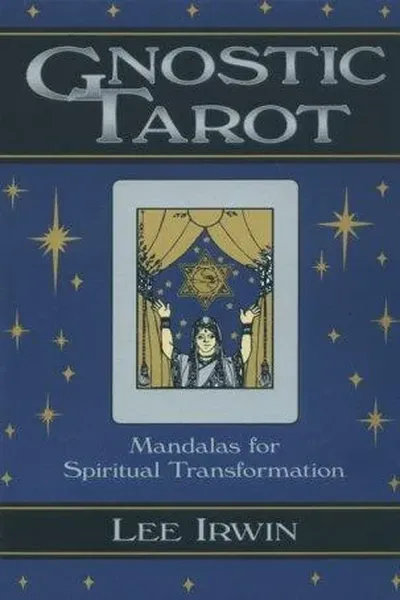
Lee Irwin's *Gnostic Tarot* attempts a bold synthesis, overlaying the familiar structure of the Tarot onto the complex cosmology of Gnosticism. The strength of the work lies in its consistent application of Gnostic principles to each of the 22 Major Arcana, offering a framework for understanding the cards not just as symbols of personal psychology but as elements within a grander spiritual narrative of emanation, fall, and redemption. Irwin's reinterpretation of The Tower, for example, as a necessary deconstruction of false Gnostic 'powers' rather than simple destruction, is a compelling example of his unique perspective.
A limitation, however, is the dense philosophical language, which at times can obscure the practical application for those less steeped in Gnostic texts. While the intellectual depth is commendable, the accessibility for a general Tarot reader might be compromised. Nevertheless, the book provides a rigorous intellectual exercise for those seeking to move beyond conventional Tarot interpretations into more esoteric philosophical territory. It offers a distinct, albeit challenging, perspective on an ancient symbolic system.
📝 Description
79
Lee Irwin's *Gnostic Tarot*, published in 2005, reinterprets the Major Arcana through a Gnostic worldview.
Lee Irwin's *Gnostic Tarot* reinterprets the 22 Major Arcana cards not just as divinatory tools, but as stages in a spiritual awakening. Published in 2005, the book views the Tarot archetypes through a Gnostic lens, emphasizing the pursuit of hidden knowledge and the inherent duality present in the symbolism.
Irwin's work is for students of esotericism, comparative religion, and Western mystery traditions. It assumes a basic familiarity with Tarot but aims for a deeper philosophical engagement. Readers interested in Gnosticism, its cosmology, and its influence on later mystical thought will find this synthesis valuable. The book also speaks to academics studying the connections between ancient mythologies and contemporary spiritual practices.
Published in the early 21st century, a time of renewed interest in esoteric philosophies, *Gnostic Tarot* joins contemporary re-examinations of traditional systems. Irwin's work specifically connects Gnostic concepts such as the Demiurge, Archons, and the divine spark within humanity to the symbolic language of the Tarot. This approach situates the book within the ongoing discourse that integrates ancient wisdom with modern psychological and philosophical inquiry, drawing parallels to other modern explorations of Gnosticism.
💡 Why Read This Book?
• Gain a new framework for understanding the Major Arcana by interpreting them through the lens of Gnostic cosmology, specifically examining concepts like the Demiurge and the Pleroma as presented by Irwin. • Explore the spiritual journey of gnosis as mapped onto the 22 Major Arcana, understanding archetypes like Sophia (The High Priestess) and the divine spark's descent. • Engage with a scholarly yet accessible synthesis of Tarot symbolism and Gnostic philosophy, building on the work's first publication in 2005 to appreciate its contribution to esoteric studies.
⭐ Reader Reviews
Honest opinions from readers who have explored this book.
❓ Frequently Asked Questions
What is the primary philosophical tradition influencing Lee Irwin's *Gnostic Tarot*?
The primary philosophical and religious tradition influencing Lee Irwin's *Gnostic Tarot* is Gnosticism, an ancient spiritual movement characterized by its emphasis on knowledge (gnosis) as the path to salvation and liberation from the material world.
How does Irwin's *Gnostic Tarot* differ from traditional Tarot interpretations?
Irwin's interpretation frames the 22 Major Arcana as stages in a Gnostic spiritual journey, focusing on concepts like the Demiurge, Archons, and the divine spark's descent, rather than solely on divination or psychological archetypes.
When was Lee Irwin's *Gnostic Tarot* first published?
Lee Irwin's *Gnostic Tarot* was first published in 2005, contributing to a period of renewed academic and popular interest in esoteric and Gnostic studies.
What is the 'gnosis' that Irwin's Tarot explores?
In the context of Irwin's work, 'gnosis' refers to a direct, intuitive knowledge of the divine or ultimate reality, seen as the key to spiritual liberation from the illusory material world, as represented through Tarot symbolism.
Does *Gnostic Tarot* offer practical divination methods?
While it provides a profound reinterpretation of the cards, *Gnostic Tarot* primarily focuses on the philosophical and spiritual underpinnings of the archetypes, rather than offering a traditional system for everyday divination.
Who are the Archons in the Gnostic worldview presented by Irwin?
In the Gnostic cosmology detailed by Irwin, Archons are seen as lower, often antagonistic, spiritual rulers of the material cosmos, who can obscure the divine spark within humanity and hinder the path to gnosis.
🔮 Key Themes & Symbolism
The Descent of the Divine Spark
Irwin's work posits that the Tarot's Major Arcana chart the soul's journey from a state of divine unity into material manifestation. Archetypes like The Fool are re-envisioned as the divine essence descending into the flawed material realm, driven by forces that obscure its true nature. This concept is central to Gnostic thought, which views the material world as a prison and the divine spark within humanity as a captive element seeking liberation through knowledge.
Sophia and the Demiurge
The feminine principle of divine wisdom, Sophia, plays an important role in Gnostic cosmologies, often associated with the creation of the material world through error or fall. In *Gnostic Tarot*, figures like The High Priestess may embody Sophia, while the flawed creator figure, the Demiurge, and his Archons are presented as forces within the Tarot narrative that bind humanity to illusion. Irwin uses the cards to illustrate the Gnostic struggle against these limiting cosmic powers.
Gnosis as Liberation
The ultimate aim in Gnosticism is gnosis – direct, experiential knowledge of the divine that liberates the soul from the cycle of rebirth and the constraints of the material universe. Irwin's interpretation of the Tarot maps this path, with certain cards representing moments of awakening, the overcoming of ignorance, and the eventual return to the spiritual realm (the Pleroma). The journey through the Major Arcana becomes a symbolic representation of achieving this salvific knowledge.
Dualism and Illusion
A core tenet of Gnosticism is radical dualism: the separation between the transcendent, true God and the flawed creator of the material world. Irwin applies this duality to the Tarot, where cards can represent either the illusory nature of material existence and its rulers (Archons) or the path towards the authentic spiritual reality. The symbolism often highlights the deceptive nature of appearances and the need to look beyond the manifest world.
💬 Memorable Quotes
Direct passages from the work, attributed to the author.
“The Tarot is re-envisioned as a map of the Gnostic cosmos.”
— This statement captures the essence of Irwin's project: he is not merely using Tarot symbolism for personal insight but is fundamentally reinterpreting the entire deck as a representation of Gnostic cosmology and the soul's journey within it.
“The journey through the Major Arcana mirrors the soul's descent and potential ascent.”
— This interpretation emphasizes the narrative arc Irwin constructs for the Tarot. It frames the sequence of Major Arcana not as disconnected symbols but as a progression charting the soul's fall into materiality and its possible path back to spiritual awareness.
“The Pleroma represents the ultimate spiritual reality beyond the material realm.”
— This interpretation defines a central Gnostic concept that Irwin integrates into his Tarot framework. The Pleroma signifies the fullness of divine being, the true home of the soul, which the Gnostic Tarot reader seeks to understand and return to.
💡 Key Ideas
Editorial paraphrase of the work's core concepts — not direct quotes.
The Archons seek to keep the divine spark ignorant of its true origin.
This paraphrased concept highlights a key Gnostic theme integrated into the Tarot. It suggests that certain archetypes or forces within the Tarot narrative represent cosmic powers that actively prevent humanity from realizing its divine nature.
Gnosis is the key to dismantling the illusion of the Demiurge's creation.
This paraphrased concept underscores the salvific role of knowledge in Gnosticism, as applied to the Tarot. It suggests that understanding the true nature of reality, symbolized by the cards, is the means by which one overcomes the limitations imposed by the material world.
🌙 Esoteric Significance
Tradition
This work firmly situates itself within the Gnostic tradition, reinterpreting the Tarot's Major Arcana through its unique cosmology of emanation, fall, and redemption. It departs from mainstream Western esotericism's usual Hermetic or Kabbalistic frameworks by prioritizing Gnostic concepts such as the Pleroma, the Demiurge, and the Archons. Irwin uses the Tarot not as a tool for divination in the conventional sense, but as a symbolic map illustrating the Gnostic path to spiritual liberation (gnosis).
Symbolism
Key symbols are recontextualized: The Fool represents the divine spark's descent into the material world, a Gnostic fall. The High Priestess might embody Sophia, the flawed divine wisdom, while figures like The Devil or The Tower are interpreted through the lens of the Archons and the illusory nature of the Demiurge's creation, designed to trap the soul. The aim is to reveal the hidden spiritual realities behind the apparent order of the cosmos.
Modern Relevance
Irwin's approach appeals to contemporary seekers interested in the intersection of psychology, philosophy, and esoteric spirituality. Modern Gnostic-inspired groups and individuals, as well as scholars of comparative religion and esoteric studies, draw upon such works to understand the enduring relevance of Gnostic thought. It informs modern explorations of consciousness, the nature of reality, and the search for meaning beyond materialist paradigms.
👥 Who Should Read This Book
• Students of Gnosticism seeking to understand its core concepts through a unique symbolic system. • Tarot practitioners interested in moving beyond traditional divinatory interpretations towards deeper philosophical and cosmological explorations. • Comparative religion scholars and esoteric researchers examining the synthesis of ancient philosophies with Western mystery traditions.
📜 Historical Context
The early 21st century saw a continued academic and popular interest in esoteric traditions, including Gnosticism, which had seen significant scholarly attention since the discovery of the Nag Hammadi library in 1945. Lee Irwin's *Gnostic Tarot*, published in 2005, emerged within this milieu, contributing to a discourse that sought to integrate ancient spiritual philosophies with contemporary symbolic systems. While scholars like Elaine Pagels were re-examining Gnostic texts from a historical and theological perspective, Irwin's work focused on the symbolic language of the Tarot. The book can be seen as part of a broader trend in Western esotericism to reinterpret traditional divinatory tools through more complex philosophical and cosmological frameworks, moving beyond simple fortune-telling towards deeper spiritual inquiry.
📔 Journal Prompts
The descent of the divine spark as mapped by The Fool archetype.
Reflecting on Sophia's role as potentially embodied in The High Priestess.
The nature of the Archons and their influence as depicted in the Tarot.
The concept of gnosis and its representation in the Major Arcana's progression.
Interpreting the material world's illusion through specific Tarot cards.
🗂️ Glossary
Gnosis
In Gnosticism, a direct, intuitive, and experiential knowledge of the divine or ultimate reality, understood as the key to spiritual liberation and salvation.
Pleroma
The Gnostic term for the totality of divine powers or the spiritual realm, representing the ultimate, transcendent reality from which the material world emanates imperfectly.
Demiurge
In Gnosticism, the creator of the material universe, often viewed as a flawed or malevolent being distinct from the true, transcendent God.
Archons
In Gnostic cosmology, subordinate spiritual rulers or powers of the material cosmos who serve the Demiurge and can hinder the soul's ascent towards the Pleroma.
Divine Spark
The Gnostic concept of a fragment of the divine essence trapped within the human soul, which must be awakened through gnosis to achieve liberation.
Sophia
In Gnosticism, a female divine being often associated with wisdom, whose actions (sometimes erroneous) are linked to the creation of the material world and the entrapment of divine sparks.
Material World
In Gnostic thought, the physical universe created by the Demiurge, seen as an illusion, a prison, or an imperfect realm that obscures true spiritual reality.
🔮 Readers Also Liked
Browse all →
More by Lee Irwin
All books →
More Free Sacred Texts & Gnosticism Books
View all →