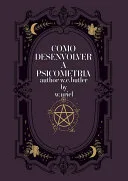
Como Desenvolver A Psicometria
 76
76

Como Desenvolver A Psicometria
W.E. Butly's "Como Desenvolver A Psicometria" offers a structured approach to a fascinating, albeit often nebulous, psychic art. The author rightly foregrounds the dual nature of psychometric impressions – the object's own history versus the layers of human interaction. This distinction provides a more nuanced framework than many popular treatments of the subject. The advice to start with objects possessing "powerful inherent memory" is particularly sound, serving as a practical gateway for novices. However, the text occasionally feels dense, with its systematic presentation sometimes overshadowing the intuitive fluidity required for such practices. The discussion on "gathered memory" could benefit from more extensive examples of interpretation, moving beyond the initial impressions. Despite this, the work provides a solid, if at times dry, manual for developing a subtle but potent faculty.
This book serves as a competent, if unembellished, guide to object reading.
📝 Description
76
W.E. Butly's 2020 book outlines systematic methods for developing psychometry.
Como Desenvolver A Psicometria, published in 2020, details practical techniques for developing psychometric abilities. The author, W.E. Butly, explains that objects retain energetic imprints, a combination of the object's own 'aura' and the residual energy from human interaction. By learning to attune to these imprints, individuals can access historical narratives and the emotional states of previous owners.
This guide is aimed at those actively seeking to cultivate or improve their psychometric skills. It moves beyond theory to applied practice, suggesting that diligent effort, rather than innate talent, is key. The book may also interest those who have explored other psychic disciplines like dowsing or remote viewing, as well as collectors or historians looking for unique methods to investigate an object's past.
Psychometry gained traction in the late 19th and early 20th centuries alongside spiritualist movements and psychic research, with figures like J.W. Richards also investigating related concepts. Butly's work revisits this lineage, refining early esoteric methods. It engages with a historical period where the challenge to scientific materialism encouraged structured approaches to psychic phenomena, mirroring the organized systems found in early esoteric orders.
💡 Why Read This Book?
• Learn the distinct "inherent memory" and "gathered memory" of objects, a concept explored by Butly, allowing for a deeper understanding of an item's energetic history. • Master the "attunement" process as detailed in the book, a practical method for focusing psychic receptivity and developing interpretative skills beyond generic psychic exercises. • Discover Butly's specific advice on selecting objects with "powerful inherent memory" to accelerate your psychometric development, providing a concrete starting point absent in more abstract psychic literature.
⭐ Reader Reviews
Honest opinions from readers who have explored this book.
❓ Frequently Asked Questions
What is "inherent memory" in psychometry?
Inherent memory, as described by W.E. Butly, refers to the unique energetic signature or "aura" of an object itself, independent of any human contact it may have had.
How does "gathered memory" differ from inherent memory?
Gathered memory is the sum total of psychic impressions left on an object through its association with humans, distinct from the object's own intrinsic energetic history.
What is the recommended first step for developing psychometry according to the book?
The book suggests starting by selecting objects that possess a "powerful inherent memory" to facilitate easier initial attunement and impression reception.
Can anyone develop psychometric abilities using this book?
W.E. Butly presents psychometry as a skill that can be developed through systematic practice and attunement, implying it is accessible to dedicated individuals rather than solely relying on innate talent.
What types of objects are best for practicing psychometry?
The book mentions items like necklaces, letters, talismans, and amulets as suitable for practicing psychometry, particularly those with strong inherent or gathered memories.
When was W.E. Butly's book on psychometry first published?
The original publication date for 'Como Desenvolver A Psicometria' by W.E. Butly is September 19, 2020.
🔮 Key Themes & Symbolism
Object Memory Layers
The work meticulously separates psychometric impressions into two distinct categories: the object's "inherent memory" and the "gathered memory" from human interaction. This framework provides a sophisticated lens through which practitioners can analyze the residual energies of items. By understanding this duality, readers are guided to discern the object's intrinsic history from the emotional and psychic imprints left by its owners, thereby accessing richer and more layered information. The book stresses selecting objects with strong inherent memory as a foundational step.
Systematic Attunement
A central theme is the development of "attunement," a disciplined state of psychic receptivity. Butly outlines specific exercises and mental disciplines designed to enhance a practitioner's ability to connect with and perceive the subtle energies imprinted on objects. This is not presented as a passive reception but an active, focused engagement. The process involves quieting the mind, extending psychic awareness, and consciously seeking the impressions, moving beyond mere curiosity to a structured investigative practice.
Practical Application
The book emphasizes the practical application of psychometry, detailing techniques for interpreting the "records" held within objects. It moves beyond theoretical speculation to provide actionable guidance for sensing and understanding the energetic elements of items like necklaces, letters, and talismans. The goal is to enable readers to reliably extract information about an object's past, its owners, and the events it has witnessed, fostering a tangible skill rather than abstract concepts.
Object Selection Criteria
Butly introduces a pragmatic approach to psychometric practice by detailing criteria for selecting appropriate objects. The concept of "powerful inherent memory" is crucial here, suggesting that some objects are naturally more conducive to psychometric reading due to their material composition or history. This guidance helps novice practitioners avoid frustration by focusing their efforts on items that are more likely to yield clear impressions, thereby building confidence and skill progressively.
💬 Memorable Quotes
Direct passages from the work, attributed to the author.
“The records are double: they comprise the inherent memory of the object's individual existence and the gathered memory of all impressions made upon it.”
— This core tenet defines the dual nature of psychometric information, distinguishing between the object's intrinsic energetic signature and the cumulative psychic residue from its interactions with people.
“Initially it is advisable to select objects which have a powerful inherent memory.”
— This practical advice guides beginners toward objects most likely to provide clear psychometric impressions, facilitating skill development by starting with more receptive items.
“Psychic techniques to feel the records imprinted on objects like necklaces, letters, talismans.”
— This succinctly describes the book's practical focus: providing methods to perceive the energetic imprints left on various personal artifacts.
“The object's inherent aura or the sum of all impressions made by its association with human beings.”
— This phrasing clarifies the two types of psychic data recoverable through psychometry – the object's own energetic field and the layers of human-associated energy.
“Developing the ability to sense the psychic records held within material things.”
— This highlights the book's central aim: to equip the reader with the skills and understanding necessary to perceive the energetic history of inanimate objects.
🌙 Esoteric Significance
Tradition
This work fits within the broader Hermetic and Neoplatonic traditions that posit an interconnectedness between all things and the presence of subtle energies or "aether." It aligns with Neoplatonic ideas of emanation, where objects can retain elements of their origin and subsequent experiences. While not explicitly Kabbalistic or Gnostic, its focus on hidden knowledge accessible through specific techniques speaks to the initiatory nature of many esoteric paths.
Symbolism
The primary "symbolism" lies in the objects themselves. A necklace might symbolize personal adornment and intimacy, its "gathered memory" potentially revealing emotional bonds or significant life events. A talisman, by design, is imbued with intentional energy, making its "inherent memory" potentially potent, while its "gathered memory" might reflect the user's intentions and experiences. Letters symbolize communication and connection, their "records" potentially holding the essence of past correspondence.
Modern Relevance
Contemporary interest in energy healing, mindfulness, and intuitive development provides fertile ground for Butly's work. Practitioners of Reiki, those exploring shamanic journeying, or even researchers in consciousness studies might find value in the systematic approach to perceiving subtle energies. The book’s focus on tangible objects offers a grounding element for those seeking to explore non-physical phenomena in a structured manner, bridging the gap between esoteric theory and practical skill-building.
👥 Who Should Read This Book
• Aspiring psychometrists seeking a structured methodology to develop their object-reading abilities, moving beyond anecdotal accounts. • Students of esoteric history interested in the practical techniques that emerged alongside 19th and early 20th-century spiritualism and psychic research. • Individuals curious about the energetic imprints left by human interaction on everyday objects, seeking a deeper connection to material history.
📜 Historical Context
The early 20th century saw a surge of interest in psychic phenomena, fueled by the aftermath of World War I and the rise of spiritualism. Societies like the Society for Psychical Research, founded in 1882, were actively investigating claims of telepathy, clairvoyance, and mediumship. Psychometry emerged as a significant area of inquiry within this milieu, with figures like Frederick Bligh Bond exploring psychometric impressions in architecture. While Butly’s work was published in 2020, it revisits and systematizes practices that were part of this broader esoteric and parapsychological discourse. This period also saw the development of Theosophy and Anthroposophy, offering alternative frameworks for understanding consciousness and subtle energies, sometimes diverging from purely materialist explanations prevalent in mainstream science.
📔 Journal Prompts
The dual nature of object memory: inherent versus gathered impressions.
Reflecting on the "attunement" process for sensing psychic records.
Initial selection of objects with "powerful inherent memory."
Interpreting the "records" from a chosen artifact.
The object's "aura" and its distinction from human imprints.
🗂️ Glossary
Psychometry
The psychic art of sensing residual impressions or energies left on physical objects, allowing one to perceive their history or previous owners.
Inherent Memory
The unique energetic signature or "aura" of an object itself, independent of any psychic impressions left by human contact.
Gathered Memory
The accumulated psychic impressions and energetic residues left on an object through its association and interaction with human beings.
Attunement
The process of achieving a focused state of psychic receptivity, essential for connecting with and perceiving the subtle energies or "records" within an object.
Records
The psychic impressions, energies, or information that are imprinted upon an object, accessible through psychometric practice.
Aura
In this context, refers to the unique energetic field or "inherent memory" of an object.
Talisman
An object believed to possess magical properties, often inscribed with symbols, intended to attract certain influences or ward off others.