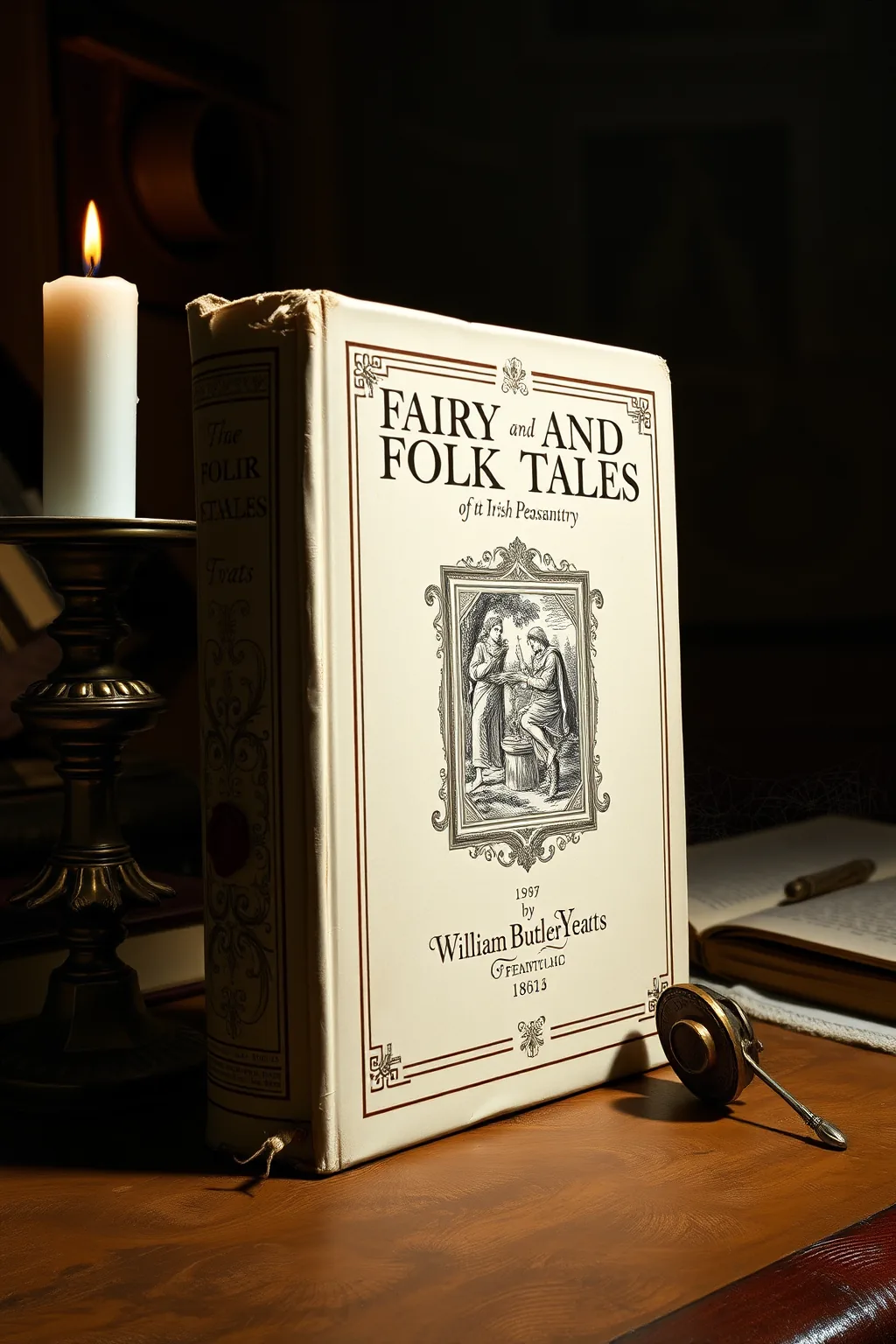
Fairy and Folk Tales of the Irish Peasantry
 77
77

Fairy and Folk Tales of the Irish Peasantry


Evander Ashcroft (Alchemy & Hermeticism Editor) — William Butler Yeats' "Fairy and Folk Tales of the Irish Peasantry" is an alchemical blend of raw folklore and poetic insight. Yeats, drawing from the deep well of Irish oral tradition and antiquarian sources, presents these tales not as mere curiosities, but as potent fragments of a living cosmology. The collection is a testament to the power of myth in shaping collective consciousness and individual understanding. Its strength lies in its ability to evoke a sense of wonder and to reveal the inherent magic within everyday life and the natural world. This book is essential for anyone interested in the esoteric underpinnings of European folklore, the symbolism of the liminal, and the enduring influence of the 'Otherworld' on human experience.
📝 Description
77
Published in 1888, William Butler Yeats's "Fairy and Folk Tales of the Irish Peasantry" collects stories of the unseen.
William Butler Yeats compiled "Fairy and Folk Tales of the Irish Peasantry" in 1888. This collection gathers narratives from Irish rural life, focusing on the beliefs and encounters with supernatural beings. The stories feature figures like the Sidhe, pookas, and banshees, alongside accounts of household spirits and local superstitions. Yeats, known for his interest in Irish mythology and the occult, selected these tales to represent what he saw as the core of Irish folk tradition.
The anthology aims to preserve a sense of Ireland's spiritual and imaginative heritage. It presents a view of a world where the boundaries between the ordinary and the magical are permeable. The narratives often touch on themes of nature, the human mind's connection to elemental forces, and the persistence of mythic patterns. These tales are intended for readers interested in folklore, Irish culture, and the symbolic language of traditional stories.
This collection aligns with late 19th-century esoteric interests in folklore and national identity. Yeats, who was involved with occult societies, viewed these tales as expressions of deeper spiritual realities and psychic connections. The book reflects a desire to find a hidden, magical substratum within common life, linking peasant stories to broader themes of consciousness and elemental forces. It served as part of a larger movement to understand and articulate the spiritual essence of various cultures through their traditional narratives.
✍️ Author
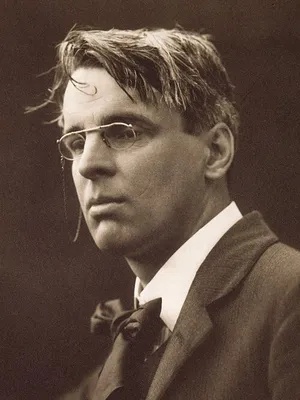
William Butler Yeats
Irish poet and dramatist, a leading figure of the Irish Literary Revival and Nobel laureate.
Occultist
💡 Why Read This Book?
Unearth the hidden currents of Irish magic and wisdom. This collection is a vital portal for seekers of arcane knowledge, offering profound symbolic interpretations of nature, spirit, and the human condition. Scholars will find invaluable primary source material, while practitioners can draw inspiration from ancient elemental forces and archetypal narratives. Essential for understanding the roots of Western esotericism and the power of myth.
⭐ Reader Reviews
Honest opinions from readers who have explored this book.
❓ Frequently Asked Questions
What is the primary purpose of this collection?
To preserve and present the rich tapestry of Irish folklore, revealing the mystical beliefs and spiritual landscape of the Irish peasantry through compelling tales.
Who is William Butler Yeats and why did he compile these tales?
Yeats was a Nobel laureate poet, playwright, and mystic who sought to revive Irish national identity and explore the spiritual dimensions of Irish culture through its folk traditions.
Are these tales solely about fairies?
While fairies are prominent, the collection encompasses a broader spectrum of supernatural beings, household spirits, heroes, tricksters, and cautionary legends, reflecting the full scope of Irish folk belief.
What makes this collection "esoteric"?
Yeats's selection and presentation imbue the tales with symbolic depth, hinting at ancient pagan beliefs, elemental magic, and the interconnectedness of the seen and unseen worlds, aligning with esoteric interpretations of myth.
Can these tales be applied to modern spiritual practices?
Absolutely. The archetypal characters and narratives offer timeless insights into human nature, the forces of nature, and the power of belief, providing a foundation for personal spiritual exploration and understanding.
🔮 Key Themes & Symbolism
The Veil Between Worlds
This collection examines the permeable boundary between the human realm and the 'Otherworld' inhabited by spirits, fairies, and elemental beings. Yeats highlights how these entities actively influence human lives, offering blessings, curses, and profound lessons. The stories explore the liminal spaces, moments of transition, and altered states of consciousness where such interactions are most likely to occur, revealing a worldview where the supernatural is an intrinsic part of existence, not an anomaly. This theme invites contemplation on the nature of reality and the unseen forces that shape our destinies.
Archetypes and Elemental Forces
Yeats' curation showcases a rich pantheon of archetypal figures – the trickster, the wise elder, the vengeful spirit, the benevolent guardian – each embodying primal human experiences and natural forces. From the capricious pooka to the sorrowful banshee, these characters are not mere storybook figures but potent manifestations of the earth's energy, the cycles of life and death, and the fundamental drives of the human psyche. Understanding these archetypes offers a framework for interpreting universal human dramas and connecting with the elemental powers that govern the cosmos, providing a profound lens through which to view both the external world and our inner landscapes.
The Power of Story and Memory
Fundamentally, this anthology is a proof of the enduring power of oral tradition and narrative in shaping culture, consciousness, and collective memory. Yeats emphasizes how these tales, passed down through generations, carry ancestral wisdom, ethical teachings, and a deep understanding of the natural world. The act of collecting and retelling these stories serves as a form of spiritual preservation, ensuring that the 'old ways' and the subtle energies of the land are not forgotten. The book itself becomes a vessel of memory, inviting readers to participate in the ongoing narrative of human experience and connection to the spirit of place.
💬 Memorable Quotes
Direct passages from the work, attributed to the author.
“I have collected these tales from all parts of Ireland, and from all sorts and conditions of men.”
— Yeats' dedication to comprehensive collection highlights the universality of these folk beliefs across social strata, suggesting a shared spiritual heritage woven into the fabric of Irish identity.
“The fairies are not, as they are often represented, mere creatures of romance, but beings of a very real and serious kind.”
— This statement asserts the tangible reality and profound significance attributed to the fairy folk within the folk consciousness, moving beyond mere fantasy to a spiritual dimension.
“The old stories are the life-blood of a nation.”
— This emphasizes the vital role of folklore and myth in sustaining national identity, cultural memory, and the spiritual essence of a people, portraying them as essential for vitality.
“The Irish are a people of imagination, and their imagination is deeply connected with the supernatural.”
— This observation points to a core characteristic of the Irish psyche: a profound imaginative faculty intrinsically intertwined with a belief in and engagement with the supernatural realm.
💡 Key Ideas
Editorial paraphrase of the work's core concepts — not direct quotes.
The More the People of the South of Ireland are stirred by an emotion, the more they are inclined to express it in the form of a story.
This quote underscores the Irish inclination towards narrative as a primary mode of emotional and spiritual expression, revealing storytelling as a vital conduit for communal experience and understanding.
🌙 Esoteric Significance
Tradition
This collection resonates deeply with the Western Esoteric Tradition, particularly its branches focused on nature spirituality, animism, and the study of folklore as a repository of ancient wisdom. It aligns with traditions that view the natural world as imbued with spirit and consciousness, such as certain forms of paganism, Druidry, and the Hermetic principle of 'As Above, So Below.' Yeats' work can be seen as an attempt to reintegrate the mythic and the magical into a modern consciousness, suggesting that these ancient beliefs hold keys to understanding universal archetypes and the subtle energies that govern existence.
Symbolism
The tales are rich with symbolism that speaks to the interconnectedness of life, the cyclical nature of existence, and the presence of unseen forces. The fairy realm itself often symbolizes the unconscious mind, the spirit world, or the elemental forces of nature. Figures like the pooka represent chaos and transformation, while the banshee embodies fate and the transition between life and death. Household spirits symbolize the immanence of the divine or protective energies within the domestic sphere. These symbols offer a language for exploring deeper psychological truths and the underlying spiritual architecture of reality, inviting a symbolic interpretation of the world around us.
Modern Relevance
In an increasingly secular and technologically driven world, these tales offer a vital counterpoint, reminding us of the profound connection between humanity, nature, and the spiritual realm. They provide a gateway to understanding the archetypal patterns that continue to influence our lives, offering wisdom on navigating life's challenges and fostering a deeper appreciation for the mysteries that lie beyond empirical observation. For contemporary seekers, practitioners of nature-based spiritualities, and those interested in Jungian psychology, this collection remains a potent source of inspiration, insight, and a reminder of the enduring magic inherent in the human experience and the world we inhabit.
👥 Who Should Read This Book
This collection is a treasure for the dedicated seeker of hidden knowledge, inviting them to explore the mystical underpinnings of Irish culture and the universal language of myth. Scholars of folklore, comparative religion, and literary studies will find invaluable primary material and insights into the Celtic Revival. Practitioners of esoteric arts, particularly those interested in nature magic, animism, and archetypal psychology, will discover a rich source of inspiration and symbolic resonance. Beginners to the esoteric will find these tales an accessible and enchanting entry point into the world of myth, magic, and the profound wisdom of ancient traditions.
📜 Historical Context
Published in 1888, "Fairy and Folk Tales of the Irish Peasantry" emerged during a period of intense cultural and political awakening in Ireland. The late 19th century saw a burgeoning interest in Celtic revivalism, a movement dedicated to reclaiming and celebrating Ireland's unique cultural heritage amidst British rule. William Butler Yeats, a central figure in this revival, saw folklore as a potent repository of national identity, spiritual wisdom, and a connection to the ancient, pre-Christian past. This era was characterized by a deep skepticism towards the rationalism of the Victorian age, leading many artists and intellectuals to seek solace and inspiration in the mystical, the romantic, and the seemingly 'unscientific' areas of myth and folklore. Yeats' collection thus served not only as an anthology of tales but as a manifesto, a call to recognize the profound, often esoteric, truths embedded within the seemingly simple stories of the common people, contributing significantly to the spiritual and artistic field of the time.
📔 Journal Prompts
Reflect on a time you felt a sense of the 'otherworldly' or a connection to something beyond the ordinary. How did this experience shape your perception of reality?
Choose one of the fairy types from the collection (e.g., pooka, banshee, leprechaun) and write a modern myth featuring them. What lessons or warnings would they impart to contemporary society?
Consider the relationship between the human world and the 'Otherworld' as depicted in these tales. How does this dynamic mirror or contrast with your own understanding of the relationship between the material and spiritual realms?
Yeats believed stories were the 'life-blood of a nation.' How does storytelling contribute to your own sense of identity, community, or connection to your heritage?
Explore the symbolism of a particular tale. What deeper psychological or spiritual truths might it be conveying about the human condition or the forces of nature?
🗂️ Glossary
Sidhe
In Irish folklore, the Sidhe (pronounced 'shee') are supernatural beings, often associated with fairy mounds and the 'Otherworld.' They are not always benevolent and can represent a powerful, ancient force within the landscape.
Pooka
A mischievous or malevolent spirit in Irish folklore, often appearing in animal form (like a horse or goat). Pookas delight in tormenting humans and can be dangerous tricksters, embodying primal, untamed forces.
Banshee
A female spirit whose wailing cry is said to foretell death in a family. The banshee embodies the sorrow and inevitability of mortality, acting as a spectral herald of transition.
Leprechaun
A solitary fairy craftsman, typically depicted as a shoemaker. Leprechauns are known for their hidden pots of gold and their cunning, often outwitting those who try to capture them.
Trooping Fairies
Fairies who are often depicted moving in processions or companies. They inhabit a world parallel to ours, sometimes interacting with humans through enchantment, abduction, or the offering of gifts.
This book appears in 3 collections
🔮 Readers Also Liked
Browse all →







More by William Butler Yeats
All books →




From the “Transcendental Meditation” Collection
View all →






More Free Esoteric History & Biography Books
View all →