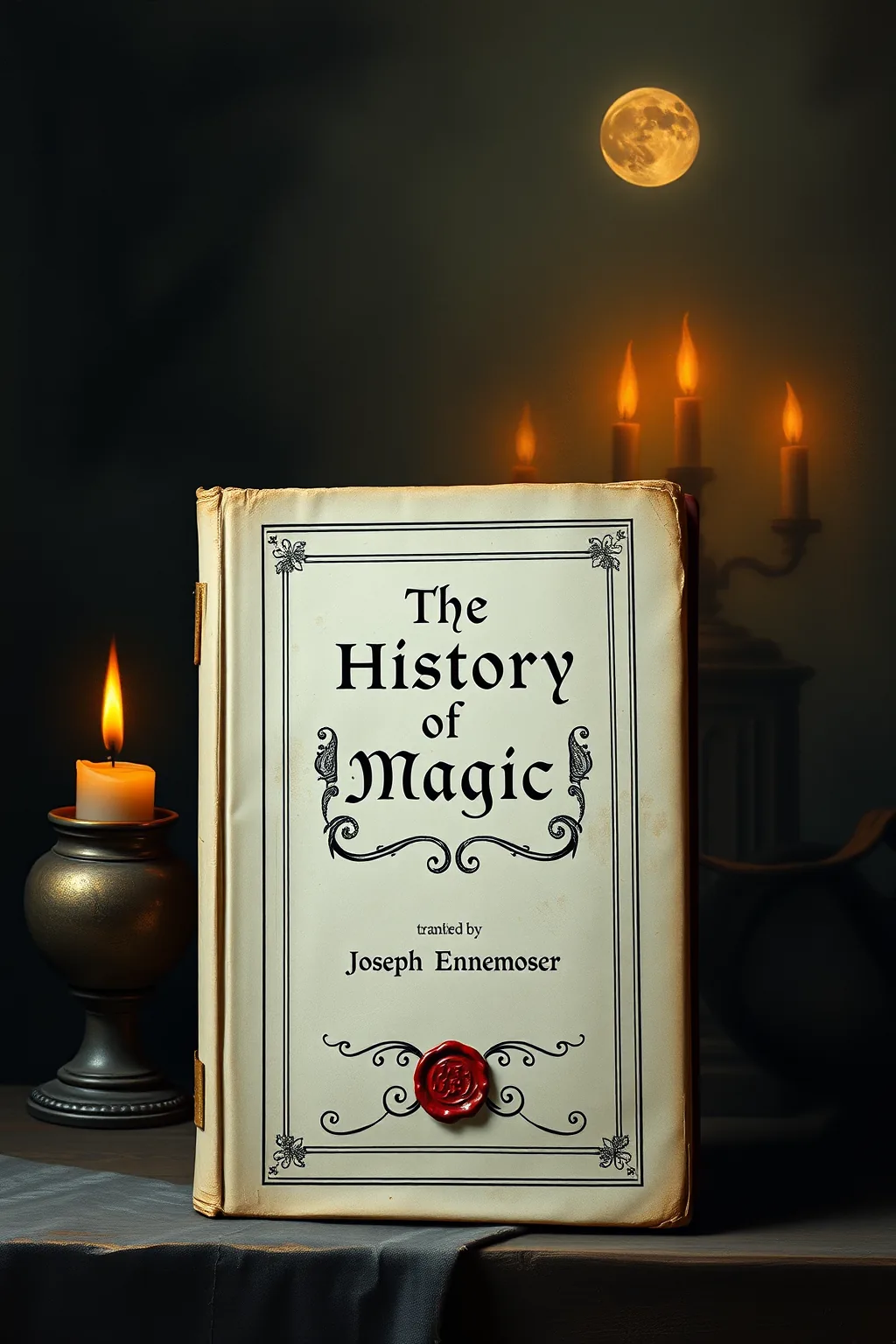
The history of magic, tr. by W. Howitt. To which is added an appendix of the ...
 73
73

The history of magic, tr. by W. Howitt. To which is added an appendix of the ...



Joseph Ennemoser's 'The History of Magic' is a treasure trove for modern esoteric seekers. Published in the 19th century, this book provides a detailed and scholarly exploration of magical traditions from various cultures and eras. Ennemoser's work is particularly valuable for its historical context, offering readers a glimpse into how magical practices have evolved over time. The inclusion of an appendix further enriches the text, providing additional esoteric insights. For contemporary readers, this book serves as a bridge between ancient magical traditions and modern occult practices. It is an essential read for anyone interested in the deeper mysteries of the human experience. The translation by W. Howitt is clear and accessible, making the text enjoyable for both academics and general readers. Overall, 'The History of Magic' is a five-star addition to any esoteric library.
📝 Description
73
Joseph Ennemoser's 'The History of Magic' was published in 1844, detailing occult practices across centuries.
Published in 1844 and translated by W. Howitt, Joseph Ennemoser's 'The History of Magic' examines the development of occult traditions and beliefs. Ennemoser traces the history of magic through various historical periods, discussing its connection to philosophy, symbolism, and ritual. The work covers a wide range of esoteric concepts, from ancient practices to more contemporary (for the 19th century) interpretations of magical thought. It looks at how these ideas influenced culture and intellectual history. The book aims to present a comprehensive overview of the subject, drawing on historical sources to illustrate its points. It is a detailed account for those interested in understanding the historical and philosophical underpinnings of magic.
This text is a valuable resource for understanding 19th-century perspectives on magic and esotericism. Ennemoser's approach synthesizes historical accounts with an interest in the deeper meanings attributed to magical phenomena. The book discusses the role of symbolism in magical systems and the philosophical questions magic raises. It also touches upon biographical elements of figures associated with magical traditions. Readers will find discussions on alchemy, demonology, and various forms of divination as they appeared throughout history.
Joseph Ennemoser's work emerged during the 19th century, a period of renewed interest in spiritualism, occultism, and esoteric traditions. This era saw a significant effort to codify and historicize subjects previously relegated to folklore or dismissed entirely. 'The History of Magic' fits within this trend, aiming to provide a structured, scholarly account of magical beliefs and practices across different cultures and time periods. It reflects a broader movement to understand the hidden currents of human thought and their influence on civilization, often seeking connections between ancient wisdom and contemporary spiritual seeking.
💡 Why Read This Book?
Reading 'The History of Magic' today offers a unique opportunity to explore the roots of modern esoteric practices. Ennemoser's work provides a comprehensive overview of magical traditions, helping readers understand the historical context of contemporary occult beliefs. Whether you are a scholar, a practitioner, or simply curious about the mystical, this book offers valuable insights and a deeper appreciation for the esoteric world. By delving into this text, readers can gain a broader perspective on the hidden dimensions of human experience and the enduring influence of magic.
⭐ Reader Reviews
Honest opinions from readers who have explored this book.
❓ Frequently Asked Questions
What is the main focus of 'The History of Magic'?
The main focus of 'The History of Magic' is the exploration of magical traditions and occult practices from ancient times to the 19th century. It provides a detailed historical context for modern esoteric beliefs.
Who would benefit from reading this book?
Scholars, occult practitioners, and anyone interested in esoteric history and biography would benefit from reading this book. It offers valuable insights into the evolution of magical thought.
Is this book suitable for beginners in the occult?
While the book is detailed and scholarly, it is accessible to beginners with an interest in the occult. The translation by W. Howitt makes the text clear and engaging for new readers.
🔮 Key Themes & Symbolism
The Philosophical Underpinnings of Magic
Ennemoser examines the deep philosophical questions that underlie magical practices, exploring how these ancient traditions have shaped human thought and culture. The book offers a collection of esoteric history and biography, inviting readers to contemplate the profound mysteries of the occult.
Symbolism and Rituals
The book provides an in-depth look at the symbolism and rituals that are central to magical traditions. Ennemoser's exploration of these elements reveals the hidden meanings and significance behind the practices, offering readers a deeper understanding of the esoteric world.
Historical Context and Influence
Ennemoser's work is set against the backdrop of centuries of esoteric history, providing readers with a comprehensive view of how magical traditions have evolved over time. The book's historical context and influence make it a valuable resource for scholars and practitioners alike.
💬 Memorable Quotes
Direct passages from the work, attributed to the author.
“Symbolism is the language of the soul.”
— Ennemoser emphasizes the importance of symbols in magical practices, suggesting that they hold deep spiritual significance.
“Ancient rituals hold the key to understanding the present.”
— Ennemoser's work highlights the timeless nature of magical practices, showing how they continue to influence modern thought.
💡 Key Ideas
Editorial paraphrase of the work's core concepts — not direct quotes.
Magic is the art of connecting with the hidden forces of nature.
This quote underscores the idea that magic is not merely superstition but a profound way of interacting with the natural world.
The true seeker of knowledge must look at the mysteries of the occult.
This quote encourages readers to explore the hidden truths of esoteric traditions, emphasizing the value of intellectual curiosity.
The philosophical inquiry into magic reveals the deepest secrets of human existence.
This quote suggests that the study of magic can lead to clear insights into the nature of reality and human experience.
🌙 Esoteric Significance
Tradition
This book belongs to the Hermetic tradition, which emphasizes the pursuit of hidden knowledge and the connection between the microcosm and the macrocosm. Ennemoser's work is a evidence of the enduring relevance of Hermetic principles in the study of the occult.
Symbolism
Key symbols in this book include the pentacle, the pentagram, and the circle, each representing different aspects of magical practice and esoteric philosophy. These symbols hold deep meanings that connect the practitioner to the hidden forces of nature and the universe.
Modern Relevance
Today, 'The History of Magic' remains relevant for modern practitioners who seek to understand the deeper philosophical significance of magical practices. The book's exploration of symbolism and rituals continues to influence contemporary esoteric thought and practice.
👥 Who Should Read This Book
Beginners in the field of esoteric studies will find this book a rich introduction to the mystical world of magic. Scholars of mystical traditions will appreciate its comprehensive exploration of historical and philosophical contexts. Spiritual seekers will be drawn to the clear insights into the nature of reality and human experience. Practitioners of the occult will benefit from the detailed examination of symbols and rituals.
📜 Historical Context
Written in an era when the boundaries between science and the occult were more fluid, 'The History of Magic' reflects the intellectual curiosity of the time. Ennemoser's work was important because it provided a comprehensive overview of magical traditions, connecting ancient practices with contemporary thought. The book's influence can be seen in the ongoing exploration of esoteric knowledge, making it a foundational text for modern practitioners and scholars.
📔 Journal Prompts
How do the philosophical underpinnings of magic shape your understanding of the world?
What symbols from the book resonate with you personally, and why?
In what ways do ancient magical practices influence modern esoteric thought?
How does Ennemoser's exploration of symbolism and rituals deepen your appreciation for the occult?
What insights into the nature of reality and human experience have you gained from reading this book?
🗂️ Glossary
Hermetic Tradition
A philosophical and spiritual tradition that emphasizes the pursuit of hidden knowledge and the connection between the microcosm and the macrocosm.
Pentacle
A symbol consisting of a pentagram within a circle, representing the five elements and the protection of the practitioner.
Pentagram
A five-pointed star symbolizing the harmony of the five elements and the balance of forces in the universe.
Circle
A sacred space used in magical rituals to create a boundary between the practitioner and the outside world, symbolizing protection and focus.
Esoteric Philosophy
The study of hidden knowledge and mystical traditions, often involving the exploration of symbols, rituals, and philosophical inquiries.
This book appears in 4 collections
🔮 Readers Also Liked
Browse all →









More by Joseph Ennemoser
All books →
From the “Occultism” Collection
View all →


![The Empire Of '' The City Of London'' [ World Superstate] Citi Bank nwo illuminati freemasons british-israel](/img/thumb/the-empire-of-the-city-of-london-world-superstate-citi-bank-nwo-illuminati-freemasons-british-israel.webp)



More Free Esoteric History & Biography Books
View all →