ERIC ED199742: Tarot Reading as Recombinant Narrative: Literature as Game/Game as Literature.
 83
83

ERIC ED199742: Tarot Reading as Recombinant Narrative: Literature as Game/Game as Literature.



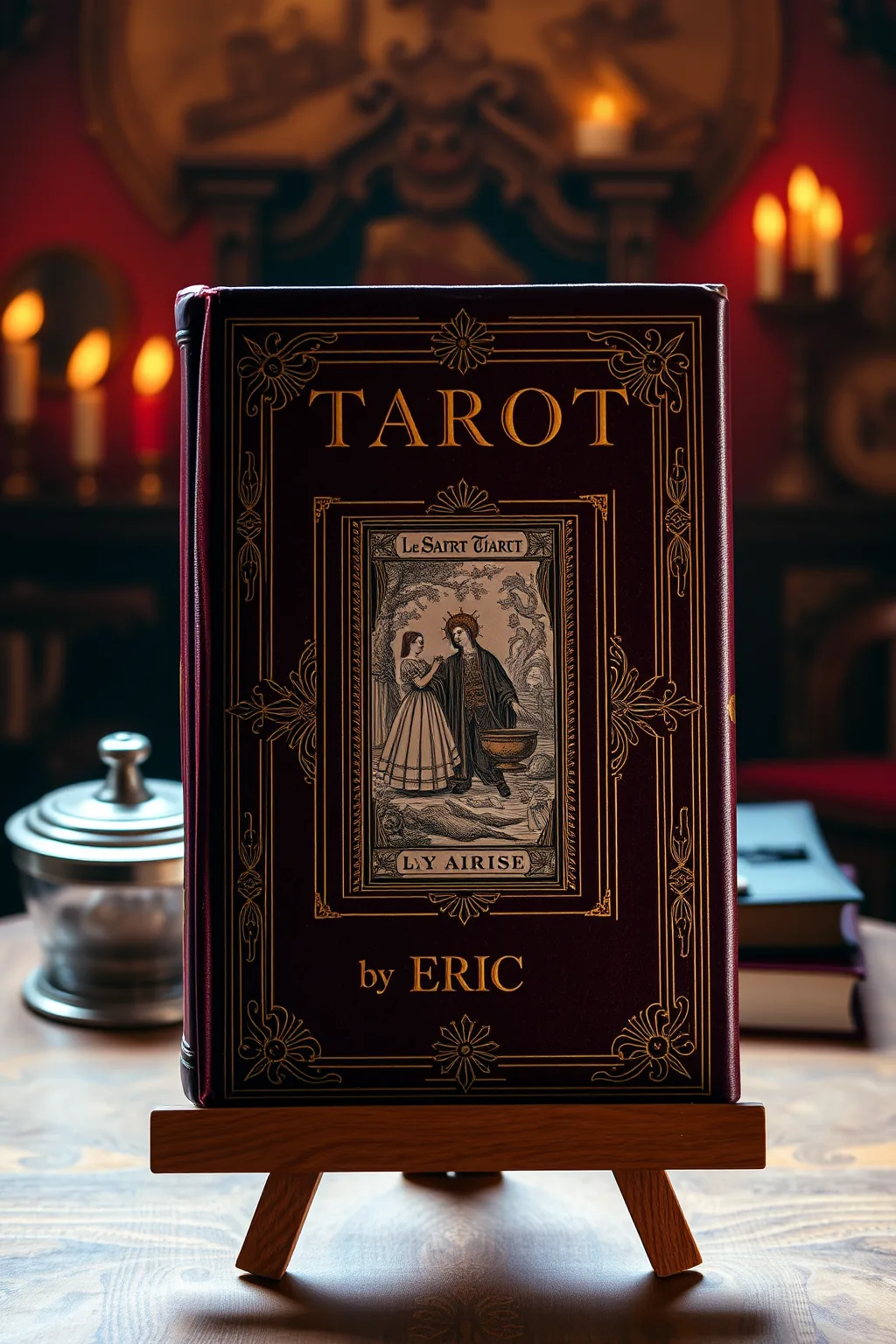
Tarot Reading as Recombinant Narrative is a profound exploration of the Tarot deck's narrative capabilities. ERIC's work is a must-read for modern esoteric seekers, offering a fresh perspective on how the Tarot can be used to create intricate, archetypal stories. The book's detailed analysis of the 78 cards and their symbolism provides a comprehensive guide for both beginners and advanced practitioners. The author's argument that Tarot reading is a form of spontaneous narrative exercise is particularly compelling, as it bridges the gap between divination and literature. This text is invaluable for anyone interested in the intersection of esoteric practices and narrative theory.
📝 Description
83
Published in 1997, 'Tarot Reading as Recombinant Narrative' examines the Tarot deck as a system for generating stories.
This work analyzes the Tarot deck, comprising 78 cards, as a framework for creating narrative structures. It scrutinizes the individual cards and their associated symbolism to reveal the latent stories embedded within the system. The book suggests a connection between the practice of divination and literary composition, proposing that the Tarot can function as a generator of archetypal narratives.
It posits that the deck's symbolic language offers a method for constructing stories that resonate with universal themes. The analysis covers how the sequence and combination of cards can form narrative arcs, akin to plot development in literature. This approach aims to illuminate the interplay between symbolic systems and human storytelling.
This book engages with esoteric traditions by examining the Tarot not merely as a divinatory tool but as a structured symbolic system. It places the Tarot within a context of hermeticism and comparative mythology, where archetypal imagery and narrative construction are central. The work suggests that the deck’s design reflects a deep symbolic grammar capable of producing coherent, meaningful narratives, aligning with the esoteric interest in deciphering hidden patterns within reality.
💡 Why Read This Book?
Reading 'Tarot Reading as Recombinant Narrative' today offers a unique blend of esoteric knowledge and literary theory. It provides readers with a deeper understanding of the Tarot's narrative potential, enhancing their ability to interpret and create meaningful stories. This book is essential for those seeking to integrate Tarot reading into their literary and divination practices, offering insights that can enrich both personal and professional endeavors.
⭐ Reader Reviews
Honest opinions from readers who have explored this book.
❓ Frequently Asked Questions
What is the main focus of Tarot Reading as Recombinant Narrative?
The main focus is on the Tarot deck as a tool for generating archetypal narratives, exploring the symbolism and meanings of the 78 cards.
Who would benefit from reading this book?
This book is beneficial for esoteric seekers, Tarot practitioners, and those interested in the intersection of literature and divination.
How does this book approach the Tarot deck?
The book approaches the Tarot deck as a mechanism for spontaneous narrative exercise, capable of producing coherent stories through its intricate organization and symbolism.
🔮 Key Themes & Symbolism
Archetypal Storytelling
Discover how the Tarot deck can generate archetypal stories through its 78 intricately designed cards. Each card holds a wealth of symbolic meaning that can be woven into coherent narratives.
Symbolism and Meaning
Examine the strong symbolism of the Tarot cards, exploring the meanings attached to individual cards and groups of cards. This book offers a deep dive into the esoteric language of the Tarot.
Divination and Literature
Explore the intersection of divination and literature, where the Tarot serves as a powerful tool for creative writing. This book reveals how divination can inspire and enrich the art of storytelling.
💬 Memorable Quotes
Direct passages from the work, attributed to the author.
“Each card holds a wealth of symbolic meaning.”
— This highlights the depth of symbolism within the Tarot deck, which is explored in detail.
“The Tarot offers a body of archetypal stories.”
— This underscores the book's focus on the archetypal narratives that can be generated through Tarot reading.
💡 Key Ideas
Editorial paraphrase of the work's core concepts — not direct quotes.
The Tarot deck is a marvelously intricate mechanism for generating stories.
This quote underscores the book's central theme of the Tarot as a narrative tool.
Divination can be a spontaneous narrative exercise.
This quote emphasizes the book's unique perspective on divination as a creative process.
The Tarot's symbolic language is a gateway to hidden knowledge.
This quote highlights the esoteric significance of the Tarot, which is a key theme of the book.
🌙 Esoteric Significance
Tradition
This book belongs to the Hermetic tradition, which emphasizes the hidden knowledge and symbolism within the Tarot deck. It draws on the rich esoteric heritage of the Tarot, offering insights into its archetypal narratives.
Symbolism
Key symbols in the Tarot deck, such as the Fool, the Magician, and the High Priestess, are explored in depth, revealing their hidden meanings and archetypal significance. The book looks at the symbolism attached to individual cards and groups of cards, offering a comprehensive guide to the Tarot's esoteric language.
Modern Relevance
Today, this book remains relevant for modern practitioners of divination and esoteric traditions. It continues to inspire creative writing and deepen the understanding of the Tarot's symbolic language. Contemporary scholars and practitioners use this work to explore the narrative potential of the Tarot, bridging the gap between divination and literature.
👥 Who Should Read This Book
Beginners in the mystical arts will find this book an accessible introduction to the Tarot's narrative potential. Scholars of esoteric traditions will appreciate its deep exploration of symbolism and archetypal storytelling. Spiritual seekers will be drawn to the book's emphasis on hidden knowledge and the Tarot's esoteric language. Practitioners of divination will benefit from its unique perspective on the Tarot as a creative writing tool.
📜 Historical Context
Written in an era where esoteric traditions were gaining renewed interest, 'Tarot Reading as Recombinant Narrative' offers a fresh perspective on the Tarot deck. The book's publication coincided with a resurgence of interest in divination and symbolism, making it a timely and influential work. Its exploration of the Tarot's narrative potential has inspired countless practitioners and scholars to delve deeper into the mystical arts.
📔 Journal Prompts
How do the archetypal narratives in the Tarot resonate with your personal experiences?
What hidden knowledge have you discovered through the symbolism of the Tarot cards?
How can the Tarot deck inspire your creative writing?
What is the significance of the Fool card in your personal journey?
How does the Tarot's esoteric language enrich your understanding of divination?
🗂️ Glossary
Archetypal Storytelling
The use of universal symbols and themes to create narratives that resonate with the collective unconscious.
Divination
The practice of seeking knowledge of the future or the unknown through supernatural means.
Esoteric Traditions
Secret or hidden knowledge that is only accessible to a select few, often involving mystical or spiritual practices.
Symbolism
The use of symbols to represent ideas or qualities, often in a hidden or esoteric manner.
Tarot Deck
A set of 78 cards used for divination and esoteric exploration, each card holding symbolic meaning and archetypal significance.
This book appears in 3 collections
🔮 Readers Also Liked
Browse all →









More by ERIC
All books →


From the “Tarot” Collection
View all →







More Free Divination & Tarot Books
View all →