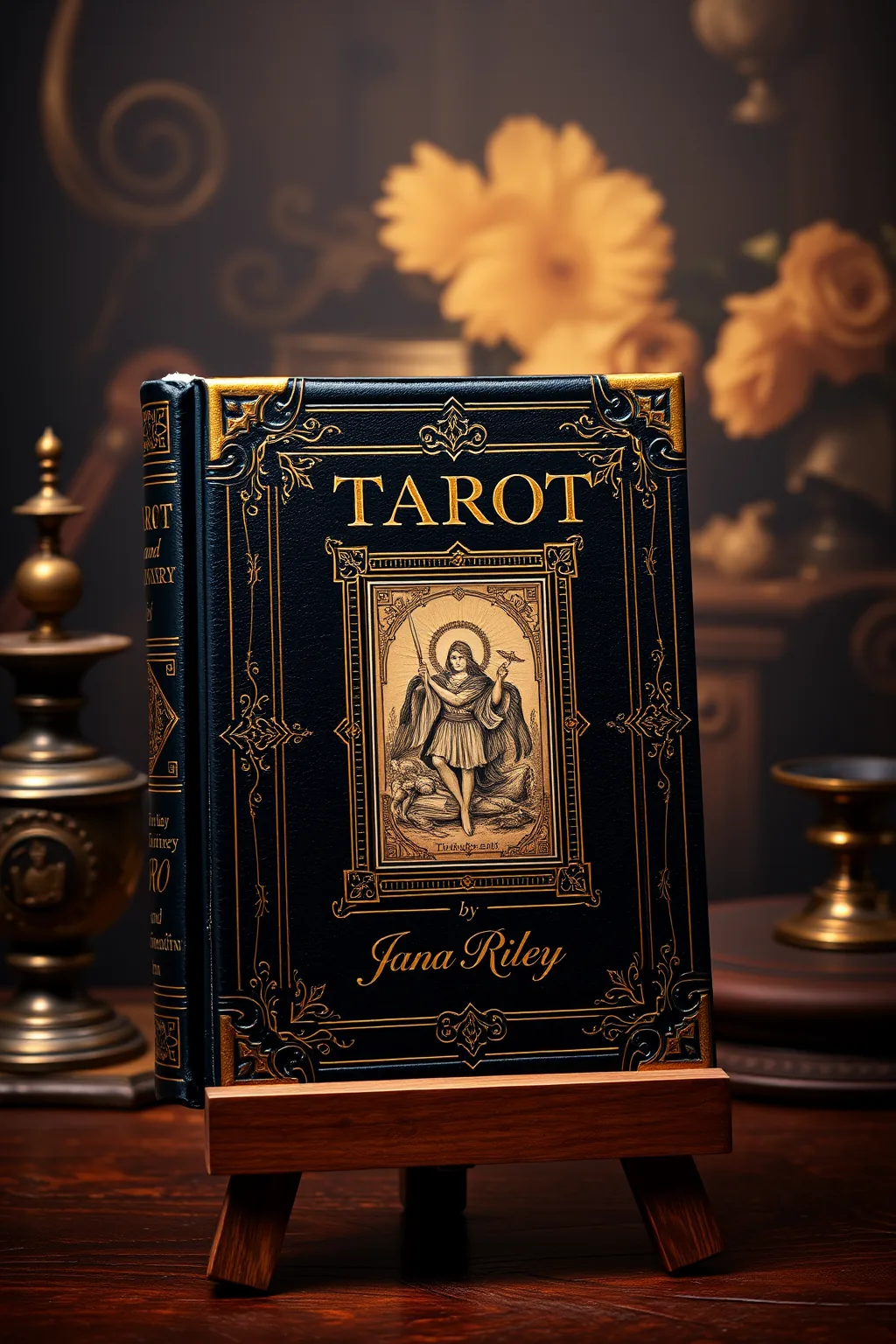
Speeches

 75
75

Speeches



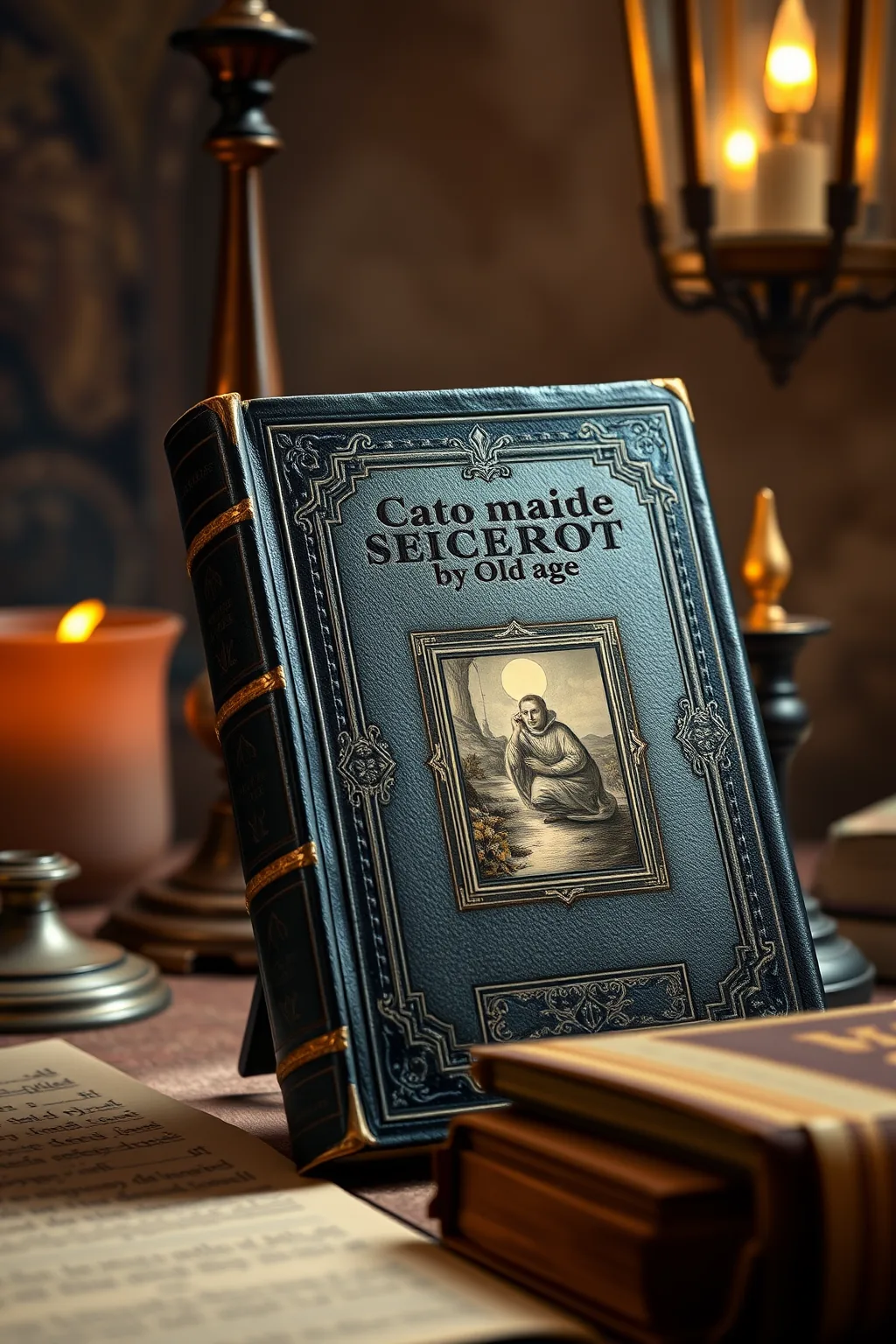
Aurelia Blackwood (Occult Philosophy Critic) — Cicero's 'Speeches' transcend the confines of historical record, offering a profound glimpse into the esoteric mechanics of power and persuasion. His masterful orations are not merely arguments; they are carefully constructed psychic assaults, designed to evoke specific emotional and intellectual responses. The 'Philippics,' in particular, pulsate with the raw energy of defiance, a testament to the potent force of will against encroaching darkness. For the discerning reader, these texts reveal the symbolic language of governance and the enduring human drama of striving for a higher ideal, even in the face of overwhelming societal decay. A vital read for scholars of ancient wisdom and practitioners of symbolic thought.
📝 Description
75
In 63 BCE, Cicero delivered his First Catiline Oration, a speech that forever changed Roman political oratory.
Cicero's speeches capture the final years of the Roman Republic, showcasing his skill not just in politics but in shaping perception. These are not simple addresses; they act as powerful tools that influenced events and revealed the dynamics of power in Rome. Through his command of rhetoric, Cicero illuminates fundamental conflicts: order against chaos, and virtue against corruption.
Each speech, whether a defense or an accusation, is carefully constructed to persuade the listeners and, in a sense, alter the course of events. The text suggests examining the hidden meanings in his arguments, the ways he shaped how people saw things, and the philosophical ideas that connect to enduring questions about human behavior and the quest for fairness. This collection is for anyone interested in the hidden forces behind historical moments and the lasting impact of spoken words for change.
While Cicero's speeches are primarily historical and political documents, their description here suggests an esoteric reading. This interpretation focuses on rhetoric as a form of 'incantation' and 'spellcraft,' shaping destinies and fate. It highlights the 'veiled symbolism' and 'occult forces' at play, framing Cicero's oratorical techniques as methods for manipulating perception and achieving transformation. This approach aligns with traditions that view language and persuasive speech as having transformative power beyond their literal meaning.
💡 Why Read This Book?
Uncover the hidden architecture of power and persuasion in the twilight of the Roman Republic. Cicero's orations are potent lessons in rhetorical sorcery, revealing how words can shape reality and influence collective destiny. Ideal for seekers of ancient wisdom, students of symbolic language, and anyone fascinated by the interplay of politics and the unseen forces that guide human affairs.
⭐ Reader Reviews
Honest opinions from readers who have explored this book.
❓ Frequently Asked Questions
Are Cicero's speeches relevant to modern political thought?
Absolutely. Cicero's insights into rhetoric, governance, and the manipulation of public opinion remain remarkably prescient, offering timeless lessons for understanding contemporary political landscapes and the enduring challenges of maintaining a just society.
What esoteric themes are present in Cicero's speeches?
While not overtly occult, Cicero's speeches contain profound explorations of archetypal struggles, the power of belief, the shaping of collective consciousness through rhetoric, and the symbolic representation of virtue and vice in public life.
How does Cicero's rhetoric function as a form of 'magic'?
Cicero's rhetorical mastery can be seen as a form of 'word-magic,' where carefully chosen language, persuasive arguments, and emotional appeals are used to influence the minds and actions of others, shaping perceptions and ultimately, the course of events.
Who was Cicero and why are his speeches significant?
Marcus Tullius Cicero was a Roman statesman, orator, lawyer, and philosopher. His speeches are considered masterpieces of Latin literature and offer invaluable historical and philosophical insights into the late Roman Republic, including his famous defense against conspiracy and his denunciations of Mark Antony.
Can these speeches be understood by readers without a classical education?
Yes, with the aid of modern translations and accompanying scholarly notes, the core messages and historical significance of Cicero's speeches are accessible to a broad audience interested in history, philosophy, and the art of persuasion.
🔮 Key Themes & Symbolism
The Alchemy of Oratory
Cicero's speeches are not merely persuasive arguments; they are potent alchemical processes, transforming raw emotion and logical reasoning into the gold of conviction. He masterfully manipulates the listener's psyche, employing symbolic language and archetypal narratives to evoke desired responses. This theme explores how rhetoric, when wielded with profound skill, can transmute the understanding of an audience, shaping collective will and influencing the very currents of destiny. His orations reveal the hidden power of the spoken word to ignite passion, instill fear, and forge consensus, acting as a potent force in the grand theater of human affairs.
Guardians of the Republic's Soul
In an era teetering on the precipice of collapse, Cicero's speeches emerge as desperate incantations to preserve the spiritual integrity of the Roman Republic. He grapples with the encroaching shadows of corruption, ambition, and moral decay, positioning himself as a bulwark against these destructive forces. His defense of justice and liberty becomes a sacred duty, a ritualistic attempt to reawaken civic virtue and restore balance. This theme explores the symbolic fight for the Republic's soul, where each oration is a battlefield for the principles of order, reason, and the collective good, informative the eternal struggle between light and darkness.
The Unseen Threads of Power
Beyond the visible machinations of politics, Cicero's speeches subtly unveil the unseen threads of power that governed the Roman world. He exposes the hidden agendas, the subtle manipulations, and the underlying currents of ambition that drove individuals and factions. His keen intellect dissects the motivations of his adversaries, revealing the patterns of influence and control that shaped decisions in the Senate, the courts, and the public forum. This theme invites readers to look beyond the surface, to decipher the veiled symbolism of power dynamics, and to understand how human desires and fears are orchestrated within the grand cosmic play.
💬 Memorable Quotes
Direct passages from the work, attributed to the author.
“The life of men is not as long as that of the city.”
— A profound observation on the ephemeral nature of individual existence compared to the enduring legacy and potential longevity of a well-ordered society.
“To be ignorant of what happened before you were born is to remain forever a child.”
— Emphasizes the vital importance of historical knowledge for intellectual maturity and understanding one's place within the continuum of human experience.
“The authority of those who have no experience is not of much value.”
— Highlights the necessity of practical wisdom and lived experience as the foundation for legitimate leadership and sound judgment.
“In times of war, laws are silent.”
— A stark reminder of how conflict can suspend or override established legal frameworks, leading to potential abuses of power and a breakdown of order.
“The welfare of the people is the ultimate law.”
— A core principle of good governance, suggesting that the primary purpose of laws and political structures should be the well-being and prosperity of the populace.
🌙 Esoteric Significance
Tradition
While not adhering to a specific codified esoteric tradition, Cicero's work deeply speaks to the principles of Hermeticism and Neoplatonism, which emphasize the power of Logos (the Word), the influence of archetypal forces, and the interconnectedness of the human and cosmic realms. His rhetoric can be viewed as an application of 'divine science,' where carefully crafted language seeks to align human will with perceived natural or divine order, aiming to manifest specific outcomes in the material world.
Symbolism
Cicero's speeches are rich with symbolic language that transcends literal meaning. Concepts like 'virtus' (virtue) and 'res publica' (the public thing) function as potent archetypes representing the ideal state and its defense. He employs metaphors of light and darkness, health and disease, order and chaos to represent moral and political states. The very act of public oration becomes a symbolic ritual, a performance of civic duty and a battle for the soul of Rome, with the orator as a priest-like figure wielding the power of persuasion.
Modern Relevance
In an age saturated with information and often characterized by political polarization, Cicero's emphasis on clear articulation, reasoned argument, and the ethical responsibility of the speaker remains profoundly relevant. His insights into the manipulation of public opinion and the fragility of democratic institutions offer timeless lessons for navigating contemporary challenges. Furthermore, his exploration of the power of language to shape reality speaks to modern theories of narrative construction and the impact of rhetoric on collective consciousness, making his work a vital study for communicators, leaders, and engaged citizens.
👥 Who Should Read This Book
This collection is indispensable for scholars of classical history and rhetoric, offering primary source material of outstanding depth and eloquence. For students of philosophy and political science, Cicero's speeches provide foundational texts on governance, justice, and the nature of power. Seekers of ancient wisdom will find useful insights into human nature and the enduring struggle for ideals. Practitioners of symbolic thought and those interested in the occult dimensions of language and influence will discover a collection of rhetorical magic, revealing how words can shape worlds and individuals can stand as bulwarks against encroaching darkness.
📜 Historical Context
Cicero's orations were delivered during the tumultuous final decades of the Roman Republic, a period characterized by escalating civil strife, rampant corruption, and the erosion of democratic institutions. This era witnessed the rise of powerful generals, violent political factionalism, and profound social inequality, all of which culminated in the demise of the Republic and the ascendancy of emperors. Cicero, a staunch defender of republican ideals, found himself at the epicenter of these conflicts, using his outstanding rhetorical skills to navigate treacherous political waters. His speeches offer an intimate, immediate perspective on these central events, capturing the anxiety, the fervor, and the desperate hopes of a civilization on the brink of transformation. Understanding this context is crucial to appreciating the weight and urgency of his words, which often carried the very threat of life and death.
📔 Journal Prompts
In what ways do the 'hidden currents of power' Cicero describes resonate with contemporary societal structures?
How does Cicero's use of archetypal symbolism (e.g., light vs. darkness) influence your perception of his arguments?
Reflect on a time when the spoken word significantly altered your perspective or motivated you to action.
Consider the concept of 'rhetorical sorcery.' How can language be used to shape reality, and what are the ethical considerations involved?
If Cicero were alive today, what societal issues do you believe he would address with his speeches, and why?
🗂️ Glossary
Orator
A public speaker, especially one who is eloquent and skilled in the art of persuasion. In ancient Rome, oratory was a highly respected and crucial skill for political and legal advancement.
Republic
A form of government in which the country is considered a 'public matter,' not the private concern or property of the rulers. In Rome, it was a system of elected officials and representative assemblies.
Conspiracy
A secret plan by a group to do something unlawful or harmful. Cicero famously exposed and combatted the Catiline Conspiracy, a plot to overthrow the Roman Republic.
Philippics
A series of speeches delivered by Cicero denouncing Mark Antony. They are considered some of his most impassioned and politically charged works, ultimately leading to his death.
Rhetoric
The art of effective or persuasive speaking or writing, especially the use of figures of speech and other compositional techniques. Cicero was a master of rhetoric.
This book appears in 3 collections
🔮 Readers Also Liked
Browse all →








More by Cicero
All books →


From the “Tarot” Collection
View all →
![CIA Reading Room cia-rdp84-00022r000200150084-5: ORIENTATION COURSE LECTURE ON 'SERVICES OF [ ] [ ]'](/img/thumb/cia-reading-room-cia-rdp84-00022r000200150084-5-orientation-course-lecture-on-services-of-cia-reading-room.webp)







More Free Divination & Tarot Books
View all →