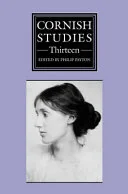
Cornish Studies Volume 13
 71
71

Cornish Studies Volume 13
Philip Payton's curation in Cornish Studies Volume 13 offers a commendable breadth, touching upon emigration, literature, and the enduring legacy of figures like William Scawen. The inclusion of essays on the medieval Cornish-language miracle plays is particularly valuable for understanding the historical depth of the region's cultural expression. However, the collection, by its nature as an edited volume, can feel somewhat disparate. While articles on Jack Clemo and Cornish mining history provide solid historical grounding, the connection to a broader 'esoteric' lens, as suggested by the library's categorization, feels tangential rather than central. The strength lies in the specific historical research presented, but a more cohesive thematic exploration would have elevated its impact. It serves as a useful, if uneven, compendium of Cornish scholarship.
📝 Description
71
Cornish Studies Volume 13, published in 2005, examines Cornish identity through its history, language, and literature.
Philip Payton compiled Cornish Studies Volume 13 in 2005, gathering scholarly articles that go beyond simple regional history. The collection analyzes diverse aspects of Cornish identity, connecting them to broader cultural and literary discussions. It is a resource for those studying regional history, literature, and folklore, especially concerning Cornwall.
The book addresses established topics like Cornish emigration, mining, and language. It also brings attention to less common subjects, such as the literary work of Jack Clemo and Virginia Woolf's connection to Cornwall. The essays consider how Cornish identity has been shaped by its linguistic past, including medieval miracle plays and revivalist movements led by figures like William Scawen. Furthermore, the volume investigates the impact of emigration on Cornish communities and how local folklore and literature serve to maintain this unique cultural heritage.
While not overtly esoteric in a mystical sense, this collection engages with the deep currents of cultural memory and identity that often inform esoteric traditions. It looks at how language, folklore, and historical narratives shape a unique sense of place and belonging. The focus on revivalist movements and the preservation of cultural heritage through literature and plays touches upon themes of collective consciousness and the enduring spirit of a people, which resonate with the underlying principles of many esoteric studies seeking to understand hidden or forgotten connections within cultures.
💡 Why Read This Book?
• Gain specific insights into Cornish emigration patterns and their impact on diaspora communities, as explored through detailed historical accounts. • Understand the significance of the medieval Cornish-language miracle plays, a unique medieval dramatic tradition that preserved cultural narratives. • Examine the legacy of William Scawen, a 17th-century figure instrumental in the Cornish language revival, and his impact on regional identity.
⭐ Reader Reviews
Honest opinions from readers who have explored this book.
❓ Frequently Asked Questions
What specific historical periods does Cornish Studies Volume 13 cover?
The volume spans a wide historical range, from the medieval period with discussions of the Cornish-language miracle plays to the 17th century concerning William Scawen, and extends to modern literary figures and emigration histories.
Which literary figures are discussed in Cornish Studies Volume 13?
Key literary figures examined include the Cornish poet Jack Clemo and the novelist Virginia Woolf, with articles exploring their works and connections to Cornwall.
Does the book discuss Cornish folklore?
Yes, Cornish folklore is a subject within the volume, contributing to the understanding of regional identity and cultural transmission across generations.
What is the significance of William Scawen mentioned in the book?
William Scawen is highlighted as a significant 17th-century Cornish patriot and a key figure in the revival of the Cornish language, representing a crucial moment in the preservation of Cornish cultural heritage.
What is the primary focus of the articles on Cornish mining history?
Articles on Cornish mining history likely explore the economic, social, and cultural impact of this foundational industry on the region and its people, including emigration driven by mining opportunities.
Is Cornish Studies Volume 13 suitable for beginners interested in Cornwall?
While it contains detailed academic articles, the diverse subjects like folklore and emigration offer accessible entry points for those new to Cornish studies, provided they have an interest in historical and cultural analysis.
🔮 Key Themes & Symbolism
Linguistic Heritage and Revival
The volume critically examines the historical trajectory of the Cornish language, from its medieval manifestation in miracle plays to the dedicated revival efforts spearheaded by figures such as William Scawen in the 17th century. It explores how language is intertwined with cultural identity and the challenges and successes associated with its preservation against dominant linguistic forces. The discussions highlight the importance of linguistic continuity for understanding Cornish heritage.
Cornish Identity and Emigration
A significant theme is the complex nature of Cornish identity, particularly as shaped by emigration. The book analyzes how Cornish people have historically dispersed across the globe, carrying their cultural practices, folklore, and sense of belonging with them. These essays investigate the formation of diaspora communities and the ways in which emigration influenced both the homeland and the host countries, creating a complex, transnational identity.
Literary and Cultural Contributions
Cornish Studies Volume 13 showcases Cornwall's contributions to literature and the arts. It features analyses of notable figures like the novelist Virginia Woolf and the poet Jack Clemo, exploring their engagement with Cornish landscapes, history, and themes. This theme underscores how literary works serve as vehicles for cultural expression, reflecting and shaping perceptions of Cornwall and its people.
Folklore and Historical Memory
The collection explores Cornish folklore, investigating its role in preserving historical memory and cultural distinctiveness. By examining myths, legends, and local traditions, the volume illustrates how these intangible elements contribute to a shared sense of heritage. This exploration connects the past to the present, revealing the enduring influence of folklore on Cornish identity and regional narratives.
💬 Memorable Quotes
Direct passages from the work, attributed to the author.
“The medieval Cornish-language miracle plays represent a unique dramatic tradition.”
— This statement points to the distinct cultural and linguistic achievement of Cornwall during the medieval period, highlighting the miracle plays as a significant surviving artifact of its heritage.
“William Scawen championed the revival of the Cornish language in the 17th century.”
— This highlights Scawen's central role as a patriot and linguist, emphasizing his efforts to preserve and re-establish the Cornish tongue during a critical historical juncture.
“Cornish emigration created distinct communities abroad.”
— This concept addresses the far-reaching impact of Cornish migration, suggesting that emigrants formed identifiable groups in new lands, maintaining aspects of their homeland culture.
“Jack Clemo's poetry is rooted in the Cornish landscape.”
— This interpretation suggests that Clemo's literary output is deeply informed by his physical surroundings in Cornwall, making the landscape a central element in his poetic expression.
“Virginia Woolf's connection to Cornwall influenced her writing.”
— This indicates that the author's experiences and perceptions of Cornwall played a role in the themes, settings, or character development within her literary works.
🌙 Esoteric Significance
Tradition
While not explicitly aligned with a single esoteric lineage, this volume touches upon themes that resonate with broader currents of cultural preservation and identity rooted in place. The focus on language revival and folklore can be seen as connected to traditions that emphasize the power of ancestral knowledge and the spiritual significance of vernacular expression, often explored in Neopagan and folk magic traditions.
Symbolism
Key symbols emerge from the exploration of Cornish identity. The Cornish language itself, particularly its medieval miracle plays, acts as a symbol of a distinct cultural soul and historical continuity. Mining heritage, though seemingly secular, can symbolize resilience, the connection to the earth, and the extraction of hidden value – metaphors often employed in esoteric thought. Folklore motifs, specific to Cornwall, further represent the deep-seated archetypes and narratives of the region.
Modern Relevance
Contemporary thinkers and practitioners interested in cultural resilience, linguistic reclamation, and the spiritual connection to landscape draw upon the kind of detailed historical and cultural analysis found here. Groups focused on Celtic revivalism, regional identity movements, and even certain strains of land-based spirituality might find value in understanding the historical underpinnings of Cornish distinctiveness and its symbolic language.
👥 Who Should Read This Book
• Students of British regional history: Gain a deeper understanding of Cornwall's unique historical trajectory, separate from the dominant narratives of England. • Literary scholars focusing on 20th-century British authors: Explore the influence of place and regional identity on writers like Virginia Woolf and Jack Clemo. • Researchers of cultural preservation and language revival: Examine case studies of linguistic and folkloric efforts within a specific historical and geographical context.
📜 Historical Context
Published in 2005, Cornish Studies Volume 13 emerged during a period of burgeoning academic interest in regional identities and cultural histories. The collection situates itself within ongoing scholarly debates concerning the distinctiveness of Cornish culture, language, and history, particularly in relation to broader British narratives. It engages with established scholarship on Cornish emigration and mining, fields that have long attracted researchers. The inclusion of essays on literary figures like Jack Clemo and Virginia Woolf reflects a trend toward interdisciplinary approaches, linking social history with literary criticism. While not directly engaging with censorship, the academic nature of the publication implies a peer-reviewed environment, ensuring its reception within scholarly circles. Its existence contributes to the ongoing academic conversation, building upon earlier works like A.L. Rowse's studies of Cornwall, and offering contemporary perspectives on these enduring themes.
📔 Journal Prompts
Cornish emigration's impact on diaspora identity.
The role of William Scawen in the 17th-century Cornish language revival.
Reflecting on the symbolism within medieval Cornish miracle plays.
Jack Clemo's literary engagement with the Cornish landscape.
The enduring significance of Cornish folklore.
🗂️ Glossary
Cornish language
A Celtic language historically spoken in Cornwall, England. It experienced a decline but has seen significant revival efforts since the 20th century.
Miracle Plays
Medieval religious dramas, often performed in cycles, depicting biblical stories. The Cornish miracle plays are notable for being written and performed in the Cornish language.
Cornish Patriot
An individual deeply committed to the distinct identity, culture, and rights of Cornwall and its people, often associated with movements for its recognition or autonomy.
Cornish Folklore
The traditional beliefs, customs, stories, and practices of the people of Cornwall, reflecting its unique history, geography, and cultural influences.
Cornish Mining History
The study of Cornwall's extensive past as a major global centre for mining, particularly tin and copper, and its economic, social, and environmental consequences.
Cornish Emigration
The historical movement of people from Cornwall to other parts of the world, driven by factors such as economic hardship and opportunities, which established Cornish communities globally.
Language Revival
The process of attempting to increase the number of speakers of a minority language, often involving efforts in education, media, and cultural promotion.
This book appears in 1 collection
🔮 Readers Also Liked
Browse all →








From the “Nature Spirits” Collection
View all →





More Free Esoteric History & Biography Books
View all →