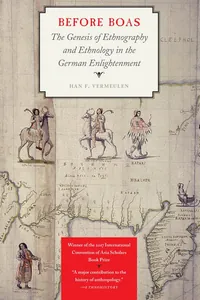
Santería
 75
75

Santería
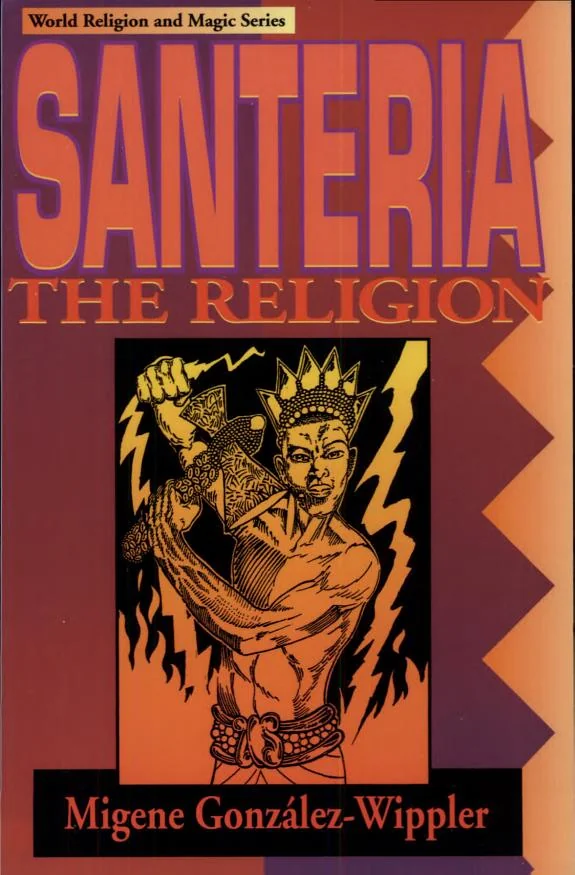
Migene González-Wippler's "Santería" provides a grounded, often intimate, look into a spiritual tradition frequently misrepresented. Her direct engagement, evidenced by interviews with Santerian leaders and firsthand accounts, lends an authority often missing in outsider analyses. The strength lies in its detailed descriptions of ritual, the pantheon, and the mechanics of divination, particularly the diloggún. However, the 1994 publication date means some contemporary developments or interpretations within the faith might not be fully represented. A particularly striking section details the preparation and use of sacred herbs, illustrating the deep connection between the natural world and spiritual practice. While occasionally dense, the work serves as a vital resource for understanding.
"Santería" offers an essential, if sometimes unvarnished, portal into a living spiritual system.
📝 Description
75
Migene González-Wippler's 1994 book offers a detailed look at Santería.
Migene González-Wippler's work examines Santería, an Afro-Caribbean religion rooted in West African Yoruba traditions. The book traces its development in Cuba, where Yoruba deities, known as Orishas, were integrated with Catholic saints after the transatlantic slave trade. It explains the fundamental beliefs, rituals, and the spiritual structure that characterize this living faith.
This volume is recommended for those seriously studying comparative religion, practitioners who wish to understand Orisha traditions more deeply, and anthropologists interested in how syncretic faiths evolve. It suits readers who approach esoteric subjects with scholarly care and a respect for genuine spiritual expression, moving past simplified accounts.
The book clarifies the functions of Orishas like Elegua, Ochun, and Shango as divine links. It describes the importance of divination using diloggún (cowrie shells), the use of herbs (eñi) for medicinal and spiritual purposes, and the vibrant ceremonies central to Santería worship. The practice of animal sacrifice is also discussed within its cultural and spiritual context.
Published in 1994, González-Wippler's book arrived as global interest in diasporic religions grew. It addresses a tradition often misunderstood, contributing to a shift from dismissal toward greater appreciation of these spiritual systems. The work aims to provide accessible, informed scholarship on a faith frequently obscured by secrecy or sensationalism.
💡 Why Read This Book?
• Gain a nuanced understanding of the Orishas, such as Shango, and their specific roles within the Santería pantheon, moving beyond simplistic characterizations. • Learn about the complex system of the diloggún, the cowrie shell divination method central to Santería, and its interpretive significance. • Explore the practical application of herbalism within sacred rites, as detailed in the book's exploration of eñi and their spiritual properties.
⭐ Reader Reviews
Honest opinions from readers who have explored this book.
❓ Frequently Asked Questions
What is the origin of Santería as described in the book?
The book explains Santería's origins trace back to the Yoruba people of West Africa, whose spiritual traditions were brought to Cuba by enslaved Africans and subsequently syncretized with Catholicism.
Who are the main deities in Santería according to González-Wippler?
González-Wippler details the pantheon of Orishas, divine manifestations of Olodumare, including figures like Elegua (the opener of ways), Ochun (goddess of love and rivers), and Shango (god of thunder).
What is the role of animal sacrifice in Santería, as discussed in the book?
The book addresses animal sacrifice as a controversial but integral ritual in Santería, performed to appease Orishas, facilitate spiritual communication, and maintain cosmic balance.
How does González-Wippler present the practice of divination?
She describes divination using the diloggún, a system involving thrown cowrie shells, which priests interpret to provide guidance and insight from the Orishas.
When was the original publication of Migene González-Wippler's Santería?
The original publication date for Migene González-Wippler's "Santería" was 1994, making it a significant text from the late 20th century.
What are some of the key terms explained in the book?
Key terms include Orishas (deities), Olodumare (the Supreme Being), diloggún (divination shells), and eñi (sacred herbs used in rituals).
🔮 Key Themes & Symbolism
The Orisha Pantheon
González-Wippler meticulously details the Orishas, the divine manifestations central to Santería. Each Orisha, like the trickster Elegua or the powerful Shango, possesses distinct characteristics, domains, and mythologies derived from Yoruba cosmology. The book emphasizes their role not merely as deities but as forces of nature and conduits of spiritual energy, vital for understanding the religion's operational framework and the relationships practitioners cultivate with the divine.
Divination and Spiritual Guidance
Central to the practice is the diloggún, the system of divination using cowrie shells. González-Wippler explains how priests interpret the patterns formed by thrown shells to receive messages from the Orishas. This section highlights the intricate interpretive science involved, demonstrating how Santería offers a structured method for seeking counsel and understanding spiritual influences on daily life.
Herbalism and Ritual Efficacy
The book underscores the profound connection between the natural world and spiritual practice through its exploration of eñi, or sacred herbs. These plants are not merely ingredients but possess inherent spiritual power, used in offerings, purifications, and medicinal applications within rituals. González-Wippler illustrates how Santería integrates botanical knowledge to enhance the efficacy and potency of ceremonies.
Syncretism and Cultural Synthesis
González-Wippler addresses the historical syncretism of Santería, particularly its Cuban development, where Yoruba deities were identified with Catholic saints. This fusion, born from the necessity of preserving African spiritual heritage under colonial rule, created a unique religious identity. The work illuminates how this blending reflects resilience and adaptation in the face of oppression.
💬 Memorable Quotes
Direct passages from the work, attributed to the author.
“The Orishas are not distant gods; they are forces of nature and aspects of the Supreme Being.”
— This statement emphasizes the immanent nature of the divine in Santería, contrasting with more transcendent theological models. It suggests a direct, palpable connection between the spiritual realm and the physical world.
“The interpretation of the diloggún requires years of study and intuitive development.”
— This highlights the skill and dedication involved in Santería's divinatory practices. It frames the priest's role not as fortune-telling, but as a learned and spiritually attuned form of counsel.
“Herbs are not just plants; they are vessels of spiritual energy.”
— This interpretation underscores the sacredness attributed to the natural world within Santería, particularly concerning medicinal and ritualistic plants. It points to a worldview where the mundane is imbued with the sacred.
“Santería is a living religion, constantly evolving through its practitioners.”
— This interpretation stresses the dynamic nature of Santería, moving it beyond a static historical artifact. It emphasizes the agency of contemporary adherents in shaping and continuing the tradition.
💡 Key Ideas
Editorial paraphrase of the work's core concepts — not direct quotes.
Animal sacrifice serves to nourish the Orishas and maintain spiritual equilibrium.
This paraphrased concept addresses the often-misunderstood practice of sacrifice, framing it within the logic of reciprocal relationships and spiritual sustenance within the Santería cosmology.
🌙 Esoteric Significance
Tradition
Santería, while rooted in West African Yoruba tradition, exhibits significant syncretism, particularly with Catholicism, a characteristic common in diasporic spiritual systems. It does not directly align with Western Hermeticism, Gnosticism, or Kabbalah but shares with them an emphasis on intermediary spiritual forces (Orishas akin to angelic or elemental hierarchies), ritual efficacy, and a complex cosmology. Its esoteric nature lies in its structured initiation rites, divination systems, and the cultivation of direct spiritual relationships.
Symbolism
Key symbols include the colors associated with specific Orishas (e.g., red and white for Shango, yellow for Ochun), representing their domains and energies. The cowrie shell, central to the diloggún, symbolizes communication, destiny, and the divine feminine. The use of specific herbs (eñi) carries potent spiritual symbolism, representing life, healing, and connection to the Earth's vital forces, each meticulously chosen for its energetic properties.
Modern Relevance
Contemporary practitioners and scholars of African Diaspora religions continue to draw upon foundational texts like González-Wippler's work. Its detailed examination of ritual, mythology, and the Orisha system remains relevant for understanding the core tenets of Santería. Modern spiritual movements exploring animism, nature-based spirituality, and ancestral veneration find echoes in its portrayal of direct engagement with spiritual forces and the natural world.
👥 Who Should Read This Book
• Students of comparative religion and African Diaspora studies seeking an authoritative overview of Santería's origins, practices, and cosmology. • Individuals interested in esoteric traditions who wish to move beyond superficial portrayals and understand the sophisticated spiritual framework of Orisha worship. • Anthropologists and cultural historians examining the impact of syncretism and the resilience of spiritual traditions under duress.
📜 Historical Context
Published in 1994, Migene González-Wippler's "Santería" arrived at a key moment in the study and popularization of Afro-Caribbean religions. The late 20th century witnessed a growing academic and public fascination with traditions previously relegated to the shadows or sensationalized. This period saw scholars like Joseph Murphy extensively documenting Caribbean religious practices, while also encountering resistance and misrepresentation. González-Wippler’s work distinguished itself by incorporating interviews with Santerian leaders, offering a more intimate perspective than purely academic analyses. It contributed to a burgeoning discourse that sought to understand Santería not as a relic, but as a vibrant, living spiritual system with deep roots in Yoruba cosmology and significant adaptations within the diaspora, particularly in Cuba.
📔 Journal Prompts
The role of Elegua as the opener of ways requires careful consideration.
Reflect on the symbolism inherent in the colors associated with Ochun.
Consider the relationship between the Orishas and natural forces described.
Analyze the importance of the diloggún in providing spiritual guidance.
Explore the spiritual significance attributed to eñi (sacred herbs).
🗂️ Glossary
Orisha
Deities or divine forces within the Santería pantheon, representing aspects of the Supreme Being Olodumare and natural phenomena.
Olodumare
The Supreme Being or Creator God in Yoruba and Santería cosmology, considered transcendent and often uninvolved in direct human affairs.
Diloggún
The system of divination using cowrie shells, employed by priests (babalawo or iyalorisha) to interpret messages from the Orishas.
Elegua
The Orisha of crossroads, beginnings, and endings; often depicted as a child or an old man, he holds the key to destiny and communication.
Ochun
The Orisha associated with love, beauty, rivers, sensuality, and wealth, often depicted as a beautiful woman.
Shango
The Orisha of thunder, lightning, fire, justice, and virility, known for his powerful and passionate nature.
Eñi
Sacred herbs used in Santería rituals for purification, healing, offerings, and spiritual empowerment.
This book appears in 1 collection
🔮 Readers Also Liked
Browse all →







From the “Santeria” Collection
View all →








More Free Esoteric History & Biography Books
View all →