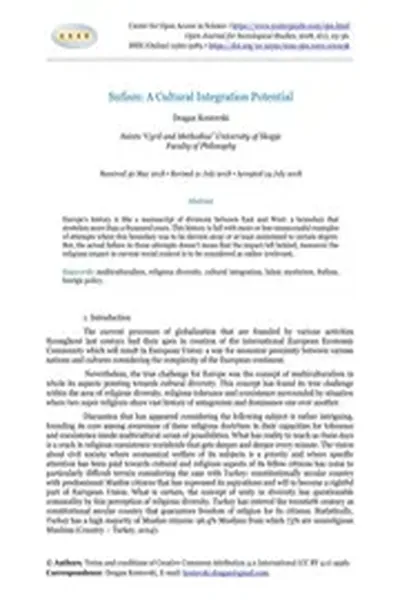
Contemplative Prayer for Christians with Chronic Worry
 82
82

Contemplative Prayer for Christians with Chronic Worry
Joshua J. Knabb and Thomas V. Frederick’s Contemplative Prayer for Christians with Chronic Worry provides a refreshingly direct and actionable framework for a common spiritual and psychological struggle. Its eight-week structure is a significant strength, offering a clear pathway for users to follow without feeling overwhelmed. The integration of scripture with practical meditative techniques is well-executed, avoiding the pitfalls of purely secular self-help or overly abstract theological discourse. A particularly effective element is the emphasis on specific, repeatable exercises designed to interrupt the cycle of worry. However, the book's reliance on a Christian framework, while its core strength, may limit its direct applicability for those outside that tradition, despite the universality of anxiety. The inclusion of free audio recordings for guided meditations is a practical enhancement that bolsters its utility. Ultimately, it’s a pragmatic guide for those seeking solace and stability through disciplined prayer.
📝 Description
82
Published in 2017, this book presents an eight-week program for Christians dealing with chronic worry.
Contemplative Prayer for Christians with Chronic Worry provides a structured, eight-week plan to address persistent anxious thoughts. The book divides the practice into weekly units. Each unit includes an introduction, defined goals, specific methods, and suggested homework. This organized method aims to combine spiritual discipline with psychological well-being. The workbook is designed for Christians who experience ongoing worry and want a faith-based approach to manage it. It also serves as a useful resource for clinicians, therapists, and counselors working with clients who struggle with anxiety and are looking for an intervention supported by scripture and contemplation. The program structure allows for both independent study and guided application.
This 2017 book adapts centuries of Christian contemplative tradition for modern anxieties. It draws on historical methods of spiritual discipline, focusing on stillness and surrender. The approach resonates with Christian mystical practices that seek direct experience of the divine as a counter to worldly cares. By framing these ancient techniques within a structured program, it bridges historical spiritual pursuits with contemporary therapeutic needs.
💡 Why Read This Book?
• Learn specific, repeatable techniques for disengaging from anxious thought loops, directly supported by the "eight-week approach" outlined in the book. • Discover how to apply principles of "contemplative prayer" to manage daily worries, drawing on scripture as a foundation for inner peace. • Utilize the provided "homework" assignments from Chapter 1 to actively practice shifting focus from anxious rumination to spiritual trust.
⭐ Reader Reviews
Honest opinions from readers who have explored this book.
❓ Frequently Asked Questions
What is the primary goal of the eight-week program in Contemplative Prayer for Christians with Chronic Worry?
The primary goal is to provide Christians with chronic worry a structured, eight-week method to lessen daily anxieties by integrating contemplative prayer practices with scriptural support.
Are there any supplementary materials available for this book?
Yes, the book offers six free downloadable audio recordings designed to aid in practicing the guided meditations described within the text.
Who would benefit most from using this workbook?
Christians experiencing chronic worry and clinicians (therapists, counselors) working with such individuals will find the workbook particularly beneficial for exploring anxiety reduction through prayer.
What is the publication year of Contemplative Prayer for Christians with Chronic Worry?
The book was first published on February 17, 2017.
How does this book approach the issue of recurrent worry?
It offers an eight-week, chapter-by-chapter approach, providing introductions, goals, techniques, and homework assignments focused on contemplative prayer as a means to manage worry.
Does the book rely solely on prayer, or are other methods included?
While centered on contemplative prayer and scriptural support, the book includes specific techniques and homework designed to be practical tools for reducing daily worries.
🔮 Key Themes & Symbolism
Prayer as Therapeutic Tool
This work reframes contemplative prayer not merely as a devotional act but as a practical intervention for psychological distress. It moves beyond abstract theological concepts to offer concrete methods, like guided meditations, that directly address the physiological and cognitive patterns of chronic worry. The esoteric angle lies in its emphasis on cultivating inner stillness and direct communion with the divine as a means to achieve emotional regulation, echoing ancient mystical traditions that sought inner peace through disciplined spiritual practice.
Scriptural Foundation for Anxiety
Rather than divorcing spiritual practice from its source, the book grounds its techniques in Christian scripture. This offers an esoteric perspective by suggesting that ancient wisdom texts hold keys to contemporary psychological well-being. The approach implies that the divine narrative provides a framework for understanding and overcoming personal struggles, offering a counterpoint to purely secular psychological models. It highlights how faith can be a powerful anchor against the tides of anxiety.
Structured Spiritual Discipline
The explicit eight-week structure transforms contemplative prayer into a systematic discipline. This methodical application is central to its efficacy, making it accessible even to those new to deep meditative practices. The book’s design provides a clear roadmap, encouraging consistent engagement to foster lasting change. This structured approach aligns with esoteric traditions that often utilize rigorous, step-by-step methods for spiritual attainment and transformation.
Cultivating Inner Stillness
At its heart, the book advocates for the cultivation of inner stillness as an antidote to the noise of chronic worry. This concept is deeply rooted in various mystical traditions, including Christian contemplation, which emphasizes quieting the mind to perceive a deeper reality. The esoteric significance lies in the belief that through stillness, one can access divine guidance and inner peace, thereby disarming the power of anxious thoughts.
💬 Memorable Quotes
Direct passages from the work, attributed to the author.
“Each chapter offers an introduction for the week, goals, techniques, and homework.”
— This highlights the book's practical, structured nature, presenting contemplative prayer as an accessible, step-by-step discipline rather than an esoteric mystery.
“Six free audio recordings are also available to download for use when practicing the guided meditations.”
— This emphasizes the accessibility and practical support offered, making the contemplative practices outlined in the book easier for readers to engage with consistently.
“Clinicians and their clients will find that the workbook helps them explore ways to lessen daily worries through contemplative prayer.”
— This points to the book's dual utility, serving both individual spiritual growth and professional therapeutic application for managing anxiety within a Christian framework.
“Relying on scriptural support, the contemplative Christian...”
— This indicates the book's foundation in Christian theology and scripture, integrating faith-based principles with psychological techniques for addressing worry.
“Presents an eight-week approach for working with recurrent worry.”
— This signifies the book's structured, time-bound methodology, designed to guide users through a progressive process of spiritual and emotional healing over a defined period.
🌙 Esoteric Significance
Tradition
This work fits within the broad stream of Christian mysticism and contemplative prayer traditions. While not explicitly aligning with esoteric schools like Gnosticism or Hermeticism, it shares their emphasis on inner transformation and direct experience of the divine. Its esoteric nature lies in its focus on cultivating interior silence and a non-rational apprehension of God's presence as a means of healing psychological distress, echoing ancient monastic practices.
Symbolism
The core symbolism revolves around 'stillness' and 'presence'. Stillness symbolizes the quieting of the ego and the cessation of anxious thought patterns, creating space for divine awareness. Presence signifies the direct, unmediated experience of God's love and peace, which acts as an antidote to worry. The act of prayer itself becomes a symbolic bridge between the human and the divine, a sacred space where healing occurs.
Modern Relevance
Contemporary relevance is seen in the growing interest in the intersection of spirituality and mental health. Thinkers and practitioners exploring integrative therapy, spiritual psychology, and mindfulness-based interventions within religious contexts often draw upon practices similar to those outlined here. It speaks to a modern yearning for holistic well-being that addresses both the psychological and spiritual dimensions of human experience, offering a bridge between ancient wisdom and current needs.
👥 Who Should Read This Book
• Christians experiencing persistent anxiety and seeking a faith-centered approach to manage their worries, utilizing structured spiritual exercises. • Therapists and counselors looking for a biblically-grounded workbook to guide clients through contemplative practices for reducing chronic worry. • Individuals interested in the practical application of Christian contemplative traditions for mental and emotional well-being, seeking tangible techniques beyond general spiritual advice.
📜 Historical Context
Published in 2017, *Contemplative Prayer for Christians with Chronic Worry* emerged in an era where mindfulness and meditative practices were gaining significant traction within both secular psychology and various religious traditions. The work draws upon a long lineage of Christian contemplative practice, which has roots stretching back to the Desert Fathers and figures like Meister Eckhart. It interfaces with contemporary therapeutic approaches, particularly cognitive behavioral therapy (CBT), by offering structured exercises, yet firmly anchors these techniques within a theological framework. While not directly engaging with, for example, the burgeoning field of positive psychology led by figures like Martin Seligman, this book carves out a niche by specifically addressing chronic worry through a faith-based lens. Its reception was likely within Christian therapeutic and devotional circles, offering a scripturally-grounded alternative or supplement to more secular anxiety management techniques.
📔 Journal Prompts
The concept of 'inner stillness' and its role in disrupting worry cycles.
Your experience with the 'guided meditations' and their impact on anxious thoughts.
The scriptural support for facing recurrent worry.
Identifying specific 'techniques' from the book that you can apply consistently.
Reflecting on the 'homework' assignments and their contribution to your practice.
🗂️ Glossary
Contemplative Prayer
A form of prayer focused on resting in God's presence, characterized by silence, stillness, and a non-discursive approach, aiming for direct experience of divine love.
Chronic Worry
Persistent, excessive, and difficult-to-control anxious thoughts and concerns that significantly interfere with daily life and well-being.
Scriptural Support
The use of passages and teachings from the Bible to provide a foundation, rationale, and encouragement for spiritual practices and psychological coping mechanisms.
Guided Meditation
A meditative practice led by spoken or recorded instructions, designed to help the practitioner achieve a state of relaxation, focus, or spiritual awareness.
Eight-Week Approach
A structured program divided into eight distinct weekly segments, each with specific learning objectives, exercises, and practical applications for addressing worry.
Clinicians
Professionals in the mental health field, such as therapists, counselors, and psychologists, who provide therapeutic services to clients.
Recurrent Worry
Anxiety that manifests as repetitive and persistent patterns of thought, often involving future-oriented concerns or 'what-if' scenarios.
This book appears in 1 collection
🔮 Readers Also Liked
Browse all →








From the “Contemplative Prayer” Collection
View all →








More Free Mysticism & Contemplation Books
View all →