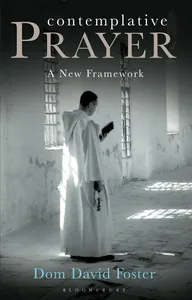
Contemplative Prayer for Today
 83
83

Contemplative Prayer for Today
Ernest E. Larkin's "Contemplative Prayer for Today" attempts to distill complex spiritual disciplines into accessible practices for the modern seeker. The book's strength lies in its straightforward approach, presenting stillness and interior silence as attainable states through consistent effort. Larkin avoids esoteric jargon, which is commendable, making the material approachable for those unfamiliar with mystical traditions. However, while the intention is clear, the execution occasionally feels a touch too simplistic. For instance, the chapter on "interior silence" could benefit from more nuanced exploration of the psychological challenges involved in achieving and maintaining such a state, beyond simply advising the reader to "let go." Despite this limitation, the work's primary success is its practical, step-by-step guidance on cultivating a prayerful life rooted in present-moment awareness. It offers a solid foundation for anyone looking to initiate or deepen their contemplative journey.
📝 Description
83
Ernest E. Larkin published "Contemplative Prayer for Today" in 2007, moving beyond theory to practical spiritual techniques.
Ernest E. Larkin's 2007 book, "Contemplative Prayer for Today," offers a practical approach to developing inner stillness and direct spiritual encounters. It focuses on actionable methods for quieting the mind, aiming for a deeper connection with the divine. Larkin defines prayer not as a request but as a state of being, a constant communion available to anyone committing to focused inner work. The book simplifies complex spiritual ideas, making them useful for people today who want genuine spiritual growth.
This book is for individuals struggling with modern distractions and seeking a more stable spiritual life. It will appeal to those who find conventional prayer methods unfulfilling or who are looking for paths outside of established religious systems. Whether you are an experienced meditator wanting to go deeper or new to contemplation, Larkin’s work offers a clear guide. It is especially helpful for people interested in the mental and spiritual benefits that come from consistent inner focus and self-awareness.
Published in 2007, this book emerged during a period of renewed interest in contemplative practices across Western cultures, influenced by both Eastern meditation and figures like Thomas Merton. Larkin’s work connects historical devotional methods with the needs of modern individuals seeking spiritual development outside of traditional structures. It addresses a growing desire for accessible spiritual disciplines that integrate ancient wisdom into contemporary life.
💡 Why Read This Book?
• Learn to cultivate "interior silence" as described by Larkin, moving beyond mere quiet to a state receptive to spiritual insight. This offers a method for finding peace amidst external chaos. • Understand the concept of "prayer of presence" as an ongoing communion, not just occasional supplication, enabling a more integrated spiritual life. • Discover practical techniques for engaging the "active imagination" as a tool for spiritual discernment, enhancing your intuitive connection to the divine.
⭐ Reader Reviews
Honest opinions from readers who have explored this book.
❓ Frequently Asked Questions
What is "interior silence" according to Ernest E. Larkin?
In "Contemplative Prayer for Today," interior silence refers to a cultivated state of mental and emotional quietude that allows for direct spiritual apprehension. It's more than just the absence of noise; it's an active receptivity fostered through specific contemplative practices.
When was "Contemplative Prayer for Today" first published?
The book "Contemplative Prayer for Today" by Ernest E. Larkin was first published in 2007, reflecting a contemporary interest in accessible spiritual practices.
How does Larkin's approach to prayer differ from traditional petitionary prayer?
Larkin emphasizes prayer as a "prayer of presence," a continuous state of communion and awareness, rather than focusing solely on asking for things. It's about being in relationship with the divine moment by moment.
Can beginners in spiritual practice benefit from this book?
Yes, the book is specifically designed for contemporary practitioners, including beginners, seeking to develop a deeper, more authentic spiritual connection through practical, accessible methods.
What role does "active imagination" play in Larkin's contemplative method?
Larkin views the "active imagination" as a spiritual faculty. In his 2007 work, he guides readers to use it not for fantasy, but as a means of discerning spiritual truths and connecting with higher consciousness.
Is "Contemplative Prayer for Today" part of a larger spiritual tradition?
While drawing on universal contemplative principles, the book offers a modern interpretation applicable to various spiritual paths, focusing on inner stillness and direct experience rather than adherence to a specific dogma.
🔮 Key Themes & Symbolism
The Stillness Within
Larkin posits that true spiritual connection is found not in outward action or vocalization, but in cultivating a deep inner stillness. This theme is central to the book's exploration of contemplative prayer as a practice of being rather than doing. He guides readers to recognize the potential for profound encounter with the divine that exists when the clamor of the ego and the external world is quieted. The book suggests that this stillness is an inherent quality of the soul, accessible through focused attention and the deliberate quieting of mental chatter.
Prayer as Presence
Moving away from the common understanding of prayer as petition, Larkin introduces the concept of the "prayer of presence." This perspective reframes prayer as an ongoing, non-verbal state of communion with the divine. It's about maintaining an awareness of spiritual reality throughout the day, not just during dedicated prayer times. The book elaborates on how this continuous presence fosters a deeper, more integrated relationship with higher consciousness, transforming daily life into a sacred experience.
Cultivating Interior Silence
The practice of "interior silence" is presented as a foundational element of contemplative prayer. Larkin distinguishes this from mere physical quiet, describing it as a dynamic state of mental receptivity. Achieving this silence involves techniques designed to disengage from habitual thought patterns and emotional reactivity. The book provides practical steps for developing this inner quietude, which Larkin argues is the fertile ground from which spiritual insights and direct experiences of the divine can emerge.
The Active Imagination's Role
In "Contemplative Prayer for Today," Ernest E. Larkin reinterprets "active imagination" as a vital spiritual faculty, distinct from fantasy. He outlines its use as a tool for discerning divine guidance and fostering a connection with the "divine spark" within. This concept encourages practitioners to engage their inner faculties imaginatively, not to create illusions, but to perceive subtler realities and receive intuitive wisdom. The book suggests this faculty is key to translating contemplative insights into lived experience.
💬 Memorable Quotes
Direct passages from the work, attributed to the author.
“Stillness is the ground of all being, the space where the divine is most readily apprehended.”
— This highlights Larkin's core teaching: that profound spiritual experience arises not from striving, but from achieving a state of inner quietude and receptivity, making the divine accessible.
“Prayer is not an act performed, but a state of being maintained.”
— This redefines prayer as an ongoing communion, emphasizing presence and awareness throughout daily life rather than isolated moments of supplication or ritual.
“Let the mind become a clear pool, undisturbed by the winds of thought.”
— This metaphor illustrates the practice of cultivating interior silence, likening the ideal contemplative mind to a tranquil body of water, capable of clear reflection.
“The divine spark within is our true home; contemplative prayer is the journey back.”
— This points to the inherent divinity within each person and frames contemplative practice as a homecoming, a return to one's essential spiritual nature.
“Engage the active imagination not to invent, but to perceive what already is.”
— This clarifies the book's view of the active imagination as a tool for spiritual perception, focusing on discerning existing spiritual realities rather than creating fabricated ones.
🌙 Esoteric Significance
Tradition
While not strictly adhering to a single lineage, Larkin's work draws heavily from the universal principles found in Christian contemplative mysticism and Neoplatonic thought. It shares common ground with Gnostic ideas regarding the indwelling divine spark and the path of inner knowing. The emphasis on stillness and direct apprehension aligns with the core tenets of many esoteric paths that seek experiential knowledge of the divine beyond dogma, presenting a universally applicable method for inner transformation.
Symbolism
The central symbol is "stillness," representing the unmanifest potential and the divine ground of being. "Interior silence" functions as a symbol for the purified mind, capable of reflecting spiritual truth without distortion. The "divine spark" symbolizes the inherent, eternal connection to the sacred within each individual, the ultimate object of contemplative focus and realization.
Modern Relevance
Larkin's approach is highly relevant to contemporary mindfulness movements, secular spirituality, and psychological practices focused on stress reduction and self-awareness. Thinkers and practitioners in fields integrating contemplative practices with therapy, coaching, and personal development often find value in his clear articulation of stillness and presence. His work provides a bridge for those exploring the spiritual dimensions of consciousness without necessarily identifying with a specific religious tradition.
👥 Who Should Read This Book
• Individuals seeking to establish a consistent and meaningful contemplative practice, especially those finding traditional prayer methods challenging. • Practitioners of mindfulness or meditation looking to deepen their understanding and integrate these practices into a spiritual context. • Students of comparative spirituality interested in accessible methods for cultivating inner peace and direct spiritual experience across traditions.
📜 Historical Context
Ernest E. Larkin's "Contemplative Prayer for Today," published in 2007, arrived during a period of significant Western engagement with contemplative practices, spurred by figures like Thomas Merton and the popularization of mindfulness. The early 21st century saw a growing interest in spiritual disciplines that offered direct experience over dogmatic adherence, a trend influenced by both Eastern traditions and a revival of Western mystical thought. Larkin's work fits into this landscape by providing accessible methods for cultivating inner stillness and presence, echoing sentiments found in Christian contemplative literature and modern psychology's focus on mindfulness. While authors like Eckhart Tolle were also popularizing concepts of presence, Larkin offered a more structured approach specifically framed as prayer. The book addressed a public seeking authentic spiritual engagement outside of traditional institutional structures, distinguishing itself by its practical, step-by-step guidance.
📔 Journal Prompts
Reflect on the "prayer of presence" and how it can be integrated into your daily routine.
Consider the challenges and benefits of cultivating "interior silence" in your personal life.
How does the concept of the "divine spark" inform your understanding of yourself and others?
Explore the "active imagination" as a tool for discerning spiritual guidance in your life.
What does "stillness" mean to you, and how can you foster it more consistently?
🗂️ Glossary
Stillness
The fundamental state of inner quietude and receptivity that Larkin identifies as the primary gateway to spiritual awareness and direct experience of the divine.
Prayer of Presence
A form of prayer conceptualized by Larkin as a continuous state of communion and awareness with the divine, rather than an occasional act of petition.
Interior Silence
A cultivated state of mental and emotional quietude that transcends mere absence of noise, enabling receptivity to spiritual insight and divine connection.
Active Imagination
In Larkin's context, a spiritual faculty used for discerning divine guidance and perceiving subtle spiritual realities, rather than a purely fantasy-based activity.
Divine Spark
The concept of an inherent, eternal spiritual essence or connection to the sacred within every individual, serving as the core focus of contemplative realization.
Contemplation
A practice of deep, sustained inner reflection and awareness aimed at achieving direct experience of spiritual truth or the divine.
Apprehension
The direct, intuitive grasp or perception of spiritual truths or the divine, achieved through states of stillness and focused awareness.
![The mystic oracle, or, The complete fortune-teller and dream book / [F.M. Lupton].](/img/thumb/the-mystic-oracle-or-the-complete-fortune-teller-and-dream-book-f-m-lupton.webp)