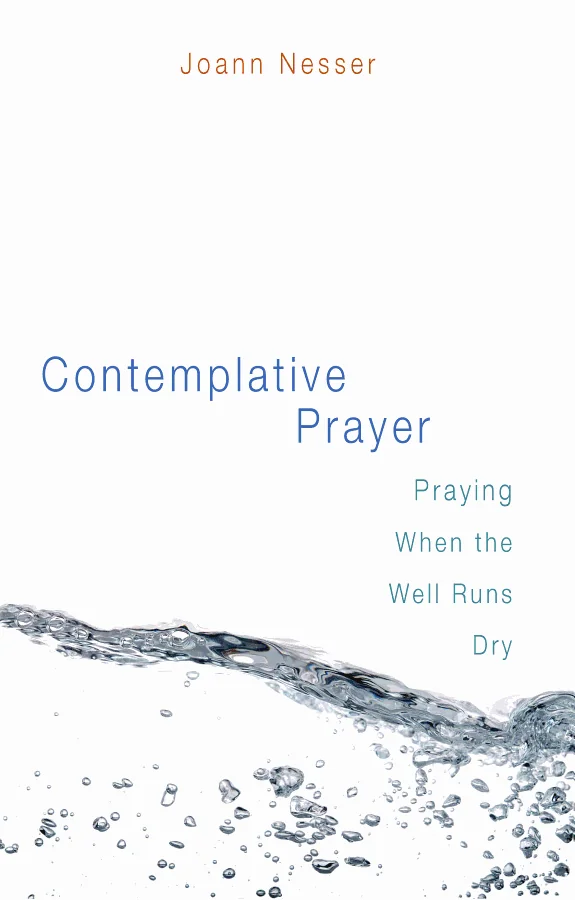
Contemplative Prayer
 78
78

Contemplative Prayer
Joann Nesser’s Contemplative Prayer arrives not with pronouncements, but with a quiet invitation to re-examine a faith practice many Christians assume they’ve mastered. The book’s strength lies in its direct address to the disaffected long-time believer, acknowledging the very real aridness that can set in. Nesser’s discussion of the 'spiritual journey' as a dynamic process, rather than a static state, is particularly valuable. However, the text occasionally leans towards a generalized Christian framework without deeper engagement with specific mystical traditions, which may leave readers seeking more explicit esoteric lineages wanting. A passage detailing the shift from 'petitionary prayer' to 'receptive prayer' highlights the book’s core message: that prayer is less about asking and more about becoming present. While accessible, it could benefit from more varied examples to illustrate its points across different spiritual temperaments. Ultimately, it offers a gentle, necessary correction to complacency in prayer.
📝 Description
78
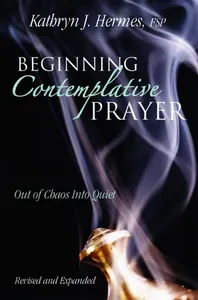
Joann Nesser's 2007 book, Contemplative Prayer, reframes prayer as active, interior communion.
Published in 2007, Joann Nesser's Contemplative Prayer outlines a method for deepening spiritual practice. The book argues that prayer is not simply spoken words but a form of direct, internal connection. Nesser seeks to revitalize prayer lives that have become routine or dull, showing a way toward a more alive and responsive relationship with the divine. It is written for individuals who want to move past superficial religious activities.
This book is particularly suited for long-term Christians whose established prayer habits have lost their meaning. It speaks to the common feeling of prayer being empty or arid, suggesting that a change in perspective and practice can bring back spiritual energy. Readers who wish to grasp the fundamental workings of their spiritual path and develop a richer prayer life will find this text useful. It addresses the sincere seeker who feels a sense of separation.
Within Christian mysticism, contemplative prayer has a long history, drawing from figures like the Desert Fathers and later mystics such as Teresa of Ávila and John of the Cross. Nesser's 2007 work engages with this tradition, offering a contemporary perspective. The book appeared during a time when interest in contemplative practices was growing, partly as a response to the secular trends of the late 20th and early 21st centuries.
💡 Why Read This Book?
• Gain practical methods for transitioning from rote prayer to a more engaged, heart-centered practice, as discussed in Nesser's exploration of the spiritual journey. • Understand the concept of the 'prayer of the heart,' moving beyond words to a state of receptive presence, a key theme in the book's approach. • Recognize the 'dark night of the soul' not as a failure, but as a potentially transformative phase within a deepening prayer life, as Nesser frames it.
⭐ Reader Reviews
Honest opinions from readers who have explored this book.
❓ Frequently Asked Questions
What is contemplative prayer according to Joann Nesser's book?
Nesser defines contemplative prayer as a form of interior communion that goes beyond spoken words, focusing on silent listening and cultivating divine awareness. It's presented as a way to re-enliven prayer lives that have become dry or empty.
Who is the intended audience for Contemplative Prayer?
The book is primarily for long-term Christians who feel their prayer life is lacking vitality. It aims to help them understand the dynamics of the spiritual journey and stir a desire for deeper prayer.
Does the book discuss the 'dark night of the soul'?
Yes, the work explores the 'dark night of the soul' as a potential, though challenging, stage in spiritual growth. It frames this experience within the broader context of the spiritual journey.
What does Nesser mean by 'prayer of the heart'?
'Prayer of the heart' refers to a shift from intellectual or petitionary prayer to a more intuitive, affective, and receptive mode of connecting with the divine, emphasizing presence over verbal articulation.
When was Contemplative Prayer first published?
Contemplative Prayer by Joann Nesser was first published in 2007, offering a contemporary perspective on ancient spiritual practices.
How does this book differ from other guides on prayer?
Unlike generic guides, Nesser's book specifically targets those experiencing dryness in established Christian prayer practices. It focuses on the dynamics of the spiritual journey and aims to reignite desire for deeper connection.
🔮 Key Themes & Symbolism
The Prayer of the Heart
This theme centers on shifting prayer from a verbal, petitionary activity to a mode of being and receptive presence. Nesser guides readers to cultivate an interior disposition where divine awareness becomes paramount. It’s less about what one says and more about what one allows to unfold within the soul, fostering a direct, unmediated communion that transcends the need for eloquent articulation or complex theological reasoning.
Dynamics of the Spiritual Journey
Nesser frames prayer not as an isolated technique but as integral to the broader spiritual journey. This involves understanding the inherent challenges, such as periods of dryness or spiritual desolation, and viewing them not as failures but as potential catalysts for deeper growth. The work emphasizes perseverance and the transformative power of sustained, albeit sometimes difficult, spiritual engagement.
Reigniting Prayerful Desire
A core objective of the book is to reawaken a genuine longing for prayer in those whose spiritual lives have become stagnant. By presenting contemplative prayer as a dynamic and accessible path, Nesser aims to stir a desire for a more profound and vibrant relationship with the divine. This involves moving beyond routine and rediscovering the inherent wonder and mystery in spiritual practice.
Divine Awareness Cultivation
This theme focuses on the practice of becoming more attuned to the divine presence in everyday life and within the stillness of prayer. It involves developing a capacity for silent listening and a conscious awareness of God's immanence. Nesser suggests that this cultivation of awareness is key to experiencing prayer as a living encounter rather than a formal obligation.
💬 Memorable Quotes
Direct passages from the work, attributed to the author.
“Prayer life is empty and dry.”
— This concise statement captures the core problem addressed by the book. It serves as a relatable diagnosis for many long-term practitioners who find their spiritual connection has waned, indicating the need for a renewed approach.
“Stirs the desire for a deeper prayer life.”
— This phrase highlights the book's active intention. It suggests that the text is designed not just to inform, but to inspire and re-ignite a longing for more meaningful spiritual engagement, acting as a catalyst for change.
“Understanding of the dynamics of the spiritual journey.”
— This points to the book's analytical aspect, promising readers insight into the often-unseen forces and processes that shape their spiritual development, offering clarity on the challenges and progression involved.
“Takes a look at contemplative prayer.”
— This simple phrasing suggests an exploratory and observational approach. The book examines contemplative prayer, inviting readers to consider it anew, perhaps uncovering aspects previously overlooked or misunderstood within their practice.
“Teachings on prayer.”
— This indicates that the book provides instructional content. It offers guidance and wisdom on the subject of prayer, equipping readers with knowledge and perspectives to enhance their own spiritual discipline.
🌙 Esoteric Significance
Tradition
While presented within a Christian framework, Contemplative Prayer touches upon themes common in Christian mystical traditions, such as the ascent of the soul and direct experience of the divine. It aligns with the lineage of mystics like Pseudo-Dionysius the Areopagite and Meister Eckhart, who emphasized apophatic theology and the unknowability of God through intellectual means. The work can be seen as a modern interpretation of these ancient practices, making them accessible without necessarily adhering to a strict esoteric school like Gnosticism or Kabbalah.
Symbolism
The book's symbolism often lies in its understated approach to prayer itself. The 'dryness' and 'emptiness' described can be interpreted as symbolic of the 'dark night of the soul,' a spiritual crucible where egoic attachments are burned away. The 'prayer of the heart' symbolizes a direct, unmediated connection, bypassing the intellect's limitations. Silence, a recurring motif, represents the space where divine presence is most readily perceived, a symbol of receptivity and inner stillness.
Modern Relevance
Nesser's work remains relevant for contemporary spiritual seekers interested in deepening their prayer life beyond superficial engagement. It speaks to a modern yearning for authenticity and direct spiritual experience, resonating with practices found in mindfulness, contemplative Christianity (like Centering Prayer), and even some secular contemplative movements. Thinkers and practitioners focused on the psychology of spirituality and the integration of contemplative practice into daily life find value in its accessible guidance.
👥 Who Should Read This Book
• Long-term Christians experiencing spiritual dryness: Readers who feel their prayer life has become rote or unfulfilling will find practical guidance on revitalizing their connection. • Seekers of deeper spiritual connection: Individuals interested in moving beyond intellectual understanding to a more experiential faith will benefit from Nesser's insights. • Students of Christian mysticism: Those exploring the historical and practical dimensions of Christian contemplative traditions will find a modern, accessible entry point.
📜 Historical Context
Joann Nesser's Contemplative Prayer, published in 2007, emerged within a broader late 20th and early 21st-century resurgence of interest in contemplative spiritual practices. This period saw a renewed focus on interiority and mysticism, often as a counterpoint to perceived materialism and secularism. While Nesser's work is rooted in the Christian tradition, it appeared alongside increased engagement with Eastern meditation techniques and other non-Christian contemplative paths. Key figures in Christian mysticism, such as Thomas Keating (a proponent of Centering Prayer, a related practice), were actively publishing and teaching during this era. The book’s reception likely benefited from this cultural milieu, tapping into a widespread spiritual seeking, though its specific engagement with academic or popular critiques of contemplative prayer is not detailed in its original blurb.
📔 Journal Prompts
The prayer of the heart: How does this concept challenge your current understanding of prayer?
Reflect on a period of 'dryness' in your spiritual practice. What insights did it offer?
Consider the dynamics of the spiritual journey. Where do you perceive yourself to be?
What does divine awareness mean in the context of your daily life?
Describe a moment when you felt a particularly deep connection during prayer.
🗂️ Glossary
Contemplative Prayer
A form of prayer characterized by silence, stillness, and receptivity, aiming for direct communion with God rather than petition or verbal expression.
Prayer of the Heart
A mode of prayer that originates from the innermost being, emphasizing intuitive connection and affective experience over intellectual discourse.
Spiritual Journey
The ongoing process of personal spiritual growth and transformation, often involving challenges, insights, and deepening of one's relationship with the divine.
Dryness (in prayer)
A subjective experience of spiritual aridity or lack of perceived connection with God during prayer, often a temporary phase.
Divine Awareness
A state of heightened consciousness and sensitivity to the presence of the divine in oneself, others, and the surrounding world.
Dark Night of the Soul
A concept describing a period of spiritual purification and intense trial, often leading to deeper union with God, famously articulated by St. John of the Cross.
Petitionary Prayer
A form of prayer focused on asking God for specific things, guidance, or intervention.
This book appears in 1 collection
🔮 Readers Also Liked
Browse all →





From the “Contemplative Prayer” Collection
View all →








More Free Mysticism & Contemplation Books
View all →