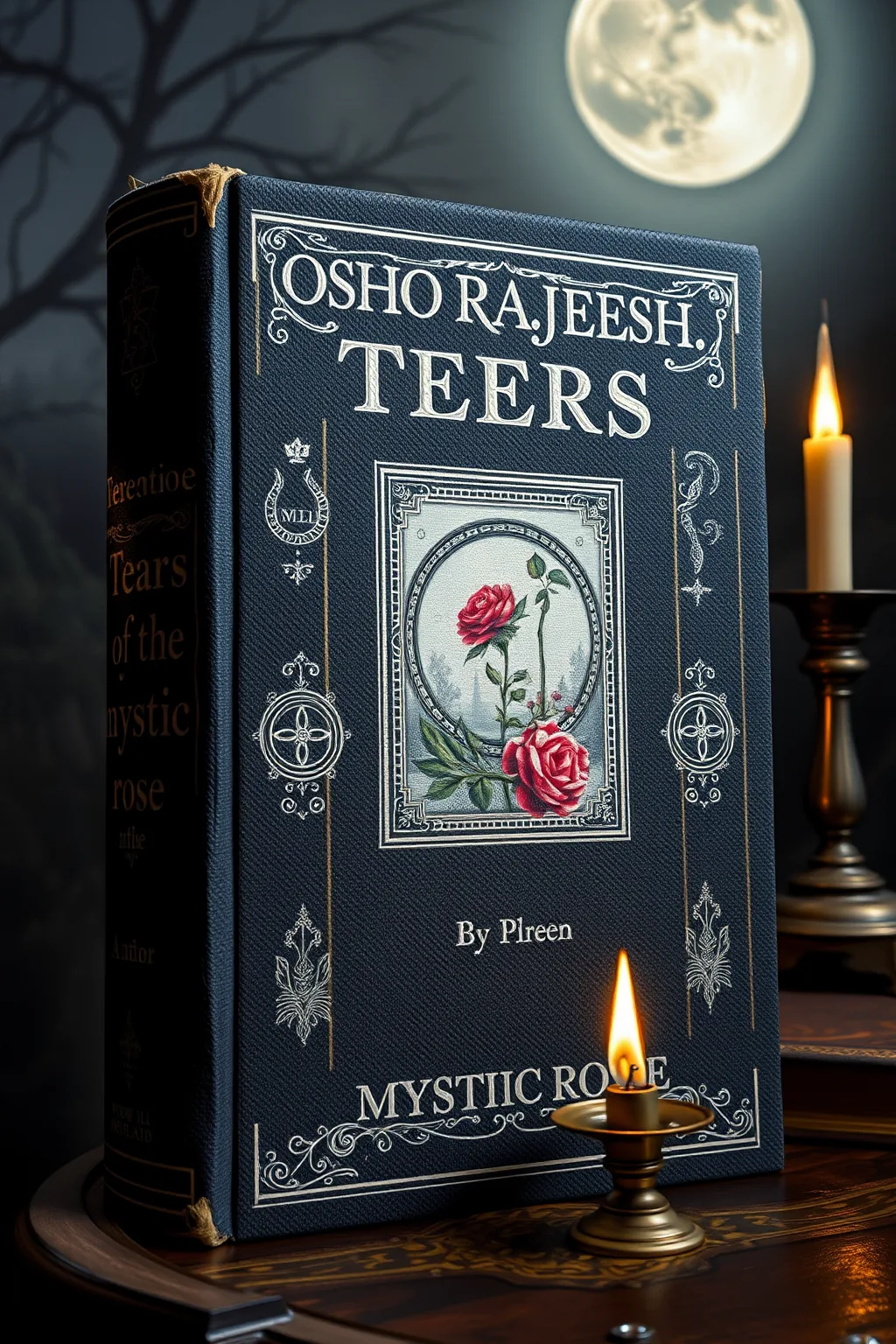
Osho Rajneesh Tears of the mystic rose
 76
76

Osho Rajneesh Tears of the mystic rose

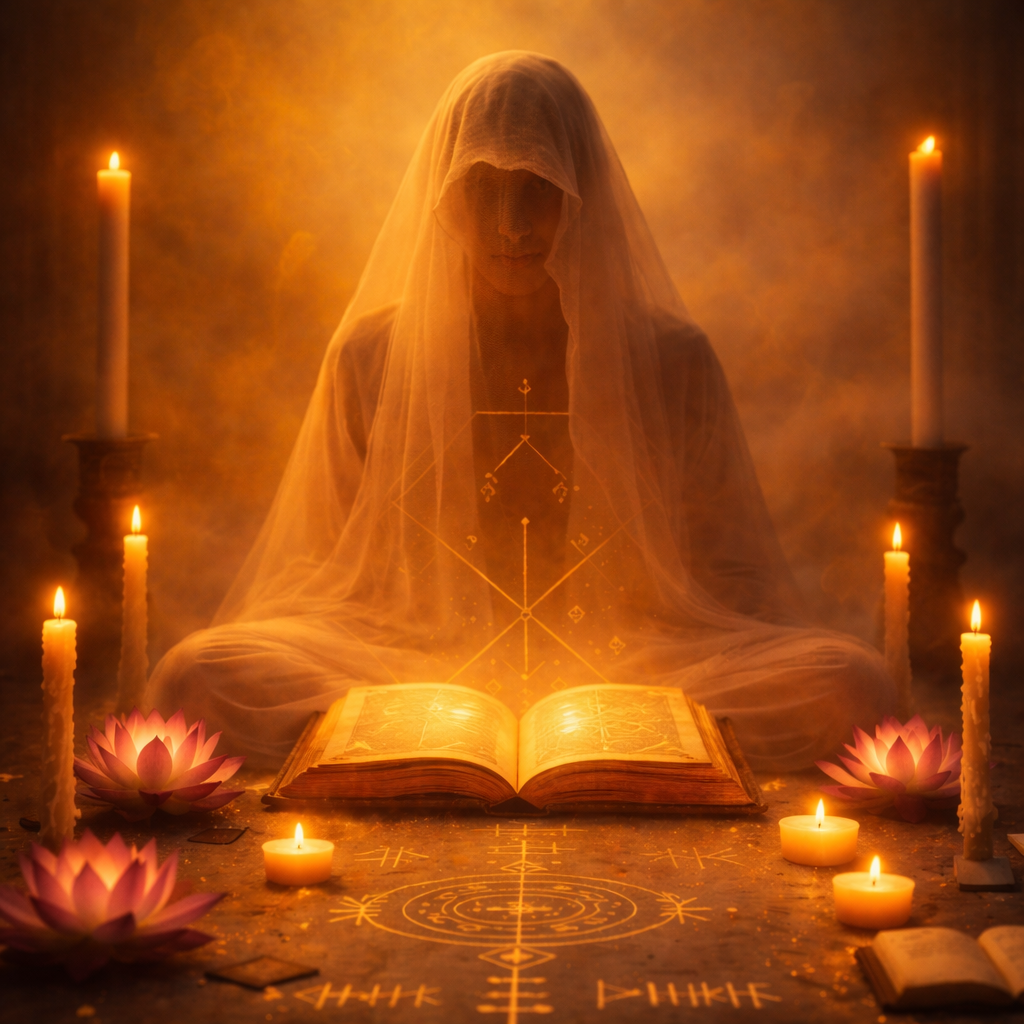

Osho Rajneesh's Tears of the Mystic Rose is a profound exploration of mystical contemplation that stands out in the realm of esoteric literature. Rajneesh's distinctive voice and unconventional wisdom make this book a compelling read for modern seekers. The text is rich with insights into the nature of consciousness and the path to enlightenment, offering a blend of ancient mystical traditions and contemporary spiritual practices. Rajneesh's ability to challenge conventional wisdom and encourage personal exploration is particularly noteworthy. For those interested in deepening their spiritual journey, Tears of the Mystic Rose provides a valuable resource. It is a must-read for anyone seeking to understand the esoteric dimensions of human experience.
📝 Description
76
Tears of the Mystic Rose presents Osho's commentary on the Sufi poet Hafiz.
This book collects Osho's talks on the poetry of Hafiz, a 14th-century Persian poet known for his mystical verses. Osho interprets Hafiz's work, focusing on themes of love, divine union, and the nature of the mystic's experience. He uses Hafiz's poems as a springboard for his own teachings on meditation, awareness, and the path to enlightenment.
The talks aim to illuminate the symbolic language of Hafiz, revealing its relevance for contemporary spiritual seekers. Osho guides readers to see beyond the literal meaning of the verses, to grasp the underlying spiritual truths. The book encourages a contemplative approach, inviting readers to reflect on the imagery of the mystic rose and its connection to inner transformation.
This work is situated within the esoteric tradition of Sufism, a mystical branch of Islam. Osho, drawing on his own eclectic spiritual background, engages with Hafiz's poetry, which is a significant text within Sufi devotional practice. The book connects the Sufi concept of the 'rose' as a symbol of divine beauty and union with broader themes of inner awakening common in many esoteric paths. It bridges specific Sufi teachings with more universal contemplative ideas.
💡 Why Read This Book?
Reading Osho Rajneesh's Tears of the Mystic Rose today offers a unique opportunity to explore the depths of mystical contemplation and esoteric wisdom. In an age where spiritual seeking is more relevant than ever, this book provides a guide to understanding the profound mysteries of consciousness and the path to enlightenment. Readers will gain insights into ancient mystical traditions and how they can be applied to modern life, fostering a deeper connection with their inner selves and the divine.
⭐ Reader Reviews
Honest opinions from readers who have explored this book.
❓ Frequently Asked Questions
What is the main theme of Tears of the Mystic Rose?
The main theme of Tears of the Mystic Rose is the exploration of mystical contemplation and the nature of consciousness. It delves into the transformative power of meditation and the path to enlightenment.
Who should read this book?
This book is ideal for spiritual seekers, meditation practitioners, and anyone interested in esoteric and mystical traditions. It offers valuable insights for those looking to deepen their spiritual journey.
What makes Osho Rajneesh's approach unique?
Osho Rajneesh's approach is unique due to his unconventional wisdom and ability to blend ancient mystical traditions with modern insights. He encourages readers to challenge traditional beliefs and explore their own inner landscapes.
🔮 Key Themes & Symbolism
Enlightenment
The book explores the nature of enlightenment, exploring how it can be achieved through meditation and contemplation. It discusses the mystical rose as a symbol of the divine blooming within the soul, representing the ultimate state of spiritual awakening.
Interconnectedness
A central theme is the interconnectedness of all things, highlighting how every aspect of existence is linked in a vast, cosmic web. This theme encourages readers to see beyond individual experiences and understand the unity of all life.
Symbolism and Esoteric Knowledge
The text is rich in symbolism and esoteric knowledge, offering readers a chance to explore the hidden meanings behind spiritual teachings. It encourages a deeper understanding of the mystical dimensions of life, inviting readers to engage with the symbolic language of the divine.
💡 Key Ideas
Editorial paraphrase of the work's core concepts — not direct quotes.
The mystic rose blooms in the heart of the enlightened.
This quote symbolizes the ultimate state of spiritual awakening, where the divine manifests within the soul.
Meditation is the key to unlocking the mysteries of existence.
This line emphasizes the transformative power of meditation in revealing the deeper truths of life.
All things are interconnected in the vast web of existence.
This quote highlights the unity of all life, encouraging readers to see beyond individual experiences.
The journey to enlightenment is a path of tears and joy.
This passage underscores the emotional and spiritual journey towards spiritual awakening.
The esoteric knowledge hidden within symbolism reveals the divine.
This line emphasizes the importance of exploring the hidden meanings behind spiritual teachings.
🌙 Esoteric Significance
Tradition
This book belongs to the mystical and contemplative traditions, drawing on Hermetic, Gnostic, and Kabbalistic teachings. It emphasizes the importance of esoteric knowledge and the exploration of hidden symbolism.
Symbolism
Key symbols include the mystic rose, representing the divine blooming within the soul, and the interconnected web of existence, highlighting the unity of all life.
Modern Relevance
Today, Tears of the Mystic Rose remains relevant for modern practitioners of meditation and contemplative arts. It offers a unique perspective on spiritual awakening and the transformative power of meditation, inspiring seekers to explore the esoteric dimensions of life.
👥 Who Should Read This Book
Beginners seeking an introduction to mystical and contemplative arts will find this book accessible and enlightening. Scholars of mysticism will appreciate the depth of esoteric insights and the exploration of hidden symbolism. Spiritual seekers will be inspired by the journey towards enlightenment and the interconnectedness of all things. Practitioners of meditation and contemplative arts will benefit from the transformative power of the teachings presented.
📜 Historical Context
Written during a time of spiritual renaissance, Tears of the Mystic Rose emerged as a clear source of esoteric wisdom. Osho Rajneesh, a controversial yet influential figure, sought to challenge traditional spiritual teachings and offer a fresh perspective on the mystical dimensions of life. The book's influence can be seen in the growing interest in meditation, contemplative arts, and the exploration of hidden knowledge. It continues to inspire seekers and scholars alike, providing a wide range of mystical and contemplative insights.
📔 Journal Prompts
Reflect on a time when you felt deeply connected to the divine. How did this experience shape your understanding of existence?
Explore the symbol of the mystic rose. What does it mean to you in your spiritual journey?
Consider the interconnectedness of all things. How does this concept influence your daily life and interactions?
Journal about the emotional and spiritual journey towards enlightenment. What challenges and joys have you encountered?
Reflect on the transformative power of meditation. How has it changed your perspective on life and existence?
🗂️ Glossary
Enlightenment
The ultimate state of spiritual awakening, where the divine manifests within the soul.
Mystic Rose
A symbol representing the divine blooming within the soul, signifying spiritual enlightenment.
Interconnectedness
The concept that all things are linked in a vast, cosmic web, highlighting the unity of all life.
Esoteric Knowledge
Hidden wisdom and symbolism that reveal the deeper truths of existence.
Contemplative Arts
Practices such as meditation and introspection that aim to deepen spiritual understanding and connection.
This book appears in 1 collection
🔮 Readers Also Liked
Browse all →





From the “Christian Mysticism” Collection
View all →





More Free Mysticism & Contemplation Books
View all →