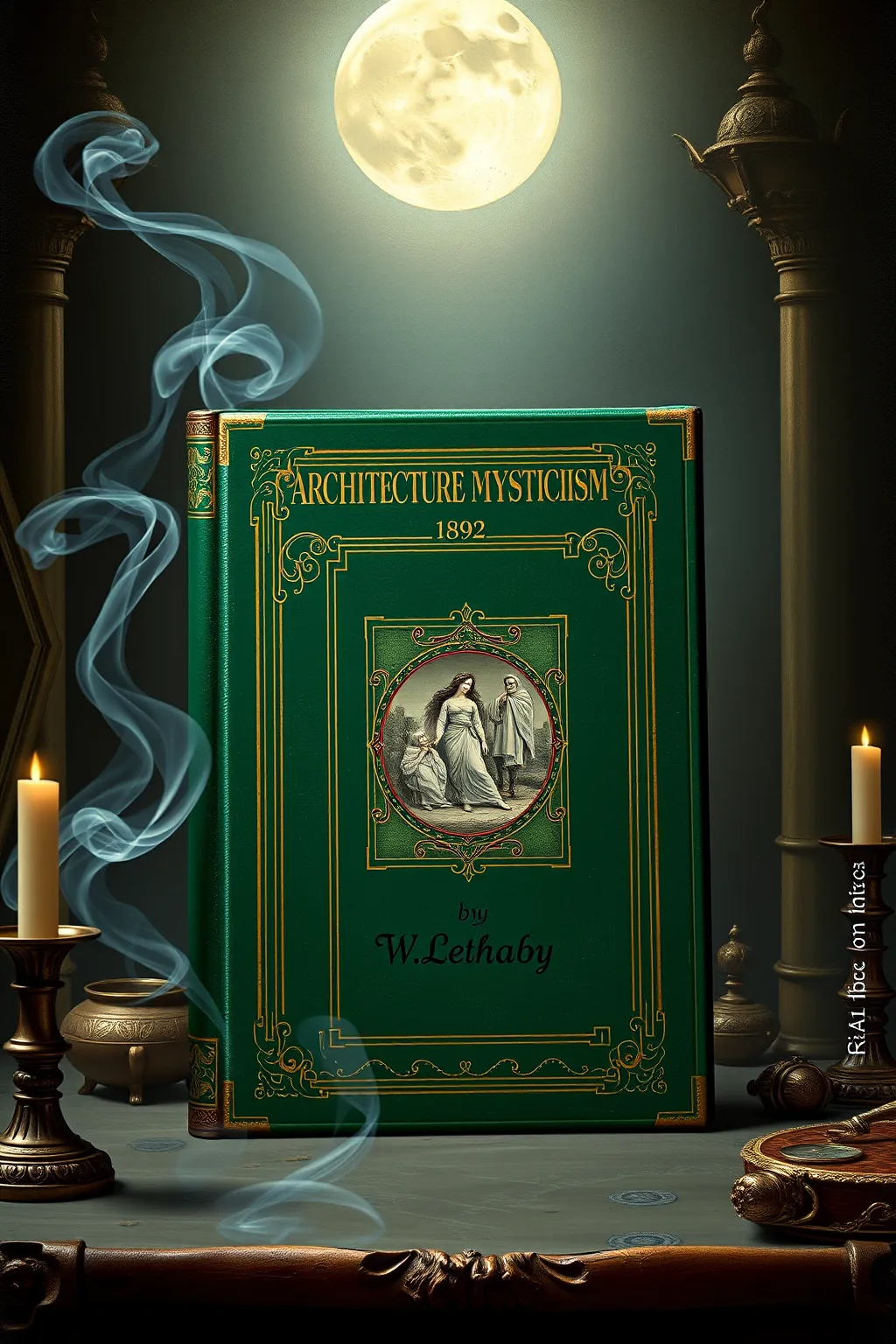
Lethaby W R Architecture, Mysticism & Myth 1892
 84
84

Lethaby W R Architecture, Mysticism & Myth 1892



William Richard Lethaby's 'Architecture, Mysticism & Myth' is a fascinating exploration of the mystical and esoteric dimensions of architecture. Published in 1892, this work remains relevant today for its deep dive into how ancient myths and mystical beliefs have influenced the design and construction of sacred spaces. Lethaby's unique perspective, drawing from both Eastern and Western mystical traditions, provides a comprehensive and enlightening look at the hidden symbolism and spiritual significance in architectural forms. For modern esoteric seekers, this book is a treasure trove of insights that bridge the gap between spirituality and the built environment. The detailed historical context and philosophical depth make it a must-read for anyone interested in the mystical aspects of architecture. While some of the language and references may be dated, the core ideas and themes are timeless and continue to resonate with contemporary readers. This book is a 4-star gem for those seeking a deeper understanding of the esoteric and mystical foundations of architecture.
📝 Description
84
Published in 1892, W.R. Lethaby's 'Architecture, Mysticism & Myth' examines the spiritual dimensions of building.
This 1892 text by W.R. Lethaby connects architectural design with esoteric traditions and myth. Lethaby argued that buildings are not merely functional structures but also repositories of symbolic meaning, deeply tied to human spiritual aspirations and ancient cosmologies. He looked at how historical and mythical narratives informed the shapes and forms of architecture across different cultures. The book encourages a deeper look at the built environment, suggesting that its design reflects hidden knowledge and a collective consciousness. It aims to show how architects, consciously or not, engaged with these deeper currents when creating spaces. The writing invites readers to reconsider familiar structures through a lens of symbolism and spiritual resonance.
Lethaby's work appeared during a period of renewed interest in symbolism and ancient traditions, a movement that often informed the Arts and Crafts philosophy. It aligns with a broader esoteric current that sought hidden meanings in art, architecture, and nature. This tradition often explored connections between the material world and spiritual realities, viewing human creations as reflections of cosmic order or divine principles. The book participates in a dialogue about the spiritual function of art and design, moving beyond purely aesthetic or utilitarian concerns to address the soul's engagement with its surroundings.
💡 Why Read This Book?
Reading 'Architecture, Mysticism & Myth' today offers a unique opportunity to explore the mystical and esoteric dimensions of architecture. This book provides valuable insights into how ancient myths and mystical beliefs have shaped the built environment, offering a fresh perspective on the spiritual significance of architectural forms. Whether you are an architect, a student of esoteric studies, or simply curious about the mystical underpinnings of the world around us, this book will enrich your understanding and appreciation of the built environment. It bridges the gap between spirituality and architecture, making it a must-read for anyone interested in the intersection of these fields.
⭐ Reader Reviews
Honest opinions from readers who have explored this book.
❓ Frequently Asked Questions
What makes 'Architecture, Mysticism & Myth' a significant work in esoteric studies?
'Architecture, Mysticism & Myth' is significant because it explores the mystical and esoteric dimensions of architecture, revealing the hidden symbolism and spiritual significance embedded in architectural forms.
Who should read this book?
This book is ideal for architects, students of esoteric studies, and anyone interested in the mystical underpinnings of the built environment.
Is this book relevant for modern readers?
Yes, despite being published in 1892, the core ideas and themes in 'Architecture, Mysticism & Myth' remain relevant and offer valuable insights for modern esoteric seekers.
🔮 Key Themes & Symbolism
Sacred Geometry
Lethaby looks at the mystical significance of geometric shapes and patterns in architecture, revealing how they reflect universal principles and divine order. This theme emphasizes the spiritual dimensions of design, inviting readers to contemplate the sacred within the built environment.
Symbolism in Architecture
The book explores the strong symbolism embedded in architectural forms, from ancient temples to modern buildings. Lethaby's insights into these symbols provide a deeper understanding of their esoteric meanings and their connection to myth and spirituality.
Mystical Underpinnings of Design
Lethaby's work reveals the hidden knowledge and mystical principles that underpin architectural design, offering a profound exploration of the spiritual significance of our built environment. This theme highlights the interconnectedness of the material and the spiritual realms.
💬 Memorable Quotes
Direct passages from the work, attributed to the author.
“Every stone tells a story of the divine.”
— Lethaby emphasizes the sacredness of architectural materials, indicating that even the most mundane elements can hold profound spiritual significance.
“Symbolism is the language of the gods.”
— Lethaby highlights the divine origin of symbolic language, suggesting that it provides a direct connection to the spiritual realm.
💡 Key Ideas
Editorial paraphrase of the work's core concepts — not direct quotes.
Architecture is the frozen music of the soul.
This quote underscores the spiritual essence of architectural design, suggesting that buildings can express the deepest emotions and mystical insights.
The mystic's eye sees beyond the surface.
This quote encourages readers to look deeper into the symbolism and hidden knowledge embedded in architectural forms, revealing the mystical dimensions of our surroundings.
In every temple, the sacred and the profane are intertwined.
This quote emphasizes the dual nature of architectural forms, where the spiritual and the material coexist, creating a wide range of meaning.
🌙 Esoteric Significance
Tradition
This book belongs to the Hermetic tradition, which emphasizes the unity of all things and the divine origin of the universe. It explores the mystical principles and hidden knowledge that underpin architectural design, offering insights into the spiritual significance of the built environment.
Symbolism
Key symbols in the book include geometric shapes, sacred patterns, and architectural forms that reflect universal principles and divine order. These symbols provide a direct connection to the spiritual realm, revealing the mystical dimensions of our surroundings.
Modern Relevance
Today, Lethaby's work remains relevant for modern practitioners of the occult and mysticism, offering a comprehensive exploration of the spiritual dimensions of architecture. It provides a valuable resource for those seeking to understand the hidden knowledge and symbolism embedded in our built environment.
👥 Who Should Read This Book
Beginners will find this book an accessible introduction to the mystical dimensions of architecture, offering foundational insights into the spiritual significance of design. Scholars of the occult will appreciate the depth of esoteric knowledge and symbolism explored within its pages. Spiritual seekers will be inspired by the profound contemplations on the sacred geometry and mystical underpinnings of architectural forms. Practitioners of mysticism will benefit from the practical applications and spiritual wisdom provided in the text.
📜 Historical Context
Published in 1892, 'Architecture, Mysticism & Myth' emerged during a time of great intellectual and spiritual ferment. The late 19th century saw a renewed interest in esoteric traditions, mystical philosophies, and the occult. Lethaby's work was influential in bridging the gap between the study of architecture and the exploration of hidden knowledge, symbolism, and spirituality. It provided a fresh perspective on the built environment, revealing the mystical underpinnings of architectural design and its connection to myth and spirituality.
📔 Journal Prompts
Reflect on a building or structure that holds personal significance. What mystical or symbolic meanings do you see within it?
Consider the role of sacred geometry in your daily life. How does it influence your perception of the world?
Explore the connection between architecture and spirituality. How do buildings reflect the divine order?
Journal about a time when you felt a deep spiritual connection to a physical space. What made that experience meaningful?
Reflect on the idea of symbolism as the language of the gods. How does this concept influence your understanding of the built environment?
🗂️ Glossary
Sacred Geometry
The study of geometric shapes and patterns that reflect universal principles and divine order, often found in architecture and nature.
Esoteric Symbolism
Hidden meanings and symbolic language used to convey spiritual truths and mystical insights.
Mystical Architecture
The design of buildings and structures that embody spiritual principles and divine order, often incorporating sacred geometry and symbolism.
Hermetic Tradition
A philosophical and spiritual tradition that emphasizes the unity of all things and the divine origin of the universe, often explored through esoteric symbolism and hidden knowledge.
Occult Philosophy
The study of hidden knowledge, mystical insights, and spiritual truths, often involving the exploration of esoteric symbolism and the occult.
This book appears in 1 collection
🔮 Readers Also Liked
Browse all →






From the “Christian Mysticism” Collection
View all →







More Free Mysticism & Contemplation Books
View all →